
Home rat removal works best when it starts with inspection, then moves into active removal, cleanup when contamination is present, and proofing that helps stop rats from getting back inside. If you hear scratching in the walls or ceiling, find fresh droppings, notice gnaw marks, or keep seeing rats indoors, it is usually time to move past one-off traps and get the home inspected.
Call a Home Rat Inspector: (818) 493-1043Direct answer: Home rat removal should begin with inspection, followed by targeted removal, cleanup when contamination is present, and proofing that helps stop rats from getting back inside. If rats are active in walls, ceilings, attics, crawlspaces, garages, or other enclosed parts of the home, one-off traps may not solve the source.
For many homeowners, the biggest mistake is treating a house infestation like an outdoor nuisance. Rats inside a home can spread contamination, damage insulation, chew wiring, and keep returning if the entry points stay open. That is why a professional service should focus on the source of the problem, not only the rats you can hear.
If you need help now, use ACAT's Contact Us page to request an inspection or call to discuss the next step.
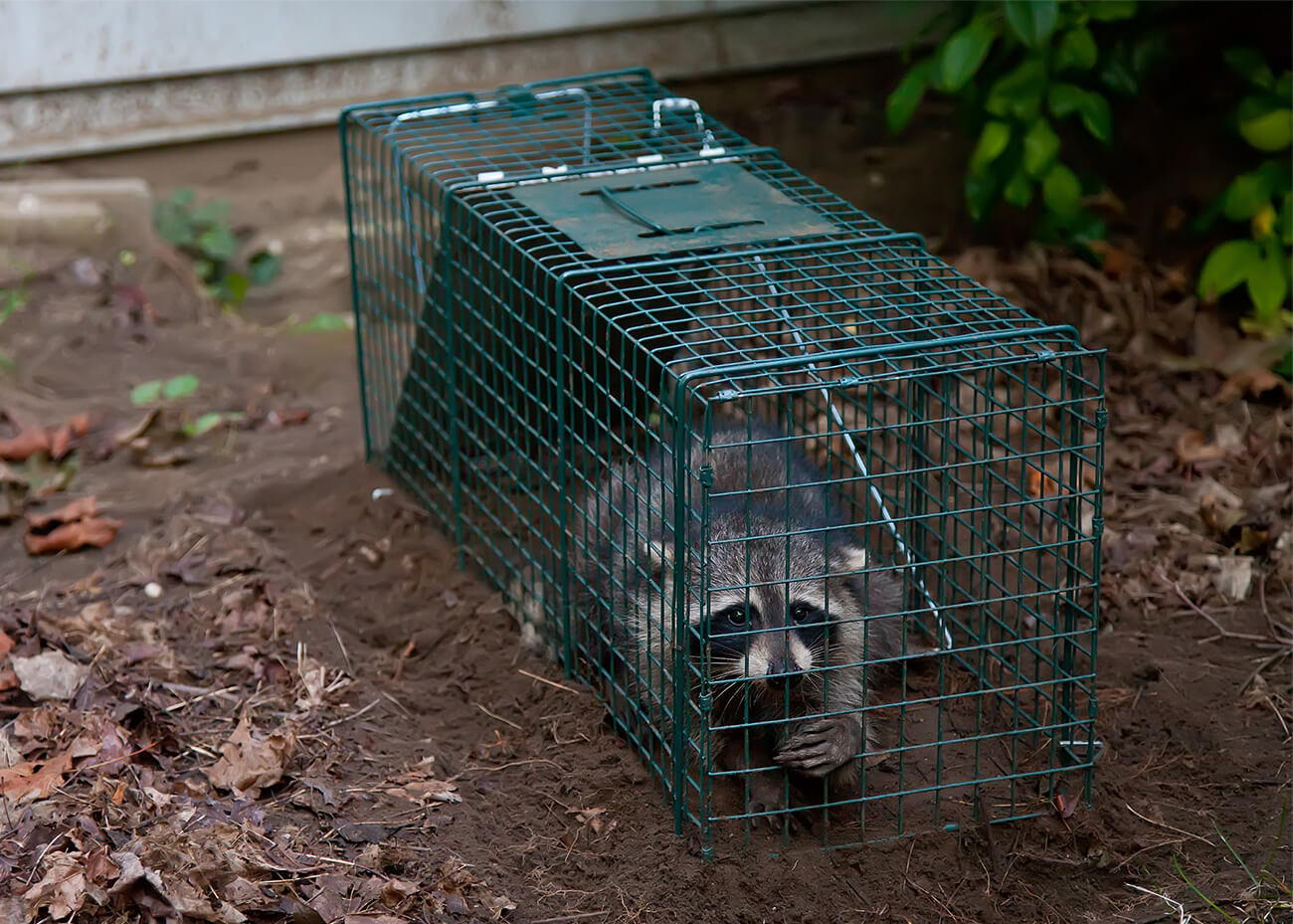
For fresh droppings, active wall or attic noise, gnaw damage, or a growing odor problem, call to discuss inspection availability.
Call an Emergency Home Rat Inspector: (818) 493-1043Professional home rat removal usually includes a full inspection, humane trapping or targeted removal, cleanup of contaminated areas when needed, and proofing to seal access points. That combination matters because it helps address both the active infestation and the structural conditions that let it start.
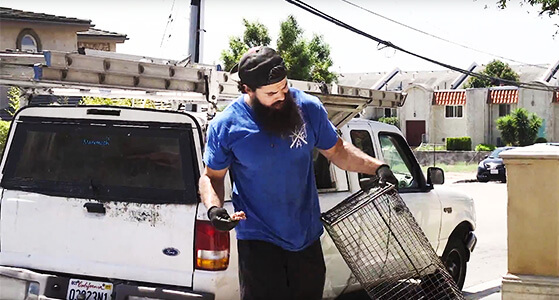
Fresh droppings, scratching noises at night, greasy rub marks along baseboards, gnawed packaging, urine-like odor, and shredded nesting material are all common signs of active rats indoors. Activity in attics, crawlspaces, garages, and wall voids is especially important because those areas can hide a bigger infestation than the living space shows at first.
A professional is usually the better choice when the activity is persistent, the rats are in hidden parts of the structure, a dead rat may be trapped in a wall or attic, or contamination has spread into insulation or stored items. The job also gets more urgent if the infestation may involve wiring damage, repeated indoor sightings, or areas where food is stored.
Rats outside are a warning sign. Rats inside the home are a property, sanitation, and prevention problem. Once they get into the structure, they can travel through attics, wall voids, crawlspaces, and garages in ways that make the infestation harder to control with simple baiting or occasional trapping alone.
These areas give rats cover, nesting material, and a path between the outdoors and the interior of the home. In attics, they can disturb insulation, leave droppings near vents, and move along framing. In walls and ceilings, they can be heard without being easy to reach. In garages and crawlspaces, clutter and utility penetrations often create easy travel routes.
The problem is not only seeing a rat. It is what the infestation leaves behind. The CDC recommends avoiding dry sweeping or vacuuming rodent droppings because that can spread contaminated particles into the air. Rats can also chew wiring, damage stored materials, and leave odor in enclosed spaces that lingers after the animals are gone.
If the activity is hidden inside the structure, call to discuss inspection, removal, cleanup, and proofing before the problem spreads further.
Call an Attic and Wall Rat Inspector: (818) 493-1043Many service pages talk about rat control without making the process clear. A better home rat removal service sets expectations from the beginning so the homeowner understands what happens next and why each step matters.
Find activity, entry points, nesting zones, visible damage, and the likely travel routes rats are using.
Use targeted trapping and removal methods suited to the affected parts of the home.
Address droppings, odor, nesting debris, or a dead animal when those conditions are part of the problem.
Reduce re-entry risk by addressing rooflines, vents, utility penetrations, crawlspace openings, and other vulnerable gaps.
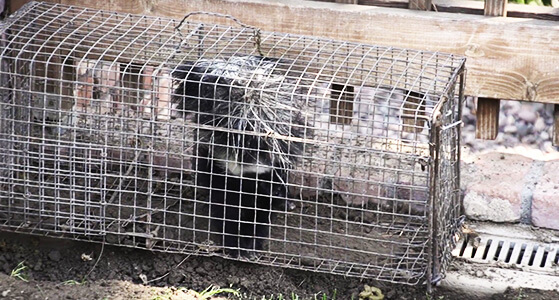
Once the inspection is complete, targeted removal can begin. Humane trapping is often a better fit than relying on poison alone because it gives the technician more control over where the rats are removed and reduces the chance of hidden carcasses inside the structure. The goal is not only to lower activity quickly, but to do it in a way that supports the rest of the solution.
If the infestation has left droppings, odor, nesting debris, or a dead animal in the home, cleanup becomes part of the real scope. That may include sanitation and deodorization, plus next-step services like decontamination and odor removal or attic clean and repair after rodent activity when insulation and enclosed spaces have been affected.
Proofing is what helps stop the cycle. The CDC recommends sealing holes and gaps as part of rodent prevention because removal without exclusion often leads to repeat activity.
Depending on the property, proofing may involve sealing openings near rooflines, vents, utility penetrations, crawlspace access points, and other vulnerable areas.
If rats keep returning, call to discuss the gaps, vents, roofline access, utility openings, and crawlspace entry points that may need attention.
Call a Home Rat Proofing Inspector: (818) 493-1043Poison may look like a shortcut, but it often creates new problems when a rat dies in a wall, attic, or crawlspace. Homeowners can end up dealing with odor, insects, contamination, and uncertainty about whether the infestation was actually solved. Poison also does nothing to close the holes that allowed the rats inside in the first place.
That is why a better service path is inspection first, targeted removal second, cleanup when necessary, and proofing after the active infestation is under control. If you are comparing options, this is one of the clearest differences between a temporary response and a more complete home rat removal plan.
| Situation | DIY may be enough | Professional help is usually better |
|---|---|---|
| Single outdoor sighting | Monitor the area, secure food sources, and check for openings. | Needed if the sightings become repeated or shift indoors. |
| Fresh droppings inside the home | Temporary cleanup steps may help, but caution is required. | Yes, especially if the source area is hidden or widespread. |
| Scratching in walls or attic | DIY traps may not reach the real nesting or travel path. | Yes, because inspection and access-point mapping matter. |
| Dead-rat odor in the structure | Usually difficult to solve without locating the source. | Yes, because removal and sanitation may be needed. |
| Repeat infestations | DIY rarely solves structural access issues on its own. | Yes, because proofing is often the missing step. |
There is no responsible one-price answer for every property. Home rat removal costs usually change based on how active the infestation is, how hard the affected areas are to access, and whether the job includes cleanup or proofing in addition to trapping.
| Cost factor | Why it affects the scope | What it can add to the job |
|---|---|---|
| Infestation size | More activity usually means more inspection time, more trapping, and more follow-up. | A larger and longer project. |
| Access difficulty | Attics, wall voids, crawlspaces, and rooflines can be labor-intensive to inspect and treat. | Higher labor complexity. |
| Contamination level | Droppings, odor, nesting material, and dead-rat removal may expand the job beyond removal alone. | Additional sanitation or deodorization work. |
| Proofing needs | Sealing multiple entry points or reinforcing vulnerable areas takes added material and labor. | Stronger long-term prevention. |
| Property layout | Single-family homes, rentals, HOAs, and commercial properties can each create different access and scheduling needs. | A more customized service plan. |
If you want a general reference point before booking, ACAT also publishes trapping price guidance. The most accurate next step is still a property-specific inspection.
Homeowners usually want more than a fast trap set. They want to know what is happening inside the house, what the job will likely involve, and what can be done to keep the problem from repeating. ACAT's home rat removal positioning is strongest when it leads with inspection, removal, cleanup support, and prevention as one connected service path.
That combination helps bridge the gap between needing the rats out now and not wanting to deal with the same problem again in a few weeks. If the property also needs broader rat service support, the related rat removal page gives homeowners another path into the service cluster.
Some infestations leave a much bigger aftermath than homeowners expect. When attic contamination, odor, or damaged areas are part of the problem, related services like attic clean and repair after rodent activity can matter just as much as the removal itself.
ACAT's site also includes a service areas page, which helps homeowners confirm whether the company serves their location before scheduling an inspection.
Fresh droppings, scratching sounds at night, greasy rub marks, gnaw damage, shredded nesting material, and strong musty or urine-like odor are some of the most common signs. If those signs are recent or getting worse, the infestation is usually active rather than old. Attics, wall voids, garages, and crawlspaces are often the first places to inspect.
The timeline depends on how many rats are active, how easy the affected areas are to access, and whether the job includes cleanup or proofing. Some homes can move quickly from inspection to removal and follow-up, while larger or more complex infestations take longer. The important point is that lasting results come from handling both the rats and the entry points.
A controlled, inspection-first approach is usually more helpful than relying on poison as the main answer. Poison can leave rats to die in hidden parts of the structure, which may create odor and cleanup issues without solving how the infestation started. Many homeowners prefer a plan centered on inspection, targeted removal, sanitation when needed, and proofing.
Cleanup may be part of the scope when rats have left droppings, urine, nesting debris, or odor behind. In more serious cases, the work may extend into attic cleanup, sanitation, or odor removal. That is why the inspection matters first because it helps define whether the job is only active removal or a larger recovery project for the affected area.
Sealing access points is one of the most important parts of long-term prevention. Removing the current rats helps in the short term, but proofing is what makes re-entry harder. Depending on the property, that may include work around rooflines, vents, utility penetrations, crawlspace entries, and other structural gaps that rats can exploit.
Make note of where you have heard sounds, seen droppings, noticed odor, or found gnaw damage. If possible, avoid disturbing droppings by sweeping or vacuuming them dry, since the CDC advises against that. Clearing light access to attics, garages, or crawlspaces can also make the inspection easier, but safety should come first.
If rats are already inside the house, waiting usually gives the problem more time to spread. Call to discuss where the activity is, what the removal plan should include, and whether cleanup or proofing is likely to be part of the job.
Call a Home Rat Inspector: (818) 493-1043