

Rat Removal in Santa Clarita That Solves the Source
If you need rat removal in Santa Clarita, the best long-term fix is not just catching one rat and hoping the noise stops. A stronger solution starts with a full inspection, removes active rats humanely, addresses contamination when needed, and seals the entry points that allowed the infestation to start in the first place.
Call a Santa Clarita Rat Inspector: (877) 724-5314Rat removal in Santa Clarita: what the service should include
Direct answer: Professional rat removal in Santa Clarita should include inspection, humane trapping, cleanup when contamination is present, and proofing that helps stop rats from coming back. If the service only addresses visible activity, the property can stay vulnerable to repeat infestations, hidden carcasses, odor, and ongoing damage.
- Inspect the property for active signs, nesting areas, access points, and scope.
- Remove active rats with a targeted plan matched to the layout of the structure.
- Address contamination when droppings, odor, nesting debris, or damaged insulation are part of the job.
- Seal and proof entry points so the same routes are harder to use again.
That process is what separates a short-term reduction in activity from a source-focused solution. Property owners comparing options can also use ACAT's broader rat removal service page to understand how the Santa Clarita page fits into the larger service cluster.
Homes, rentals, HOAs, and commercial properties can all develop rat problems
Rat activity is not limited to one kind of building. Single-family homes, rental properties, shared structures, restaurants, offices, warehouses, and other commercial spaces can all attract rodents when food, water, shelter, and structural access are available. The right treatment plan depends on where the rats are active, how they are entering, and what they have affected so far.
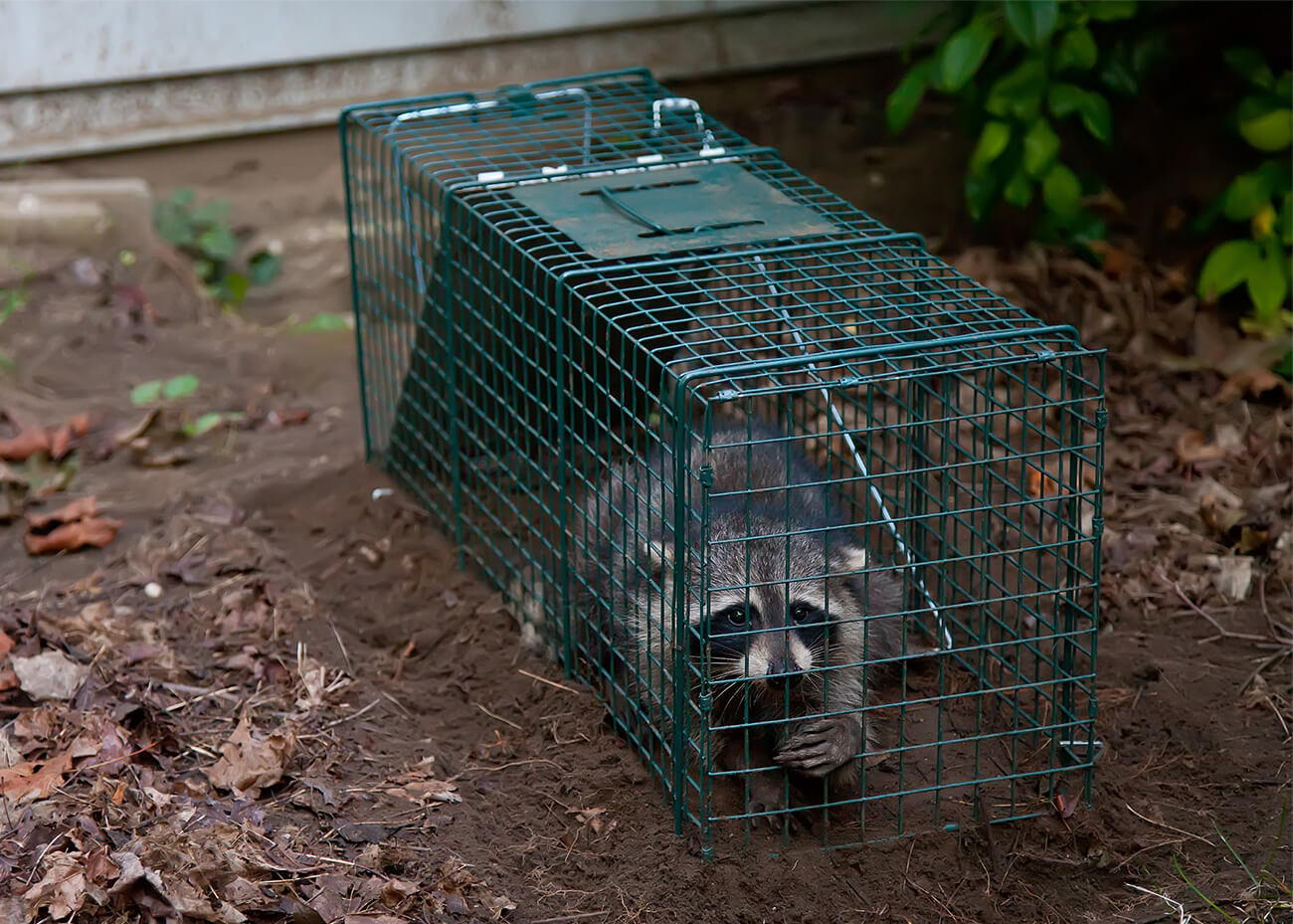
Need an Emergency Rat Inspector in Santa Clarita?
For fresh droppings, active attic or wall noise, gnaw damage, or a growing odor problem, call to discuss inspection availability.
Call an Emergency Rat Inspector: (877) 724-5314
Signs you may need professional rat removal now
Some infestations are obvious, but many start with subtle clues that grow worse over time. If you keep noticing the same warning signs instead of one isolated sighting, it usually makes sense to move from guessing to inspection.
Scratching, droppings, grease marks, and odor
Common signs include scratching in the attic or walls at night, fresh droppings near stored items or along travel routes, greasy rub marks on baseboards or framing, gnaw damage, shredded nesting material, and a strong musty or urine-like odor. In Santa Clarita properties, attics, garages, crawlspaces, and roof transitions are often where those signs show up first.
When wiring, insulation, or hidden spaces raise the risk
The problem gets more serious when rats have spread into wall voids, HVAC-adjacent areas, or insulation. At that point, the job may involve more than simple removal. It may also require cleanup, sanitation, odor control, or attic-focused follow-up such as attic clean and repair after rodent activity.
- Nighttime scratching or movement in attics and walls.
- Fresh droppings near stored items or travel routes.
- Greasy rub marks along baseboards or framing.
- Gnaw damage to materials, packaging, or wiring.
- Shredded nesting material and disturbed insulation.
- Strong musty, urine-like, or dead-rat odor.
Why rats keep coming back when entry points stay open
Trapping matters, but trapping alone does not always solve the source of the infestation. If the original access points stay open, new rats can use the same route back into the building after the first round of removal ends.
Rooflines, vents, utility gaps, and structural weak points
Common access routes include roof returns, attic vents, crawlspace gaps, worn exterior materials, utility penetrations, and other small openings that are easy to overlook. A proper inspection maps those weak spots instead of treating the infestation as a one-time event.
Why poison-only or trap-only approaches often fall short
Property owners often want the fastest possible fix, which is understandable. But poison-only or trap-only thinking can create new problems if rats die in inaccessible spaces or if the structure never gets sealed. The better goal is not just fewer rats this week. It is a property that is harder for rats to re-enter next month.
Need a Rat Proofing Inspector?
If rats keep returning, call to discuss roofline gaps, vents, crawlspace openings, utility penetrations, and other structural weak points.
Call a Rat Proofing Inspector: (877) 724-5314Our 4-step Santa Clarita rat removal process
-
Inspection and entry-point mapping
Confirm where rats are active, where they are nesting, how severe the problem appears to be, and how they are getting in.
-
Humane trapping and active removal
Match the removal plan to the structure and infestation level using a controlled, inspection-led approach.
-
Cleanup, sanitation, and odor support
Address droppings, urine contamination, nesting debris, dead-rat odor, or damaged insulation when those conditions are present.
-
Proofing and exclusion
Identify vulnerable gaps, recommend next fixes, and seal routes that supported the infestation.
What changes the cost of rat removal in Santa Clarita?
| Cost factor | Why it matters |
|---|---|
| Infestation size | More activity often means more inspection time, more removal work, and more follow-up. |
| Access difficulty | Attics, rooflines, crawlspaces, wall voids, and hard-to-reach areas can increase labor complexity. |
| Property type | Homes, rentals, HOAs, and commercial properties can each create different access and scheduling needs. |
| Cleanup needs | Droppings, odor, nesting debris, dead-rat issues, and contaminated insulation can expand the project beyond removal alone. |
| Proofing scope | The number and size of entry points affects the amount of sealing and exclusion work needed. |
DIY vs. professional rat removal
| Situation | DIY may help | Professional help is usually better |
|---|---|---|
| Single outdoor sighting | Secure food sources and monitor the area. | Needed if sightings become repeated or move indoors. |
| Fresh droppings inside the structure | Basic caution and cleanup awareness may help at first. | Yes, especially when the source area is hidden or widespread. |
| Scratching in walls or attic | DIY traps may not reach the real nesting or travel path. | Yes, because inspection and access-point mapping matter. |
| Dead-rat odor | Usually difficult to solve without locating the source. | Yes, because removal and sanitation may be needed. |
| Repeat infestations | DIY rarely solves structural access issues on its own. | Yes, because proofing is often the missing step. |
Cleanup, odor, and attic contamination
According to the CDC's rodent cleanup guidance, droppings and nesting materials should be disinfected before removal, and dry sweeping or vacuuming should be avoided because that can spread contaminated particles into the air.
If the problem has spread into insulation or attic materials, the natural internal next step may be attic clean and repair after rodent activity in addition to removal and odor support.
Seal holes and gaps after removal
The CDC also recommends sealing holes and gaps as part of rodent prevention. Proofing should be matched to the actual openings found during inspection rather than treated like a generic add-on.
If droppings, urine contamination, nesting debris, or dead-rat odor are present, decontamination and odor removal can also become an important next-step service.
Need Rat Cleanup or Odor Support?
If the infestation has left droppings, nesting debris, odor, or contaminated insulation, call to discuss cleanup and removal needs together.
Call a Rat Cleanup Inspector: (877) 724-5314Key Takeaways
- Rat removal in Santa Clarita works best when inspection, removal, cleanup, and proofing are handled as one connected process.
- Trapping alone may reduce activity, but unsealed entry points can allow the same problem to return.
- Droppings, odor, nesting debris, and damaged insulation can expand the job beyond basic removal.
- Price depends on infestation size, access difficulty, property type, cleanup scope, and proofing needs.
- The clearest next step is a real inspection that matches the service plan to the structure.
Frequently asked questions about rat removal in Santa Clarita
How long does rat removal usually take?
The timeline depends on how active the infestation is, how easy the affected areas are to access, and whether the job also includes cleanup or proofing.
Do you only remove rats, or do you seal the holes too?
A complete plan should do both. Removing active rats without sealing the openings they used can leave the structure vulnerable to repeat activity.
Can cleanup and odor control be part of the job?
Yes, when the property has droppings, nesting debris, urine odor, contaminated insulation, or dead-rat issues.
What affects the price the most?
The biggest variables are infestation size, access difficulty, property type, contamination level, and how much proofing is required.
Do you work on attic and wall infestations?
Yes, those are some of the most common areas where rats stay hidden. Attics, wall voids, garages, and crawlspaces often require a more detailed inspection.
What should I do before the inspection?
Make note of where you have heard sounds, seen droppings, noticed odor, or found gnaw damage, and avoid disturbing heavy contamination without proper precautions.
Request a Santa Clarita Rat Inspection
Move from guessing to a real plan for removal, cleanup, and proofing.
Call a Santa Clarita Rat Inspector: (877) 724-5314