Small Job
This is a simple job in a small house with minor issues. It includes the initial inspection/report ($225).
Rats may be small, but the damage they cause inside homes and businesses is anything but minor. At All City Animal Trapping, we’ve seen just how destructive and costly a rat infestation can become if left untreated. From structural issues to health risks, these pests can turn your safe space into a serious hazard.
Rats are constant chewers. Their teeth never stop growing, so they gnaw on wood, drywall, and even concrete to keep them trimmed down. Over time, this leads to:
Weakened walls and floors from chewing and tunneling
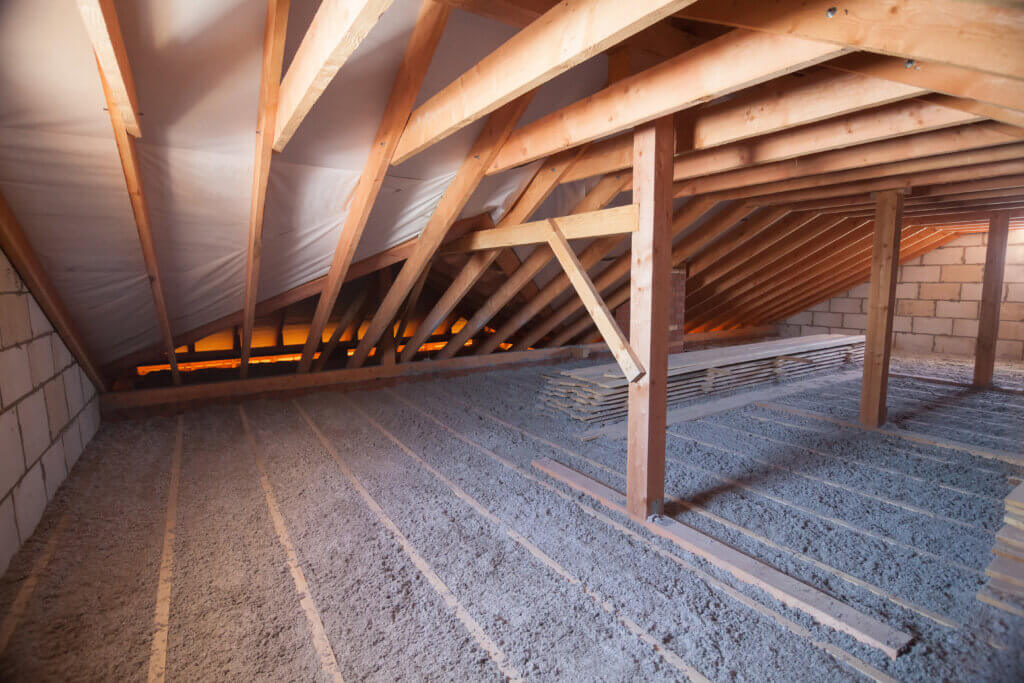
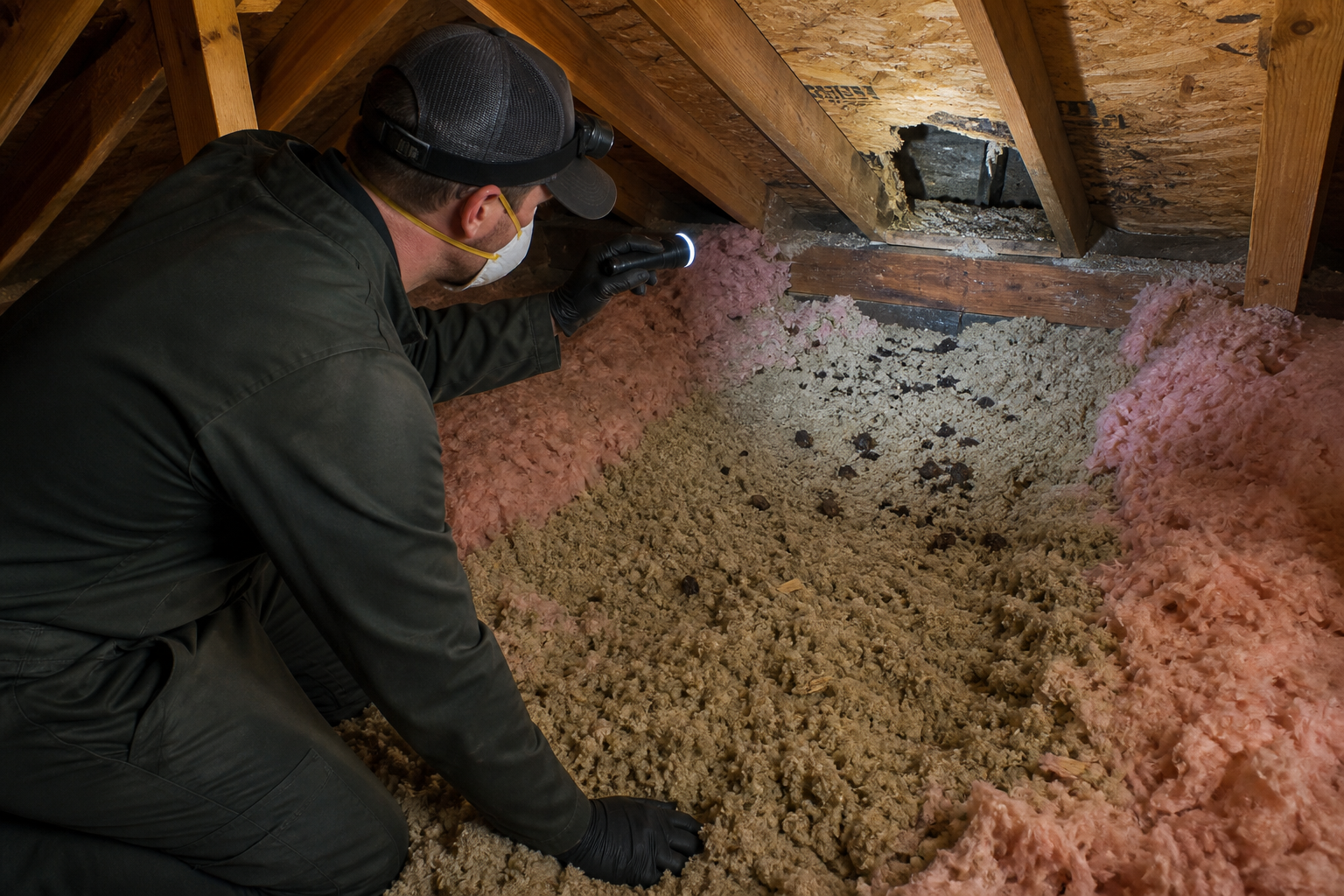
Destroyed insulation, which rats shred for nesting, leaving your home less energy efficient and increasing utility costs
Perhaps the most dangerous problem is their tendency to chew through wiring. Exposed wires can spark fires, damage appliances, or shut down power to parts of your home—all of which can lead to expensive repairs.
Rats leave droppings, urine, and fur wherever they travel. This contamination introduces harmful bacteria and can spread diseases that put your family and pets at risk.
While searching for water or new nesting areas, rats may damage pipes or ducts. Even small leaks can create water damage, mold growth, and foundation problems over time.
Stored belongings aren’t safe either. Rats chew through boxes, furniture, and fabric, leaving behind contaminated and destroyed items in attics, basements, and crawl spaces.
Outdoors, rats dig through soil, burrow under foundations, and chew through vegetation. They’re opportunistic feeders and will quickly tear into gardens, garbage bins, and compost piles.
At All City Animal Trapping, we don’t just remove rats—we eliminate the problem and prevent it from coming back. Here’s how we do it:
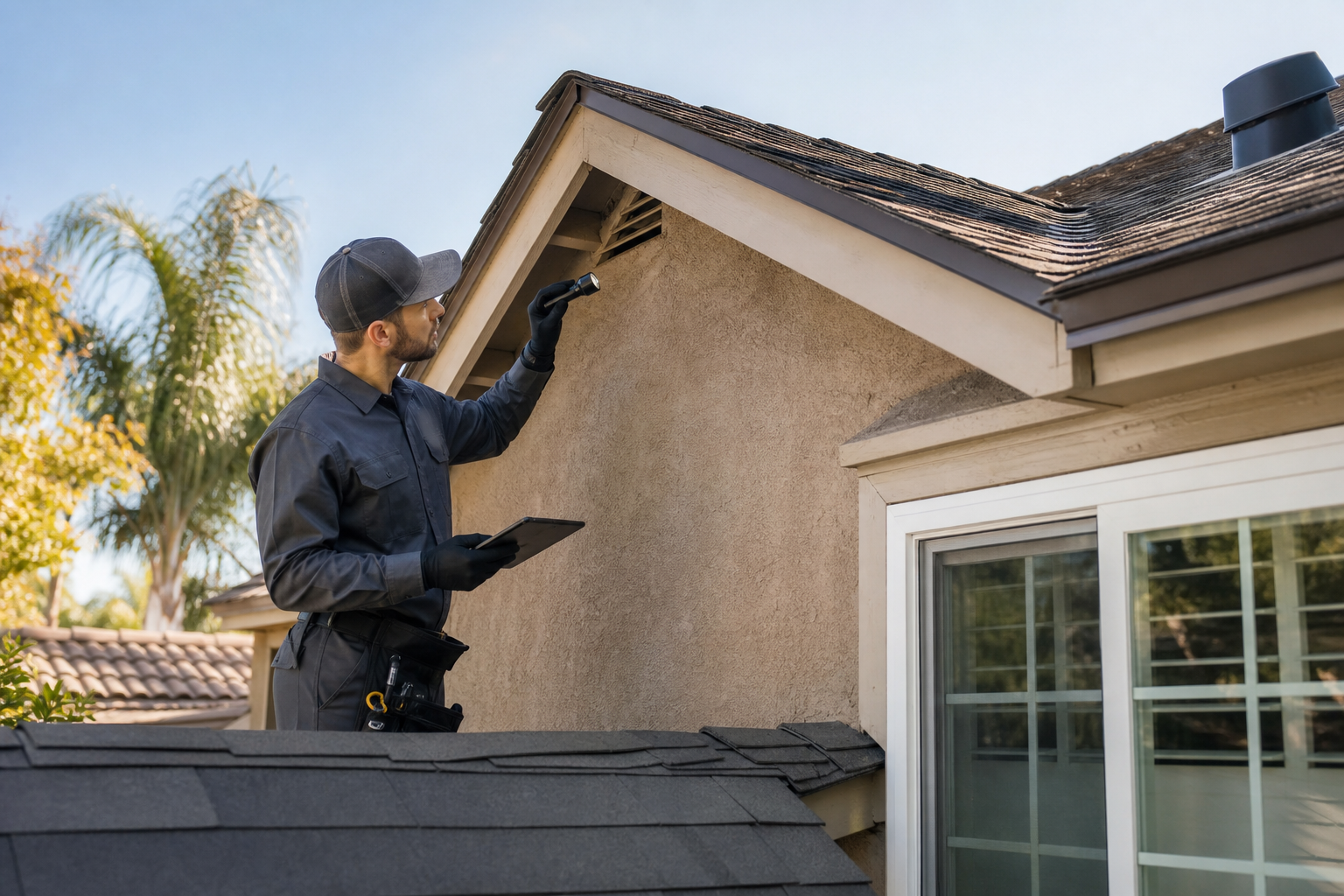
We start with a full property assessment to:
Identify entry points
Locate nesting sites and areas of activity
Determine the scale of the infestation
From there, we design a customized action plan for your situation.
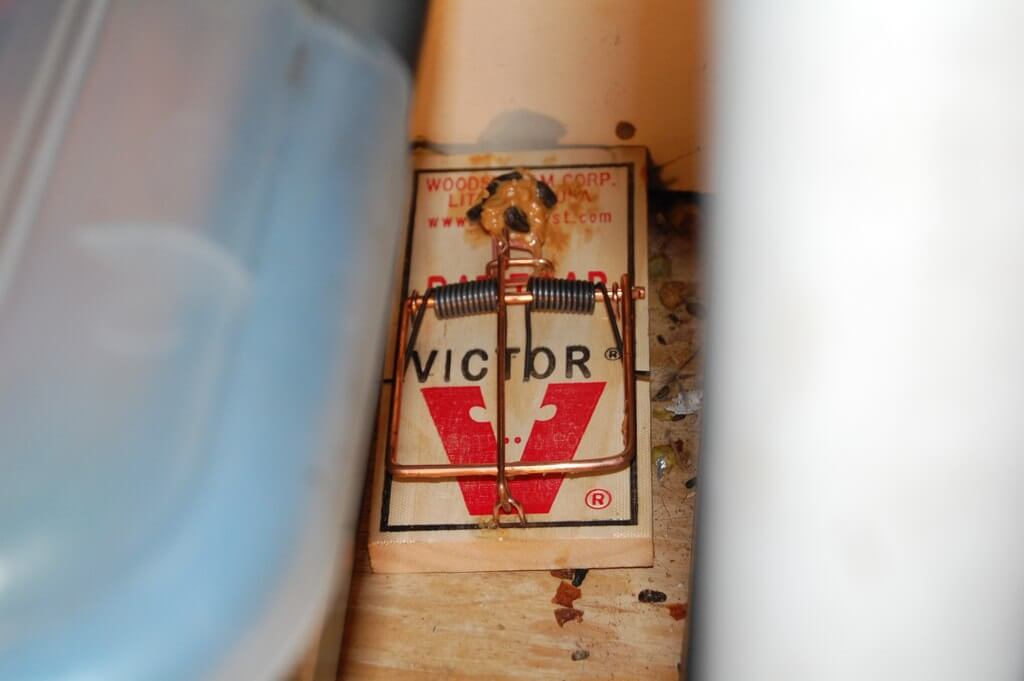
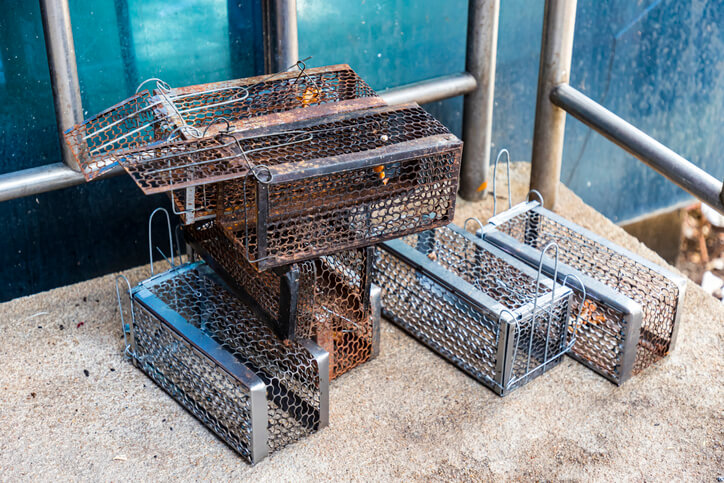
We use advanced, humane traps designed to minimize stress and harm. Traps are placed strategically in high-activity zones, then checked regularly for fast and effective removal.
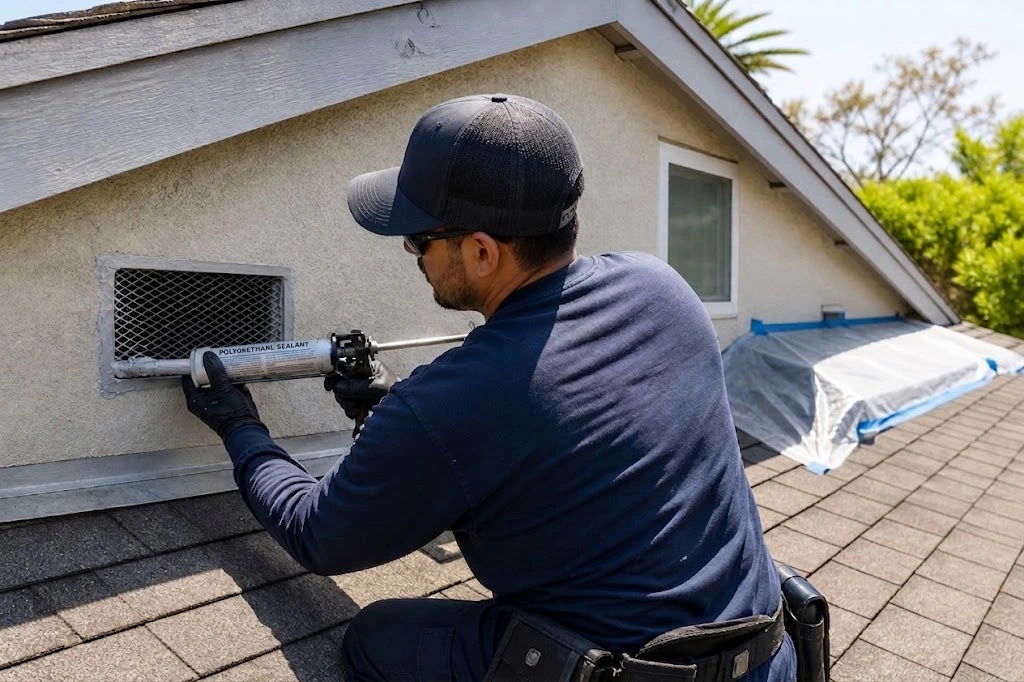
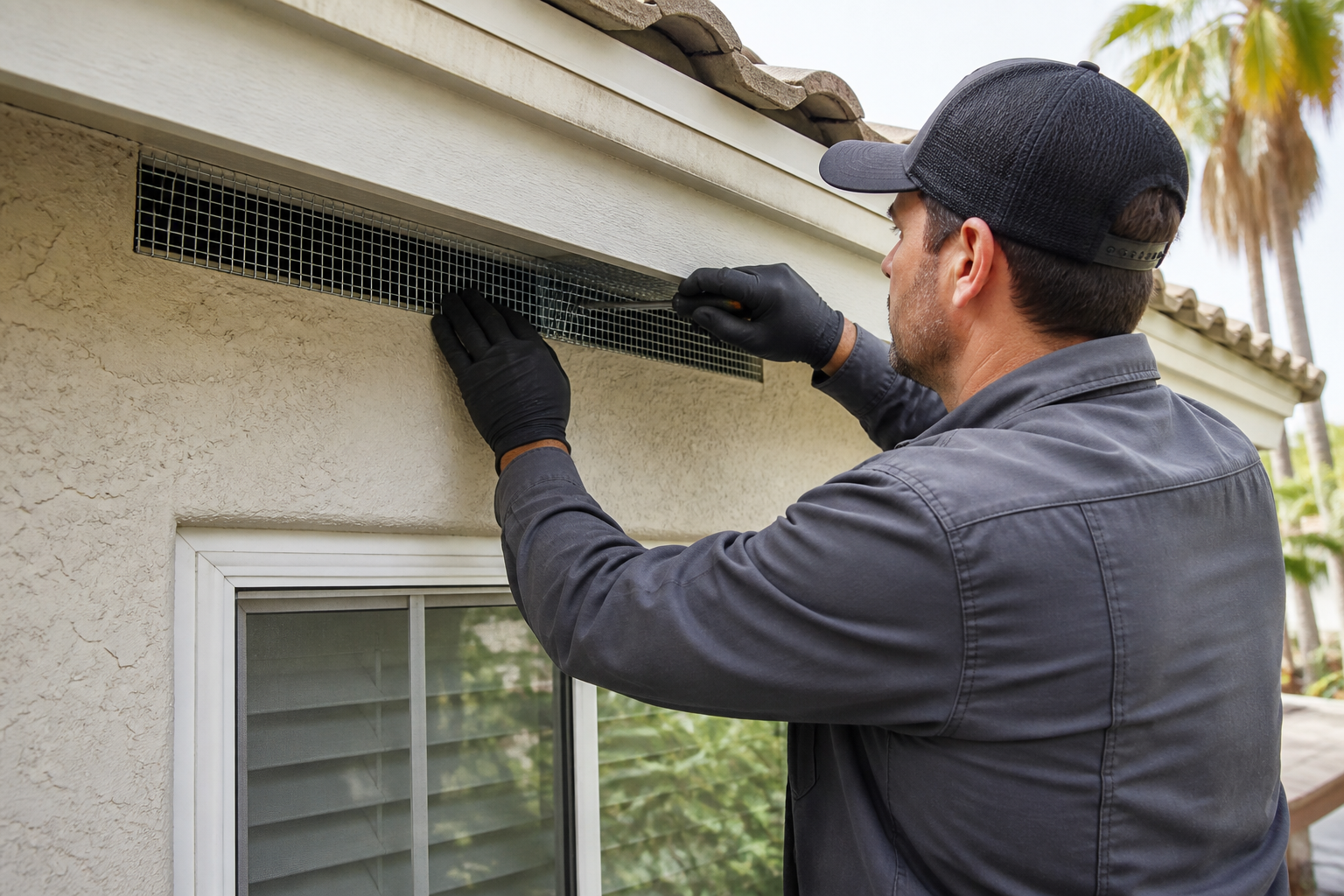
Our trained professionals handle removal carefully and responsibly. To stop future infestations, we seal all identified entry points using durable materials that blend seamlessly with your home.
Once the rats are gone, we restore your property by:
Sealing entry holes, cracks, and gaps
Replacing chewed insulation and repairing structural damage
Fixing electrical issues caused by gnawed wiring
Sanitizing contaminated areas to eliminate health risks
We help keep your property rat-free with:
Rat-proof barriers around vulnerable spots
Advice on proper food and waste storage
Follow-up visits to confirm that prevention methods are working
Small Job: $500 or less
This is a simple job in a small house with minor issues. It includes the initial inspection/report ($225).

Medium Job: $500–$1,000
This job involves a larger home or moderate infestation. It may include multiple traps, several visits, more repair work, and a more thorough cleanup.
Large Job: $1,000+
Extensive jobs that require significant cleanup, multiple service visits, and substantial repairs to the property. Typically for severe infestations or large buildings.
Return Service Call: $100 per visit
Proven Expertise – Decades of hands-on experience handling rat infestations
Humane Methods – Safe, ethical trapping and removal techniques
Full-Service Approach – Inspection, removal, repairs, prevention, and cleanup
Fast Response – We act quickly before the damage spreads
Fair Pricing – Transparent rates and free consultations
Local Knowledge – We understand the unique challenges in Southern California
Satisfied Clients – Our reputation is built on results and customer trust
Two species are most common in North American homes:
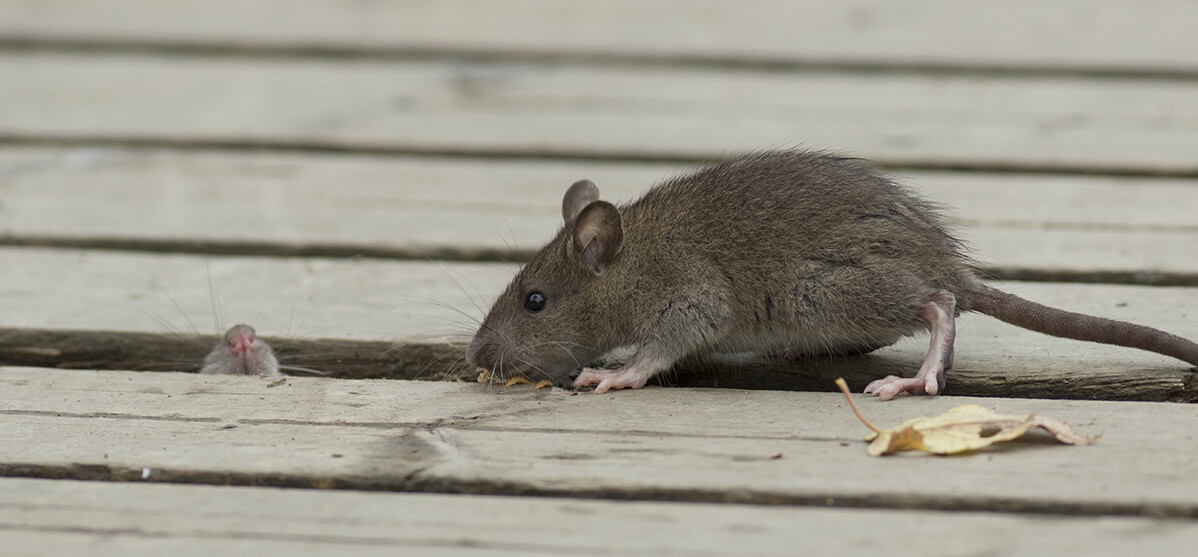
Roof Rats (Black Rats): Skilled climbers that live in attics, roofs, trees, and walls. They’re usually darker in color with tails longer than their bodies.
Norway Rats (Brown Rats): Larger than roof rats, they prefer basements, sewers, and burrows. Their tails are shorter than their bodies, and they’re less agile climbers.
Quick identifiers: Oversized heads, long feet, larger gnaw marks than mice, and greasy streaks along walls where they travel.
Rats aren’t picky. They eat whatever they can find, including:
Pet food and bird seed
Garbage and scraps
Fallen fruit from trees and gardens
Even dead animals if the opportunity arises
Living near people provides endless opportunities for rats to thrive.
Droppings in attics, crawl spaces, or along baseboards
Gnaw marks on wood, wires, and pipes
Scratching or scurrying noises at night
Dirt or grease smudges along walls and floorboards
Outdoor “rat runs” (worn paths in grass or vegetation)
If you see even one rat in plain sight, chances are the nest is already overflowing.
Rats can transmit dangerous diseases through bites, scratches, urine, droppings, and contaminated food. Some of the most concerning include:
Hantavirus Pulmonary Syndrome – Spread through droppings and urine; potentially fatal if inhaled
Leptospirosis – Causes high fever, muscle pain, and can progress to liver or kidney damage
Rat-Bite Fever – Spread by bites or contaminated food; can cause fever, rash, and joint pain
Salmonella – Foodborne illness leading to diarrhea, vomiting, and abdominal pain
Eosinophilic Meningitis – Rare but serious parasite infection linked to rat contact
We implement preventive strategies to make your property less attractive to rats, such as:
Our team provides follow-up visits to ensure that the measures are effective and that your property remains rat-free. We are always available for additional support and advice.
Rats won’t leave on their own, and the longer they’re inside, the worse the damage becomes. Protect your home and your health by calling All City Animal Trapping today. We’ll provide a free consultation and a customized plan to make your property rat-free—and keep it that way.
The most effective approach combines professional intervention with environmental control. A licensed technician will deploy strategic kill traps in high-activity zones, while you eliminate the conditions that attract rats in the first place — removing accessible food sources, clearing clutter and debris, and sealing any gaps that provide shelter.
Costs vary widely depending on the severity of the problem. A single rat can run $225–$325 to remove, while a full infestation can run into the thousands. Several factors affect the final price.
In most cases, yes — especially for anything beyond a single rodent. DIY traps can handle an early-stage problem, but a professional brings the expertise to locate all entry points, assess the full scope of the infestation, and implement a plan that actually keeps rats out long-term.
Rats are naturally nocturnal and prefer to stay hidden during daylight hours. Seeing rats out in the open during the day is typically a warning sign — it usually means the infestation has grown large enough that competition for resources is forcing some rats out of hiding, or that the population is severely food-deprived.
Effective baiting is all about making the trap the easiest option available. Use high-value bait like peanut butter, chocolate, or nesting materials work well.
Beyond commercial rodenticides, several common foods are naturally toxic to rats. Raw or dried beans, unripe potatoes, avocado skin, chocolate and caffeine. Using food-based toxins around a home with children or pets carries real risk. A licensed professional can recommend and apply rodenticides safely and legally.
Rats have a strong sense of smell and are repelled by several scents such as peppermint oil, ammonia, mothballs, scents of natural predators, particularly cats.
Yes. Rats are bold when they feel safe, and a motionless, sleeping person is not a threat in their eyes. While rare, rats have been documented climbing on or biting sleeping humans — particularly when food residue (crumbs, scent of food) is present on hands or near the face.
If you have scratching in the attic, droppings in the garage, or a strong odor behind the walls, fast rat removal matters. The strongest long-term approach combines inspection, humane removal, cleanup, repair, and proofing.
Call (877) 724-5314Southern California Rat Removal
Direct answer: Professional rat removal should include a full inspection, humane trapping or active removal, cleanup of contaminated areas when needed, property repair, and proofing work to help stop repeat infestations. If the job ends with traps alone, the underlying access problem can remain.
All City Animal Trapping helps homeowners, landlords, HOAs, and businesses across Southern California solve rat problems at the source. A complete plan should identify where rats are traveling, remove the active infestation, address contamination and damage, and close vulnerable entry points.
For related support, review ACAT's animal removal services and decontamination and odor removal.
Call (877) 724-5314
Warning signs
Some infestations are obvious, but many start with small clues. You may hear scratching in the attic at night, notice droppings along walls, spot grease marks near travel paths, or smell a musty odor in a crawlspace, garage, or wall cavity.
Rats may chew wires, damage stored belongings, contaminate insulation, and spread waste through hidden areas of the home or building. The CDC's rodent cleanup guidance recommends careful cleanup practices for rodent waste.
A bait-only approach may not explain where rats are entering, how long activity has been happening, or whether contamination and odor are building in hidden spaces. Strong rat proofing and cleanup matter just as much as active removal.
Property damage
Rat infestations can affect much more than one nesting area. The sections below explain the most common types of damage homeowners may face.
Rats are constant chewers. Their teeth never stop growing, so they gnaw on wood, drywall, and even concrete to keep them trimmed down. Over time, this leads to:
Perhaps the most dangerous problem is their tendency to chew through wiring. Exposed wires can spark fires, damage appliances, or shut down power to parts of your home, all of which can lead to expensive repairs.
Rats leave droppings, urine, and fur wherever they travel. This contamination introduces harmful bacteria and can spread diseases that put your family and pets at risk.
While searching for water or new nesting areas, rats may damage pipes or ducts. Even small leaks can create water damage, mold growth, and foundation problems over time.
Stored belongings are not safe either. Rats chew through boxes, furniture, and fabric, leaving behind contaminated and destroyed items in attics, basements, and crawl spaces.
Outdoors, rats dig through soil, burrow under foundations, and chew through vegetation. They are opportunistic feeders and will quickly tear into gardens, garbage bins, and compost piles.
Our process
At All City Animal Trapping, we do not just remove rats, we eliminate the problem and prevent it from coming back. Here is how we do it:
Call (877) 724-5314
We start with a full property assessment to:
From there, we design a customized action plan for your situation.
We use advanced, humane traps designed to minimize stress and harm. Traps are placed strategically in high-activity zones, then checked regularly for fast and effective removal.
Our trained professionals handle removal carefully and responsibly. To stop future infestations, we seal all identified entry points using durable materials that blend seamlessly with your home.
Once the rats are gone, we restore your property by:
We help keep your property rat-free with:
Long-term prevention
Proofing turns a short-term fix into a longer-term solution. If access points are left open, another infestation can begin even after the first one is cleared.
Sealing likely openings, improving exclusion details, and giving property owners practical prevention guidance helps protect the work already done.
Transparent service ranges
Pricing depends on the size of the infestation, access conditions, cleanup needs, and repair scope. These service ranges help explain what may be involved.
This is a simple job in a small house with minor issues. It includes the initial inspection/report ($225).
This job involves a larger home or moderate infestation. It may include multiple traps, several visits, more repair work, and a more thorough cleanup.
Extensive jobs that require significant cleanup, multiple service visits, and substantial repairs to the property. Typically for severe infestations or large buildings.
For a property-specific quote, call (877) 724-5314. You can also review ACAT's pricing guidance.
Service coverage
ACAT supports homeowners, landlords, HOAs, and businesses across Los Angeles County, Orange County, Riverside County, and San Bernardino County.
Attics offer warmth, shelter, and hidden travel routes. When rats settle in insulation, the property may also need cleanup, odor control, and proofing.
Garages, crawlspaces, utility lines, and wall voids can become travel paths or nesting zones. A methodical inspection helps avoid guesswork.
Some calls are cleanup-focused. The right plan may combine removal, sanitation, and odor-control work so the property feels usable again.
Why choose ACAT
Summary
FAQ
The timeline depends on how active the infestation is, where the rats are nesting, and whether the job also includes cleanup or proofing. Some problems are straightforward, while others need follow-up visits.
Often, yes. If rats have been active in insulation, attic spaces, garages, crawlspaces, or wall-adjacent areas, droppings, urine, nesting debris, or odor may still need attention after removal.
Rat removal focuses on the active infestation. Rat proofing focuses on prevention by sealing openings and vulnerable areas that allowed the infestation to start.
Yes. ACAT offers decontamination and odor-removal services that support wildlife and rodent jobs.
The signs can overlap. A proper inspection can help determine which rodent is active and whether the issue is isolated or broader. ACAT also provides a mice removal service.
Yes. ACAT serves residential and commercial properties, including homes, rentals, HOAs, and businesses.
Call (877) 724-5314 to request a property-specific quote based on the activity found, cleanup needs, and exclusion scope.
If you are dealing with scratching in the attic, droppings in the garage, chewed materials, or a lingering odor, call All City Animal Trapping to discuss the next step.
Call (877) 724-5314Based on over 2000 reviews