

If you have scratching in the walls, droppings in the pantry, or a strong smell in the attic, fast mice removal matters. The most effective solution is not just setting a few traps. It is a full plan that combines inspection, humane removal, cleanup, and proofing.
Call a Mice Removal Inspector: (877) 724-5314Southern California Mice Removal
Direct answer: Professional mice removal should include inspection, humane trapping, contamination review, entry-point sealing, and prevention guidance. If the job ends after the first visible mouse is caught, the nesting areas, droppings, and access points may still be in place.
Mice can contaminate stored food, chew wiring, nest in insulation, and keep coming back when the opening they used is never sealed.
All City Animal Trapping (ACAT) presents itself as a licensed, insured, humane wildlife control company serving homes and businesses across Los Angeles, Orange, Riverside, and San Bernardino Counties. This page explains what professional mouse removal should include, what changes the scope of the job, and what to do next if you need help now.
If you want help now, request a free quote from ACAT or call (877) 724-5314 to take the next step.
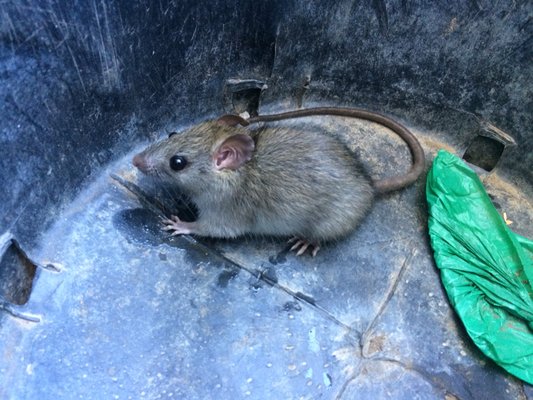
For active scratching, fresh droppings, food contamination, or a strong odor inside the property, call to discuss inspection availability.
Call an Emergency Mice Inspector: (877) 724-5314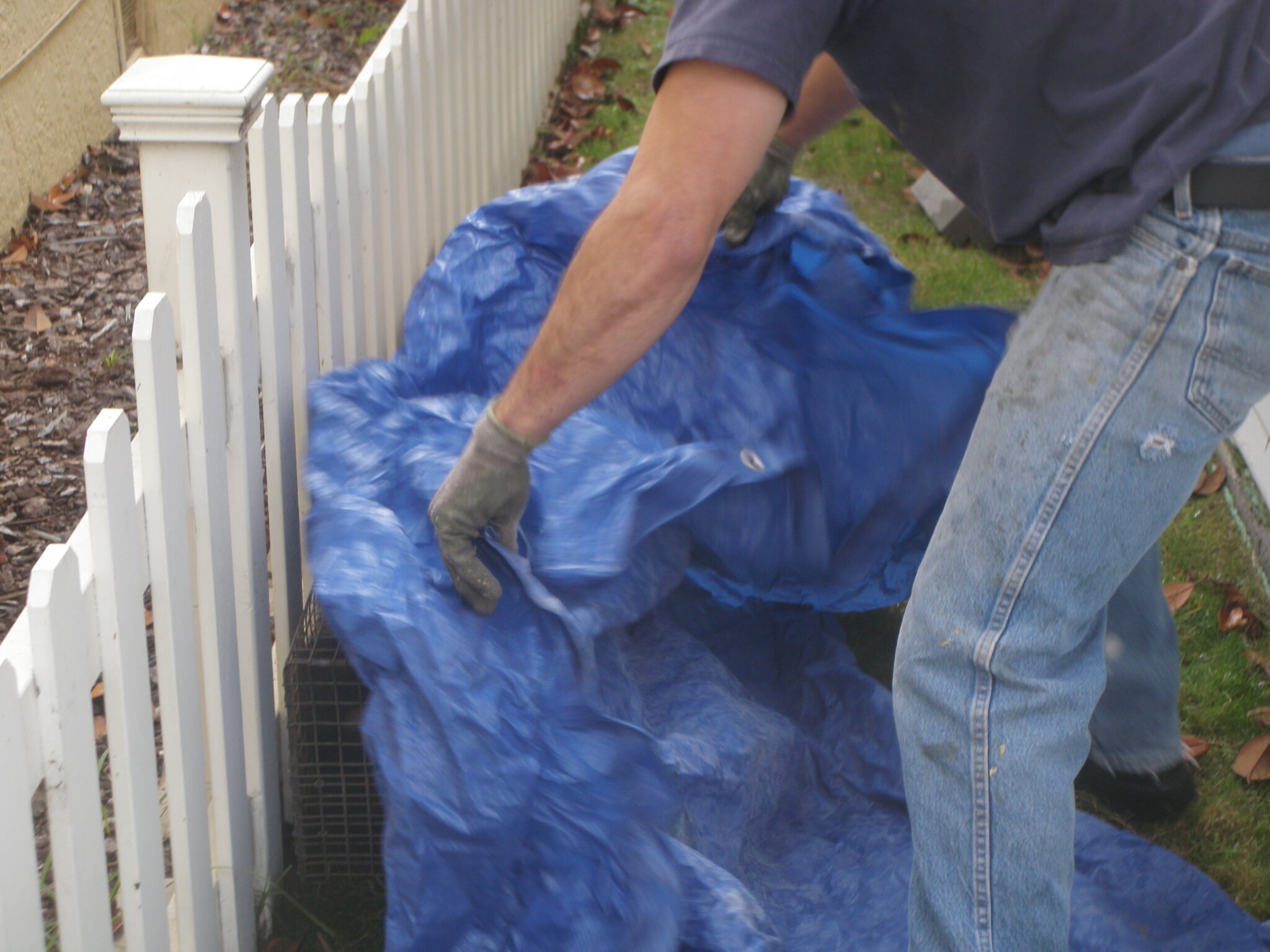
Warning Signs
Mouse infestations often start with small clues. You may hear scratching in the walls or attic at night, notice droppings in the kitchen, garage, or pantry, or smell a stale odor in hidden areas. Some customers first notice the problem when food packaging is chewed, stored items are damaged, or insulation starts showing nesting activity. These are all signs that mice are not just passing through.
Mice commonly hide in attics, wall voids, garages, crawlspaces, kitchens, and utility-adjacent spaces where they can move unseen. They can also create serious property issues by chewing wiring and nesting in insulation.
When rodent droppings or nesting materials are present, cleanup should be handled carefully. The CDC's guidance on cleaning up after rodents explains why contaminated areas should not be treated casually.
What a Complete Service Should Do
Identify mouse activity, nesting areas, and the most likely entry points.
Use a targeted, humane plan based on the property type and severity of the infestation.
Review droppings, nesting debris, odor, and contaminated insulation.
Close the openings so new mice are less likely to use the same routes.
Reduce the chance of repeat infestations after the active problem is under control.
Same-day scheduling depends on location, technician availability, and the scope of the mouse problem.
Call for Same-Day Mice Inspector Availability: (877) 724-5314Why Temporary Fixes Fail
DIY traps may catch a few mice, but they do not explain how the mice got in or whether more activity is building behind the scenes. If the original opening stays open, another wave of mice can use the same route.
Poison-only approaches can also create new problems when animals die in wall voids, attics, or inaccessible spaces. A better approach is to remove the active infestation, inspect the affected areas, and connect the job to related services like decontamination and odor removal when sanitation becomes part of the scope.
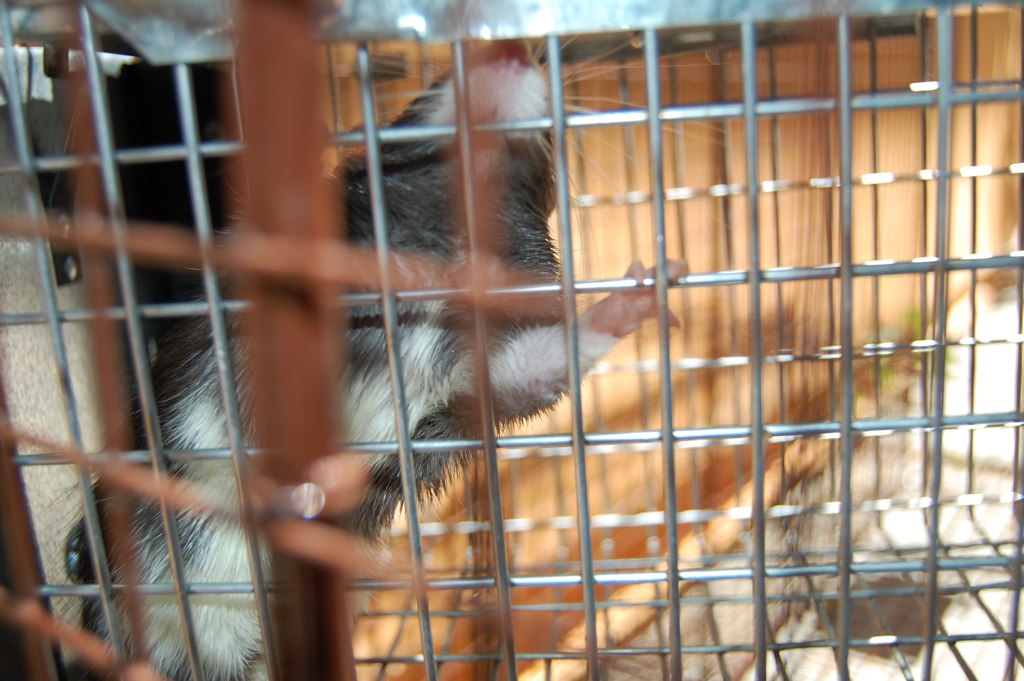
How ACAT Handles the Job
Every strong mice-removal plan starts with a full inspection. The goal is to find where the mice are active, where they may be nesting, and how they are getting inside.
Once the inspection is complete, the next step is active removal. ACAT's service positioning emphasizes humane removal and a practical solution tied to the actual property.
Professional proofing focuses on the gaps, seams, vents, and penetrations that let mice re-enter.
When droppings, nesting debris, or insulation contamination are part of the problem, the plan may include sanitation, odor control, and recommendations for restoring affected areas.
Follow-up prevention helps protect the work already done by making the property less attractive to mice going forward.
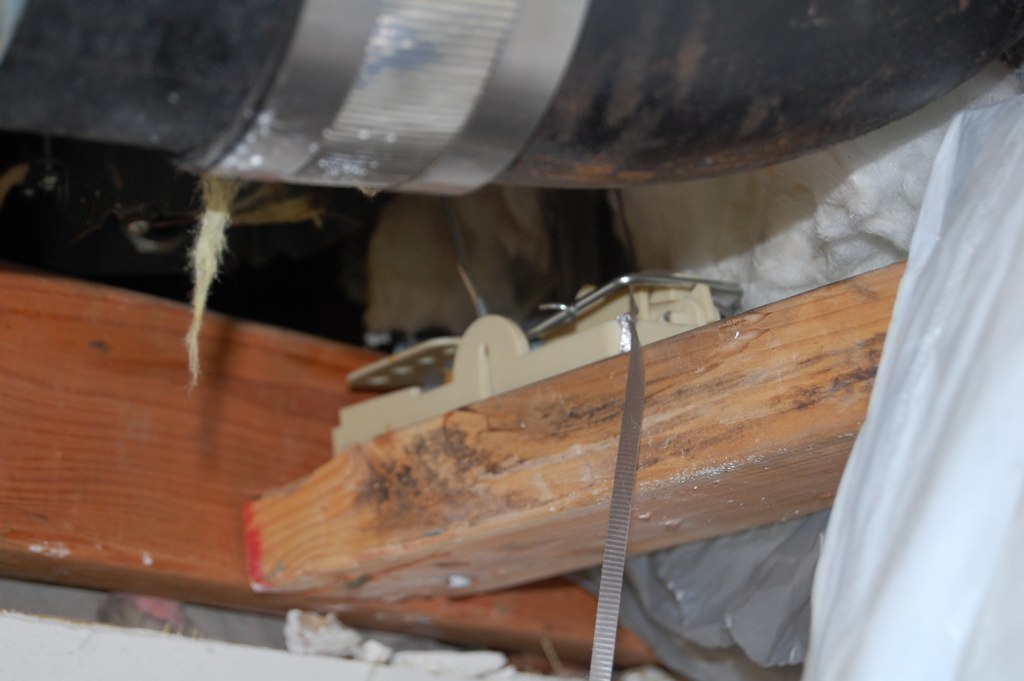
If mice keep returning, call to discuss entry-point sealing, attic or crawlspace access, and the next prevention step.
Call a Mouse Proofing Inspector: (877) 724-5314Pricing Factors
The scope of professional mice removal changes based on how much activity is present, how difficult the structure is to inspect, whether cleanup is needed, and how much proofing must be completed after the active infestation is addressed.
| Cost factor | Why it matters | What it can change |
|---|---|---|
| Infestation size | More activity often means more inspection time, trap placement, and follow-up work. | Labor, visit count, and total removal effort |
| Access difficulty | Wall voids, attics, crawlspaces, and tight structural gaps take different levels of effort to inspect and treat. | Time on site and complexity of the plan |
| Property type | Homes, rentals, HOAs, and commercial properties each bring different access, documentation, and scheduling needs. | Project coordination and scope |
| Cleanup needs | Droppings, odor, nesting debris, and contaminated insulation can add sanitation or restoration work. | Materials, disposal, and protective procedures |
| Proofing scope | More openings, vents, and vulnerable areas mean more exclusion work after the active infestation is addressed. | Repair materials and total project size |
For active mice inside walls, attics, garages, crawlspaces, kitchens, or utility spaces, call to discuss the next inspection and removal step.
Call an Emergency Animal Trapper: (877) 724-5314Summary
FAQ
The timeline depends on how active the infestation is, where the mice are nesting, and whether the job also includes cleanup or proofing.
Based on the live site, ACAT emphasizes humane removal rather than leading with poison-based language. A more complete solution is inspection, active removal, cleanup when needed, and proofing that helps prevent re-entry.
The live mice-removal page describes exclusion and repairs as part of the overall process, which supports combining removal with sealing and practical prevention guidance.
Call (877) 724-5314 or use ACAT's contact page to request a quote.
If you are hearing scratching, finding droppings, noticing stale odor, or seeing signs of mice in your attic, walls, garage, or crawlspace, call to discuss the property and next step.
Call a Mice Removal Inspector: (877) 724-5314