For this keyword, the strongest conversion angle is a practical, step-by-step explanation. Homeowners want to know what happens after they call and how the work moves from animal evidence to a cleaner, repaired attic.
1. Identify the source of the damage
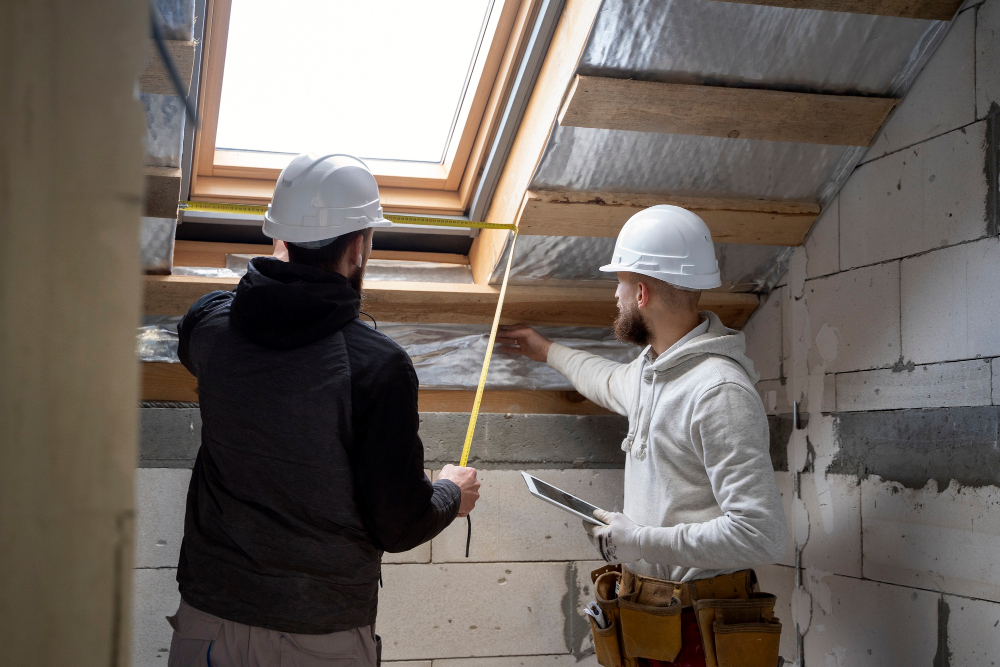
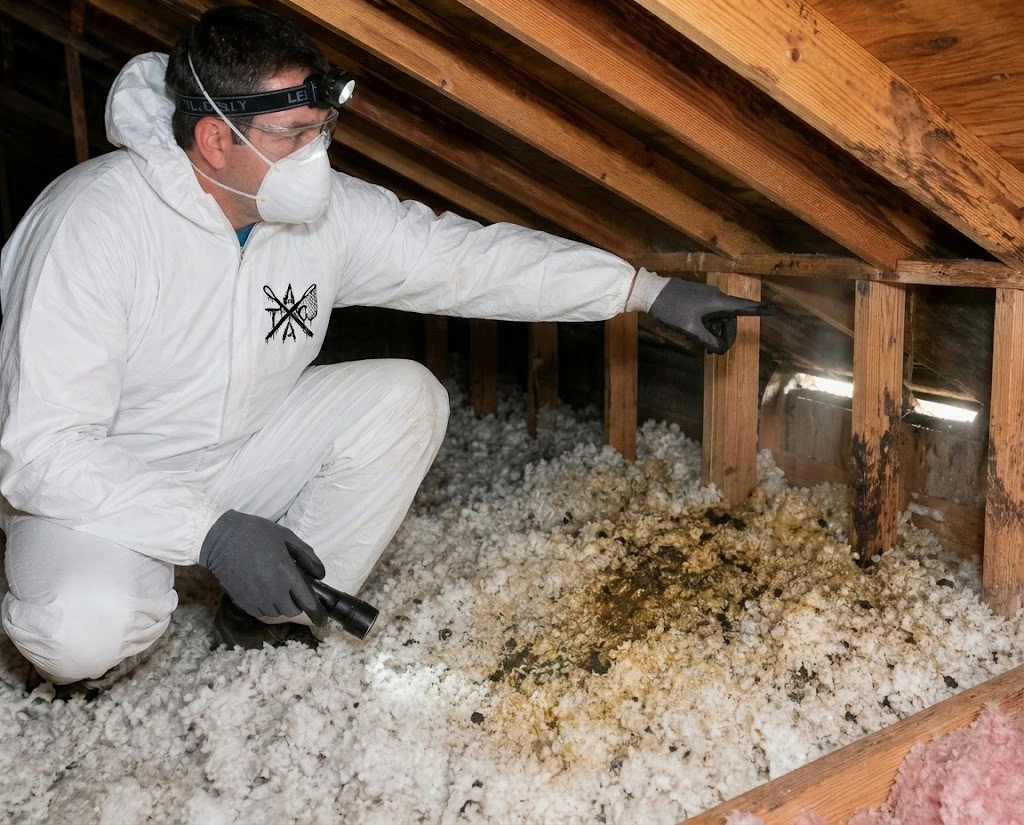
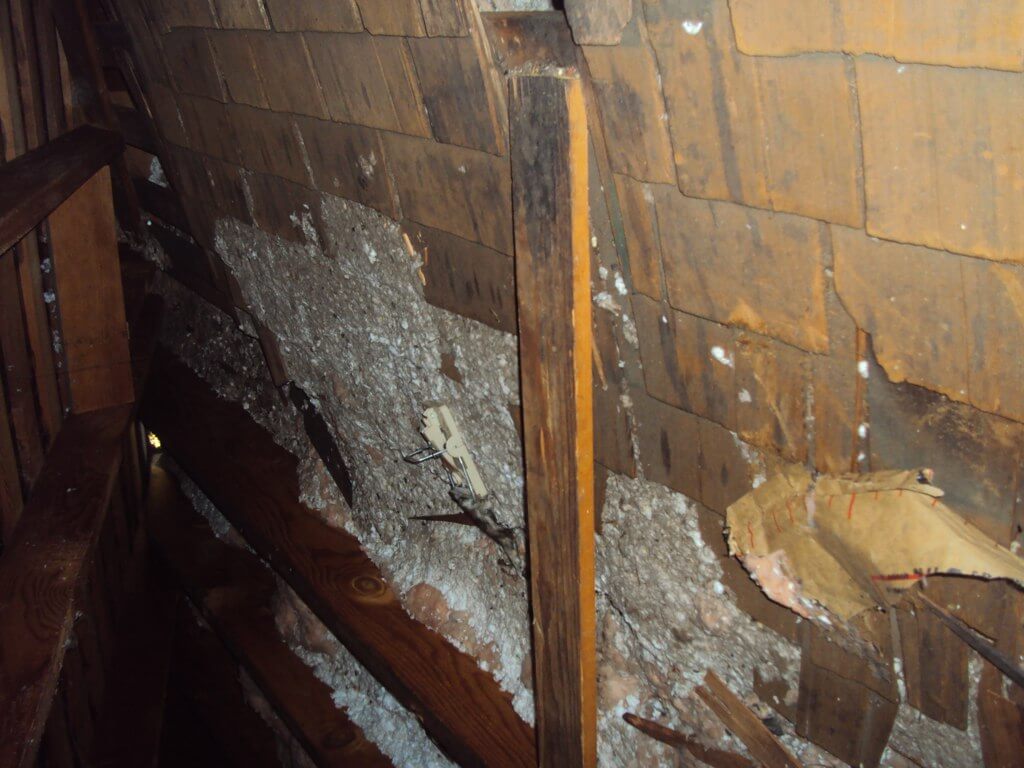
The process starts with inspection. The goal is to confirm whether the attic issue involves rodents, wildlife contamination, insulation damage, access-point failures, or a mix of all four. This step helps determine whether the attic needs cleanup only or a broader repair and restoration plan.
2. Remove contaminated material safely
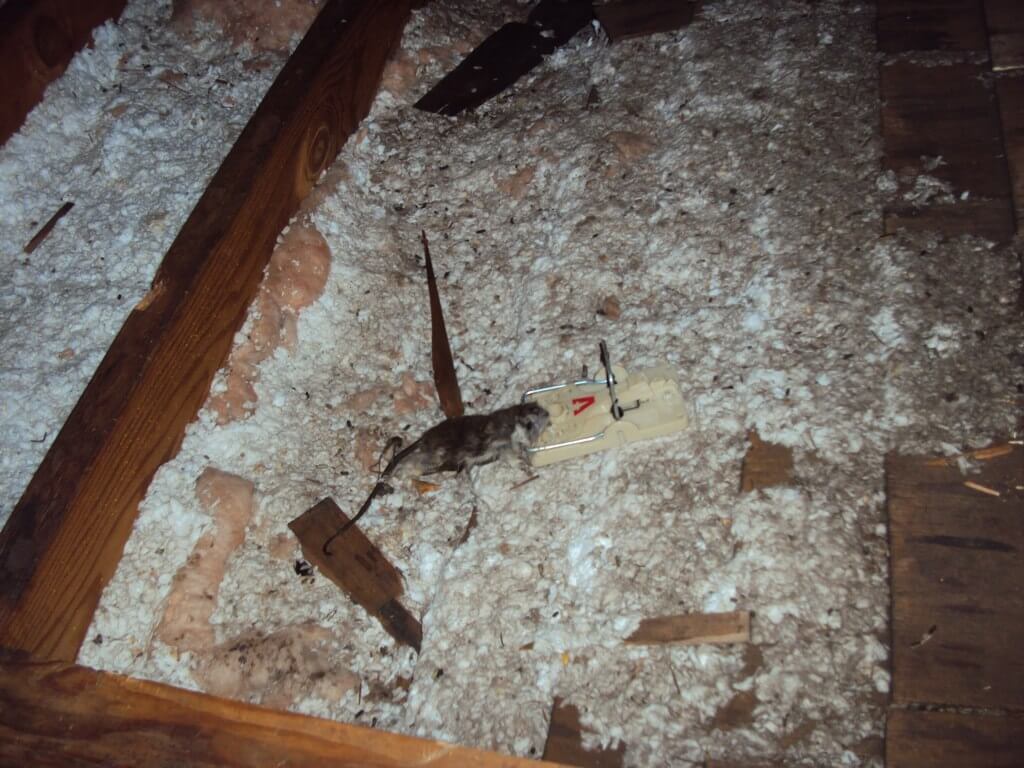
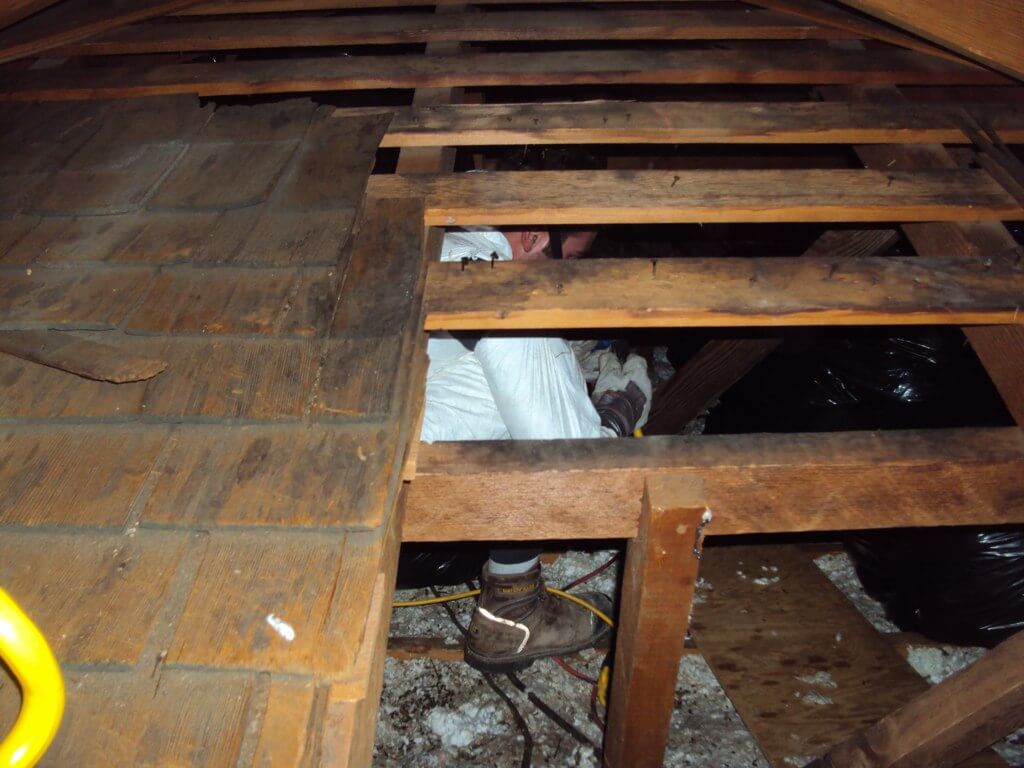
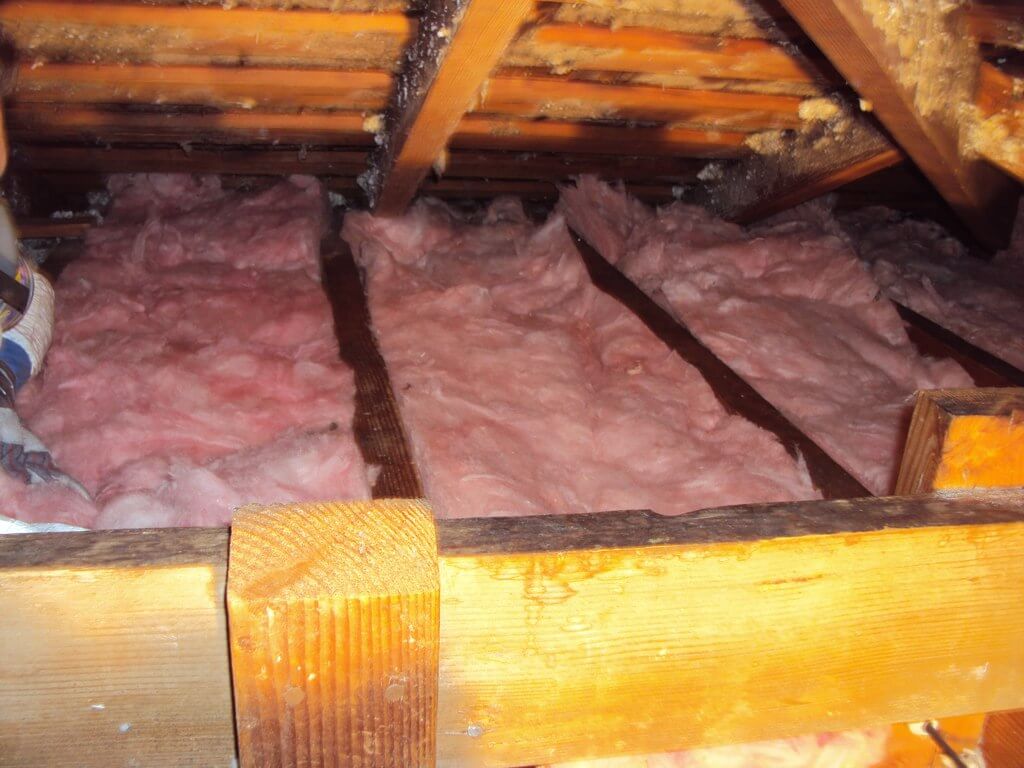
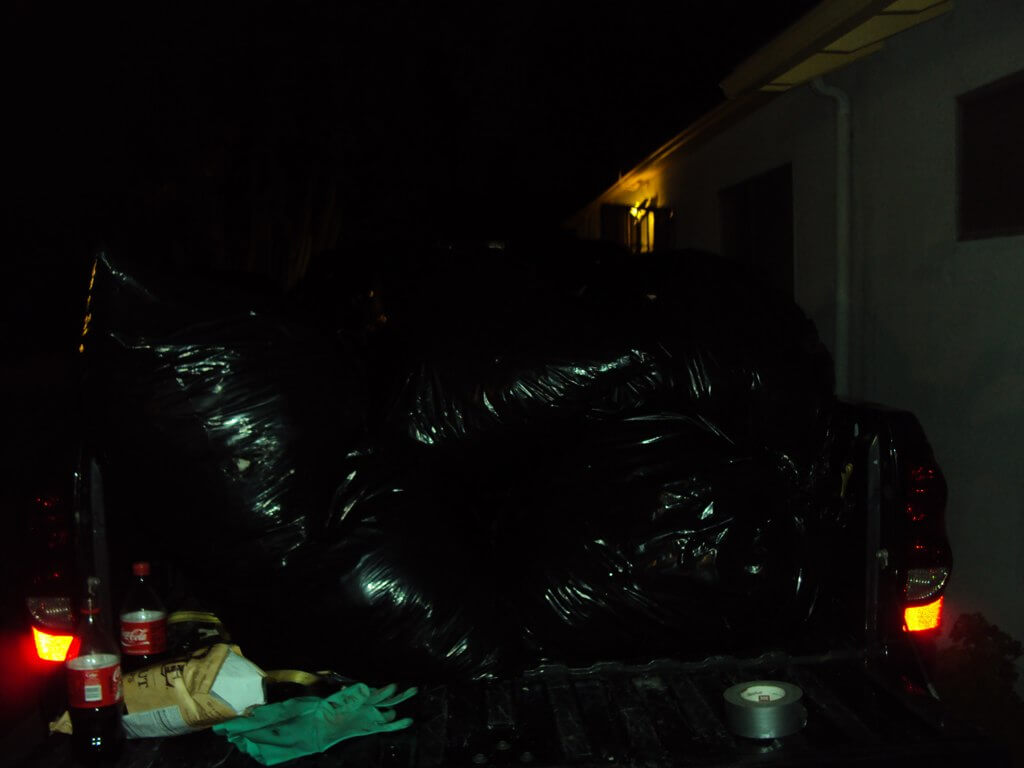
Debris, droppings, nesting material, and heavily affected insulation may need to be removed before the attic can be properly sanitized. The CDC advises avoiding dry sweeping or vacuuming rodent waste because it can disturb contaminated particles; that is one reason homeowners often choose professional help for heavy attic contamination. See the CDC’s
rodent cleanup guidance
for general safety context.
3. Sanitize and deodorize affected areas
Once damaged materials are removed, the next step is reducing odor and contamination concerns on exposed surfaces. This is especially important when odor has moved beyond one corner of the attic or when multiple nesting areas are present.
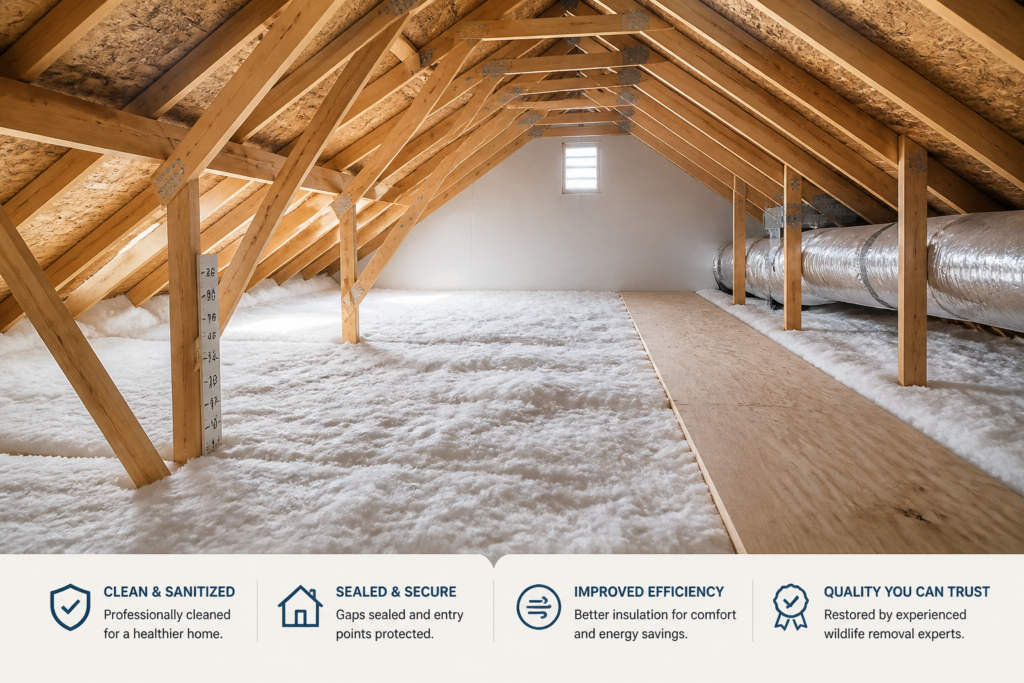
4. Replace insulation where needed
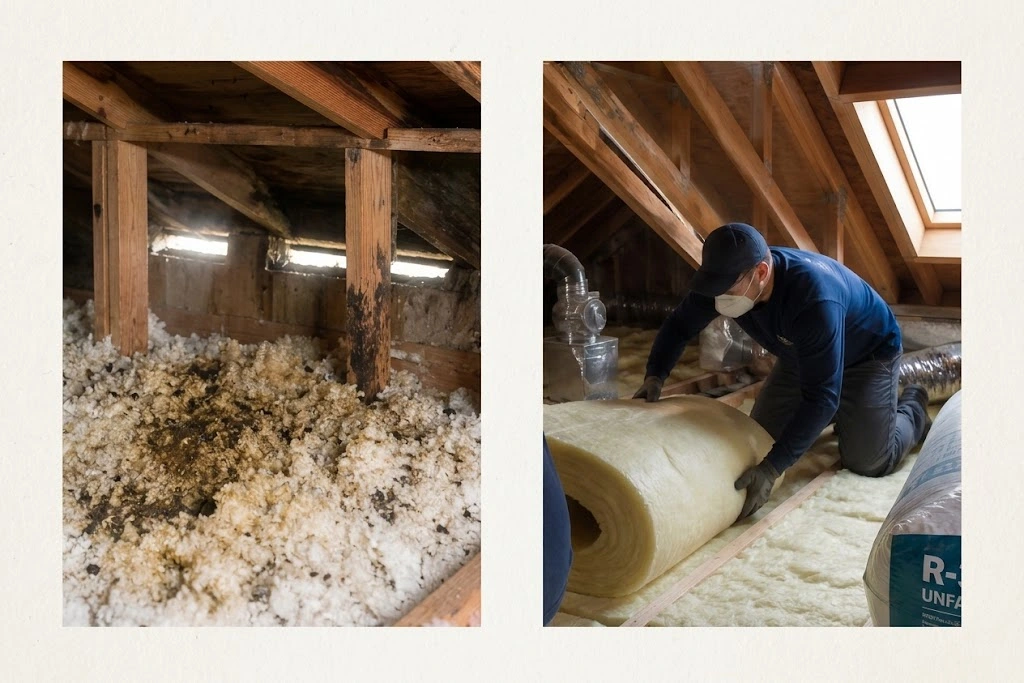
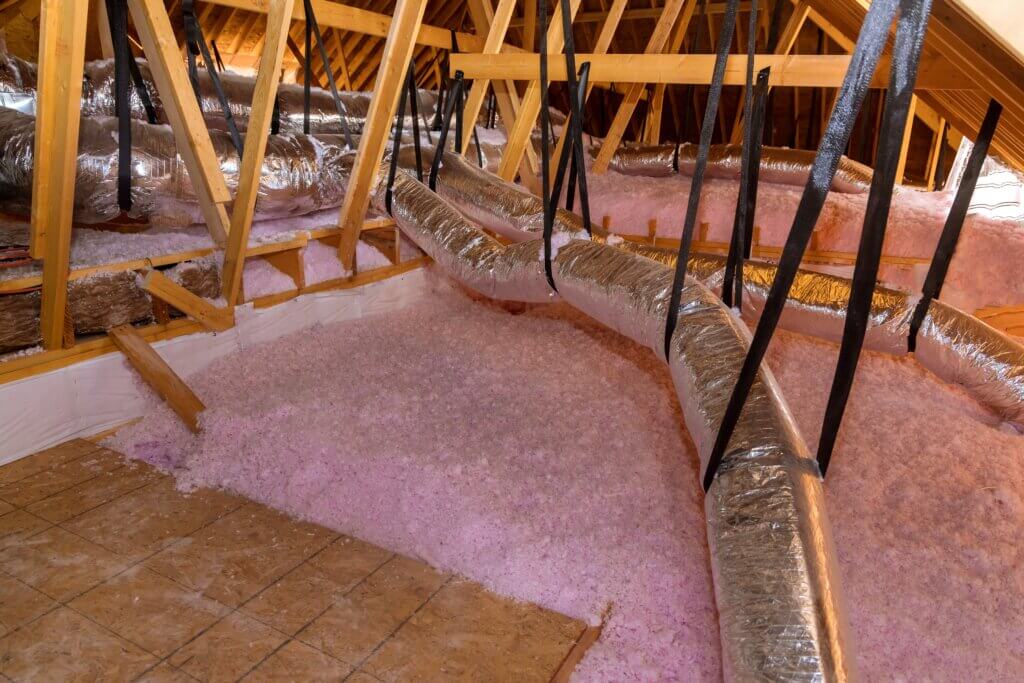
Not every attic needs full replacement, but many do need targeted or large-scale insulation work after animal activity. If the existing insulation is stained, compressed, contaminated, or no longer performing well, replacement becomes part of the repair plan.
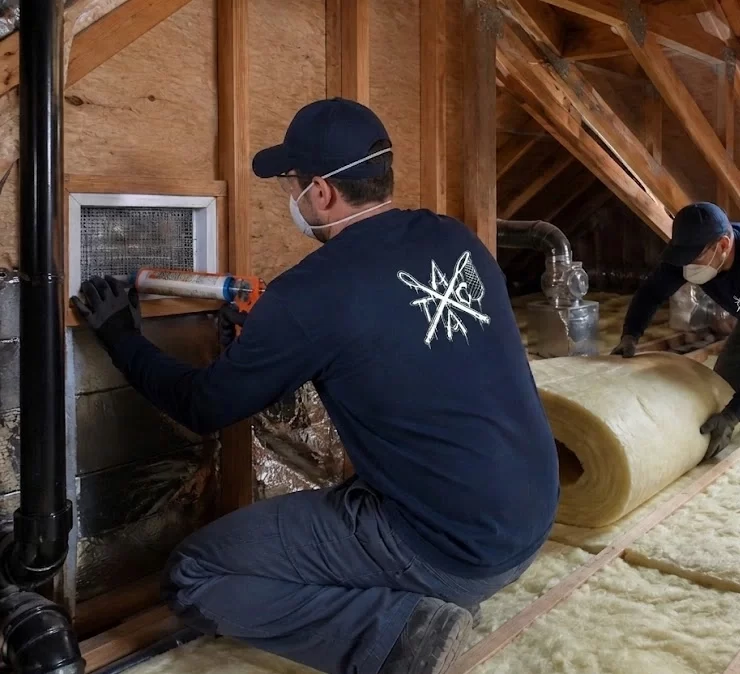
5. Seal or repair problem areas before animals return
Cleanup without exclusion leaves the job incomplete. Once ACAT identifies likely access routes, sealing or repair work can help close the loop between removal, restoration, and prevention.