Roof and attic access
Inspect roof transitions, vents, soffits, and openings that connect directly to attic space.


Raccoon removal works best when the service does more than catch one animal. A complete plan should identify where raccoons are entering, remove active animals humanely, check for nesting activity, address contamination or damage, and reduce the chance of another raccoon using the same opening.
Call a Raccoon Removal Inspector: (877) 724-5314Humane Raccoon Removal
Direct answer: Professional raccoon removal should combine inspection, humane trapping or removal, a check for babies or nesting activity when relevant, cleanup and sanitation when contamination is present, and exclusion or repair recommendations that reduce re-entry risk.
All City Animal Trapping provides humane wildlife removal for residential and commercial properties across Southern California. ACAT's current site describes its team as licensed and insured, with more than 20 years of animal removal and animal control experience.
Raccoon problems often involve more than one part of the property. Activity may show up in an attic, crawlspace, chimney area, under a deck, around a roofline, or near an opening that gives the animal repeated access. If you need help now, you can contact ACAT or review the broader animal removal services page.
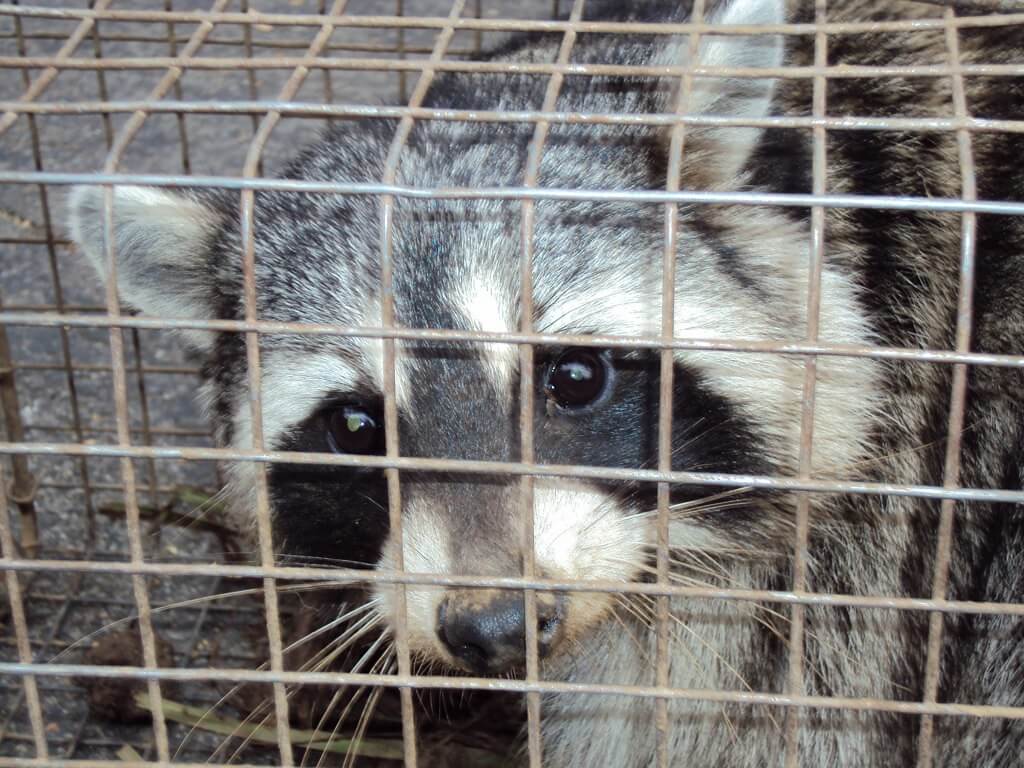
For active attic noise, a raccoon inside the structure, visible damage, or a situation that may involve nesting activity, call to discuss inspection availability.
Call an Emergency Raccoon Inspector: (877) 724-5314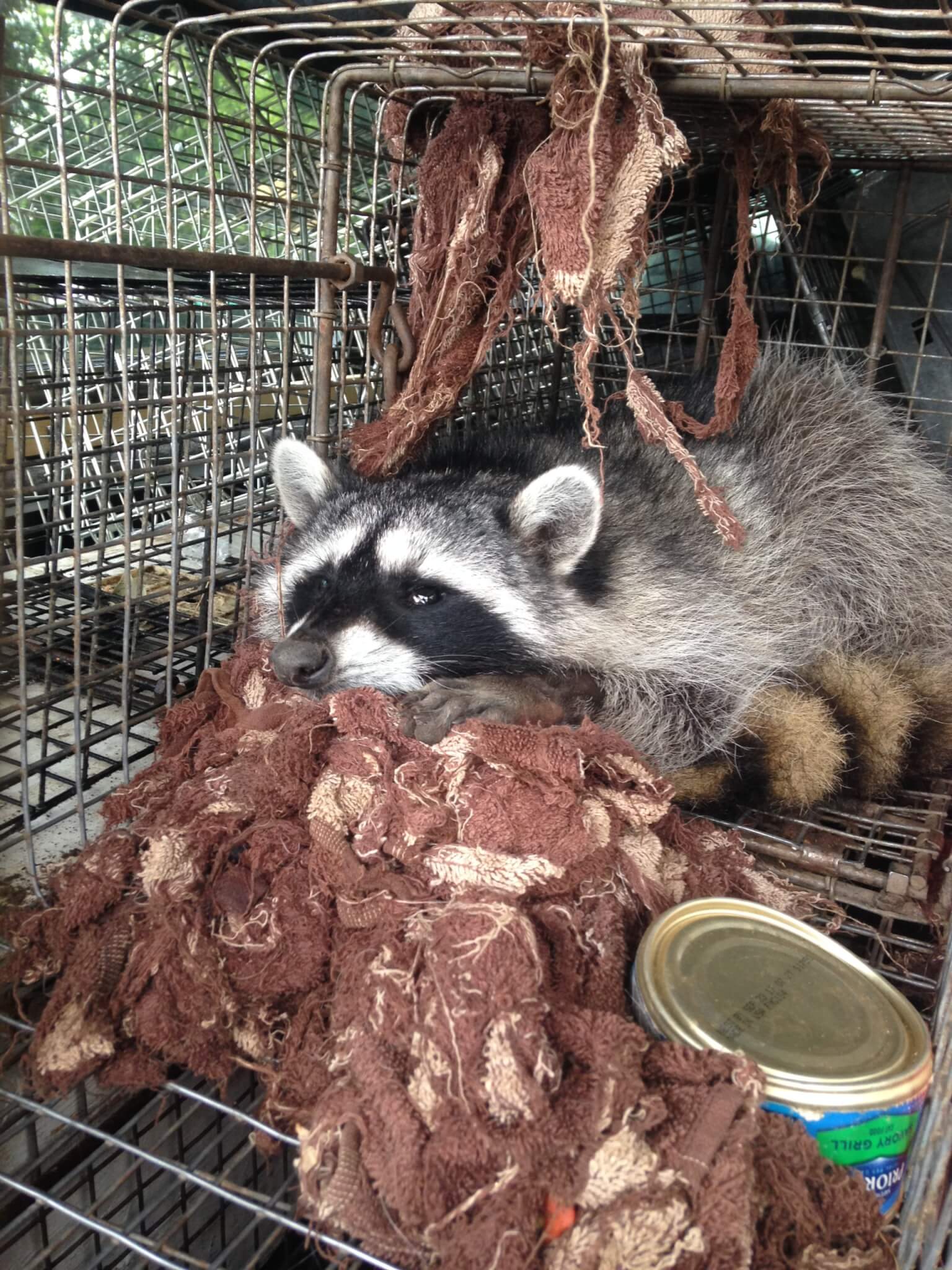
Warning Signs
Raccoons are strong, adaptable animals, and a small access problem can become a much larger property issue once they begin using a protected space regularly.
If you are not sure whether the animal is a raccoon, ACAT can inspect the property and help identify the most likely source of the activity before the removal plan is finalized.
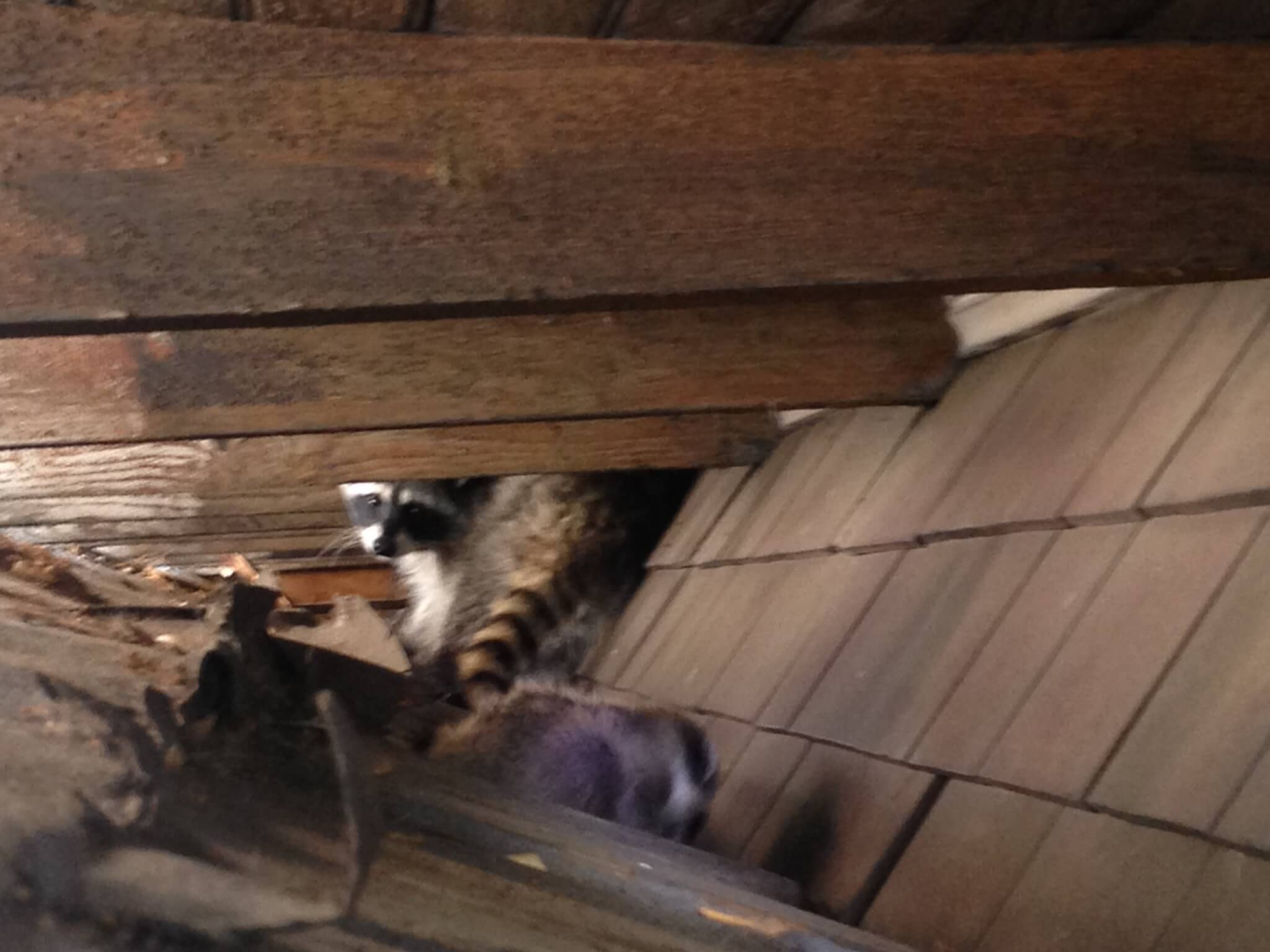
Raccoon in Attic Removal
ACAT's local wildlife pages identify raccoons with babies in attics as a common issue. Mother raccoons often choose protected spaces such as attics and crawlspaces because they offer shelter while young are being raised.
A raccoon problem can involve an adult, a mother with young, or an animal using the structure as a recurring shelter point. Those situations should not be treated exactly the same way. Inspection helps determine where the animal is active, whether nesting is involved, and which opening may need to be addressed after removal.
ACAT's current local service pages describe a humane approach that keeps both mother and baby raccoons in mind. That is important because removing an adult without understanding whether young are still in the structure can leave the job incomplete.
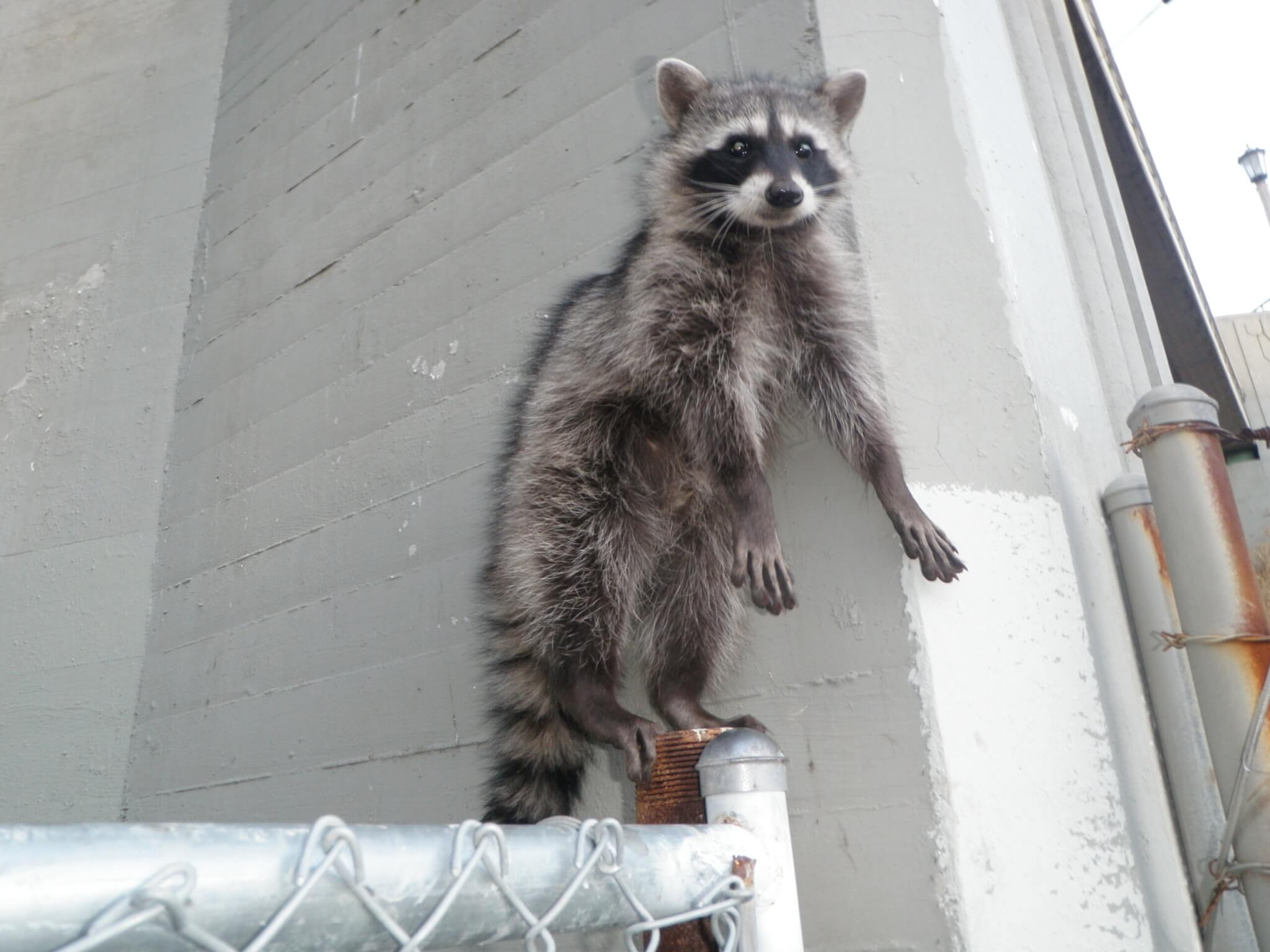
If you hear larger animal movement overhead or suspect a mother raccoon may be nesting inside, call before sealing any opening.
Call an Attic Raccoon Inspector: (877) 724-5314How It Works
A clear process helps property owners understand the difference between temporary trapping and a more complete wildlife-control plan.
Identify where raccoons are active, likely entry points, damage, contamination, and possible nesting areas.
Choose a removal approach that fits the location, animal activity, and whether young may be present.
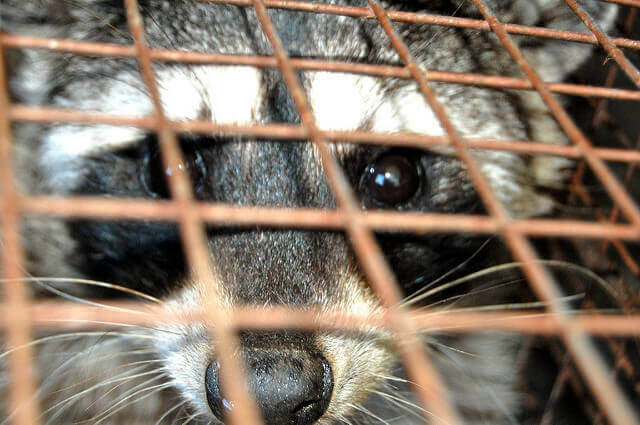
Carry out the trapping or removal stage using a humane wildlife-control approach.
Review droppings, odor, insulation, and structural damage that may need sanitation or repair support.
Identify vulnerable openings and recommend sealing or repair work so the same access point is less likely to be reused.
Cleanup and Recovery
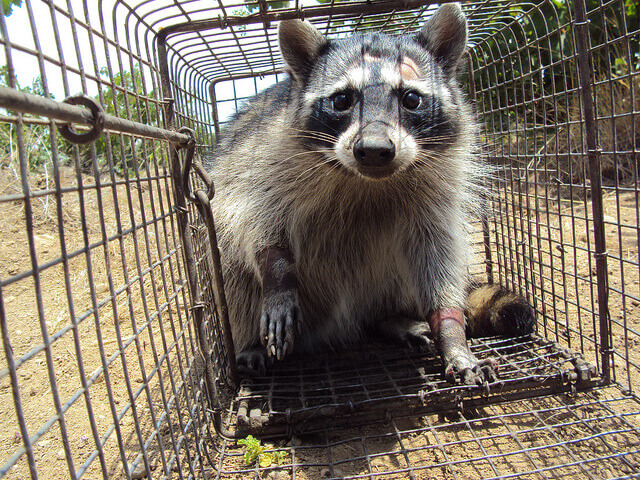
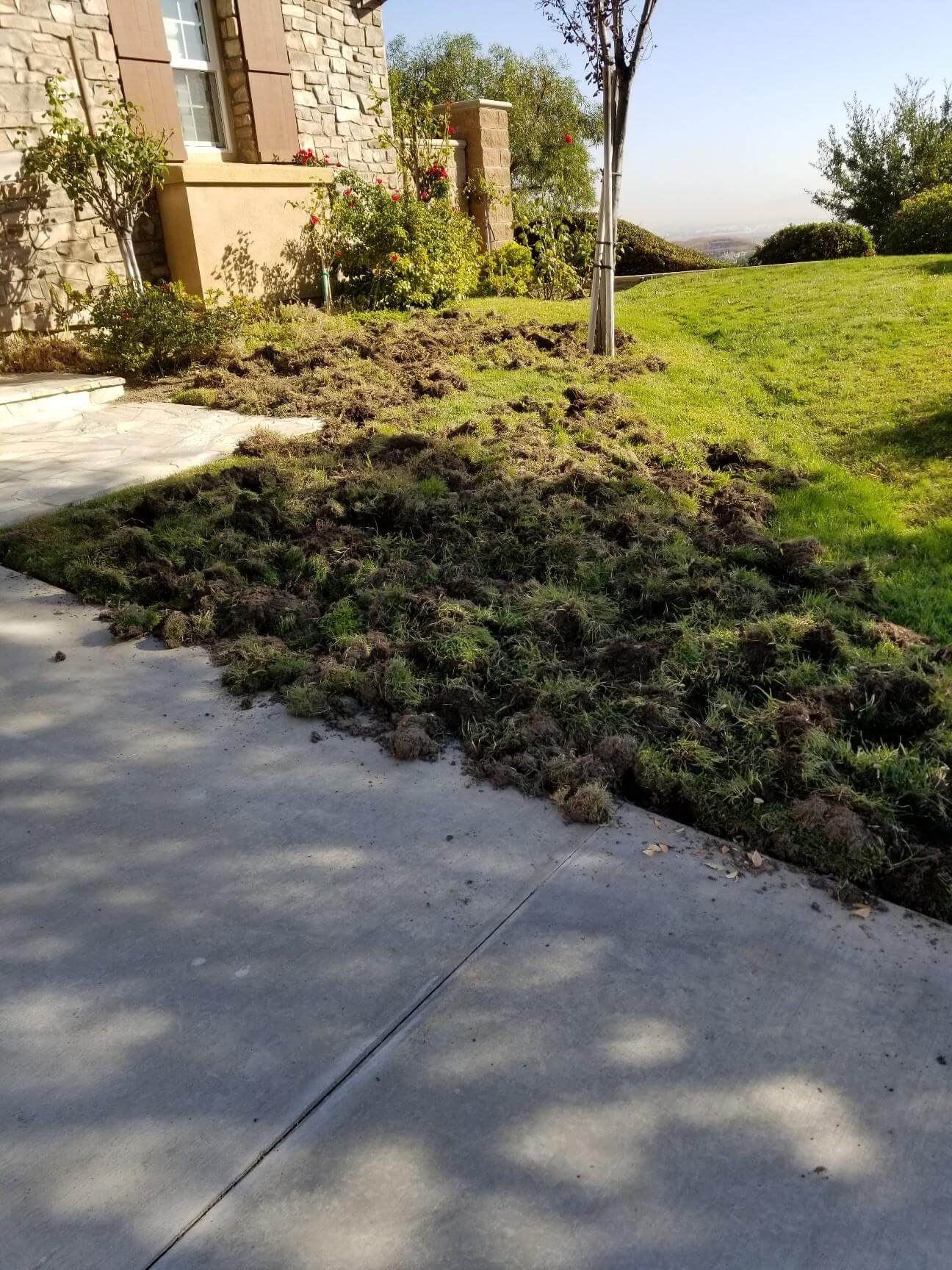
Removing the animal does not automatically restore the space it used. Raccoons can leave waste, odor, disturbed insulation, or damage around the entry area. That is why some jobs need follow-up support after the animal is gone.
When contamination is present, cleanup should be planned carefully. ACAT also offers decontamination and odor removal and attic clean and repair services for properties that need more than animal removal alone.
If insulation is torn, soiled, or compacted, or if the raccoon damaged screens, vents, soffits, or other access points, the property may need restoration or repair recommendations before the job is fully resolved.
If the attic or crawlspace has droppings, odor, damaged insulation, or nesting debris, call to discuss cleanup and restoration needs.
Call a Raccoon Cleanup Inspector: (877) 724-5314Raccoon Exclusion Service
Direct answer: Removing a raccoon without addressing how it entered can leave the property vulnerable to another visit. Exclusion and repair recommendations help reduce the chance that the same opening is used again.
Raccoons can take advantage of damaged vents, roofline openings, crawlspace access, and other weak points around a structure. ACAT's broader wildlife-control positioning includes preventive measures in addition to removal, which is why a complete raccoon job should include a conversation about how the animal got in.
Inspect roof transitions, vents, soffits, and openings that connect directly to attic space.
Review damaged screens, access doors, gaps, and protected areas beneath the structure.
Focus on openings or shelter points that show signs of repeated raccoon activity rather than treating the event as isolated.
Raccoon Removal Cost
ACAT's pricing page explains that animal trapping prices are not listed as one fixed online rate because every situation is different. The final scope can change based on the animal, the property, the equipment required, labor, travel, follow-up visits, and any additional cleanup or repair needs.
| Cost factor | Why it matters |
|---|---|
| Location of the raccoon | An animal in an open yard is different from one inside an attic, crawlspace, chimney area, or difficult-access structure. |
| Nesting or young | A situation involving a mother and young may require a more careful removal plan than a single roaming animal. |
| Property damage | Torn vents, damaged screens, disturbed insulation, or structural access points can expand the project beyond trapping. |
| Cleanup needs | Droppings, urine, odor, and nesting debris may add sanitation or restoration work after removal. |
| Exclusion work | Sealing vulnerable openings can add labor and materials while reducing the chance of repeat entry. |
| Follow-up visits | Some wildlife situations require additional monitoring or service visits before the job is complete. |
For current quote information, review ACAT's animal trapping prices page or call directly for a property-specific estimate.
Same-day scheduling depends on location, technician availability, animal activity, and the complexity of the structure.
Call for Same-Day Raccoon Inspector Availability: (877) 724-5314Why ACAT
Service Coverage
ACAT's current service coverage includes Los Angeles County, Orange County, Riverside County, and San Bernardino County. The locations page provides broader city-level coverage information.
Related pages can also help if the raccoon problem has created a larger property issue, including attic clean and repair, odor and decontamination support, and broader animal removal and repair services.
Summary
FAQ
A professional inspection is the best first step. The goal is to confirm whether the animal is still active, identify likely entry points, and determine whether nesting or young may be involved before any opening is sealed.
Yes. ACAT's local wildlife pages describe mother raccoons using attics and other protected spaces to raise young. That is one reason attic raccoon removal should consider both the adult animal and any babies that may still be inside.
Cleanup needs depend on what the inspection finds. If the raccoon left droppings, urine, odor, nesting debris, or damaged insulation, the property may need sanitation, odor removal, or attic restoration in addition to animal removal.
Repeat activity can happen when the same access point or shelter condition remains available. That is why exclusion and repair recommendations are important after the active raccoon problem is resolved.
ACAT does not list one fixed trapping price online because every wildlife situation is different. Location, access, nesting activity, damage, cleanup, exclusion, labor, and follow-up needs can all affect the final scope.
ACAT lists service coverage across Los Angeles County, Orange County, Riverside County, and San Bernardino County. Use the locations page or call to confirm current service for your city.
If a raccoon is in your attic, crawlspace, roof area, or other protected part of the property, call to discuss humane removal, cleanup needs, and the steps that can reduce re-entry risk.
Call a Raccoon Removal Inspector: (877) 724-5314