

If you need Riverside raccoon removal, the right fix is not just getting one animal out of the attic. The real solution is finding how the raccoon got in, removing active animals humanely, cleaning contaminated areas when needed, and sealing the structure so the problem is less likely to come back.
Call (877) 724-5314Riverside Raccoon Removal
Direct answer: Professional raccoon service should solve the full situation, not just the most visible symptom. That means inspection, humane trapping or removal, cleanup when contamination is present, and exclusion work to help prevent re-entry.
All City Animal Trapping serves Riverside property owners who need practical help with raccoon activity in attics, garages, crawlspaces, rooflines, and similar access points.
If you are still comparing services, review ACAT's broader raccoon removal service and the Riverside County wildlife service hub.
Call (877) 724-5314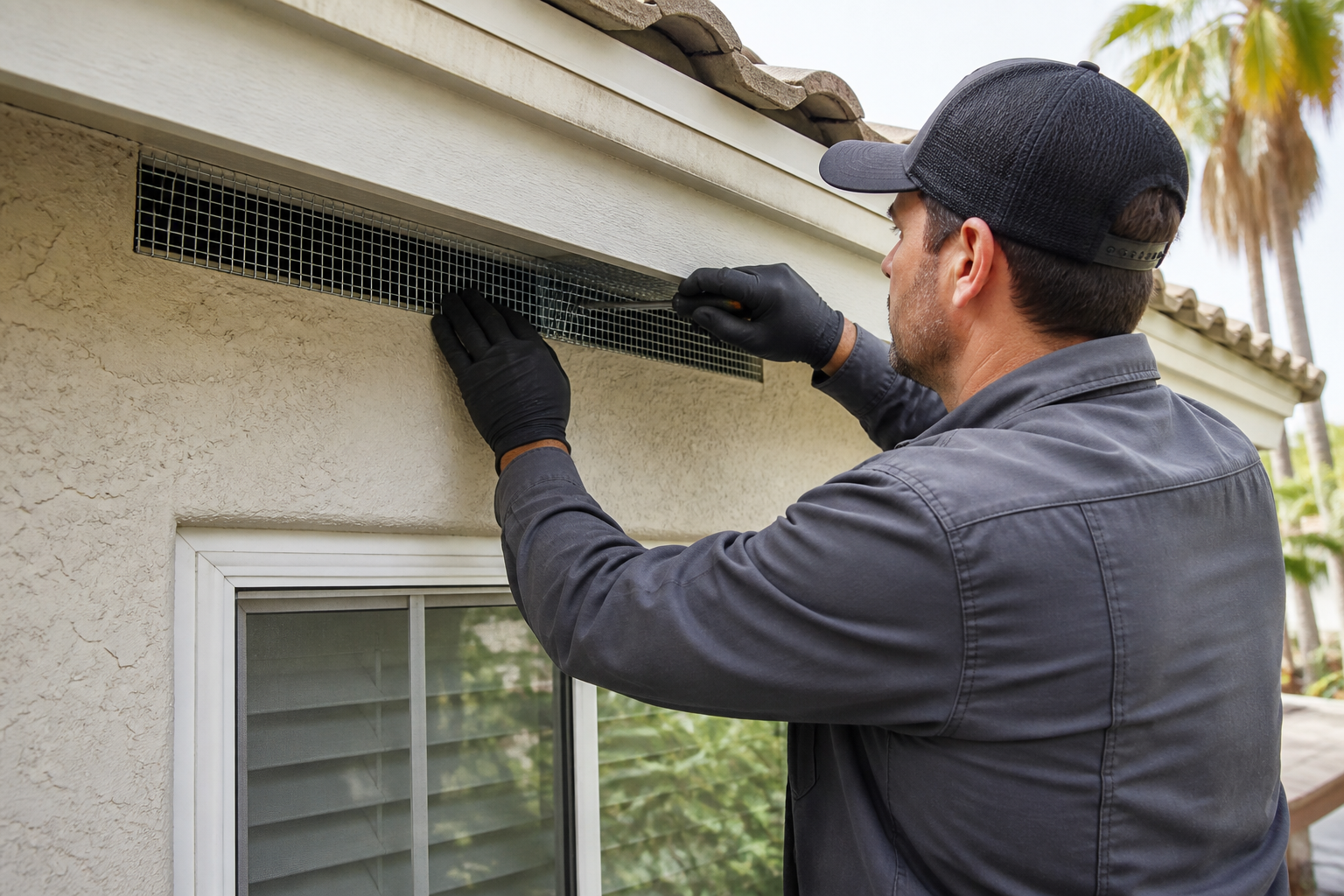
What to expect
A strong local raccoon-removal service should include a property inspection, humane removal of active raccoons, cleanup of droppings or damaged areas when needed, and sealing of entry points. If a company only talks about trapping, ask what happens next.
| Service element | Why it matters | What the homeowner gets |
|---|---|---|
| Inspection | Confirms where raccoons are active and how they are getting in | A clearer scope and a more accurate plan |
| Humane trapping or removal | Addresses the active animal problem safely and efficiently | Immediate relief from current raccoon activity |
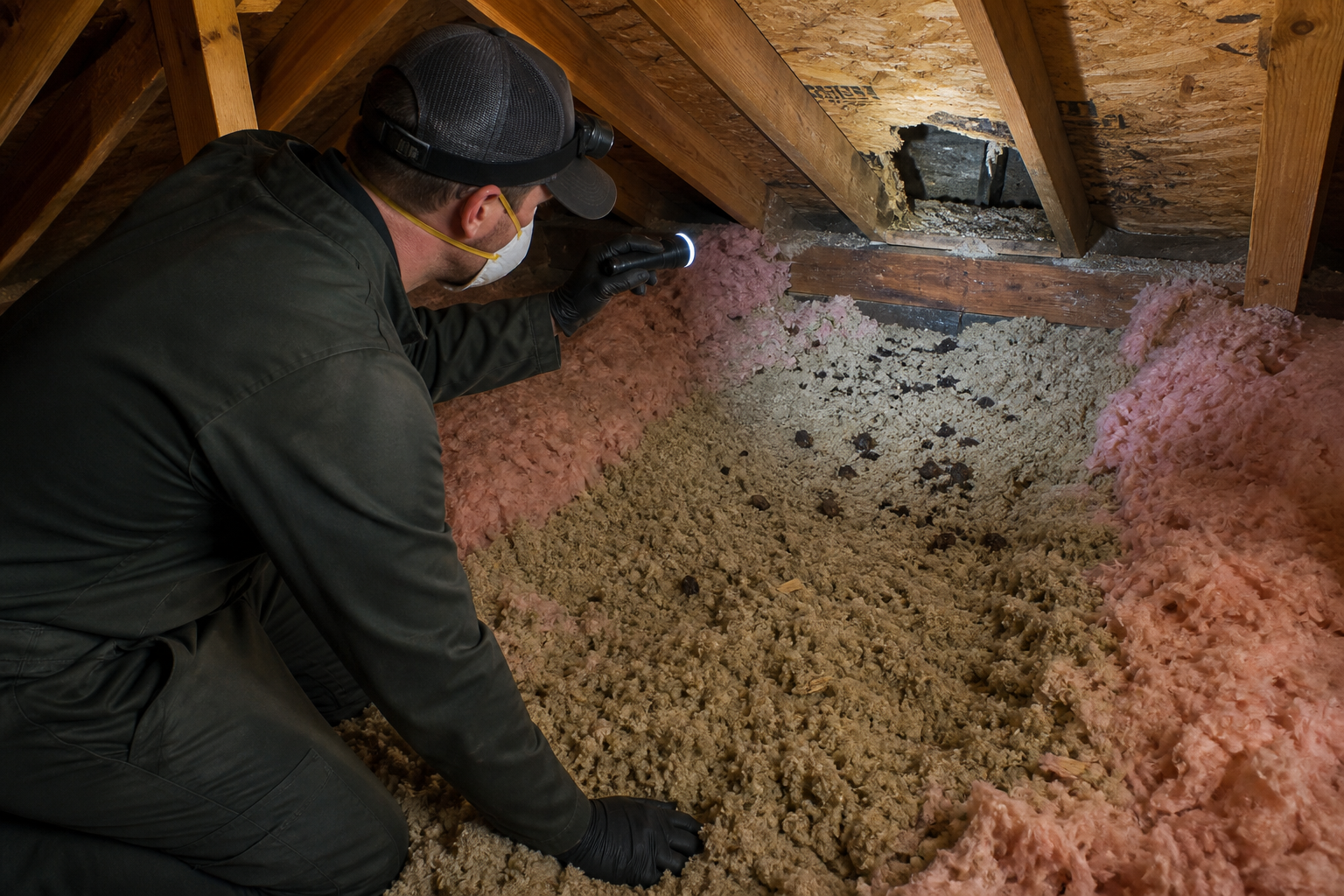
| Cleanup and sanitation | Helps deal with droppings, odor, nesting debris, and affected insulation | A safer and cleaner affected area |
| Exclusion and sealing | Reduces the chance of the same access point being reused | Better long-term protection for the property |
Warning signs
Raccoons are adaptable and persistent. By the time a homeowner is sure something is wrong, the animal has often already found shelter, food access, or a repeat entry point.
These signs do not automatically prove a raccoon is the only issue, but they strongly suggest the property needs inspection by a wildlife professional rather than guesswork.
Once a raccoon finds a protected nesting or resting area, the problem can spread beyond the original opening. A single entry point can turn into insulation damage, odor issues, contamination, and a more complicated nesting situation.
How it works
A clearer process makes it easier to understand what the job includes and why the solution should go beyond a simple trap-and-go visit.
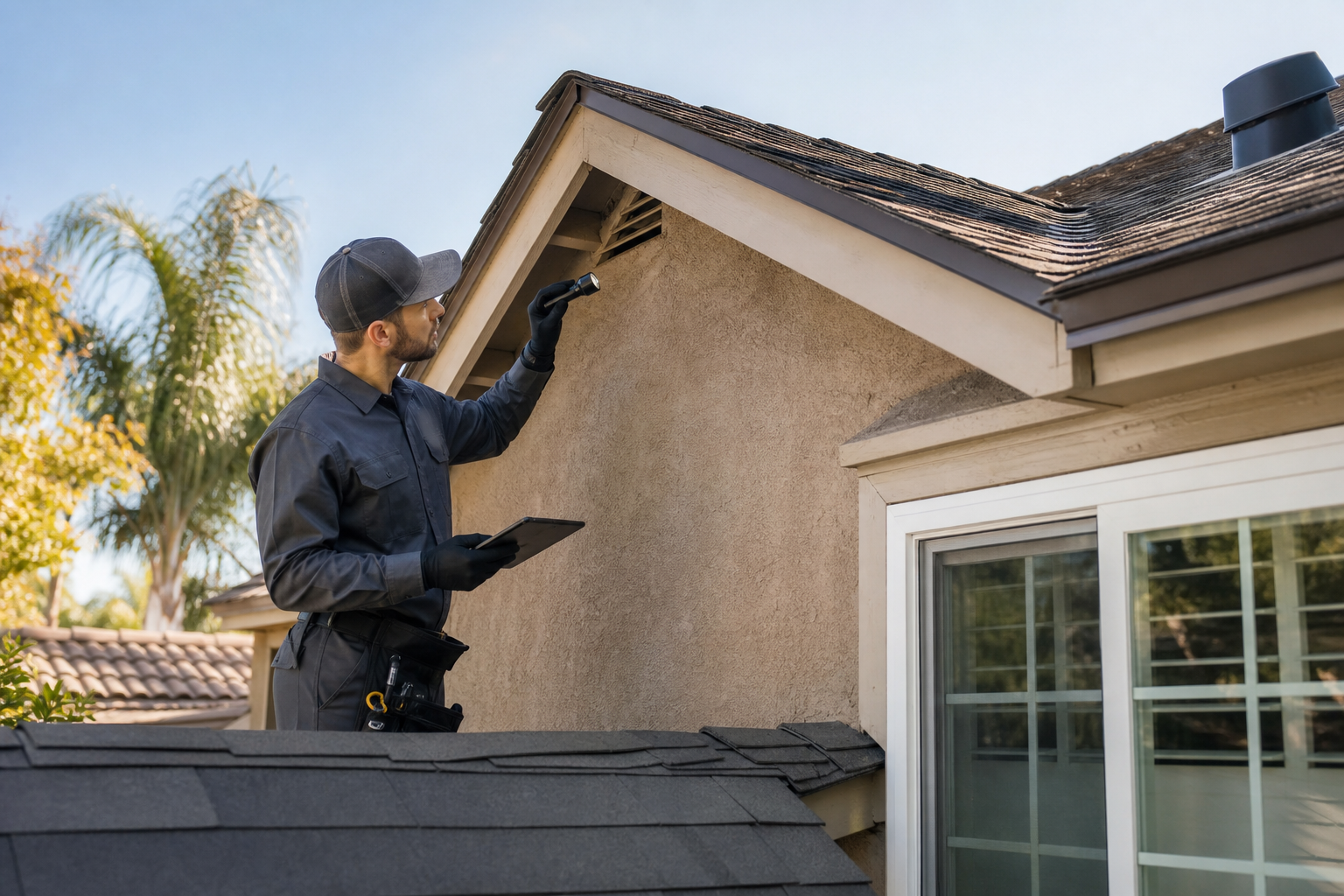
Inspect attics, crawlspaces, garages, rooflines, soffits, vents, and other vulnerable access points to understand where the raccoon is active and how it got inside.
Address the active raccoon problem using humane removal methods suited to the property and the situation.
If the inspection shows a nesting issue, the plan should account for baby raccoons, sheltered den areas, and access patterns around a mother raccoon.
Address droppings, nesting debris, odor, or damaged insulation, then complete exclusion work to reduce the chance that the same opening is reused.
If attic contamination or damage is present, review ACAT's attic clean and repair service and the local attic clean and repair in Riverside page.
If you are hearing heavy movement in the attic, seeing roofline damage, or dealing with raccoon odor or contamination, call to discuss the property and next inspection step.
Call (877) 724-5314What we find
The most common problems are not just the animal itself. They are the property effects that follow after the raccoon gets comfortable inside.
Raccoon waste should be treated seriously, especially in enclosed areas such as attics or crawlspaces. The California Department of Public Health warns that raccoon droppings can carry eggs from raccoon roundworm.
Removing the raccoon is only one part of the job. Droppings, nesting debris, odor, and damaged materials can stay behind long after the animal leaves.
Estimates
Direct answer: There is no one-price answer for every property because raccoon jobs vary widely. A simple roofline access issue is not the same as a long-running attic infestation with contamination, nesting, and repair needs.
| Cost factor | Why it changes the scope | What it may add |
|---|---|---|
| Number of raccoons | More animals can mean more time, monitoring, and follow-up | Longer removal timeline |
| Nesting situation | Mother-and-baby situations require more careful handling | Added labor and complexity |
| Access difficulty | Steep rooflines, tight attics, crawlspaces, and hidden openings take more time to inspect safely | Higher labor complexity |
| Cleanup needs | Droppings, odor, insulation damage, and nesting debris expand the project beyond trapping alone | Sanitation or restoration scope |
| Exclusion and repairs | Sealing entry points is often the difference between temporary relief and long-term prevention | Material and repair work |
| Scheduling urgency | Some homeowners need the fastest possible visit due to noise, odor, or active interior access | Rush-response coordination when available |
Why professional help
Raccoon issues often involve more than removing an animal from the property. They can require inspection, nest management, cleanup, sanitation, and exclusion work on the structure itself.
The California Department of Fish and Wildlife recommends reducing wildlife attractants by securing trash, removing pet food, and limiting easy access to shelter.
If a company catches a raccoon but leaves the contamination and entry point behind, the property still has a problem. The stronger workflow is inspect, remove, clean, and seal.
Summary
FAQ
The timeline depends on the access point, whether there is a nesting situation, and how much cleanup or repair work is needed after removal.
They can if the same access point remains open or if the property still offers food and shelter. That is why exclusion work matters so much.
DIY trapping often creates more problems than homeowners expect, especially when the animal is in an attic, wall area, or nesting site. A professional inspection can help avoid injury, incomplete removal, or damage to the structure.
A mother-and-babies situation changes the job. It requires a slower and more careful approach than a simple standalone capture.
Entry-point sealing and exclusion are a major part of a better long-term solution because they reduce the chance of the same property being reused.
Often, yes. Droppings, odor, disturbed insulation, and nesting debris can remain after the active animal issue is solved.
If the raccoon entered the structure, the answer is often both. Cleanup addresses what the animal left behind, while exclusion addresses how it got in.
Coverage
Next step
If you are hearing movement overhead, seeing damage near the roofline, or worried about attic contamination, now is the right time to move past temporary fixes. A better Riverside raccoon removal plan focuses on humane removal, cleanup, and exclusion so the property is protected after the animal is gone.
For additional information, review the broader raccoon service page, explore Riverside attic cleanup support, or visit the contact page to provide more details.