Where is the problem?
Is this an attic problem, a yard problem, a crawlspace problem, or a combination of affected areas?


If you need wildlife removal in Southern California, the goal is not just to get one animal out of sight. The real solution is to identify what is getting in, remove the active animal problem safely, address contamination or damage when needed, and make the property harder for animals to use again.
Call a Southern California Wildlife Inspector: (877) 724-5314Direct answer: Wildlife removal usually includes inspection, animal identification, humane trapping or exclusion, entry-point sealing, cleanup of contaminated areas when needed, and repair recommendations if the animals damaged the structure.
Across Los Angeles, Orange, Riverside, and San Bernardino Counties, homeowners, landlords, property managers, HOAs, and businesses often deal with the same pattern: scratching in the attic, droppings in a crawlspace, damage near rooflines or vents, strong odors, or repeat animal activity that never fully stops.
A strong wildlife removal service should answer what the service includes, when to call, and how the work helps solve the source instead of just the symptom.
If you want help now, call for a property-specific inspection or review ACAT's broader animal removal services to see how related wildlife issues are handled.
If there is active indoor movement, strong odor, visible droppings, roof or vent damage, or repeated animal entry, call to discuss inspection availability.
Call an Emergency Wildlife Inspector: (877) 724-5314Wildlife removal is a full process, not a single trap or a quick spray. The right approach depends on the animal, where it is nesting or traveling, how it entered the structure, and whether the site also needs cleanup or repair.
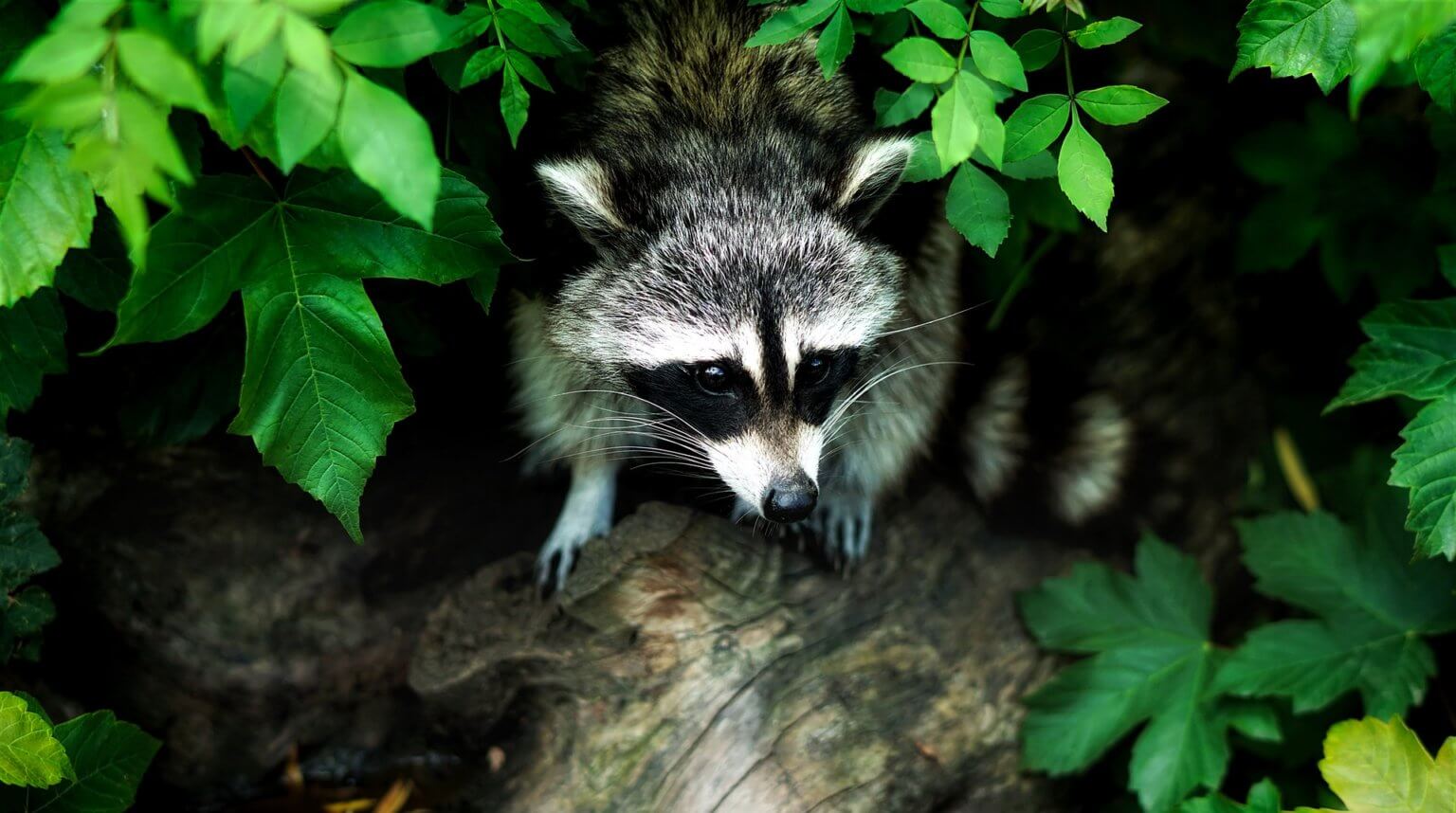
This matters because different animals create different risks. Rodents may contaminate insulation and chew openings larger over time. Raccoons can damage roofs and attic materials. Skunks and opossums may use areas under decks, sheds, or crawlspaces. Birds and bats can create nesting and sanitation issues in vents, eaves, or other sheltered areas.
Some wildlife problems are obvious, but many start with indirect signs. If you notice any of the following, it is usually worth scheduling a professional inspection:
If the problem seems centered in the attic, sounds alone do not confirm the species. A proper inspection is usually the fastest way to understand what is happening and how much of the structure may be affected.
If you hear scratching, chirping, chewing, or movement above the ceiling, call to identify the animal and the likely entry route.
Call an Attic Animal Inspector: (877) 724-5314People often use the phrase "wildlife removal" as a catch-all, but the work changes depending on the animal. A rat problem, a raccoon in the attic, a skunk under a deck, and birds nesting in a vent do not call for the exact same approach.
Professional evaluation matters because the method should fit the species, the structure, the safety concerns, and the legal requirements that apply to the situation.
Is this an attic problem, a yard problem, a crawlspace problem, or a combination of affected areas?
Is the animal using the structure temporarily, or has it created an active nesting or resting area?
Will exclusion solve the issue once removal is complete, or does the site also need cleanup and repair?
Inspection should also look for signs of babies, repeated return activity, and multiple entry points before removal or sealing decisions are made.
ACAT's strongest service approach is simple: inspect first, match removal to the situation, close the access points, and deal with cleanup or restoration when the property needs it.
Check where the noise, odor, or visible activity is coming from, inspect likely access points, and determine how far the problem may have spread.
Use active trapping, exclusion, controlled access changes, or safe removal based on the species, structure, and safety concerns.
Address roof gaps, vent openings, crawlspace access points, damaged screens, and utility-line edge conditions that can support repeat entry.
Address contaminated materials, odors, torn insulation, damaged vents, or other aftermath when the property needs more than removal and sealing.
If animals are getting into the same area repeatedly, call to discuss humane removal plus entry-point sealing.
Call an Animal Trapper and Exclusion Inspector: (877) 724-5314Property owners sometimes assume the job ends once the animal is gone. In reality, that is often only the midpoint. Wildlife activity can leave behind contamination, odor, damaged insulation, torn screening, widened openings, droppings, urine staining, nesting debris, and secondary pest attraction.
That is especially relevant in attics, crawlspaces, garages, and wall-adjacent voids where materials can hold odor or contamination after the active animals are removed.
When contamination or odor remains, the cleanup plan should be handled carefully so droppings, urine, nesting materials, and affected surfaces are not disturbed casually.
Not every animal sighting is an emergency, but some situations should move quickly.
Monitoring may make sense when an animal is simply passing through a yard without using the structure. But once there is evidence of nesting, damage, contamination, or repeated entry, waiting usually makes cleanup and exclusion more complicated.
This service applies to more than one property type because the same animal problem can create different operational needs depending on who manages the property.
For attic, roofline, yard, garage, or crawlspace animal problems that need a clear removal and prevention plan.
For occupied properties that need fast, documented next steps and clear coordination around access, cleanup, and repair.
For recurring wildlife around shared structures, common areas, roofs, service zones, storage areas, or building access points.
Southern California properties create their own wildlife patterns. Warm weather, dense neighborhoods, roofline access, crawlspace conditions, landscaping, trash access, and nearby habitat all influence where animals settle and how often they return.
That is why a local service should emphasize practical inspection, humane removal, cleanup when needed, and exclusion work that fits real residential and commercial structures across Los Angeles, Orange, Riverside, and San Bernardino Counties.
If you need wildlife removal for a home, rental, HOA, or commercial property in Southern California, call for a property-specific plan for humane removal, cleanup, and exclusion.
Call a Wildlife Removal Inspector: (877) 724-5314A wildlife removal company may help with animals such as raccoons, squirrels, skunks, opossums, birds, bats, snakes, rats, mice, and dead-animal situations, depending on the company and the local regulations. The exact service plan usually depends on the species, where it is located, and whether the property also needs cleanup, repair, or exclusion work.
Common signs include scratching at night, chewing sounds, chirping, odors, droppings, damaged vents, or visible roofline gaps. The sound alone usually does not confirm the animal type, which is why inspection matters. Entry-point size, droppings, nesting patterns, and damage clues often tell a more accurate story than noise by itself.
It should be. Humane wildlife removal focuses on species-appropriate handling, safe exclusion, and lawful methods that match the situation. The best approach aims to remove the active problem while reducing unnecessary harm and preventing animals from returning through the same access points.
Sometimes yes, sometimes no. If the animal issue was brief and there is no contamination, the property may only need removal and sealing. But if there are droppings, urine, nesting materials, damaged insulation, or lingering odors, cleanup and restoration become an important part of solving the full problem.
Yes. Many wildlife companies also handle dead-animal removal and odor-related situations, especially when the source is inside a wall, attic, crawlspace, or under a structure. In those cases, the work may also include sanitation, deodorizing, and access-point review to help prevent another issue from developing in the same place.
Call sooner if you notice active indoor movement, strong odors, visible droppings, roof or vent damage, or repeated animal entry and exit from the structure. Quick action matters most when contamination, babies, or property damage may be involved because those situations usually get harder to solve if they are ignored.
No. Wildlife removal can also be relevant for apartment buildings, HOA-managed communities, warehouses, retail properties, offices, and other commercial spaces. The core process is similar, but the inspection, access challenges, tenant coordination, and cleanup needs may be more complex than a single-family home job.
If wildlife is active in your attic, walls, crawlspace, roofline, yard, rental, HOA, or commercial property, call for a property-specific inspection.
Call a Southern California Wildlife Inspector: (877) 724-5314