

Riverside gopher control starts with understanding the animal, the location and the actual risk. The right response is not always immediate trapping. A careful assessment can separate a temporary wildlife encounter from an active structural problem and identify which next step will protect people and property.
At All City Animal Trapping, we encourage property owners to describe what they have observed before deciding on service. A useful plan considers safe access, the species involved, appropriate removal methods, prevention and whether cleanup or repairs are needed. The guidance below explains what to look for and which questions to ask.
In short, identify the problem, avoid unsafe do it yourself handling, address the immediate concern and then correct the conditions that may allow the issue to recur.
How can homeowners recognize active gopher tunnels?
Pocket gophers create fan shaped or crescent shaped mounds with a plugged opening. New soil is a better sign of current activity than an old, weathered mound. Fresh activity can appear after irrigation or other changes in soil conditions, but gophers may be active throughout the year.
Flatten old mounds and note whether new ones appear. Record the locations and photograph damage before undertaking work. This helps distinguish an ongoing problem from an abandoned tunnel network and gives a technician a more useful starting point.
A practical example
Consider a homeowner who notices a new sign near an area used every day. Rather than applying a generic product, the homeowner documents the location, limits access when appropriate and asks whether the issue is active. This sequence avoids confusing a past sign with a present problem and makes the eventual service discussion more specific.
What damage can a gopher cause in a Riverside yard?
Gophers eat roots and underground plant parts. Newly planted shrubs, vegetable gardens, ornamentals and turf can decline after root damage. Their digging leaves loose soil and can create uneven areas that interfere with lawn maintenance.
Flexible irrigation lines may be gnawed and tunnels can redirect water. A patch of wilting plants is not proof of a gopher problem by itself, so also check watering schedules, soil moisture and other plant health issues.
A practical example
Consider a homeowner who notices a new sign near an area used every day. Rather than applying a generic product, the homeowner documents the location, limits access when appropriate and asks whether the issue is active. This sequence avoids confusing a past sign with a present problem and makes the eventual service discussion more specific.
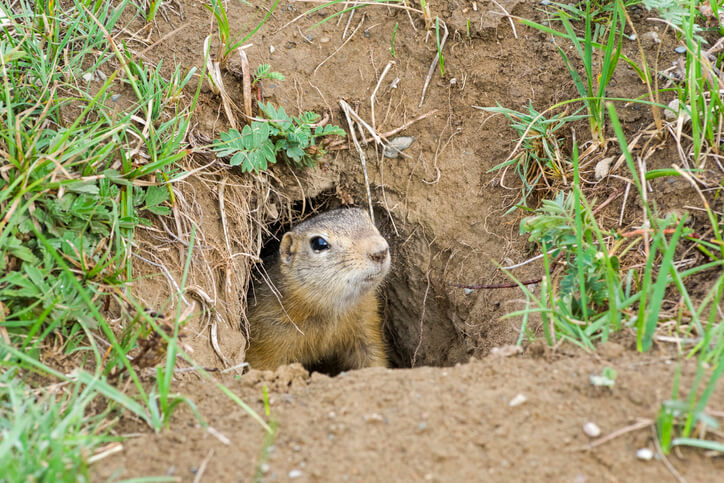
Which gopher control methods have evidence behind them?
UC Integrated Pest Management discusses trapping and appropriately regulated control options as tools for managing active gophers. A targeted approach requires locating active tunnels rather than placing equipment randomly on the surface. The appropriate method depends on property conditions, local rules and safety considerations.
Physical barriers under new raised beds and around selected plant roots can protect high value planting areas. They are best considered during landscaping work, since installing barriers after a mature garden is established can be disruptive.
A practical example
Consider a homeowner who notices a new sign near an area used every day. Rather than applying a generic product, the homeowner documents the location, limits access when appropriate and asks whether the issue is active. This sequence avoids confusing a past sign with a present problem and makes the eventual service discussion more specific.
Do ultrasonic devices and homemade repellents work?
UC IPM does not identify ultrasonic, vibrating or commonly advertised repellent products as reliable landscape protection. A claim that a product is natural does not establish that it works. Repeatedly buying unproven products can delay a more effective response while plants continue to suffer damage.
Flooding tunnels is also unreliable and can waste water or create unwanted drainage problems. Avoid introducing chemicals into burrows without confirming they are legally approved for the intended use.
A practical example
Consider a homeowner who notices a new sign near an area used every day. Rather than applying a generic product, the homeowner documents the location, limits access when appropriate and asks whether the issue is active. This sequence avoids confusing a past sign with a present problem and makes the eventual service discussion more specific.
How should homeowners compare professional options?
Ask how the company verifies active tunnels, what the proposed control method involves, whether repeat visits are included and how results are assessed. Clarify which services cover animal control and which cover irrigation repair, soil restoration or replanting.
Avoid assuming a technician can guarantee that another gopher will never enter an outdoor yard. Nearby landscapes and open ground can support future movement. A useful plan explains what to monitor after service.
A practical example
Consider a homeowner who notices a new sign near an area used every day. Rather than applying a generic product, the homeowner documents the location, limits access when appropriate and asks whether the issue is active. This sequence avoids confusing a past sign with a present problem and makes the eventual service discussion more specific.

Why do honey bees enter Orange County homes?
Protected cavities inside walls, soffits, roofs, chimneys and outbuildings can resemble the enclosed spaces honey bees naturally use. A narrow exterior gap can lead to a much larger interior void. Landscaped yards and nearby flowering plants provide foraging opportunities but do not by themselves mean a hive is present.
The same principles apply across urban and suburban parts of Orange County, although individual property design and available cavities determine where colonies can establish.
A practical example
Consider a homeowner who notices a new sign near an area used every day. Rather than applying a generic product, the homeowner documents the location, limits access when appropriate and asks whether the issue is active. This sequence avoids confusing a past sign with a present problem and makes the eventual service discussion more specific.
What does a complete hive removal involve?
An established colony can contain adult bees, developing brood, wax comb and stored honey. Simply blocking an entrance or killing visible bees does not necessarily remove these materials. UC IPM warns that remaining comb and honey can create odor, leakage and other problems.
A site assessment should identify the colony location and discuss whether opening a structural cavity is necessary. The scope can include bee removal, comb removal, cleanup, repair and sealing appropriate gaps after the colony has been addressed.
A practical example
Consider a homeowner who notices a new sign near an area used every day. Rather than applying a generic product, the homeowner documents the location, limits access when appropriate and asks whether the issue is active. This sequence avoids confusing a past sign with a present problem and makes the eventual service discussion more specific.
Can bees be relocated alive?
Live collection may be feasible for some accessible swarms and colonies, depending on the location, species identification, safety and available expertise. A structural hive in a difficult cavity is not the same as an exposed cluster on a branch.
Ask the service provider to explain the proposed method rather than assuming that every situation can be resolved without opening materials or without risk. Avoid blanket promises about preserving every bee.
A practical example
Consider a homeowner who notices a new sign near an area used every day. Rather than applying a generic product, the homeowner documents the location, limits access when appropriate and asks whether the issue is active. This sequence avoids confusing a past sign with a present problem and makes the eventual service discussion more specific.
What should families avoid doing around a hive?
Do not spray a cluster with a hose, strike the hive, disturb it with power equipment or plug an active entrance. Keep children and pets away from concentrated bee activity. Do not climb onto a roof or open a wall to reach a colony without appropriate expertise and protective equipment.
If a person develops signs of a severe allergic reaction after a sting, seek emergency medical care. Routine bee activity on flowers is different from an active colony beside a doorway.
A practical example
Consider a homeowner who notices a new sign near an area used every day. Rather than applying a generic product, the homeowner documents the location, limits access when appropriate and asks whether the issue is active. This sequence avoids confusing a past sign with a present problem and makes the eventual service discussion more specific.
How can a property owner prevent repeat colonies?
After proper extraction, repair damaged vents, fascia, soffits and openings leading into cavities. Remove hive materials where accessible and appropriate because residual wax odor can attract future scouts. Inspect the area periodically for renewed traffic through the same gap.
Prevention is structural, not a promise that no bee will ever visit the yard. Bees are beneficial pollinators outdoors; the aim is to keep colonies out of inappropriate building spaces.
A practical example
Consider a homeowner who notices a new sign near an area used every day. Rather than applying a generic product, the homeowner documents the location, limits access when appropriate and asks whether the issue is active. This sequence avoids confusing a past sign with a present problem and makes the eventual service discussion more specific.
How to decide on the next step
First, determine whether anyone is in immediate danger. Second, note the location and signs without disturbing the animal or its habitat. Third, decide whether an inspection is needed to confirm active use of the area. Fourth, discuss an appropriate response and the work required after removal. Finally, monitor for new activity and maintain repairs.
A complete plan should make clear what can be established during inspection and what remains uncertain. Wildlife movement and access can change, so avoid treating a single visit as proof that no animal can ever return.
Key Takeaways
- Identify the species or activity before choosing treatment.
- Prioritize safety and do not rely on unproven household remedies.
- Consider prevention, repairs and monitoring as part of the solution.
- Ask for a clear explanation of the proposed scope and limitations.
Conclusion
Effective bee removal in Orange County depends on accurate identification, proportionate action and realistic prevention. We can discuss the signs you are seeing, whether an inspection is appropriate and which next steps fit the property. For service information, call (877) 724-5314 or use our contact page.
Request service from All City Animal Trapping
Frequently Asked Questions About Bee Removal in Orange County
What is the first thing I should do?
Keep a safe distance, record what you can observe without disturbing the animal, and avoid acting until the situation is identified.
How do I know whether the problem is active?
Look for recent repeated activity and ask for an inspection if the signs are ambiguous. Old evidence does not always mean an animal is present now.
Is a do it yourself solution enough?
Basic prevention may help, but structural activity, safety concerns or persistent problems often require species appropriate professional assessment.
Will removal prevent the problem from returning?
Not necessarily. Access points, food sources and shelter may remain. Prevention and monitoring reduce repeat problems but cannot guarantee zero future wildlife visits.
What should I ask before approving service?
Ask about the method, scope, safety precautions, cleanup, repairs, follow up, written pricing and any limits on the service.
When should I request professional help?
Seek help when wildlife is inside a structure, the species is uncertain, there is risk of injury, or damage and activity continue.