

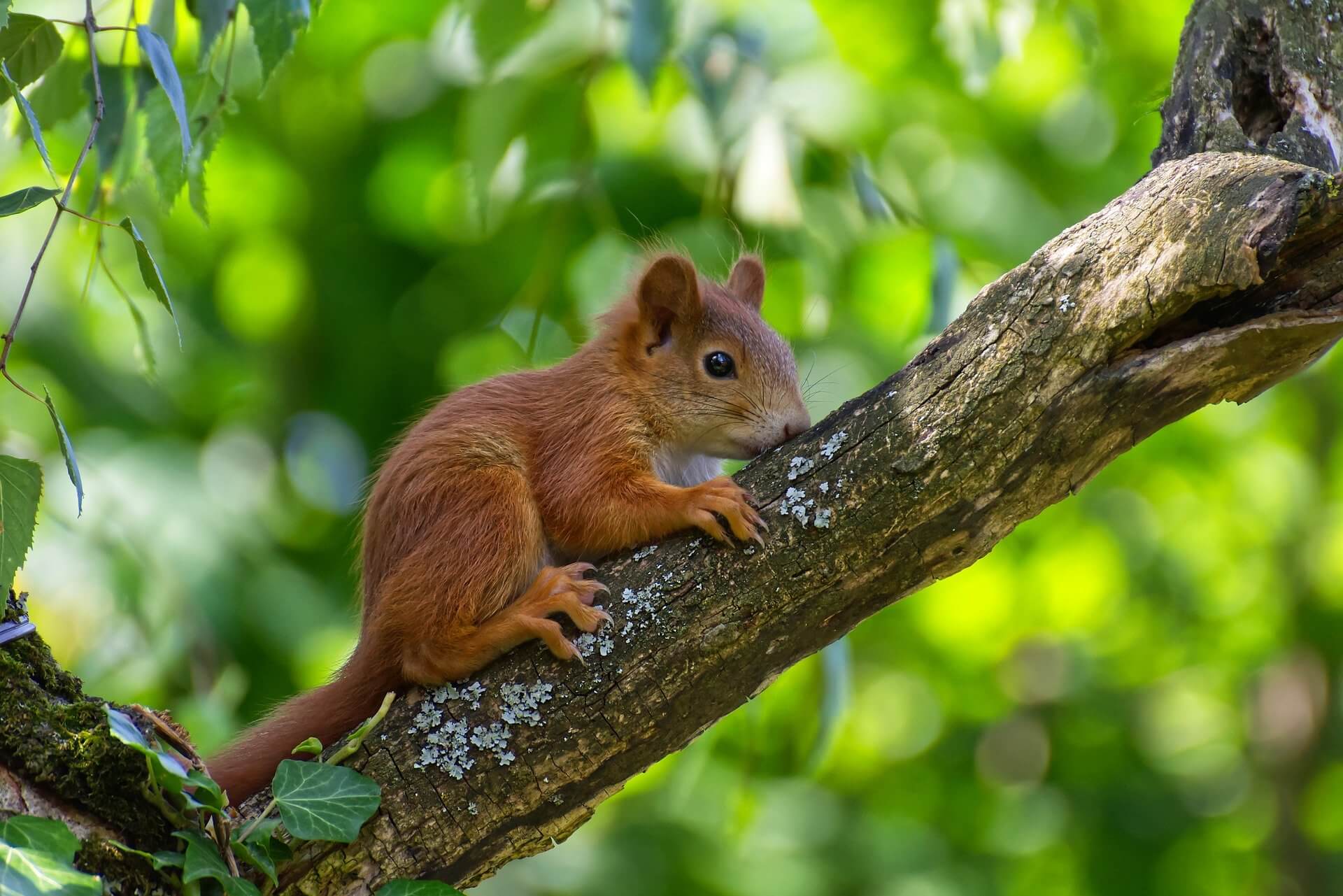
Fast scratching above a bedroom, a squirrel disappearing into a roof opening, or a patch of disturbed insulation can all suggest wildlife activity. But sound alone does not prove that a squirrel is living in the attic. Rats, raccoons, birds and other animals can create similar noises, and each requires a different response.
If you suspect a squirrel in the attic, the safest sequence is to confirm the species, locate the entry route, check for dependent young, remove or exclude the animals appropriately, verify the space is clear and only then repair the opening. Inspecting for droppings, nesting debris, damaged insulation and gnawing completes the process.
At All City Animal Trapping, we approach attic wildlife problems as both an animal activity issue and a building access issue. A squirrel removed today may be replaced by another animal if the opening remains. Equally, sealing a hole too soon can leave animals trapped inside.
What Should You Do First If You Hear a Squirrel in the Attic?
Do not climb onto a roof or immediately plug a suspected entry point. Watch for activity from a safe location and note when the sounds occur. Squirrels are often active during daylight hours, so movement in the morning or afternoon may be a useful clue. However, timing is not reliable enough to identify the species by itself.
If you can safely see the exterior roofline from the ground, look for repeated movement near a vent, eave, soffit or gap in the trim. Take notes or photographs without approaching the animal. Keep pets and children away from any animal that has entered occupied rooms.
A professional assessment becomes more useful when activity repeats, the opening is high or inaccessible, or a nest may be present. The key question is not just where the noise occurs but where the animal enters and whether more than one squirrel is involved.
Why Do Squirrels Choose Attics?
Attics can offer protection from weather, predators and disturbance. Roof cavities and insulation also provide sheltered locations where nesting material may collect. A weak vent screen, loose fascia, deteriorated soffit or opening at a roof transition may provide access to a space that was never designed for wildlife.
The animal may reach the roof by climbing trees, fences or nearby building surfaces. Seeing squirrels in the yard is not proof they live inside, but repeated trips to one opening deserve attention. A small exterior gap can lead into a much larger hidden space.
Some squirrels use an attic briefly, while others may establish a nesting area. The duration of activity affects how much contamination or material damage is present. This is one reason a removal estimate should be based on an inspection rather than an assumption about the number of animals.
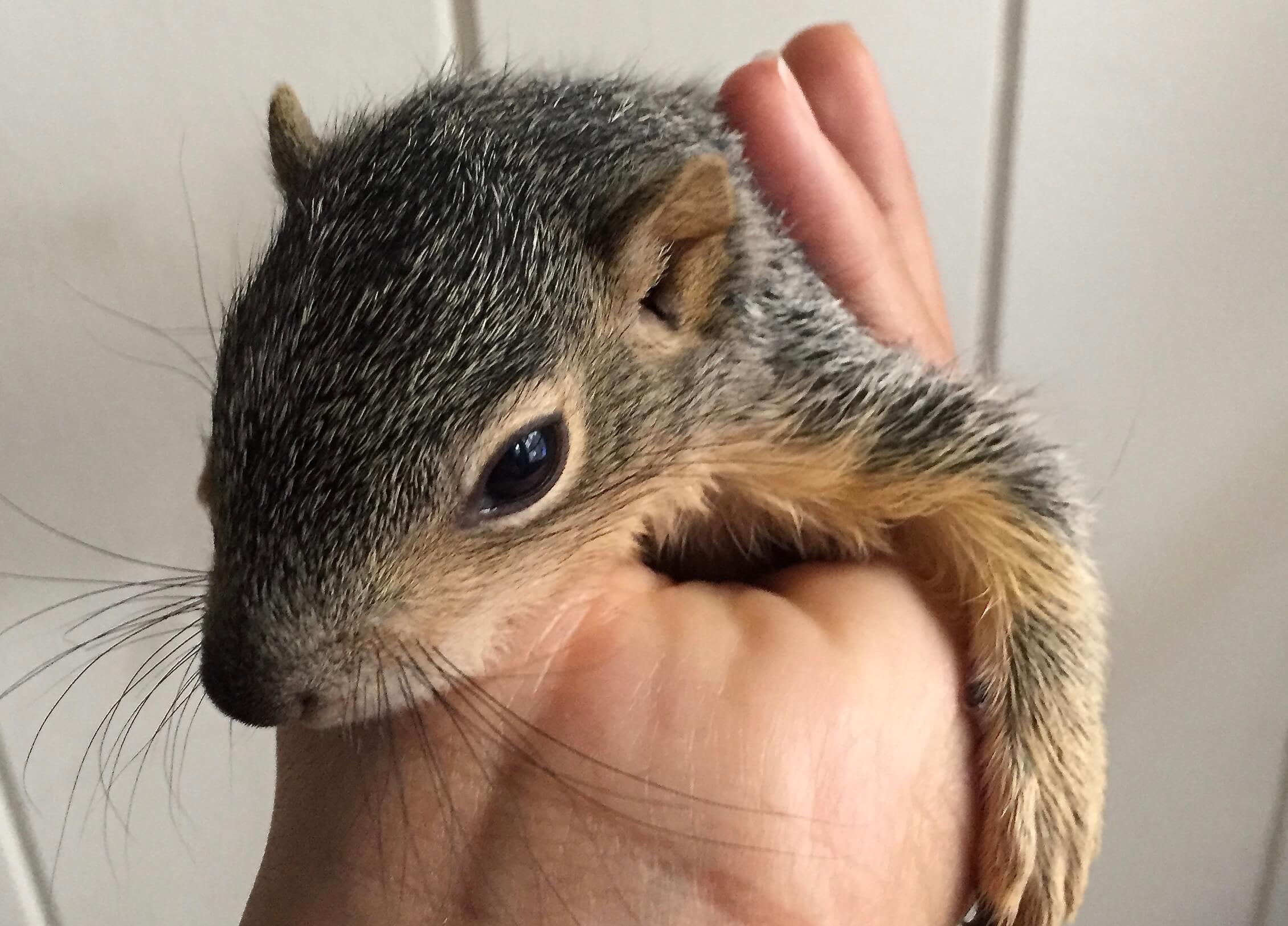
What Are the Most Reliable Signs of Squirrels in the Attic?
Daytime running and scratching
Quick movement across ceiling areas, intermittent scratching and activity near roof edges are possible clues. The sound can travel through framing, so its loudest point may not be the entry location.
Repeated use of a roof opening
A squirrel repeatedly disappearing into the same roofline gap is stronger evidence than a single sighting on the roof. Look for disturbed trim, loose vent material or an opening beneath an eave.
Nests and displaced insulation
Leaves, shredded material or compressed insulation may indicate a nesting area. These signs are not unique to squirrels, so species identification still matters.
Gnaw marks and damaged materials
Squirrels are rodents and gnawing is part of their normal behavior. Marks on wood, vent materials or stored items can support an identification when combined with other evidence.
Droppings and odor
Feces, urine and nesting debris may accumulate where an animal spends time. Avoid identifying the species by handling droppings; sanitation precautions are important regardless of the animal involved.
Is It a Squirrel, Rat, Raccoon or Another Attic Animal?
Not all attic sounds come from squirrels. Rats and mice may also scratch and run through building cavities. Raccoons are larger and may use attic spaces as dens, while birds or bats can enter through different types of openings. The timing, movement pattern, droppings, nesting material and direct sightings together provide a more useful picture than any single clue.
Misidentification can lead to the wrong removal method. A bat exclusion plan, for example, should not be copied from a squirrel plan. Likewise, a raccoon family may require a different approach from a single adult squirrel. When the evidence is unclear, avoid treating a guess as a confirmed diagnosis.
What Damage Can Squirrels Cause Inside an Attic?
Squirrels can move or compress insulation, bring nesting material into cavities, leave droppings and urine, and gnaw wood or other materials. A long occupied attic may require more cleanup than a short visit, but the extent cannot be established without inspecting the space.
Electrical wiring deserves special caution. Rodents may gnaw materials around wiring, and exposed or damaged wiring can create a safety concern. A wildlife removal technician can report visible signs, but electrical inspection and repair should be handled by a qualified electrician.
Damaged vents, soffits and roof edges can also permit moisture or other animals to enter. A proper completion review should distinguish wildlife removal from building repairs and explain which work is included in the service.
How Does Professional Squirrel Removal Work?
Step 1: Confirm the animal
An inspection looks for direct sightings, tracks, droppings, nesting materials, entry openings and activity patterns. This helps prevent using the wrong removal strategy.
Step 2: Identify every relevant entry point
Roofline gaps, soffits, vents and other weak areas should be checked. Repairing only the first visible hole may leave another route open.
Step 3: Check for young squirrels
Before exclusion or final sealing, determine whether dependent young may be present. Separating young from the mother can create welfare and building problems.
Step 4: Choose an appropriate removal or exclusion method
The plan depends on the species, number of animals, accessibility, local rules and presence of young. The provider should explain what the method does and does not guarantee.
Step 5: Verify the attic is clear
Permanent closure should follow reasonable confirmation that animals are no longer using the space. The exact monitoring approach depends on the property and method.
Step 6: Repair openings and evaluate damage
After removal, suitable openings can be repaired and the attic inspected for contaminated insulation, nesting debris, odors and gnawing. Additional work should be explained before it is approved.
Why Is Exclusion Necessary After Squirrel Removal?
Removing a squirrel solves the immediate animal problem, but it does not repair the building. Exclusion means correcting appropriate access points so the same opening is less likely to be used again. This may include replacing a damaged vent screen, securing trim or repairing a vulnerable soffit.
The repair must also preserve the building component’s intended function. An attic vent should not simply be blocked in a way that prevents necessary ventilation. Work near rooflines may require appropriate roofing or construction expertise.
No exterior repair can promise that wildlife will never approach the property. The realistic goal is to reduce accessible openings and monitor vulnerable areas over time.
Should You Use Poison or Try to Trap a Squirrel Yourself?
Poison is not an appropriate shortcut for a squirrel inside a building. An animal may die in a wall or inaccessible cavity, leaving an odor and a separate carcass removal problem. Poison also leaves the entry route untouched.
Do it yourself trapping or one way exclusion can be difficult when there are multiple openings, dependent young or uncertain species identification. Improperly timed sealing can trap animals inside. Rooftop work also introduces fall hazards, while attic spaces may contain nails, wiring and other obstacles.
Simple observation and routine exterior maintenance may be manageable for homeowners. Active nesting, inaccessible roof openings, recurring entry and extensive contamination are stronger reasons to request professional help.
What Should Be Cleaned or Repaired After the Squirrel Is Gone?
Once the space is clear, check for droppings, urine affected materials, nesting debris, damaged insulation and chewed components. Localized contamination may require limited cleaning, while widespread damage may call for a broader attic sanitation or insulation plan.
Avoid dry sweeping or vacuuming untreated rodent droppings. The Centers for Disease Control and Prevention recommends wetting contaminated material with disinfectant before removal to reduce the risk of stirring particles into the air. Follow current public health guidance and seek specialist help when contamination is extensive.
For cleaning precautions, consult the CDC guidance on cleaning up after rodents.
If wiring looks damaged, have a qualified electrician assess it. If roofing or ventilation components are affected, repairs should be handled by someone with the appropriate building expertise. The wildlife plan should identify these follow up needs without claiming to replace those trades.
How Can You Prevent Squirrels From Returning?
Inspect roof transitions, soffits, eaves, vents and previously repaired areas from safe vantage points. Repair loose trim and damaged screens, and monitor for new signs of use. Vegetation that creates direct access to a vulnerable roof section may be worth evaluating, although healthy trees do not automatically need to be removed.
Manage accessible birdseed, pet food and stored food around the property. These steps reduce attractants but do not substitute for repairing a structural opening. The most effective prevention plan combines maintenance, exclusion and monitoring.
Homeowners should also distinguish routine squirrel activity outdoors from an actual building intrusion. A squirrel crossing a fence is not the same as one repeatedly entering a roof cavity.
When Should You Call a Squirrel Removal Professional?
Consider requesting an inspection when movement sounds persist, squirrels repeatedly enter a roof opening, a nest or young animals may be present, roof access is unsafe, or insulation and stored materials appear damaged. Recurring activity after a previous repair is another reason to examine the full exterior rather than simply patching the same spot again.
Ask the provider how the species will be confirmed, whether young are considered, which openings will be addressed, how clearance is verified and what cleanup or repairs are included. A clear written scope makes it easier to compare options.
Learn more about our animal removal services and contact us to discuss a property inspection.
Key Takeaways
- Daytime attic noise may suggest squirrels, but it does not confirm the species.
- Never permanently seal an active opening before checking for animals and dependent young.
- Removal, exclusion, cleanup and repairs are separate parts of a complete solution.
- A qualified electrician should evaluate suspected wiring damage.
- Prevent repeat access by repairing suitable openings and monitoring the roofline.
Conclusion
A squirrel in the attic is best treated as a wildlife identification and building access problem. The immediate concern is whether an animal is inside. The longer term concern is why it entered and what damage or contamination remains after removal.
At All City Animal Trapping, we can discuss attic wildlife activity, inspection, removal and exclusion options. The right next step depends on the species, the opening, the presence of young and the condition of the attic.
For help with suspected attic squirrels, contact All City Animal Trapping to request an inspection.
Frequently Asked Questions About Squirrels in the Attic
How can I tell whether squirrels are in my attic?
Common clues include daytime running sounds, gnawing, disturbed insulation, nesting debris and repeated entry through a roof opening. An inspection is needed when the species remains uncertain.
Should I seal the hole after seeing a squirrel leave?
Not until you have reasonably confirmed that no squirrels or dependent young remain inside. Sealing too early can trap animals.
Can squirrels damage electrical wires?
Squirrels are rodents and may gnaw building materials, including wiring. Suspected electrical damage should be assessed by a qualified electrician.
Do squirrels usually make noise at night?
Many tree squirrels are primarily active during the day. Nighttime noises may suggest other animals, but sound timing alone cannot confirm the species.
Can attic insulation need replacement after squirrels?
Yes, when insulation is significantly contaminated, damaged or displaced. The need for replacement depends on an inspection of the affected area.
Will trapping a squirrel stop others from entering?
Not if the building remains accessible. Removal and structural exclusion work together to reduce recurring entry.
When should I hire a professional?
Seek help for repeated activity, inaccessible roof openings, possible dependent young, extensive contamination or an uncertain species.