

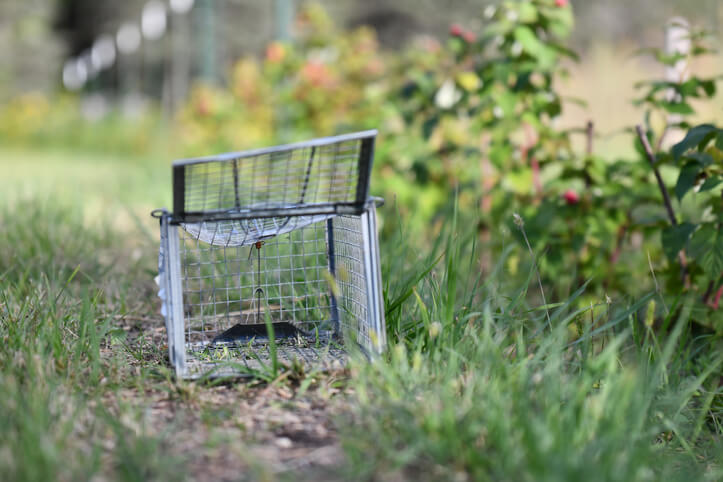
Animal trapping is the controlled capture or removal of nuisance wildlife that is damaging property, entering buildings, creating sanitation concerns, or presenting a potential safety issue for your household or business.
But professional animal trapping should involve more than simply catching one animal and moving on. A complete wildlife-control approach starts with a thorough property inspection and accurate species identification followed by the right removal method for that specific animal, structural repairs or exclusion work where needed, and practical steps to reduce the chance of the problem recurring.
At All City Animal Trapping, we provide residential and commercial animal trapping and wildlife removal services across Los Angeles County, Orange County, Riverside County, and San Bernardino County. Our services include inspection, trapping, removal, entry-point sealing, attic cleanup, and structural repairs because resolving a wildlife problem properly means addressing all of it, not just the animal you can see.
What Is Animal Trapping?
Animal trapping is one component of professional wildlife control not the entire solution.
The goal is to resolve a specific wildlife problem using a method appropriate for the species, property, and situation. In some cases, trapping is the right approach. In others, exclusion, deterrence, or direct removal may be more effective.
A professional wildlife-control assessment typically examines several connected issues:
- What species is present on the property
- Where the animal is entering the structure
- Why the property is attracting it in the first place
- Whether dependent young animals are involved
- Whether contamination, droppings, or structural damage is present
- What can be changed to prevent the same access point from being used again
This is why trapping alone is not always a complete solution. If an animal entered through a damaged roof vent, an open crawl-space access panel, or a gap in the soffit, removing the animal without addressing the opening may leave your property vulnerable to the same problem or a different animal returning within weeks.
When Is Animal Trapping Necessary?
Seeing wildlife outdoors does not automatically mean trapping is required. Many wild animals move through Southern California’s residential neighborhoods without causing damage or entering structures.
Professional help becomes necessary when wildlife begins living inside a structure, repeatedly damaging property, creating a sanitation concern, or returning despite basic prevention efforts.
Common signs that justify a professional inspection include:
- Scratching, movement, or vocal sounds in an attic, ceiling, wall, or crawl space
- Droppings, nesting materials, or strong animal odors inside or around the home
- Damaged vents, soffits, rooflines, or crawl-space access panels
- Animals repeatedly getting beneath a deck, porch, or the home’s foundation
- Torn insulation or other visible wildlife damage
- Repeated garbage disturbance or food source interference
- Evidence of an animal returning to the same access point
- A wildlife problem you cannot safely identify or reach
If you are hearing movement overhead or believe something is living in your attic, our dedicated animal-in-attic inspection and removal service is more appropriate than attempting to place a trap without first identifying what is inside. All City provides attic trapping, entry-point sealing, and attic cleanup and repair services as part of a complete approach.
What Animals May Require Professional Trapping or Removal?
Southern California’s urban, suburban, and hillside environments are home to a wide range of wildlife species and the appropriate removal method varies significantly depending on which animal is involved.
Raccoons
Raccoons are highly adaptable and commonly use attics, chimneys, crawl spaces, and decks as den sites. They are also capable climbers meaning ordinary yard fencing provides limited protection. As the UC Integrated Pest Management Program notes, raccoons can climb over or dig under standard fencing, which is why structural exclusion and food-source management are generally more effective. Learn more about our raccoon removal services.
Skunks
Skunks commonly shelter beneath buildings, decks, and other protected spaces. They can also damage turf while foraging. Removal requires careful handling due to their defensive spray, and the correct method depends heavily on where the animal is located. See our skunk removal services for more detail.
Squirrels
Squirrels can enter attics and wall cavities through roof gaps, vents, or damaged exterior materials. Once inside, the problem typically requires both animal removal and repair of the entry point to prevent re-entry. Visit our squirrel removal page for more information.
Rats and Mice
Rodent control requires a broader strategy than simply removing visible animals. Sealing all possible access points is a critical part of any effective plan. All City provides rat and mouse removal services across Southern California.
Opossums
Opossums sometimes shelter beneath structures or find their way into garages and crawl spaces. Not every sighting requires removal, but repeated denning or confirmed entry into a structure warrants a professional assessment. See our opossum removal services.
Bats and Birds
Bats and most bird species require exclusion rather than conventional trapping, and many are protected under California state or federal law. Correct species identification is critical before any removal attempt is made. All City handles both bat removal and bird removal in compliance with all applicable regulations.
Snakes, Coyotes, and Gophers
Wildlife problems are not limited to attics. Snakes may enter yards, garages, or structures. Coyotes can create ongoing conflicts in residential areas. Gophers cause significant damage to lawns and landscaping. All City provides professional removal services for all of these species across our Southern California service area.
How Professional Animal Trapping Works
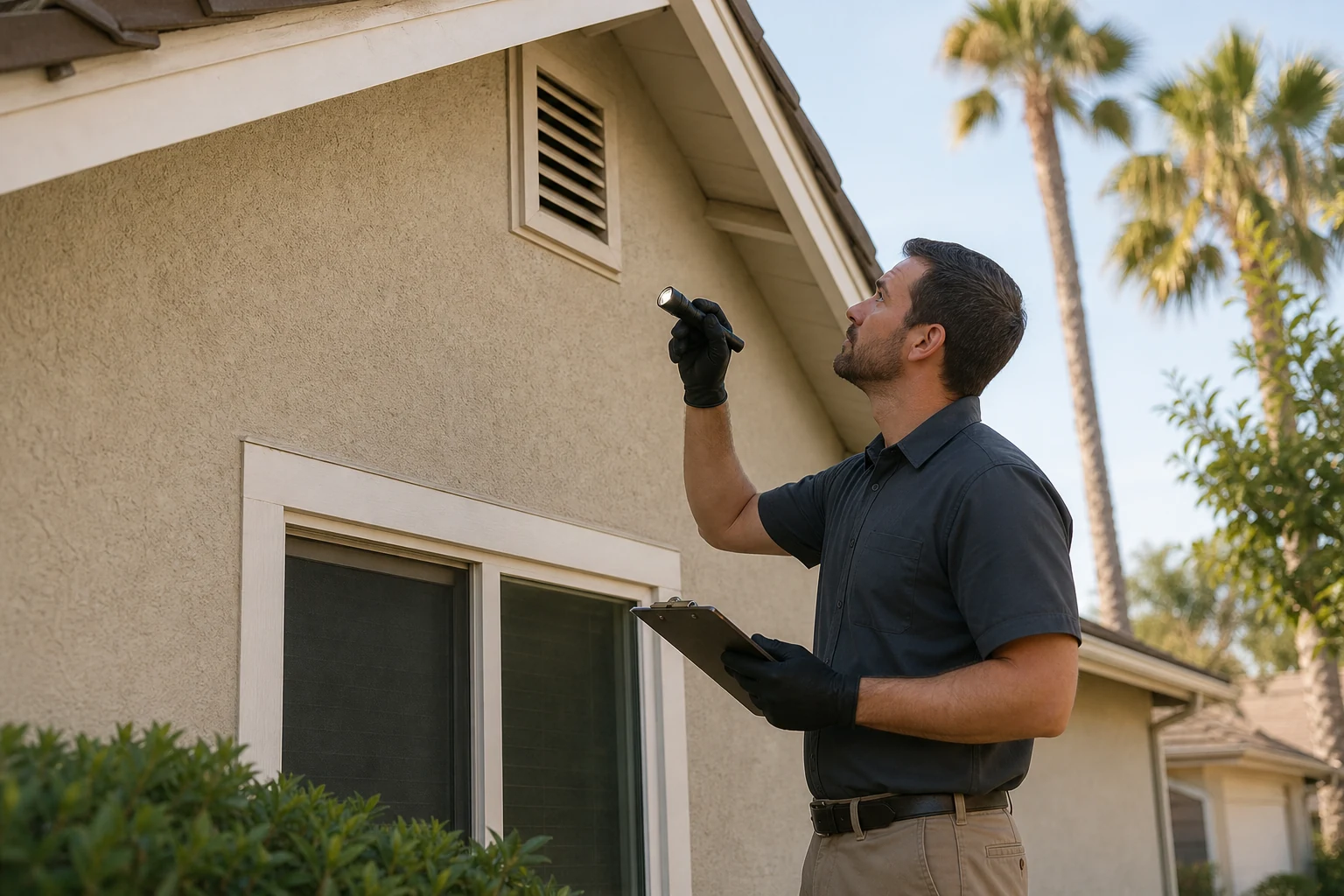
A well-planned wildlife-control service follows a structured process not a one-size-fits-all approach.
Step 1 Inspect the Property
The process begins with a thorough property inspection. A trained wildlife technician looks for tracks, droppings, nesting materials, damaged vents, openings around the roofline, crawl-space access points, burrows, and odors that help identify the species and its travel route. Critically, the inspection also determines whether trapping is actually the most appropriate solution.
Step 2 Identify the Animal Correctly
Different species require fundamentally different responses. The size of an entry point, location of droppings, time of peak activity, and type of damage all provide useful identification clues but wildlife should never be identified from a single sign alone. Correct identification matters because legal protections, trapping methods, exclusion timing, and safety considerations vary significantly by species under California law.
Step 3 Choose the Right Removal Method
Depending on the species, location, and severity of the problem, the appropriate solution may involve cage trapping, species-specific traps, one-way exclusion devices, direct removal, deterrence measures, or another lawful control method. The method chosen should be based on the actual wildlife problem not simply placing a trap wherever the animal was last seen.
Step 4 Follow California Wildlife Regulations
California wildlife law is an important and often misunderstood part of professional animal trapping. The California Department of Fish and Wildlife states that nuisance wildlife cannot simply be trapped and released in a different location without written authorisation. As UC IPM also notes, relocating raccoons and other wildlife without the required permits is prohibited under California law.
Step 5 Address the Entry Point and Prevent Re-Entry
Once the animal is removed, the access point must be identified and addressed. Follow-up work may include sealing gaps, repairing or replacing damaged vents, fixing soffit or roofline damage, cleaning contaminated areas, neutralising odors, and removing the food or shelter conditions that initially attracted the animal to the property.
Trapping addresses the animal that is present today. Exclusion and prevention address the reason another animal might appear tomorrow.
Is Animal Trapping Safe?
Professional animal trapping reduces direct contact between residents and wildlife, which is generally the safest approach but not every wildlife encounter carries the same health risk. Risk depends on the species, type of exposure, and specific circumstances of contact.
As an example, raccoon feces can contain eggs from the roundworm Baylisascaris procyonis. The CDC notes that infection can occur through accidental ingestion of infective eggs from contaminated soil, water, or objects, and recommends avoiding contact with raccoon latrines and taking careful precautions when cleaning contaminated areas.
DIY Animal Trapping vs. Professional Animal Trapping
Not every wildlife situation requires immediate professional intervention. Securing trash containers, removing outdoor pet food, cleaning up fallen fruit, repairing known exterior gaps, and eliminating attractants can reduce wildlife activity around a property.
UC IPM recommends reducing food sources and den opportunities as a first step when managing raccoons and other wildlife around homes including securing garbage, removing pet food left outdoors, and blocking structural access where possible.
Professional help is the right choice when:
- An animal has entered your home or is living inside the structure
- You cannot confidently identify the species
- Young animals may be present inside
- The animal is difficult to safely reach or access
- The problem keeps returning despite prevention efforts
- Structural damage or contamination is involved
- You are unsure which California wildlife regulations apply
The relevant question is not simply “Can I place a trap?” it is “Will trapping actually solve the whole problem safely, legally, and permanently?”
How to Prevent Wildlife From Returning
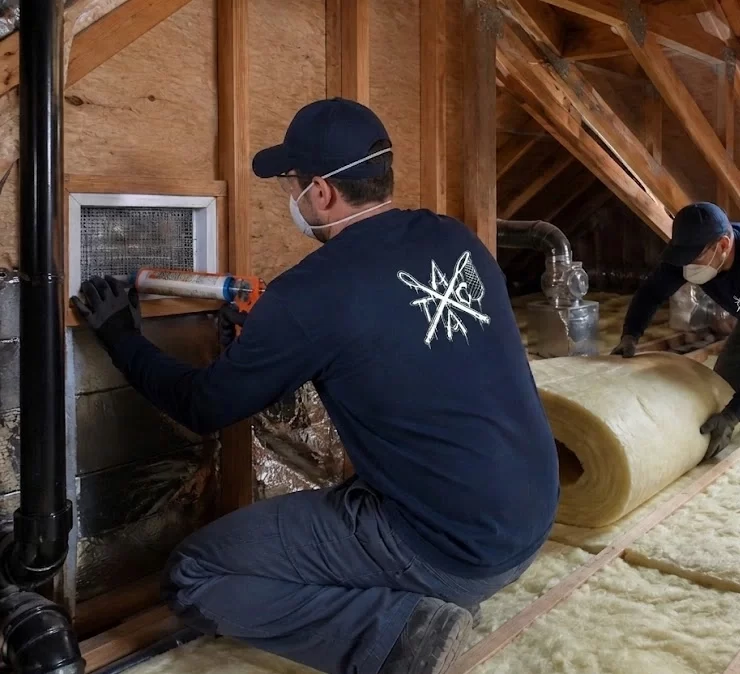
Prevention works best when it targets both access and attraction at the same time. Practical steps to reduce future wildlife problems include:
- Keep garbage containers fully secured at all times
- Avoid leaving pet food outdoors overnight
- Remove fallen fruit from the ground regularly
- Inspect vents, rooflines, and soffits for damage or gaps
- Maintain crawl-space access panels and perimeter barriers
- Repair any structural openings promptly before wildlife discovers them
For species such as raccoons, standard yard fencing offers minimal protection because the animals can climb or dig around most barriers. Structural exclusion targeted at the actual entry point is almost always more effective.
Animal Trapping Across Southern California
Wildlife-control needs vary considerably across the region. Dense urban neighborhoods, hillside properties, coastal communities, and suburban developments each experience different patterns of animal activity and the solution needs to match the specific property and species involved.
All City Animal Trapping provides residential and commercial wildlife removal services across:
Our services across all locations include inspection, trapping, removal, entry-point sealing, attic cleanup, and structural wildlife repairs.
Frequently Asked Questions Animal Trapping in Southern California
What is animal trapping?
Animal trapping is the controlled capture or removal of nuisance wildlife from a home, business, or property. Professional wildlife control typically also includes inspection, exclusion, structural repairs, cleanup, and prevention steps not just the removal of the animal itself.
When should I call a professional animal trapper?
Call a professional when an animal has entered a building or structure, you cannot confidently identify the species, the problem keeps returning, young animals may be present, property damage or contamination is involved, or you are unsure how California wildlife laws apply to your situation.
Can I trap wildlife and release it somewhere else in California?
In general, no. The California Department of Fish and Wildlife prohibits relocating nuisance wildlife to another location without written authorisation. Rules vary by species, so current state regulations should be confirmed before attempting any trapping or relocation.
Is animal trapping the same as animal removal?
Not exactly. Trapping is one specific method of removal. Animal removal is a broader term that can include cage trapping, one-way exclusion devices, direct removal, deterrence, structural repairs, cleanup, and ongoing prevention.
What animals does All City Animal Trapping handle?
All City provides services for raccoons, squirrels, skunks, rats and mice, opossums, bats, birds, snakes, coyotes, gophers, and other wildlife situations across Los Angeles, Orange, Riverside, and San Bernardino counties.
What should happen after an animal is trapped?
The property should be assessed for the entry point that allowed access, any structural damage, nesting material, contamination, or conditions that may attract another animal. Repairs, entry-point sealing, and sanitation work are often needed to prevent a repeat problem.
How do I stop animals from getting into my attic?
Start by identifying how the animal is entering. Common problem areas include roof gaps, deteriorated vents, open soffits, and other exterior openings. Do not seal any entry point until you have confirmed the animal and any dependent young have been fully removed. Our attic animal removal service combines professional removal with entry-point sealing and repair.
Does All City Animal Trapping serve both residential and commercial properties?
Yes. All City provides wildlife removal services for both residential homes and commercial properties across Los Angeles, Orange, Riverside, and San Bernardino counties. Visit our animal removal services page for full details.
Ready to Resolve Your Wildlife Problem?
If you are hearing movement in the attic, finding droppings, noticing damage around an entry point, or dealing with wildlife that keeps returning the first step is identifying the animal and understanding exactly how it is using your property.
All City Animal Trapping provides professional animal trapping, wildlife removal, attic services, and structural wildlife repairs across Los Angeles, Orange, Riverside, and San Bernardino counties.