

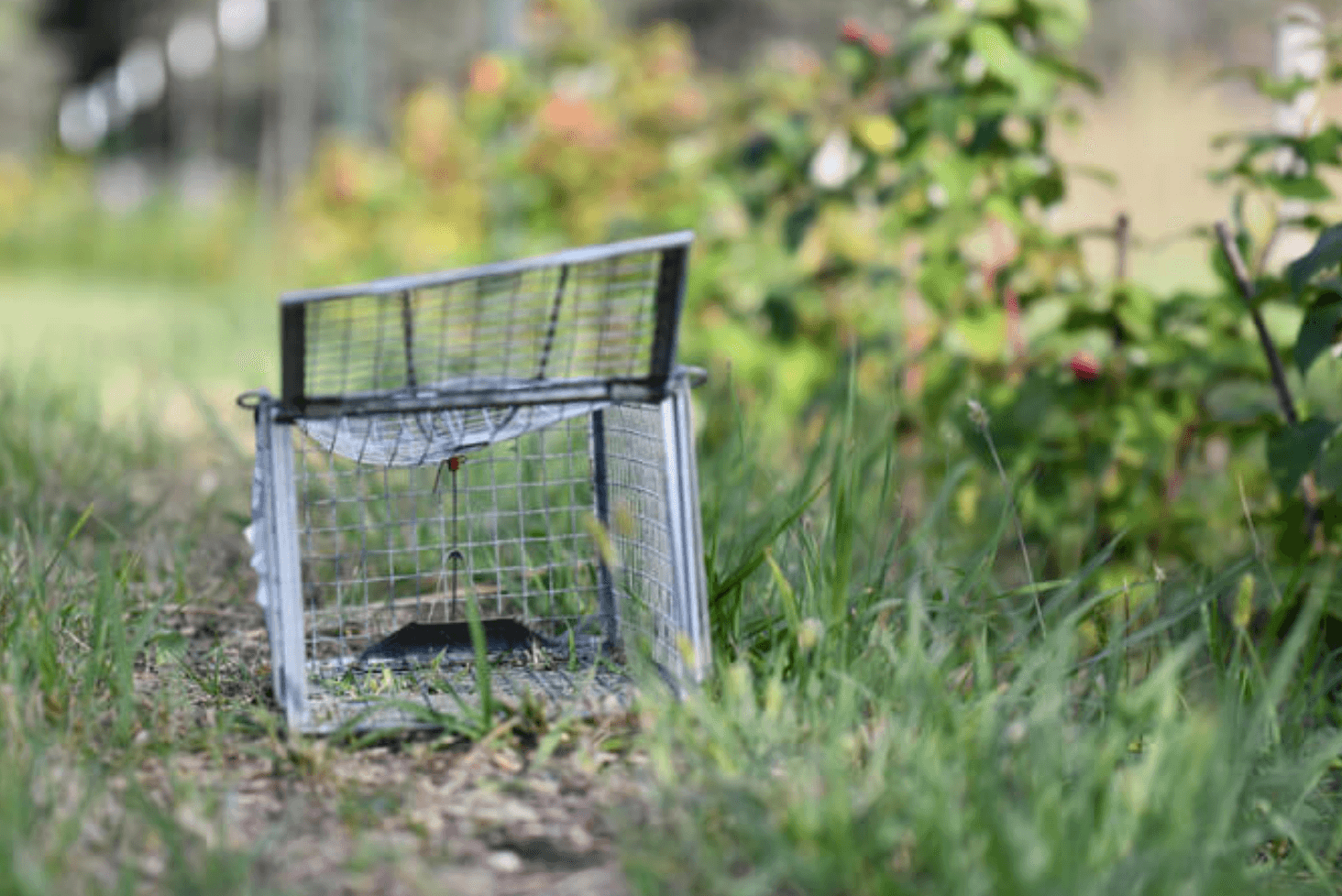
Hearing scratching in your attic, finding droppings in the garage, or discovering an animal living beneath your home can be unsettling. You may not know what kind of animal is responsible, how it entered, or whether it is safe to approach.
Wildlife problems can also be more complicated than they first appear. An animal seen in the yard may simply be passing through, while repeated activity inside a building can indicate an established shelter or nesting site.
A professional animal trapping service helps identify unwanted wildlife, evaluate the risks, and determine an appropriate removal plan while addressing the conditions that allowed the animal onto the property. Depending on the situation, that plan may involve trapping, other removal methods, exclusion repairs, or a combination of approaches.
At All City Animal Trapping, we help homeowners and property managers throughout Los Angeles, Orange County, and surrounding Southern California communities investigate wildlife activity and find practical solutions. We focus on identifying the animal, understanding the property’s vulnerabilities, and helping reduce the chance of another intrusion.
What Is a Professional Animal Trapping Service?
An animal trapping service assists property owners with unwanted wildlife that has entered buildings or is creating a problem around the property.
Although trapping is part of the service, it is not necessarily the first or only solution.
A professional assessment should establish what animal is involved, whether it is actually causing a problem, where it is entering, and whether young animals may be present.
For example, a raccoon living inside an attic requires a different response from an opossum occasionally crossing a backyard. Likewise, a rat infestation inside a wall cavity is not handled the same way as a skunk using a sheltered space beneath a deck.
The appropriate method depends on the animal, the location, site conditions, and applicable wildlife regulations.

Animal trapping versus wildlife exclusion
Trapping focuses on capturing an animal when that method is appropriate and permitted.
Wildlife exclusion focuses on preventing animals from entering or reentering a structure.
Exclusion may involve repairing damaged vents, closing vulnerable gaps, or protecting openings around roofs, foundations, and other building features.
Both approaches can be important, but the sequence matters. Sealing an opening before confirming that animals are out can trap them inside.
A complete wildlife management plan considers the immediate animal problem and the conditions that could allow it to happen again.
What Types of Animals May Require Trapping or Removal?
Southern California has a wide range of wildlife living near residential and commercial properties. Some animals pass through without causing trouble. Others may enter attics, crawlspaces, garages, or enclosed areas where their presence creates safety and property concerns.
Raccoons
Raccoons are strong climbers that may access attics, chimneys, and roof spaces through damaged openings. They can disturb insulation, leave droppings, and create nesting areas.
A raccoon using an attic as a den requires careful assessment, particularly when young animals may be present. Our raccoon removal services focus on evaluating the activity and determining appropriate removal and prevention measures.
Rats and mice
Rodents can enter through small gaps around vents, foundations, and utility penetrations. Once inside, they may contaminate stored materials, damage insulation, and gnaw vulnerable building components.
Trapping may be one part of a rodent control plan, but identifying entry points and reducing accessible food sources are also important.
Skunks
Skunks may shelter beneath decks, sheds, porches, and raised structures. They usually avoid confrontation but can spray when frightened or cornered.
A skunk using a sheltered space should not be chased or trapped without considering the risk of defensive behavior and the possibility of dependent young.
Opossums
Opossums may take shelter beneath buildings or inside accessible outdoor structures. They can also visit yards while searching for food.
Not every opossum sighting requires intervention. Removal decisions should depend on whether the animal is causing a specific problem.
Squirrels
Squirrels may enter attics through damaged roof vents, gaps near eaves, or deteriorated roofline components.
Their nesting activity and gnawing behavior can affect insulation and other materials.
The correct response involves identifying active access points and coordinating removal with repairs.
Birds and bats
Birds and bats require species-specific assessment. Their legal protections, biology, and appropriate exclusion methods can differ substantially from those used for common nuisance mammals.
Trapping is not necessarily appropriate. Some situations require specialized exclusion methods and seasonal considerations.

When Should You Call an Animal Trapping Service?
Seeing an animal outdoors does not automatically mean it needs to be removed.
Wildlife is part of Southern California’s environment, and many animals can pass through a neighborhood without creating a problem.
Professional help becomes more appropriate when animals enter occupied structures, repeatedly use sheltered building spaces, cause property damage, or create a potential safety concern.
Common warning signs include scratching inside walls or ceilings, droppings in the attic, damaged vent covers, persistent animal odors, and repeated sightings near the same building opening.
You may also notice disturbed insulation, nesting materials, or signs of digging around a foundation.
The important question is whether there is evidence of an actual intrusion rather than simply an animal visiting the yard.
What if you cannot identify the animal?
You do not need to know the exact species before requesting an inspection.
Different animals can produce similar noises, and identifying wildlife from sound alone is unreliable.
A proper assessment can help narrow down the likely animal and identify where it may be entering.
How Does a Professional Animal Trapping Service Work?
The original purpose of an animal trapping service is to resolve a wildlife problem, but an effective process should go beyond capturing an animal.
Step 1: Inspect the property
We begin by discussing what the homeowner has noticed, including sounds, sightings, odors, and areas of suspected activity.
We then evaluate accessible locations for evidence of wildlife.
This may include attic spaces, crawlspaces, roofline openings, garages, or exterior structures.
Step 2: Identify the animal and entry points
The species determines which control methods may be appropriate.
We also look for vulnerable openings and conditions that encourage animals to remain on the property.
Step 3: Develop an appropriate removal plan
Not every wildlife problem requires trapping.
Depending on the animal and circumstances, removal, exclusion, or another lawful wildlife management method may be appropriate.
The plan should account for animal welfare, household safety, and whether dependent young may be present.
Step 4: Complete the removal process
When trapping is appropriate, the equipment and handling procedures must suit the species and comply with applicable regulations.
Homeowners should not assume that captured wildlife can be transported and released anywhere they choose.
California wildlife rules can restrict relocation and handling.
Step 5: Assess contamination or damage
Once the animal issue is resolved, we consider whether nesting materials, droppings, damaged insulation, or other affected materials require attention.
Some properties need only limited cleanup. Others may require more extensive work.
Our attic cleaning and repair services can help when wildlife activity has affected attic materials.
Step 6: Recommend exclusion and prevention
The final stage is identifying how the property can be made less accessible to wildlife.
This may involve repairing vents, protecting gaps, improving trash storage, or addressing other conditions that attract animals.
A removal without prevention may leave the property vulnerable to another intrusion.
Why Is DIY Animal Trapping Risky?
A homeowner may assume that placing a cage trap in the yard is a simple way to remove an unwanted animal.
However, several things can go wrong.
First, the animal may be misidentified. Different species require different handling methods, and some have specific legal protections.
Second, a trapped animal may bite, scratch, or spray when approached.
Third, trapping an adult animal may leave dependent young behind in an attic, crawlspace, or other concealed space.
Finally, the legal requirements for wildlife trapping, possession, and relocation can vary by species and location.
The California Department of Fish and Wildlife provides information about living with wildlife and responding to wildlife conflicts.
For these reasons, we recommend an inspection before attempting to trap or relocate an animal yourself.
Is Humane Animal Trapping Always the Best Solution?
Humane wildlife management begins with selecting an appropriate response rather than assuming every animal must be trapped.
Sometimes an animal is merely passing through the property.
In other cases, an animal may be inside a building and require professional intervention.
A humane approach considers the species, the animal’s condition, the presence of young, and the risks associated with each available method.
It also recognizes that capture itself can cause stress or injury if equipment is unsuitable or poorly managed.
No trapping method should be described as completely risk-free.
At All City Animal Trapping, we aim to recommend practical, species-appropriate solutions while considering the safety of homeowners and the animals involved.
What Happens After the Animal Is Removed?
Removing the animal addresses the immediate problem, but it may not address why the animal entered.
For example, a raccoon removed from an attic may have entered through a damaged roof vent. If that opening remains accessible, another animal could use it later.
Similarly, trapping rats without identifying their entry points and food sources may not resolve recurring rodent activity.
Repair vulnerable openings
Common access points include damaged vents, gaps near roof edges, deteriorated soffits, and openings around utility lines.
The repair materials should be appropriate for the structure and the type of animal involved.
Address wildlife contamination
Animal droppings, urine, and nesting debris can require special handling.
The extent of cleaning depends on the affected materials and the amount of contamination.
Reduce attractants
Secure trash, store pet food properly, and address accessible food sources.
These steps can help make the property less attractive to nuisance wildlife.
Monitor for new activity
After removal and repairs, pay attention to new scratching sounds, droppings, or disturbed materials.
Recurring signs may indicate another entry point or a different animal.
How Much Does an Animal Trapping Service Cost?
The cost of professional animal trapping varies because each property and wildlife problem is different.
A straightforward issue involving an accessible outdoor area may require less work than an active infestation inside a difficult-to-reach attic.
Factors affecting the scope of service include:
-
The species and number of animals involved.
-
The location and accessibility of the animals.
-
Whether dependent young are present.
-
The trapping or removal methods required.
-
The number of entry points.
-
The extent of damage or contamination.
-
Whether exclusion repairs or cleanup are necessary.
An inspection helps determine which services are actually needed.
At All City Animal Trapping, we recommend evaluating the property before making assumptions about the work involved.
How to Choose an Animal Trapping Company in Southern California
Not every wildlife problem requires the same skills or equipment.
When comparing providers, look for a company that can explain its inspection process, removal methods, and approach to preventing repeat problems.
Ask whether the proposed service includes identifying entry points and whether additional cleanup or repairs may be necessary.
It is also reasonable to ask how the company handles situations involving dependent young or species-specific legal requirements.
Avoid relying solely on promises that an animal will be removed immediately or that wildlife will never return.
An effective wildlife management plan should reflect the actual conditions of the property.
Animal Trapping Services Across Los Angeles and Orange County
Wildlife conflicts can occur in both densely developed neighborhoods and areas near open space.
Homes in Los Angeles may experience rodent activity in attics and walls, while properties with raised decks or crawlspaces may provide shelter for skunks or opossums.
Orange County homeowners may encounter similar problems, particularly where landscaped yards, rooflines, and accessible outdoor food sources attract animals.
Commercial properties can also experience wildlife activity around loading areas, storage spaces, and building exteriors.
We help property owners understand the situation and determine which removal and prevention measures may be appropriate.
If you are dealing with wildlife inside a building or repeated activity around your property, our animal removal and trapping services provide a starting point for arranging an assessment.
Key Takeaways
-
Animal trapping is one possible wildlife management method, not the only solution.
-
Proper species identification helps determine the safest and most appropriate response.
-
Trapping and relocation must comply with applicable wildlife regulations.
-
Removing an animal without addressing entry points can lead to recurring problems.
-
Attic contamination and building damage may require additional cleanup or repairs.
-
A professional inspection helps establish the actual scope of the wildlife issue.
Frequently Asked Questions About Animal Trapping Services
What does an animal trapping service do?
An animal trapping service identifies nuisance wildlife, evaluates the property, and recommends appropriate removal or control measures. Services may also include exclusion recommendations and assessment of wildlife-related damage.
Is professional animal trapping humane?
Professional trapping can be part of a humane wildlife management plan when appropriate methods are used. However, trapping carries risks, and exclusion or other approaches may be preferable depending on the situation.
Can I trap a raccoon or skunk myself?
Wildlife trapping can create safety and legal concerns. California rules vary by species and circumstances, so professional guidance is recommended before trapping or relocating wildlife.
How long does animal trapping take?
The timeframe depends on the species, location, number of animals, and removal method. An inspection can help establish realistic expectations.
Will the animals return after removal?
Another animal may enter if the original access points remain open. Exclusion repairs and reducing attractants can help lower the risk of repeated intrusion.
Do animal trapping services include attic cleaning?
Some wildlife service providers offer cleaning and repair work in addition to removal. The need for cleanup depends on the extent of contamination or damage.
When should I call an animal trapper?
Contact a professional when wildlife enters your home, creates repeated disturbances, causes damage, or presents a potential safety concern.
Conclusion: Get Professional Animal Trapping Help in Southern California
Wildlife problems can be difficult to solve without knowing which animal is involved, where it is entering, and what conditions are encouraging it to stay.
A professional animal trapping service provides more than a trap. It begins with understanding the problem and determining the most appropriate way to resolve it.
At All City Animal Trapping, we help homeowners and businesses across Los Angeles, Orange County, and surrounding Southern California communities investigate unwanted wildlife and plan removal and prevention measures.
If you are hearing animals in your attic, finding droppings around your property, or dealing with repeated wildlife activity, contact All City Animal Trapping or call (877) 724-5314 to discuss your situation and request an inspection.