

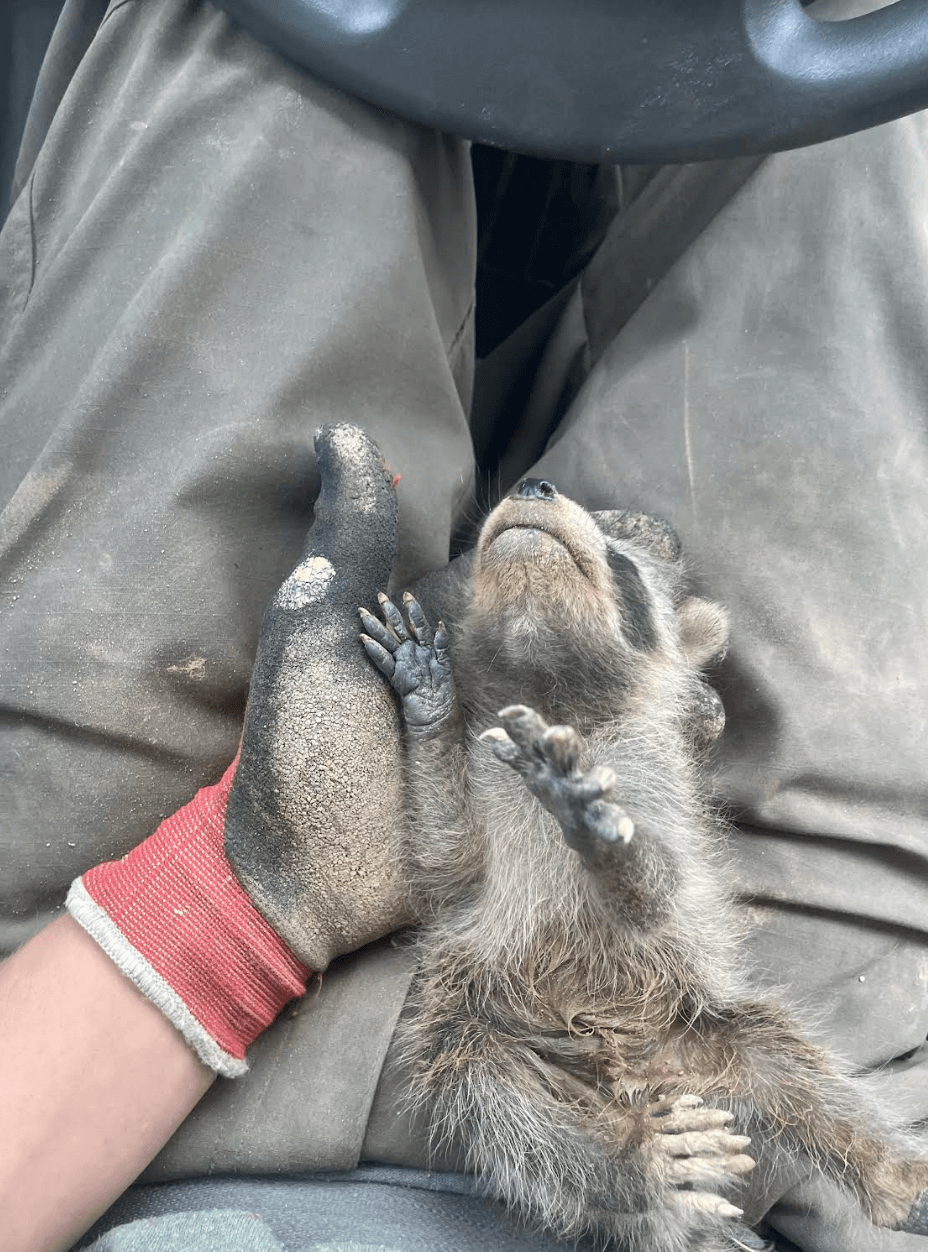
A raccoon on your backyard fence may not seem unusual, especially in Southern California neighborhoods near parks, wooded areas, or open spaces. But when that same raccoon starts entering your attic, overturning trash containers, or sheltering beneath your deck, the situation becomes more complicated.
Homeowners often consider setting a trap as soon as they notice repeated raccoon activity. However, trapping is not always the safest or most appropriate first step.
Trapping raccoons requires proper identification, an assessment of the property, and a removal plan that considers animal welfare, household safety, and California wildlife regulations. The goal is not simply to capture an animal. It is to resolve the immediate problem while reducing the chance of another raccoon entering the property.
At All City Animal Trapping, we help homeowners and property managers throughout Los Angeles, Orange County, and surrounding Southern California communities investigate raccoon activity, identify entry points, and determine appropriate wildlife removal and exclusion measures.
Why Do Raccoons Come Onto Residential Properties?
Raccoons are adaptable wildlife that can thrive in urban and suburban environments. They are intelligent, capable climbers, and skilled at finding food and shelter around homes.
A raccoon visiting your yard does not necessarily mean it has established a den. However, repeated activity around the same building opening may indicate that the animal is using the property regularly.
Accessible food sources
Raccoons are opportunistic feeders. They may investigate unsecured garbage, outdoor pet food, fallen fruit, and other accessible food sources.
A trash container with a loose lid can encourage repeated visits, particularly if the animal finds food there.
Shelter beneath structures
Raised decks, sheds, crawlspaces, and similar areas can provide protection from weather and disturbance.
These spaces may become attractive resting or denning locations.
Attic and roof access
Raccoons can climb fences, trees, and building features to reach rooftops.
Damaged vents, deteriorated roofline materials, or existing openings may allow them to enter attic spaces.
Water availability
Ponds, pet water bowls, and other outdoor water sources may make a yard more attractive to visiting wildlife.
Removing attractants does not guarantee that raccoons will disappear, but it can reduce reasons for them to return.

How Do You Know If You Have a Raccoon Problem?
Seeing one raccoon outdoors is not always a reason to arrange trapping.
The more important question is whether the animal is creating an ongoing problem.
Repeated activity near the roof
A raccoon consistently climbing onto the roof or disappearing near a damaged vent may indicate an attic entry point.
Heavy noises in the attic
Raccoons can produce scratching, thumping, and movement sounds.
However, sound alone cannot confirm the species. Other animals may use the same spaces.
Disturbed insulation or nesting materials
Wildlife may move insulation or create sheltered resting areas.
A professional inspection can help distinguish raccoon activity from other animal problems.
Droppings near common travel routes
Raccoon droppings may accumulate in locations the animals use repeatedly.
Do not handle suspected raccoon waste without appropriate precautions.
Damage around entry points
Loose vent covers, damaged fascia, and enlarged openings may indicate that an animal has entered or attempted to enter the structure.
If you suspect a raccoon is living inside your home, our raccoon removal services can help evaluate the situation and determine suitable next steps.
Is Trapping Raccoons the Best Way to Remove Them?
Not every raccoon encounter requires trapping.
An animal crossing a backyard may simply be searching for food or moving between locations.
A raccoon occupying an attic or enclosed crawlspace presents a different situation.
Professional wildlife management begins by determining whether removal is necessary and which methods are appropriate.
When trapping may be considered
Trapping may be one option when a raccoon is repeatedly occupying a structure or creating a specific nuisance that cannot be resolved through simpler preventive measures.
The decision depends on the circumstances and applicable legal requirements.
When exclusion may be more appropriate
Exclusion involves preventing wildlife from entering a building or returning to an occupied space.
Depending on the situation, carefully planned exclusion may be preferable to capture.
However, exclusion must not trap animals inside or separate dependent young from their mother.
Why inspection comes first
An inspection helps establish whether there is one raccoon or a family group, where the animal is entering, and whether the building has other vulnerable openings.
Without that information, trapping may fail to address the real cause of the problem.
Why DIY Raccoon Trapping Can Be Dangerous
A raccoon may appear calm when observed from a distance, but its behavior can change when it is frightened, cornered, or confined.
Attempting to trap a raccoon without experience can create risks for both the homeowner and the animal.
Bites and scratches
Raccoons have sharp teeth and claws. A frightened animal may defend itself if someone approaches or attempts to handle it.
Never reach into a trap or attempt to pick up a captured raccoon.
Exposure to wildlife diseases
Raccoons can carry diseases and parasites that affect people and pets.
Direct contact with wildlife, bites, and contaminated materials should be treated seriously.
Accidentally separating a mother from her young
Female raccoons may use attics, chimneys, and other sheltered spaces to raise their young.
Capturing an adult without checking for dependent offspring can leave young animals trapped inside the building.
Trapping the wrong animal
A trap placed without proper planning may capture a non-target animal.
This creates additional handling, safety, and animal welfare concerns.
California trapping regulations
Wildlife trapping and relocation are subject to state rules. Homeowners should not assume they can capture a raccoon and release it at a nearby park or natural area.
The California Department of Fish and Wildlife’s Living with Wildlife resources provide guidance about wildlife conflicts and appropriate responses.
Professional assessment helps determine what actions are suitable for the specific situation.
How Professional Raccoon Trapping and Removal Works
A professional raccoon removal service should begin by understanding the property and the animal’s behavior.
At All City Animal Trapping, we focus on identifying the wildlife concern and developing a plan that addresses both the animal and the access conditions.
Step 1: Inspect the property
We review reported sightings, noises, and damage.
We then assess accessible areas for evidence of raccoon activity.
This may include the attic, crawlspace, roofline, chimney, garage, or outdoor structures.
Step 2: Identify entry points
We look for damaged vents, loose building materials, and other openings that may allow wildlife into the structure.
Determining how the animal enters is essential for preventing repeat problems.
Step 3: Check for dependent young
When a raccoon appears to be using a den, the possibility of young animals must be considered.
This affects the timing and method of removal.
Step 4: Develop an appropriate removal strategy
The method depends on the animal’s location, the structure, site conditions, and applicable regulations.
Trapping may be appropriate in some cases, while another removal or exclusion approach may be preferable.
Step 5: Address wildlife-related contamination
Raccoons may leave droppings, urine, and nesting materials in occupied spaces.
After removal, we evaluate whether the affected area needs cleaning or additional repairs.
Step 6: Recommend exclusion repairs
Once the structure is confirmed clear, vulnerable openings can be addressed.
Our animal-in-attic removal services can help homeowners investigate attic entry points and broader wildlife access concerns.

Can Raccoons Cause Damage to Your Home?
Raccoons can create problems when they begin using buildings as shelter.
The extent of damage varies with the animal’s location and how long the space has been occupied.
Attic insulation damage
Raccoons may disturb insulation while moving through an attic or establishing a den.
Urine and droppings can also contaminate affected areas.
Damaged vents and roofline components
An animal may exploit an existing weakness or enlarge an opening to enter.
Loose vent covers, deteriorated fascia, and damaged roofing materials should be evaluated.
Contaminated storage areas
Raccoons entering garages or outbuildings may disturb stored materials and leave waste.
Odors and sanitation problems
Wildlife waste and nesting debris can produce unpleasant odors.
If contamination is extensive, additional cleaning may be needed after removal.
Our attic cleaning and repair services can help address affected attic materials and evaluate cleanup needs.
Is Raccoon Waste Dangerous?
Raccoon droppings should not be handled like ordinary household dirt.
Raccoons can carry a roundworm called Baylisascaris procyonis. Humans can become infected if they accidentally ingest infective eggs from contaminated environments.
Although human infections are uncommon, they can cause serious illness.
The appropriate cleanup method depends on the location and amount of contamination.
Avoid dry sweeping or using an ordinary household vacuum on suspected raccoon waste.
Do not allow children or pets to play near areas where droppings have accumulated.
For extensive contamination, professional cleanup assessment may be appropriate.
If someone has been bitten, scratched, or may have been exposed to infectious material, seek medical advice.
What Should You Do If a Raccoon Is in Your Attic?
Hearing a raccoon above the ceiling can be alarming, especially at night.
However, rushing into the attic may make the situation more dangerous.
Avoid confronting the animal
Do not approach or attempt to corner a raccoon.
The animal may have limited escape routes and could react defensively.
Keep pets away
Prevent dogs and cats from accessing the attic or areas where the animal may emerge.
Do not seal the entry point immediately
If the raccoon is inside, closing the opening can trap it.
Young animals may also remain hidden while the mother leaves to find food.
Avoid disturbing nesting materials
Do not remove insulation or other materials until the wildlife situation has been assessed.
Request a professional inspection
An inspection can help determine where the raccoon is entering and whether additional animals are present.
The next steps should reflect the actual conditions rather than assumptions based on noise alone.
How to Prevent Raccoons From Returning
Removing a raccoon does not automatically make the property less attractive to another animal.
Prevention focuses on reducing access and removing conditions that encourage repeated visits.
Secure garbage containers
Use containers with tight-fitting lids and avoid leaving accessible food waste outdoors.
Bring pet food inside
Outdoor feeding areas can attract raccoons and other wildlife.
Remove leftover food after feeding.
Maintain vulnerable roofline areas
Inspect damaged vents, fascia, soffits, and other building openings.
Repairs should be completed only after confirming that animals are no longer occupying the space.
Maintain landscaping
Where practical, trim vegetation that provides convenient access to the roof.
Do not attempt hazardous trimming near electrical lines.
Check decks and crawlspaces
Open spaces beneath structures may provide shelter.
Appropriate exclusion measures can help protect these areas after they are confirmed unoccupied.
Monitor for renewed activity
After removal, watch for fresh droppings, repeated noises, or signs of damage.
Early investigation can help prevent another established intrusion.
How Much Does Professional Raccoon Removal Cost?
The cost depends on the circumstances of the wildlife problem.
A raccoon visiting a backyard is different from a family group occupying a difficult-to-access attic.
Factors that may influence the work include:
-
The number and location of animals.
-
Whether dependent young are present.
-
The accessibility of the den.
-
The removal method required.
-
The number of entry points.
-
The extent of contamination or damage.
-
Whether exclusion repairs or attic cleanup are necessary.
An inspection can help determine the appropriate scope.
Homeowners should ask what services are included in a proposed estimate and whether repairs or cleaning are separate.
When Should You Call a Professional Raccoon Trapper?
Professional assistance is appropriate when a raccoon repeatedly enters a building, occupies an attic or crawlspace, or creates an ongoing safety or property concern.
You should also seek help if you suspect a mother with young, notice substantial contamination, or cannot safely identify the entry point.
An animal that simply passes through the yard may not require removal.
At All City Animal Trapping, we help property owners throughout Los Angeles, Orange County, and surrounding Southern California communities investigate raccoon activity and determine appropriate next steps.
Key Takeaways
-
Raccoon trapping is not always necessary for an animal passing through a yard.
-
An inspection helps identify entry points and determine whether young animals are present.
-
DIY trapping can create bite, scratch, disease exposure, and animal welfare risks.
-
Wildlife trapping and relocation must follow applicable California regulations.
-
Removal should be coordinated with exclusion repairs when animals enter buildings.
-
Contaminated insulation and raccoon waste may require additional cleanup.
Frequently Asked Questions About Trapping Raccoons
What is the safest way to trap a raccoon?
The safest approach is to have a qualified wildlife professional evaluate whether trapping is necessary and which method is appropriate. Avoid handling or approaching a captured raccoon yourself.
Can I trap a raccoon and release it somewhere else?
Do not assume relocation is permitted. California wildlife regulations can restrict how captured animals are handled and where they may be released.
What attracts raccoons to my yard?
Common attractants include unsecured garbage, outdoor pet food, fallen fruit, accessible water, and sheltered spaces.
How do I know if raccoons are living in my attic?
Heavy movement sounds, droppings, disturbed insulation, roofline damage, and repeated raccoon sightings may indicate activity. An inspection is needed to confirm occupancy.
Will raccoons leave on their own?
Some raccoons may move on, while others may establish a den. If young animals are present, the mother may continue using the shelter until they become independent.
Can raccoons damage attic insulation?
Yes. Raccoons may disturb or contaminate insulation through movement, nesting, urine, and droppings.
How do I stop raccoons from returning?
Secure food sources, inspect vulnerable openings, and complete appropriate exclusion repairs after the structure is confirmed clear.
Conclusion: Get Professional Help With Raccoon Trapping in Southern California
Raccoons can be fascinating animals to observe outdoors, but their presence inside an attic, chimney, or crawlspace can create serious concerns for homeowners.
Trapping should never be treated as a one-size-fits-all solution. The safest response begins with identifying the animal, assessing the property, and selecting an appropriate removal method.
At All City Animal Trapping, we help homeowners and businesses throughout Southern California investigate raccoon activity, address wildlife entry points, and plan removal and prevention measures.
If you are dealing with raccoons in your attic, around your roof, or beneath your home, contact All City Animal Trapping or call (877) 724-5314 to discuss your situation and request an inspection.