

























Animal Removal Service in Southern California
If you need an animal removal service in Southern California, the goal is not just getting one animal off the property. The right solution starts with a careful inspection, uses humane removal methods, addresses contamination or damage when needed, and helps reduce the chance of the problem coming back.
Call (877) 724-5314Southern California Animal Removal
Animal removal service in Southern California: what ACAT does
Direct answer: A professional animal removal service identifies what is getting into the structure, removes the active animal problem humanely, helps with cleanup or odor issues when needed, and recommends exclusion work to help stop repeat entry. That is the difference between a short-term fix and a more complete wildlife-control plan.
All City Animal Trapping & Removal (ACAT) serves homeowners, landlords, HOAs, property managers, and businesses across Southern California.
Call (877) 724-5314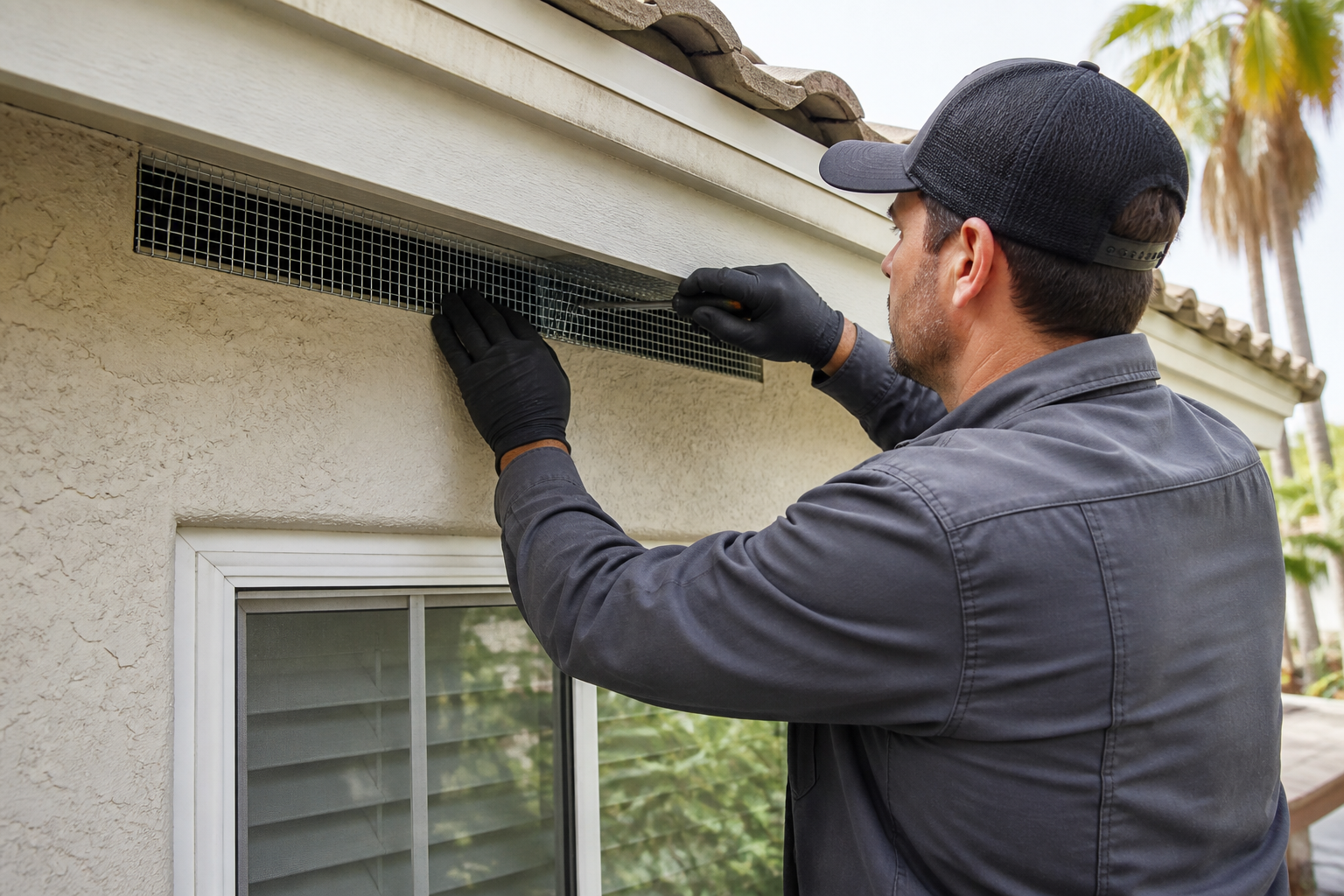
When to call
When you need a professional animal removal service
Animals in attics, walls, crawlspaces, roofs, and yards
Many calls start with sounds, smells, or visible damage rather than a clear animal sighting. You may hear scratching above the ceiling, find droppings near stored items, notice disturbed insulation, or see signs of digging, nesting, or chewing around the structure. Animals often use attics, wall voids, crawlspaces, chimneys, garages, rooflines, and exterior gaps as shelter or travel routes.
Dead-animal odor, contamination, and damage warning signs
Sometimes the urgent problem is no longer the live animal. It may be the odor behind a wall, the contamination left in insulation, or the sanitation concerns caused by droppings and nesting material. According to the CDC's rodent cleanup guidance, contaminated areas should be handled carefully instead of dry-swept or vacuumed. That is why cleanup support is often just as important as active removal.
Service scope
What our animal removal service includes
Inspection and species/problem assessment
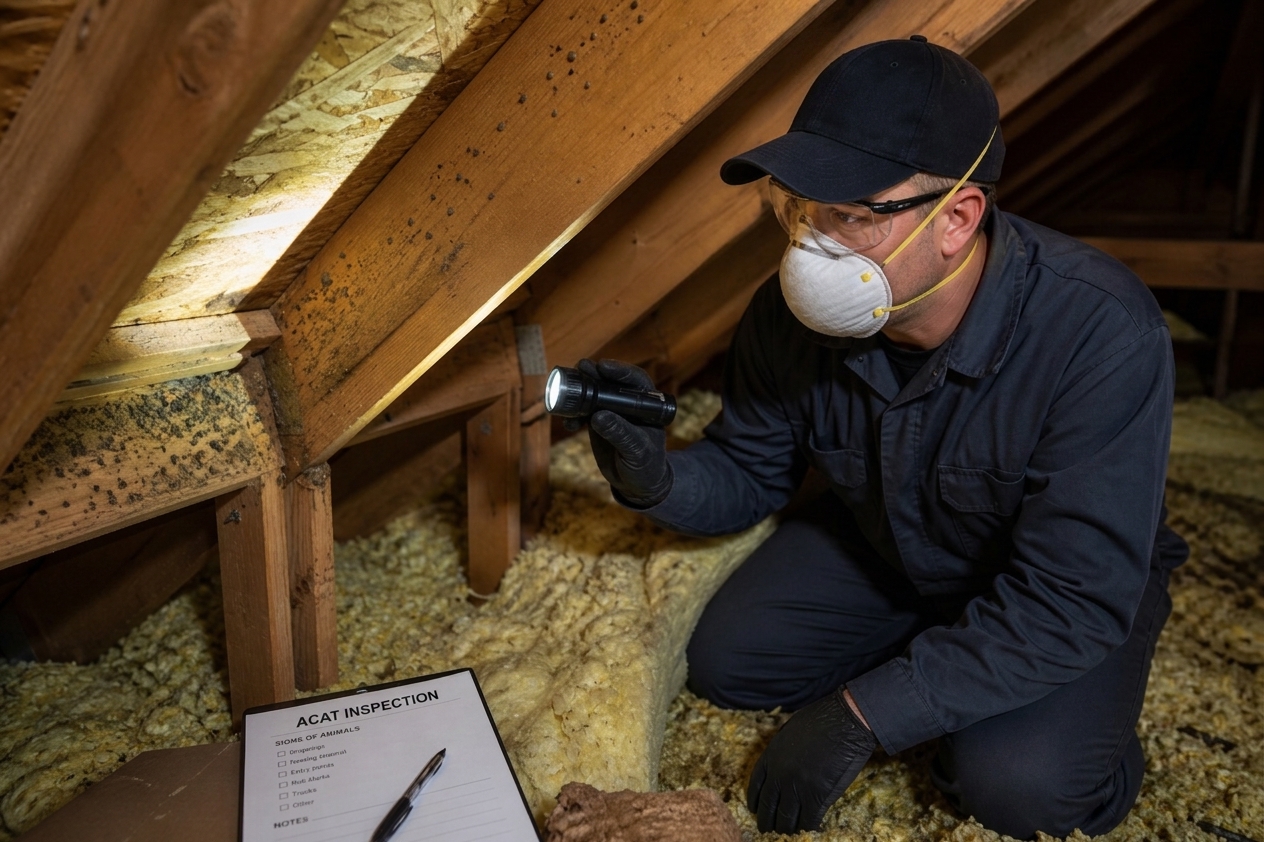
Every strong wildlife-control job starts with understanding the actual problem. That means identifying the likely species, where activity is happening, how long it may have been going on, and how the animal is entering or moving through the structure. A vague "we will set traps" answer often misses the bigger issue if the animal is nesting inside the property or if multiple access points are involved.
Humane trapping, eviction, or removal
The removal method should match the animal, the risk level, and the property type. Some situations call for trapping, while others may require eviction-style strategies, nest considerations, or a broader control plan for recurring activity. The goal is to solve the immediate problem without relying on generic one-size-fits-all tactics that ignore the layout of the structure.
Cleanup, deodorizing, and contamination support
When droppings, nesting material, odor, or dead-animal issues are part of the job, removal alone is not enough. ACAT also offers decontamination and odor removal, which makes this service more useful for customers dealing with the aftermath of an infestation or a hidden carcass. That extra support can be critical in attics, crawlspaces, garages, wall-adjacent spaces, and other sensitive areas.
Exclusion, repair, and prevention next steps
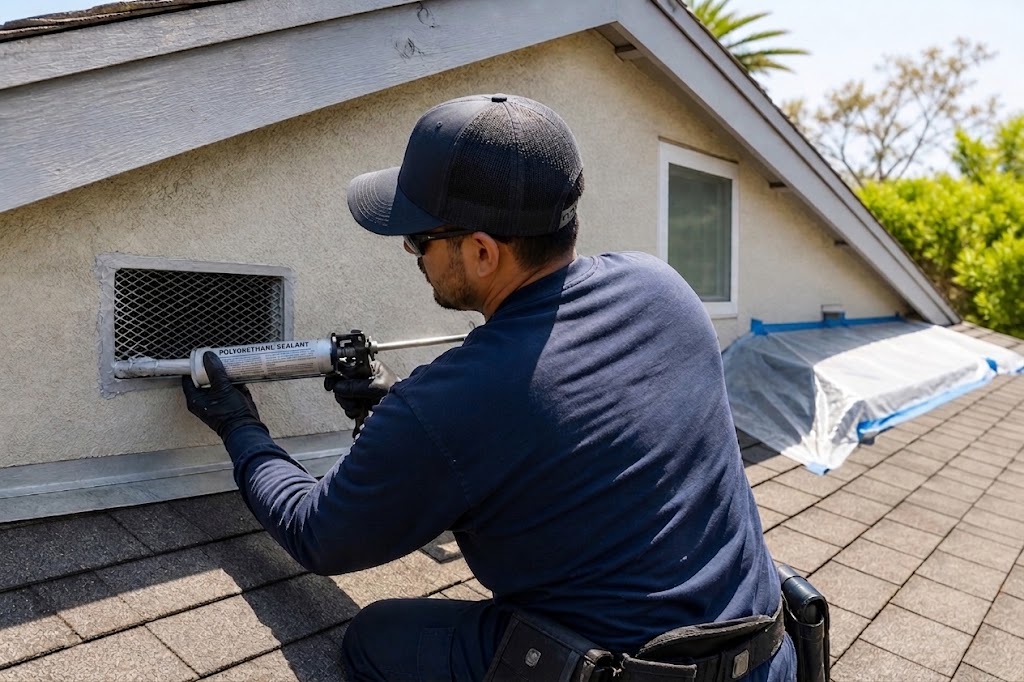
If likely entry points stay open, another animal can use the same gaps after the first problem is removed. Exclusion and repair recommendations help turn a short-term fix into a stronger long-term result. This is especially important for roofs, vents, eaves, chimneys, crawlspace openings, and utility penetrations that animals can reuse if they are not addressed.
How it works
Our 4-step animal removal process
-
Inspect and locate the source
The first step is confirming where the activity is happening, which animal is likely involved, and how it is getting in. A careful inspection reduces guesswork and helps the plan match the real conditions on the property.
-
Remove the active animal issue
Once the activity is mapped, the next step is targeted removal. Humane animal removal focuses on solving the immediate problem while keeping the service aligned to the species, the structure, and the urgency of the call.
-
Address mess, odor, or damage
Some jobs stop at removal, but many customers also need help with droppings, odor, damaged insulation, or a dead-animal cleanup situation. Addressing those issues can make the property safer, cleaner, and more usable again.
-
Help prevent re-entry
The final step is strengthening the property against repeat intrusion. That may include exclusion recommendations, repair next steps, and guidance on which vulnerable areas should be sealed or monitored more closely.
Speak With A Live Trapper Now!
If you are hearing noises in the attic, smelling an odor behind the wall, or seeing wildlife activity around the property, call to discuss the next step.
Call (877) 724-5314What we handle
Animals and situations we handle most often
Common wildlife and nuisance-animal calls
Based on ACAT's service hierarchy, the company handles a wide range of animal issues across Southern California, including raccoons, skunks, opossums, squirrels, birds, snakes, bats, rodents, and dead-animal situations. The key is not just which animal is involved, but where it is active and what follow-up work the property needs after removal.
- Attic intrusions that lead to scratching sounds, nesting, droppings, or damaged insulation
- Wall or crawlspace activity where the source is hidden and odor or noise is the first clue
- Roofline and chimney access where animals use structural openings to enter or return
- Yard or exterior problems that affect foundations, landscaped areas, or outdoor living spaces
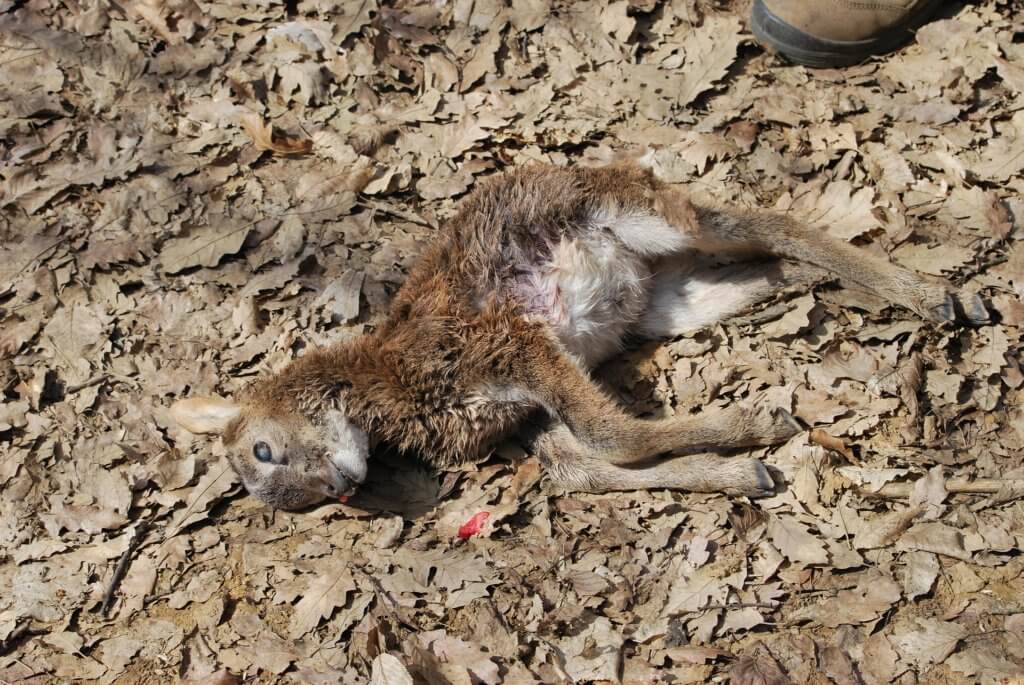
- Dead-animal removal when odor, sanitation, or inaccessible carcass recovery becomes the urgent issue
Homes, rentals, HOAs, and businesses
Animal problems affect different types of properties in different ways. Homeowners may want fast relief and prevention. Landlords and property managers may need help reducing turnover delays. HOAs often need a clear plan that fits shared structures and communication needs. Businesses may be focused on sanitation, appearance, or after-hours coordination.
ACAT's Southern California service areas give the company regional reach across Los Angeles, Orange, Riverside, and San Bernardino Counties.
Pricing factors
What changes the cost of animal removal?
The price of animal removal depends on the scope of the job, not just the species name. A simple exterior issue may be very different from a complex attic intrusion with contamination, odor, and multiple access points. The most helpful pricing conversation usually explains what was found, what is urgent now, and what work is recommended to reduce repeat problems.
| Cost factor | Why it matters | What it can change |
|---|---|---|
| Animal type and behavior | Different animals create different risks, nesting patterns, and removal needs. | Removal method, visit count, and urgency |
| Access difficulty | Attics, walls, crawlspaces, roofs, and chimneys require different levels of time and effort. | Inspection complexity and labor time |
| Property type | Single-family homes, rentals, HOAs, and commercial sites all have different access and coordination needs. | Scheduling, documentation, and project scope |
| Cleanup needs | Droppings, odor, nesting debris, or dead-animal recovery can add sanitation work. | Materials, safety procedures, and disposal |
| Exclusion and repair work | Preventing repeat entry often requires sealing vulnerable openings after removal. | Total project size and long-term value |
Customers who want more quote context can review ACAT's pricing guidance, then use the inspection to get a more accurate service recommendation.
Why choose ACAT
Why property owners choose ACAT for animal removal
Humane service with practical next steps
One of the biggest gaps in many competitor pages is process clarity. People do not just want to know that a company removes animals. They want to know what happens after the call, whether cleanup is available, whether someone can help with repeat-entry problems, and whether the provider understands the realities of attics, roofs, crawlspaces, yards, rentals, and commercial properties.
Southern California coverage and service support
ACAT's live site positions the company across multiple Southern California counties and pairs animal removal with related support pages for contact, pricing, cleanup, and broader service categories. That makes the page easier to use for customers who want both immediate help and a clearer understanding of the service scope before they book.
Better than a trap-only mindset
The strongest long-term result usually comes from combining inspection, removal, cleanup support, and exclusion planning. If the service stops with the first visible animal, the underlying entry-point issue and sanitation concerns may still be waiting in the background.
Summary
Key Takeaways
- Animal removal service should solve the full problem. Inspection, humane removal, cleanup support, and prevention matter more than a quick trap-only fix.
- Signs of wildlife activity are often indirect. Noises, odors, droppings, insulation damage, and roofline access points can all signal a deeper issue.
- Cleanup and odor support are important. In many jobs, the contamination left behind becomes just as urgent as the active animal issue.
- Pricing depends on scope. The property layout, access difficulty, cleanup needs, and exclusion work all affect the final quote.
- Regional coverage helps. ACAT serves customers across Southern California and offers related pages for pricing, contact, cleanup, and broader animal-removal support.
FAQ
Frequently Asked Questions
What animals does ACAT remove?
ACAT's live service structure shows help for a wide range of Southern California animal issues, including rodents, raccoons, skunks, squirrels, opossums, birds, snakes, bats, and dead-animal situations. The right service plan depends on where the animal is active and what kind of contamination, odor, or property access problem comes with it.
Do you use humane animal removal methods?
ACAT's site positions the company around humane trapping and removal. In practice, humane service means the method should match the species, the structure, and the problem instead of relying on vague, generic tactics. It should also include clear next steps for cleanup or exclusion when the property needs more than removal alone.
Do you help with droppings, odors, and contamination too?
Yes. That is one of the biggest reasons customers look for a full-service animal removal company instead of a narrow trap-only provider. ACAT's site includes cleanup and odor-removal support for situations where the bigger problem is what the animal left behind.
How quickly should I call for animal removal service?
If you hear repeated noises, notice fresh droppings, smell a dead-animal odor, or see signs of nesting or entry-point damage, it is smart to call sooner rather than later. Problems often get more expensive when animals stay active inside attics, walls, crawlspaces, or rooflines for longer periods.
Does animal removal service include repairs or exclusion?
It should at least include exclusion guidance or repair recommendations where the property is vulnerable. Not every job has the same repair scope, but preventing re-entry is one of the most important parts of solving the problem well. Without that step, another animal can reuse the same opening later.
How do I get a quote for animal removal in Southern California?
The best next step is to request an inspection or free quote through ACAT's contact page or by calling (877) 724-5314. A strong quote should explain the scope of the problem, the recommended removal plan, and whether cleanup or exclusion should be part of the same project.
Get animal removal help today
If you are dealing with noises in the attic, an odor in the wall, contamination in the crawlspace, or visible wildlife activity around the structure, now is the right time to get the problem assessed.
Call (877) 724-5314