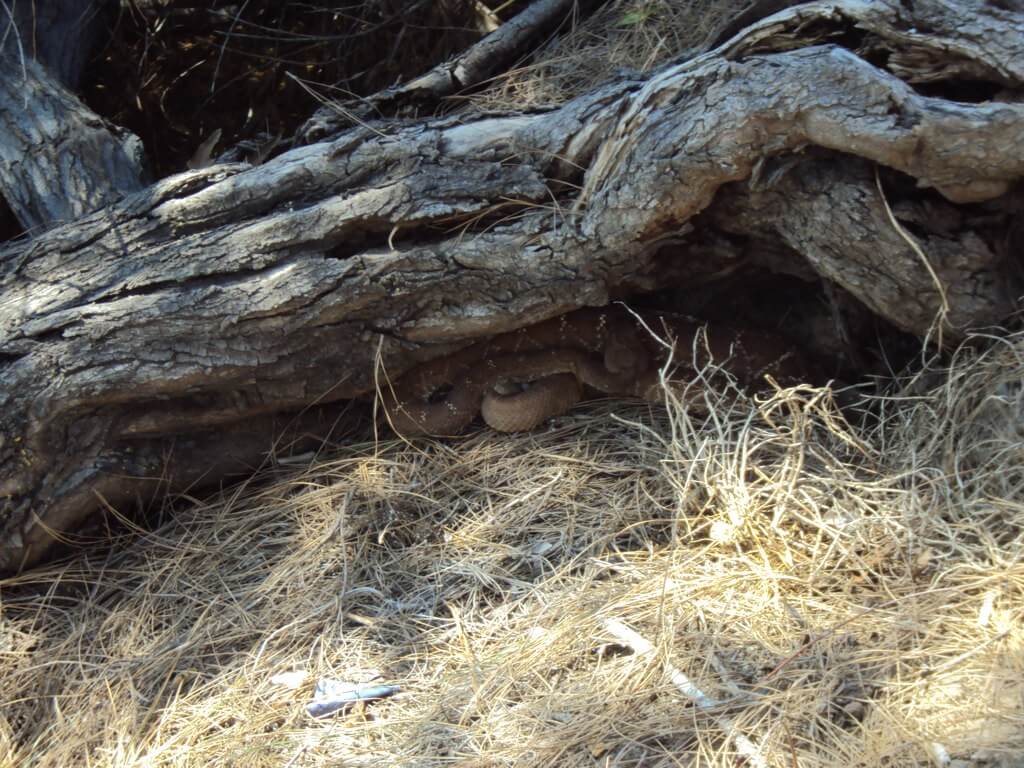


Snakes might not be the first thing you worry about when it comes to home damage, but as the owner of All City Animal Trapping, I’ve seen how quickly they can turn into a real problem. They don’t knock down walls like raccoons or tear up lawns like gophers, but the risks they bring are just as serious. Let’s go over the trouble snakes can cause and why it’s worth dealing with them sooner rather than later.
Snakes are experts at squeezing into places they don’t belong.
They’ll use cracks in the foundation or widen existing gaps, making the damage worse over time.
They can also slip in through holes in walls, roofs, or vents, often taking advantage of wear and tear that’s already there.
It doesn’t take much — if a mouse can fit through a space, chances are a snake can follow.
Snakes don’t just bring a scare factor — they leave behind waste that’s unpleasant and unsafe.
Droppings can build up, leaving foul odors and unsanitary conditions.
Shed skins can contribute to allergens, which may bother anyone with asthma or other respiratory issues.
And of course, let’s not forget the obvious: venomous bites. While not every snake is venomous, the ones that are pose a very real danger to people and pets.
Here’s the thing: if you’ve got snakes, you almost always have rodents too. Snakes go where the food is.
That means a snake problem often signals a rat or mouse problem hiding in the background.
And rodents bring their own headaches — chewed wires, damaged insulation, and contamination.
So really, dealing with snakes is only half the battle.
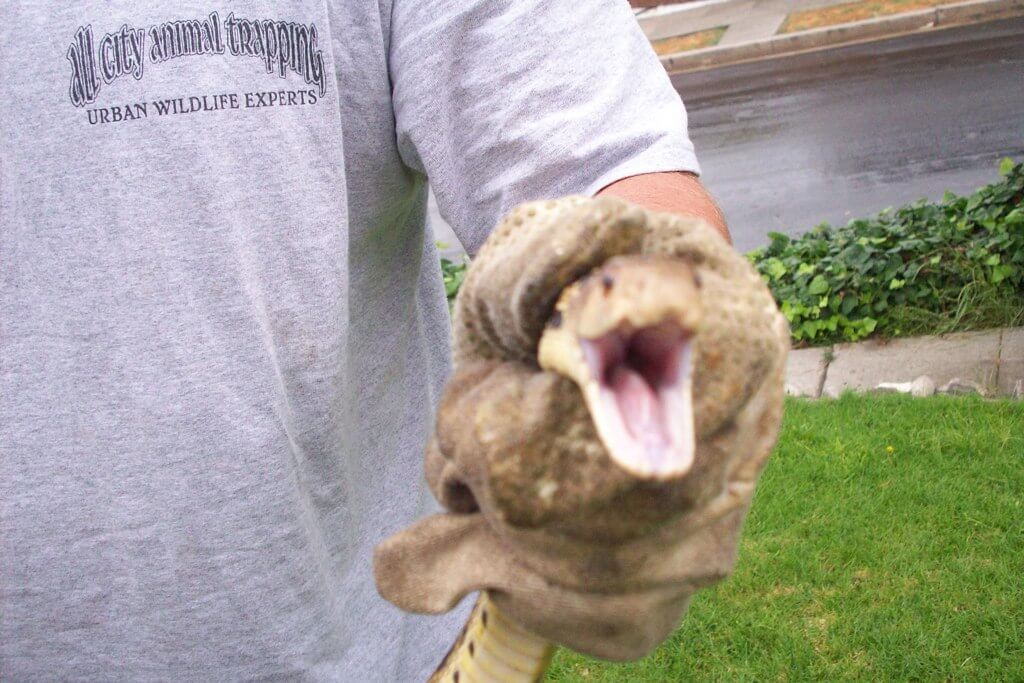
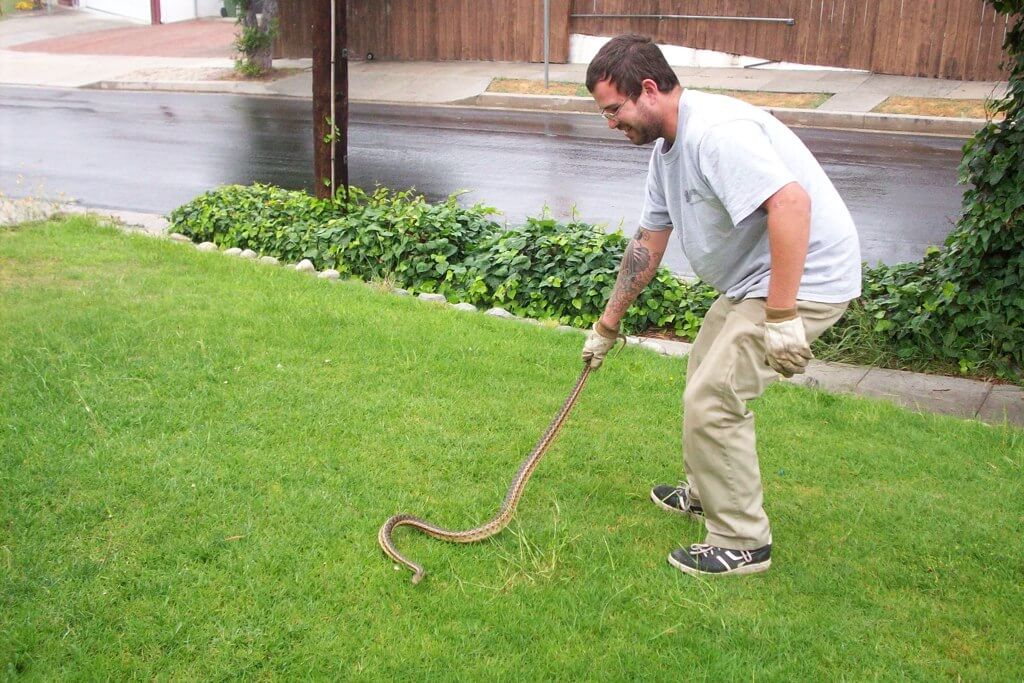
Snakes aren’t destructive in the same way as burrowing pests, but they still leave their mark.
Garden beds can be disturbed when snakes burrow or nest in loose soil.
Holes and tunnels in the yard don’t just look bad — they can also weaken soil and create tripping hazards.
When it comes to snakes, you don’t want to guess your way through it. Here’s what we bring to the table:
Experience that matters: We’ve handled everything from harmless garter snakes to dangerous rattlesnakes.
Humane practices: We remove snakes safely, following all wildlife laws. No shortcuts, no unnecessary harm.
Full service, not quick fixes: Inspection, removal, damage repair, prevention — we handle it all so the problem doesn’t come back.
Fast response: Nobody wants to share their home with snakes longer than they have to.
Local knowledge: Being part of this community means we know the habits of snakes in our area — and how to keep them out.
If you’ve spotted snakes — or the signs they leave behind — don’t wait for things to get worse. Give All City Animal Trapping a call for a free consultation. We’ll make sure your home and yard are safe, secure, and snake-free.
Snakes are usually attracted to homes because they are searching for food, shelter, or a comfortable place to rest. They often follow prey like rodents and use quiet, hidden areas (like debris, crawl spaces, or clutter) to stay safe and regulate temperature.
Snake removal is the process of safely locating, identifying, and removing a snake from a property. It typically involves capturing the snake and relocating it away from the area to ensure safety for both people and the animal.
Permanently getting rid of snakes involves removing what attracts them—like food sources, shelter, and access points around your property. Long-term prevention comes from keeping the area clean, sealing entry gaps, and making your home an environment that snakes avoid.
A snake’s worst enemies are natural predators like birds of prey, mammals, and even other snakes that hunt them in the wild. In some cases, another snake—such as a kingsnake—can be its biggest threat, as it can kill and eat other snakes, even venomous ones.
Yes, you can call a professional to remove a snake, and many homeowners do so when they find one on their property. Wildlife removal experts are trained and equipped to handle snakes safely, reducing the risk of injury—especially if the snake may be venomous.
In most situations, snake removal is a paid service handled by professional wildlife removal companies. They charge for the work like other specialized home services, as it requires training, equipment, and safe handling.
Snakes hate environments where they feel exposed and unsafe, especially areas without cover or hiding spots. They also dislike strong, pungent smells that overwhelm their senses, making the area uncomfortable for them.
In most cases, exterminators cannot get rid of snakes, because they are trained to handle insects and common pests—not reptiles. Instead, snake removal is usually handled by wildlife removal professionals who specialize in safely capturing and relocating snakes.
The safest way to encourage a snake to leave is to keep your distance and give it space, as most snakes will move on their own if they don’t feel threatened. If needed, you can gently encourage it to move by spraying a light stream of water from a distance, making the area uncomfortable without harming the snake.
A snake may hide for just a few hours, or it can stay hidden for days or even weeks if the conditions are right. If it finds a safe, quiet spot with shelter and food, it’s more likely to remain hidden for a longer period.