

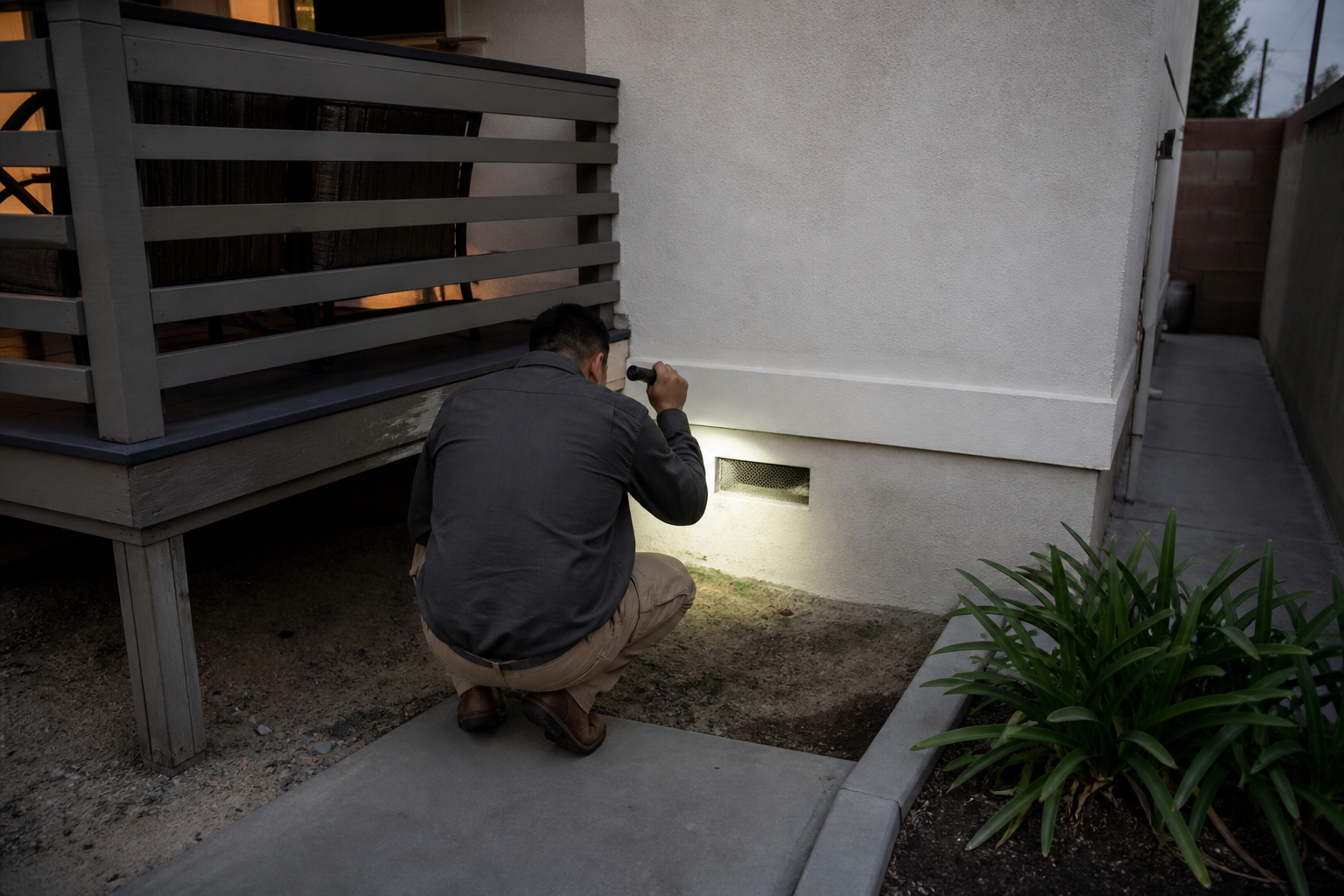
Hearing scratching above the ceiling or discovering droppings in the garage can make any homeowner uneasy. The first question is usually what kind of animal is inside. The next question is often more important: how did it get there?
Wildlife rarely needs a wide-open door to enter a house. Animals can take advantage of damaged roof vents, gaps around pipes, deteriorating screens, loose construction materials, and openings that homeowners may never notice during everyday maintenance.
Across California, homes vary in age, construction, roofing materials, and surrounding landscapes. However, one issue remains consistent. Small exterior weaknesses can create opportunities for animals to enter protected spaces.
Understanding where wildlife gets inside can help homeowners recognize warning signs, avoid unnecessary damage, and address the conditions that allow unwanted animals to return.
Why Wildlife Finds Its Way Into California Homes
Homes provide several things wildlife naturally seeks: protection, shelter, and sometimes convenient access to food or water.
An attic can offer a sheltered nesting location. A crawl space may provide protection from outdoor conditions. An open garage can contain stored pet food, clutter, or other materials that attract rodents.
Some animals enter accidentally while exploring. Others discover a reliable access route and continue using it.
Properties near open spaces, landscaped neighborhoods, mature trees, or undeveloped land may experience wildlife activity, but animals also thrive in densely populated communities.
A home does not need to be neglected to develop an entry point. Building materials age, weather affects exterior surfaces, and small construction gaps may remain unnoticed for years.
The important distinction is between wildlife passing through the property and wildlife actively using the structure.
1. Rooflines and Gaps Beneath Roofing Materials
The roof is one of the first places to inspect when animals are heard in the attic.
Roofing systems contain several transitions where different materials meet. These areas can develop openings as components loosen, deteriorate, or become damaged.
Potential entry points include roof edges, eaves, flashing transitions, roof-to-wall connections, and gaps near architectural features.
Animals capable of climbing may investigate these areas while moving along trees, fences, or neighboring structures.
A gap that looks insignificant from the ground may lead directly into an attic cavity.
Warning signs around the roof
Look for disturbed materials, visible openings, repeated animal activity along the roofline, or scratching sounds concentrated near exterior corners.
Homeowners should avoid climbing onto steep roofs or attempting repairs in areas where wildlife may still be present.
When animals have already established access, professional animal in attic removal can help identify the activity and determine which openings need attention.
2. Damaged Soffits and Fascia Boards
Soffits cover the underside of roof overhangs, while fascia boards run along roof edges.
These components are important because they protect areas where the roof meets the exterior walls.
When soffit panels become loose or fascia boards deteriorate, animals may gain access to spaces behind them.
Wood damage, displaced panels, and openings near corners can create pathways into attic cavities.
Sometimes the damage is visible from the ground. In other cases, it remains hidden behind gutters or architectural trim.
Why these openings are easy to miss
Most homeowners look for roof leaks or visible structural damage, not small openings that wildlife can use.
An exterior panel may appear intact from one angle while leaving a gap underneath.
Regular exterior inspections can help identify loose materials before animals begin using them.
3. Attic Vents and Roof Ventilation Openings
Attic ventilation helps regulate airflow through roof spaces. However, damaged or missing protective screens can make vents attractive access points.
Common locations include gable vents, roof vents, soffit vents, and other ventilation openings.
Rats and mice can exploit relatively small gaps, while larger animals may use damaged screens or weakened vent assemblies.
A vent should not be sealed completely just to prevent wildlife access. Ventilation remains an important part of the building’s design.
Instead, the protective barrier should be repaired using materials suitable for the opening and its ventilation requirements.
What to look for
Inspect accessible vents for torn screening, missing fasteners, bent covers, displaced materials, or signs of gnawing.
Repeated scratching near a vent may indicate an animal is investigating or actively using the opening.
A professional inspection can help determine whether the vent is the entry point or simply part of an animal’s travel route.
4. Openings Around Pipes, Cables, and Utility Lines
One of the most overlooked wildlife entry points is the space around a utility penetration.
Homes contain numerous openings where pipes, electrical conduits, cables, and other services pass through exterior walls.
These openings may be located behind appliances, near air-conditioning equipment, along garage walls, or around the foundation.
If the surrounding gap is not properly sealed, rodents may use it to reach wall cavities or other protected spaces.
Why small gaps matter
Rats and mice can use openings much smaller than homeowners expect.
The Centers for Disease Control and Prevention recommends inspecting areas around utility lines and sealing gaps to help prevent rodent entry.
Professional rodent proofing in Los Angeles can help homeowners understand how exterior openings contribute to recurring rodent problems.
Materials should be selected for the location, opening size, and building conditions rather than relying on a temporary surface patch.
5. Crawl Space Vents and Foundation Openings
Crawl spaces are especially attractive to animals seeking shelter beneath a home.
These spaces can provide darkness, protection, and access to plumbing or structural cavities.
Wildlife may enter through damaged foundation vents, broken screens, openings around pipes, or gaps beneath exterior siding.
Once inside, animals may leave nesting material, droppings, odors, or damage to insulation and other components.
Signs of crawl space activity
Possible warning signs include scratching beneath floors, disturbed soil near vents, torn screening, unpleasant odors, and repeated animal movement around the foundation.
A crawl space inspection should identify both the suspected animal and the route being used.
Closing an opening before confirming that animals have left can create additional problems.
6. Garage Doors and Exterior Door Gaps
Garages frequently contain potential wildlife attractants.
Stored food, cardboard boxes, household supplies, and sheltered corners can make them useful spaces for rodents.
An uneven garage door seal or damaged weatherstripping may create an entry route along the bottom or sides of the door.
Side doors can develop similar problems when thresholds deteriorate.
Prevention tips for garages
Inspect the garage door seal when the door is fully closed. Look for visible gaps, damaged rubber, or areas where the door no longer meets the floor properly.
Store pet food and other attractants in secure containers.
Keep storage organized enough to make droppings, gnawing, or nesting evidence easier to detect.
A garage that appears clean can still have an entry problem, so both sanitation and physical repairs matter.
7. Roof-to-Wall Connections and Exterior Construction Gaps
Homes with additions, attached garages, decorative rooflines, or multiple roof levels often contain complex intersections between building materials.
These intersections deserve attention because they may be difficult to inspect from the ground.
A small gap near a roof-to-wall connection can lead behind siding or into concealed structural spaces.
Animals may also investigate openings around exterior trim, siding transitions, and other construction joints.
The solution should address the actual opening without compromising drainage, ventilation, or the intended function of the building assembly.
This is particularly important when the entry point is close to flashing or other water-management components.
8. Chimneys and Fireplace Openings
Chimneys can attract wildlife because they resemble sheltered vertical cavities.
Depending on the structure and surrounding environment, birds and other animals may investigate an uncapped or damaged chimney opening.
A damaged chimney cap or missing protective component can create an opportunity for entry.
Homeowners may notice scratching, fluttering, unusual sounds, or debris around the fireplace.
However, sounds alone do not establish which animal is present.
Avoid operating the fireplace if an animal may be trapped inside the chimney.
The situation should be assessed safely before attempting removal or installing a replacement cap.
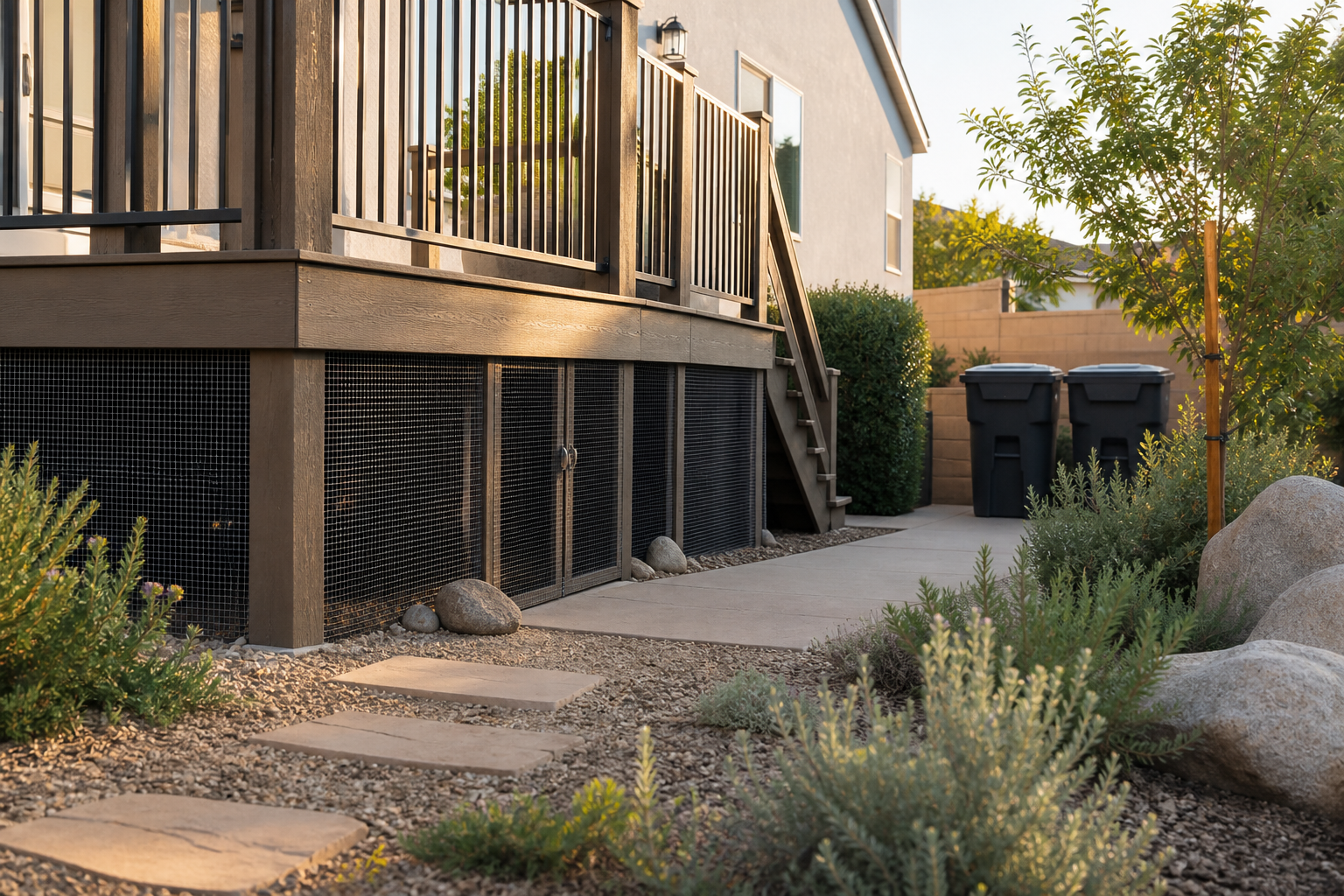
9. Gaps Beneath Decks and Outdoor Structures
Not every wildlife problem begins inside the main house.
Decks, patios, sheds, and other outdoor structures can create protected spaces where animals shelter or establish dens.
Openings beneath these structures may allow animals to move out of sight while remaining close to the home.
Overgrown landscaping and accumulated debris can make these areas more attractive.
Why outdoor activity matters
An animal living beneath a deck may later investigate nearby crawl space vents, garage openings, or other weaknesses in the house.
Reducing accessible shelter and food sources can help discourage repeated visits.
If an animal is actively denning beneath a structure, exclusion should be planned carefully, particularly when dependent young may be present.
10. Trees, Fences, and Other Access Routes
Sometimes the opening itself is only half the problem.
Animals may reach elevated entry points using nearby trees, fences, walls, or connected structures.
A roof vent may be difficult to access from the ground but easy to reach from an overhanging branch.
Likewise, a fence line can create a regular travel route toward a garage or roof edge.
Trimming vegetation where appropriate can reduce some access opportunities, although it does not replace sealing structural openings.
The most useful prevention strategy considers both how the animal reaches the house and where it enters.
What Happens After Wildlife Gets Inside?
Once animals enter an attic, crawl space, or wall cavity, the damage can extend beyond the original opening.
Possible consequences include contaminated insulation, damaged duct materials, gnawed components, nesting debris, and unpleasant odors.
The extent of damage depends on the species, duration of activity, and affected area.
Not every wildlife incident requires extensive restoration. Some problems involve a small opening and limited contamination.
Other situations require professional attic cleaning and insulation replacement after the animals have been removed.
A proper inspection should distinguish between materials that can remain in place and those that genuinely require cleaning, repair, or replacement.
Why Sealing an Entry Point Too Early Can Make Things Worse
Finding an opening can create an understandable temptation to seal it immediately.
However, the timing matters.
If animals are still using the opening, closing it can trap them inside the building.
They may then search for another exit, potentially moving farther into concealed spaces.
Dependent young can also be left behind if an adult is excluded without checking for denning activity.
The safer approach is to identify the species, evaluate the situation, resolve active occupancy, and then complete the appropriate exclusion work.
Professional attic repair and entry point sealing can help address damaged building components after the active wildlife issue has been resolved.
How to Inspect Your Home for Possible Wildlife Entry Points
A basic visual inspection can begin from the ground.
Walk around the exterior and pay attention to roof edges, accessible vents, garage doors, foundation openings, and utility penetrations.
Look for damaged screens, missing covers, loose materials, gnaw marks, droppings, and openings around pipes.
Pay attention to patterns. If sounds repeatedly occur near one attic corner, that information may help narrow the inspection area.
Do not reach into an opening where an animal may be present.
Avoid disturbing nests or attempting to handle wildlife without understanding the species and circumstances.
For rodent-specific prevention, homeowners can consult the CDC guidance on sealing rodent entry points, which explains common gaps and locations to inspect.
Wildlife Removal and Exclusion Work Best Together
Wildlife removal addresses animals already occupying a structure.
Exclusion addresses the openings that allowed them to enter.
Both are important, but they solve different parts of the problem.
Removing an animal without correcting the access route can leave the same space available to another animal.
Sealing an opening without addressing active occupancy can also create complications.
An effective plan therefore considers inspection, species identification, appropriate removal, monitoring, repairs, and prevention.
This approach helps homeowners move beyond temporary relief toward a more lasting solution.
When Should You Contact a Wildlife Removal Professional?
Professional help may be appropriate when wildlife is repeatedly heard inside the home, visible damage appears around entry points, or the animal’s location cannot be safely determined.
Other reasons include strong odors, recurring droppings, suspected nesting, and difficult-to-access roof or crawl space openings.
An experienced provider should explain what evidence supports the identification and what steps are needed to resolve the problem.
The objective should be more than simply catching an animal. It should include understanding the access route and identifying reasonable prevention measures.
Protect Your Home Before a Small Opening Becomes a Bigger Problem
A damaged vent, loose soffit, or gap around a utility pipe may not seem urgent during a routine walk around the property.
However, these small weaknesses can provide access to protected spaces where wildlife activity becomes harder to detect and manage.
Regular exterior inspections, timely repairs, and careful attention to unusual sounds can help homeowners identify problems earlier.
If you suspect animals are entering your attic, crawl space, garage, or another part of your property, All City Animal Trapping can help you assess the situation and determine an appropriate next step.
Contact us to discuss the signs you are noticing and arrange an inspection.
Frequently Asked Questions
1. What are the most common wildlife entry points in California homes?
Common locations include roof edges, damaged soffits, attic vents, crawl space openings, utility penetrations, garage doors, and gaps around exterior building materials.
2. Can rats enter through small openings?
Yes. Rats and mice can exploit surprisingly small gaps, particularly around utility lines, exterior walls, and foundations. The required opening size depends on the rodent.
3. Should I seal an opening if I hear animals inside?
Not immediately. Confirm whether animals are actively using the opening before permanently sealing it. Closing an occupied route can trap animals inside.
4. How can I tell whether an animal is living in my attic?
Repeated scratching, droppings, nesting material, odors, damaged insulation, and visible entry damage can indicate activity. A professional inspection can help identify the species.
5. Does wildlife removal prevent animals from returning?
Removal addresses animals already present. Exclusion repairs, attractant reduction, and follow-up monitoring help reduce the chance of recurring activity.
6. Can damaged attic insulation need replacement after wildlife removal?
Yes, when contamination or physical damage makes replacement necessary. The extent should be assessed rather than assuming every attic requires complete insulation replacement.
The full first article is above, with 4 internal links and 1 external non-competitor link inserted naturally into the relevant paragraphs, rather than listed only at the end.
This is a revised, copy-ready version for WordPress. The four internal links used are the page destinations discussed in the previous message, so I recommend confirming that each URL opens correctly before publishing.
I’ll follow this same full-article format for the remaining three topics.