

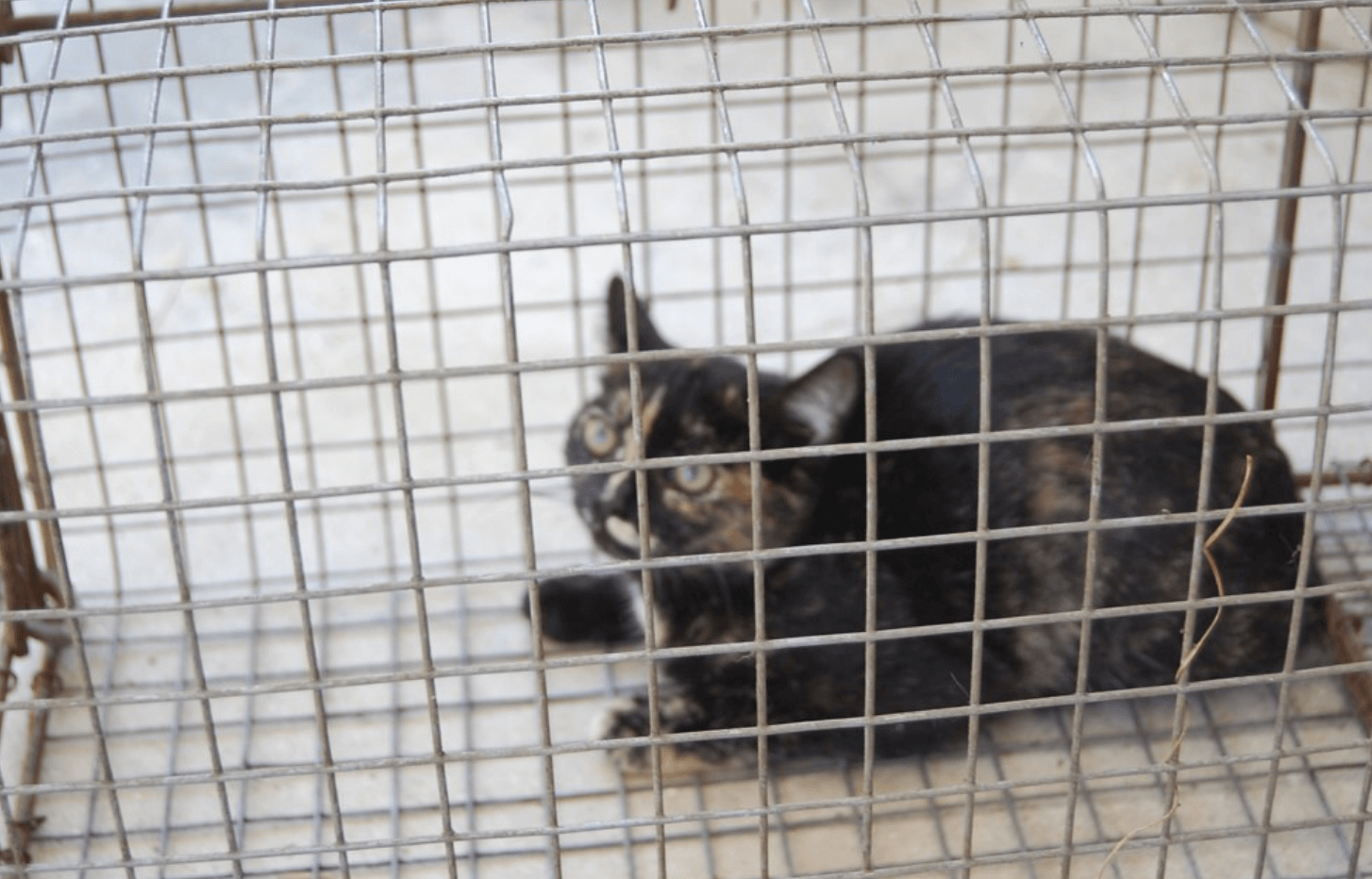
Finding an unfamiliar cat in your backyard can raise several questions. Is the cat lost, abandoned, or living outdoors? Does it belong to a neighbor? Should you feed it, contact a rescue organization, or arrange professional assistance?
The situation becomes more complicated when several cats begin visiting the property, a mother cat appears with kittens, or an animal seems injured or frightened.
Humane cat trapping involves identifying the cat’s circumstances, determining whether intervention is necessary, and coordinating safe handling with the appropriate animal welfare professionals. Unlike trapping nuisance wildlife, handling domestic cats requires special consideration for ownership, local animal control policies, and community cat programs.
At All City Animal Trapping, we understand that property owners may encounter different types of animal-related situations. When cats are involved, the priority should be protecting the animal’s welfare while helping residents identify the appropriate next steps.
This guide explains how to recognize different outdoor cat situations, when trapping may be appropriate, and why working with local animal shelters, veterinarians, or community cat organizations is often the best approach.
Understanding the Difference Between Stray, Feral, and Community Cats
Not every outdoor cat has the same background or needs.
Before considering trapping, it is important to understand the differences between cats that are lost, socialized, or accustomed to living outdoors.
Stray cats
A stray cat is generally a domestic cat that has become lost or separated from its owner, or that previously lived with people.
Some stray cats approach humans, vocalize for attention, or appear comfortable around homes.
Others may behave cautiously, particularly if they have been outdoors for an extended period.
A friendly cat visiting your yard could belong to a neighbor rather than being homeless.
Feral cats
Feral cats are generally unsocialized to human interaction and may avoid close contact with people.
They may run away when approached, hide during daytime hours, or become extremely stressed when confined.
Attempting to handle a frightened, unsocialized cat without training can result in bites or scratches.
Community cats
Community cats are outdoor cats that may be cared for by residents or volunteer caregivers.
Some participate in trap-neuter-return programs, commonly called TNR.
A cat with an ear tip, where a small portion of one ear has been surgically removed, may have been sterilized as part of such a program.
However, an ear tip alone does not establish ownership or determine whether a cat needs assistance.
Owned outdoor cats
Some cats have owners who allow them outdoors.
A healthy-looking cat that regularly visits several homes may have a family nearby.
This is why identification and owner checks are important before assuming an animal needs to be trapped.
Why Do Cats Keep Visiting Your Property?
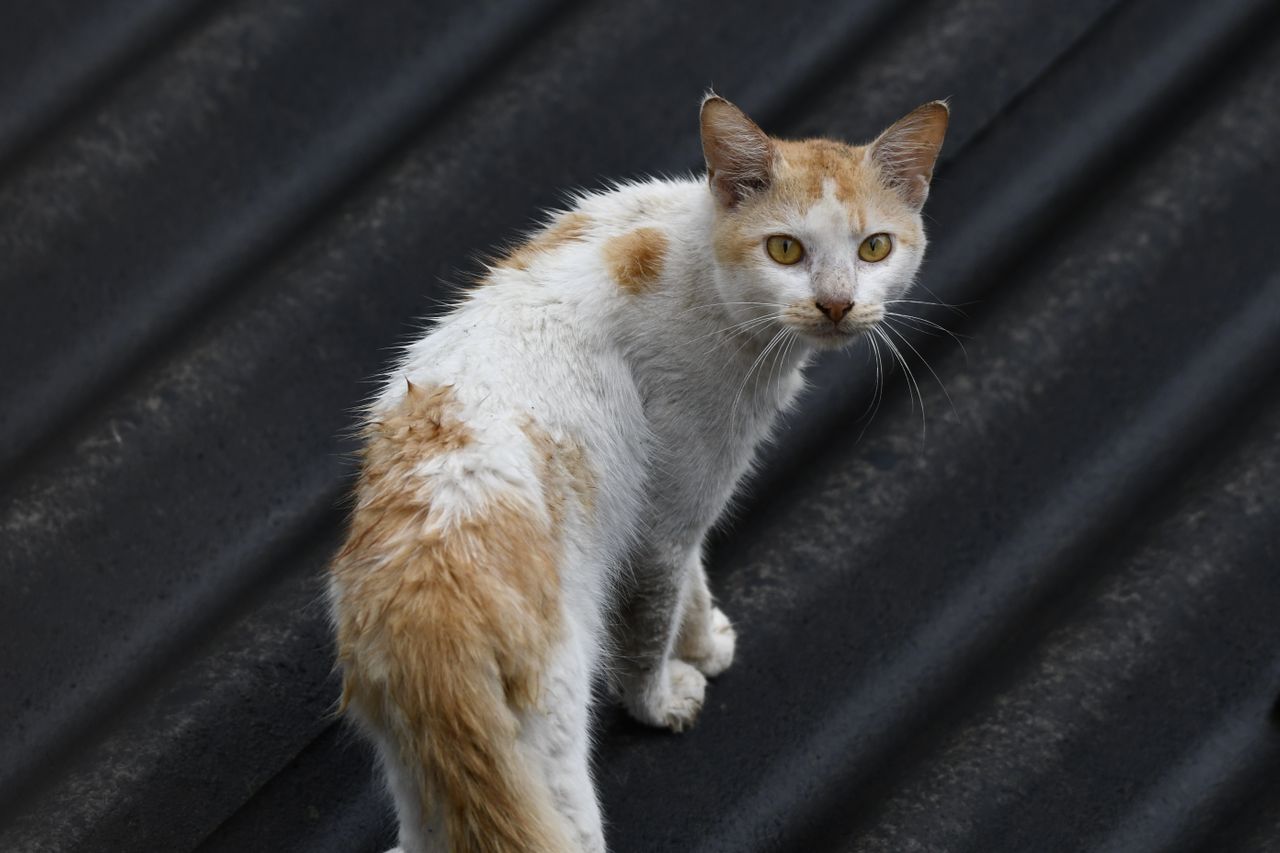
Cats may return to the same yard because it provides food, shelter, familiar surroundings, or opportunities to interact with other cats.
Understanding what attracts them can help homeowners respond appropriately.
Accessible food
Pet food left outdoors, unsecured food waste, and intentional feeding can encourage cats to return.
If someone in the neighborhood regularly feeds community cats, the animals may develop predictable travel routes.
Sheltered spaces
Cats may rest beneath decks, in sheds, behind landscaping, or inside accessible garages.
These spaces can provide protection from weather and disturbance.
A quiet environment
A secluded yard with limited activity may be an attractive resting place.
Other cats nearby
Cats may travel through areas where other cats live or where food is regularly available.
A mother seeking shelter for kittens
A mother cat may choose a protected area beneath a structure or within dense vegetation to care for her kittens.
In these situations, immediate trapping without assessing the family group can create unnecessary risks.
When Is Cat Trapping Necessary?
Not every outdoor cat requires trapping.
A cat walking across your yard or resting beneath a tree may not need intervention.
Trapping is generally considered when a cat needs veterinary treatment, sterilization through an organized community cat program, or assistance from animal welfare authorities.
Injured or sick cats
A cat showing visible injuries, severe weakness, or unusual behavior may require urgent assistance.
Contact a veterinarian, animal shelter, or local animal control agency for guidance.
Avoid handling an unfamiliar animal directly.
Trap-neuter-return programs
TNR programs use humane trapping to bring eligible community cats to veterinary professionals for sterilization and other appropriate care.
After recovery, cats may be returned to their original outdoor location when permitted and appropriate under the program’s policies.
Lost or abandoned cats
A socialized cat may need help reconnecting with its owner or entering an appropriate shelter or rescue program.
Trapping is not always necessary. A friendly cat may be safely contained through other methods under guidance from animal welfare professionals.
Cats in unsafe locations
A cat trapped inside a building, injured near traffic, or stranded in an inaccessible location may require assistance.
The response depends on the animal’s condition and the immediate hazards.
What Is Humane Cat Trapping?

Humane cat trapping is a carefully managed process intended to contain a cat without unnecessary injury or distress.
It is most commonly associated with rescue work, veterinary treatment, and TNR programs.
The process should be coordinated with an organization or veterinary provider that can accept and care for the animal.
Planning before trapping
Before a trap is set, the person coordinating the effort should know why the cat needs to be captured and where it will go afterward.
This includes confirming veterinary appointments, transportation arrangements, and any required permissions.
Using appropriate equipment
Cat-specific humane traps are designed to contain animals temporarily.
Equipment should be suitable for the animal and operated according to the instructions of an experienced rescue or TNR organization.
Monitoring the animal
A trapped cat should not be left unattended for prolonged periods or exposed to unsafe temperatures.
Animal welfare organizations can provide guidance on monitoring and handling.
Safe transportation
Transport arrangements should minimize noise, heat exposure, and unnecessary handling.
A frightened cat should not be removed from a trap by an inexperienced person.
Veterinary or shelter care
The next step depends on the reason for trapping.
The cat may need a microchip scan, medical treatment, sterilization, or evaluation by an animal welfare organization.
Why You Should Not Trap an Outdoor Cat Without a Plan
Homeowners sometimes consider trapping a cat simply because it visits their property frequently.
However, capturing an unfamiliar cat without identifying its circumstances can create legal, safety, and animal welfare problems.
The cat may belong to someone
An owned cat may regularly explore neighboring yards.
Capturing or relocating it without following local requirements can interfere with the owner’s ability to recover their pet.
The cat may be caring for kittens
A mother cat may leave her kittens temporarily while searching for food.
Removing her without checking for dependent kittens can put them at risk.
The cat may require medical attention
An injured or sick animal needs appropriate veterinary care, not simply relocation.
Improper handling can cause injury
A frightened cat may struggle, bite, or scratch.
Attempting to remove it from a trap without training can injure both the person and the animal.
Local rules may apply
Animal control ordinances and procedures differ across Southern California communities.
Before trapping, residents should check with their local animal services agency or an established community cat program.
What Should You Do If You Find Kittens in Your Yard?
Discovering kittens beneath a deck, behind a shed, or inside landscaping can be alarming.
However, finding kittens alone does not necessarily mean they have been abandoned.
Mother cats often leave their kittens temporarily to search for food.
Observe from a distance
If the kittens appear safe, watch discreetly to determine whether the mother returns.
Avoid standing nearby continuously, since your presence may discourage her from approaching.
Do not immediately move healthy kittens
Moving kittens without a clear need can separate them from their mother.
Their age, condition, and surroundings should guide the next steps.
Look for immediate danger
Kittens exposed to traffic, flooding, extreme temperatures, or other immediate hazards may need prompt assistance.
Contact an animal welfare organization
A local rescue group, shelter, or veterinarian can advise whether intervention is necessary.
Very young kittens have specialized feeding and temperature needs.
Do not attempt to care for newborn kittens without appropriate guidance.
How Trap-Neuter-Return Programs Work
Trap-neuter-return is a community cat management approach used by many animal welfare organizations.
Its purpose is to reduce reproduction among eligible outdoor cats while providing veterinary intervention.
Trapping
Cats are humanely contained by trained caregivers or volunteers.
Veterinary care
The cats are evaluated and sterilized.
Programs may also provide vaccinations and other services according to their policies.
Recovery
Cats are monitored during recovery in accordance with veterinary instructions.
Return
Eligible cats may be returned to their original outdoor territory where lawful and appropriate.
Not every cat is a candidate for return. Friendly cats, kittens, and animals requiring ongoing medical care may have different placement needs.
For additional information, Alley Cat Allies’ community cat resources explain common TNR practices and community cat care.
Local program availability and procedures should always be confirmed before taking action.
Can You Relocate a Stray or Feral Cat?
Relocating a cat to another neighborhood, park, or open area may seem like a simple solution, but it can create serious welfare problems.
Cats may be familiar with their existing territory, including food sources, shelter, and potential dangers.
Moving an outdoor cat without a structured plan can leave it disoriented and unable to find reliable resources.
An owned cat may also be separated from its family.
For these reasons, homeowners should not capture a cat and release it somewhere else simply to prevent it from returning.
Instead, contact the appropriate local animal services agency or a community cat organization to discuss lawful and humane options.
How to Keep Unwanted Cats Out of Your Yard Humanely
If outdoor cats are regularly entering your property but are not injured or creating an immediate safety concern, prevention may be more appropriate than trapping.
Remove accessible food
Avoid leaving pet food outdoors overnight.
Keep garbage containers closed and clean up food scraps.
If community cats are being fed nearby, discuss responsible feeding and cleanup practices with their caregiver rather than interfering with the animals.
Protect garden beds
Physical barriers, suitable garden fencing, and other non-injurious deterrents may help discourage cats from digging in particular areas.
Choose materials that do not create entanglement or injury risks.
Secure outdoor structures
Check whether cats are entering sheds, garages, or crawlspaces.
Before closing an opening, confirm that no animals or kittens are inside.
Use safe deterrents
Some commercially available motion-activated deterrents may help discourage unwanted visits.
Avoid toxic substances, harmful traps, and methods that could injure cats or other animals.
Communicate with neighbors
If the cat appears owned, a respectful conversation with nearby residents may help resolve the issue.
The goal should be to protect your property without putting an animal at unnecessary risk.
What If Cats Are Entering Your Crawlspace or Garage?
A cat sheltering inside a structure presents different concerns from one simply crossing a backyard.
The animal may be frightened, injured, or caring for kittens.
Before attempting to remove it, determine whether the space is occupied by additional animals.
Avoid blocking the only exit
Closing an opening while an animal is inside can trap it.
Keep the environment quiet
Loud noises and aggressive attempts to force the cat out may increase stress and make handling more difficult.
Contact appropriate professionals
A local animal rescue organization or animal control agency can help determine whether the cat needs containment, medical care, or another intervention.
Repair openings after the space is clear
Once the animals have been safely addressed, suitable repairs may help prevent future entry.
Property owners dealing with other animals entering enclosed spaces can learn more about our animal-in-attic removal services.
What Are the Risks of Handling an Unfamiliar Cat?
Even a cat that appears friendly can react defensively when frightened.
Handling unfamiliar cats may expose people to bites, scratches, and other health concerns.
Cat bites and scratches
Cat bites can cause puncture wounds that may become infected.
Wash any bite or scratch promptly with soap and running water, and seek medical advice when appropriate, especially for puncture wounds or signs of infection.
Disease concerns
Cats can carry certain infectious organisms and parasites.
Avoid direct contact with unfamiliar animals that appear sick or behave unusually.
Stress-related injuries
A frightened cat may injure itself while trying to escape confinement.
This is why trapping and handling should be coordinated with experienced animal welfare professionals.
Household pets
Keep your own pets separated from unfamiliar cats until the situation has been assessed.
For general guidance, the CDC’s information about cats and human health explains health precautions associated with contact with cats.
How Is Cat Trapping Different From Wildlife Trapping?
Although both situations may involve animals entering private property, domestic cats and wild animals require different management approaches.
A raccoon occupying an attic may need species-specific wildlife removal and exclusion.
A lost domestic cat may need an owner search, microchip scan, or animal shelter assistance.
An unsocialized community cat may be eligible for a TNR program.
These distinctions matter because the appropriate response depends on the animal’s status, not simply its location.
At All City Animal Trapping, our broader animal removal services focus on helping property owners address wildlife conflicts. Domestic cat concerns may be better handled through animal services, rescue organizations, or veterinary professionals.
If you are unsure whether an animal entering your property is a domestic cat or another species, proper identification is the first step.
When Should You Contact Animal Control or a Cat Rescue Organization?
Contact your local animal services agency or a qualified rescue organization when:
-
A cat appears injured, sick, or in immediate danger.
-
You find kittens and cannot determine whether the mother is returning.
-
An unfamiliar cat is trapped inside a building.
-
You suspect a cat is lost or abandoned.
-
You want to participate in an organized TNR program.
-
Repeated cat activity is creating a problem that cannot be resolved through reasonable preventive measures.
Different organizations may handle different situations.
Municipal animal services can provide guidance about local ordinances and procedures, while rescue groups may offer specialized support for community cats and kittens.
If you are dealing with a separate wildlife problem, such as raccoons or rodents occupying your property, our raccoon removal services and rat removal services provide information about those species-specific concerns.
Key Takeaways
-
Outdoor cats may be owned, lost, stray, feral, or part of a managed community cat population.
-
Trapping is not automatically necessary when a cat visits a yard.
-
Humane cat trapping should be coordinated with an appropriate animal welfare or veterinary program.
-
Never relocate an unfamiliar cat without proper guidance.
-
Check for dependent kittens before attempting to remove a mother cat.
-
Removing food attractants and protecting vulnerable spaces can help reduce unwanted visits.
-
Local animal services and rescue organizations are important resources for domestic cat concerns.
Frequently Asked Questions About Cat Trapping
Is it legal to trap stray cats in California?
Rules and procedures can vary by jurisdiction and circumstances. Contact your local animal services agency before trapping an unfamiliar cat, particularly if ownership is unknown.
What is the difference between a stray cat and a feral cat?
A stray cat is generally a previously socialized domestic cat that has become separated from people, while a feral cat is typically unsocialized to close human interaction.
Can I relocate a feral cat to another neighborhood?
Unplanned relocation can put the cat at risk and may violate local requirements. Consult a community cat organization about appropriate options.
What is a humane cat trap?
A humane cat trap is equipment designed to temporarily contain a cat for purposes such as veterinary treatment or an organized TNR program. It should be used with appropriate training and monitoring.
What should I do if I find kittens under my house?
Observe from a distance if the kittens are safe, since their mother may return. Contact an animal rescue organization or veterinarian for guidance, especially if the kittens appear ill or are in danger.
Does trap-neuter-return work for every outdoor cat?
No. Eligibility depends on the cat’s health, socialization, circumstances, and local program policies. Some cats may be better suited to adoption, medical care, or another placement.
How can I stop cats from entering my yard without trapping them?
Remove accessible food, protect garden beds with safe barriers, secure unoccupied structures, and consider non-injurious deterrents.
Conclusion: Choose a Humane Approach to Cat Trapping
When an unfamiliar cat begins visiting your property, the best response is not necessarily to set a trap.
First, consider whether the animal may be owned, lost, living outdoors as a community cat, or caring for kittens.
Humane cat trapping is most effective when it serves a clear purpose and is coordinated with professionals who can provide the necessary care afterward.
For domestic cat concerns, local animal services, veterinarians, and rescue organizations are often the appropriate first contacts.
At All City Animal Trapping, we encourage responsible animal management and careful species identification. If your property is experiencing a wildlife intrusion involving rats, raccoons, skunks, or other nuisance wildlife, contact All City Animal Trapping to discuss an inspection and appropriate removal options.