

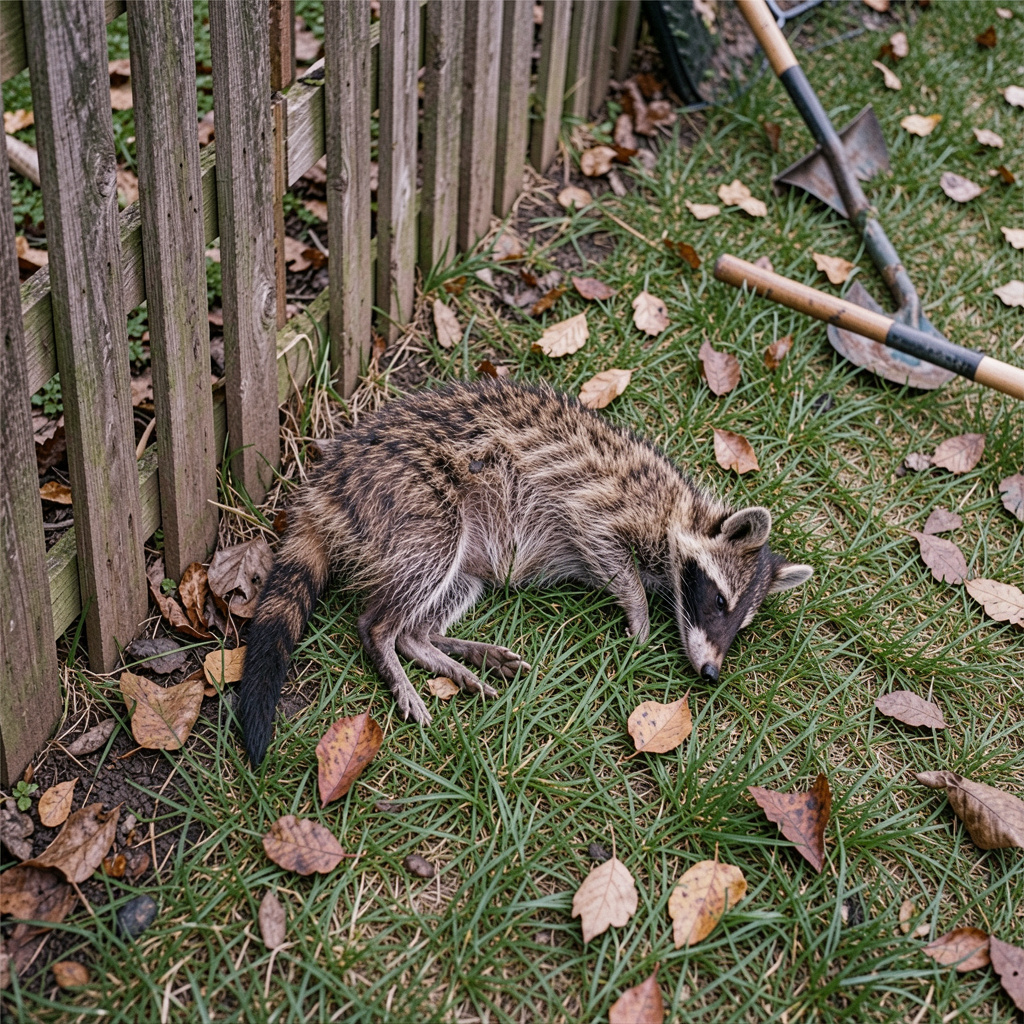
It usually starts with a smell you cannot explain. You walk into the living room and notice an unpleasant odor near one corner. A day later, it seems stronger. You take out the trash, check the refrigerator, and clean the room, but nothing changes.
Then you realize the smell may be coming from inside the wall.
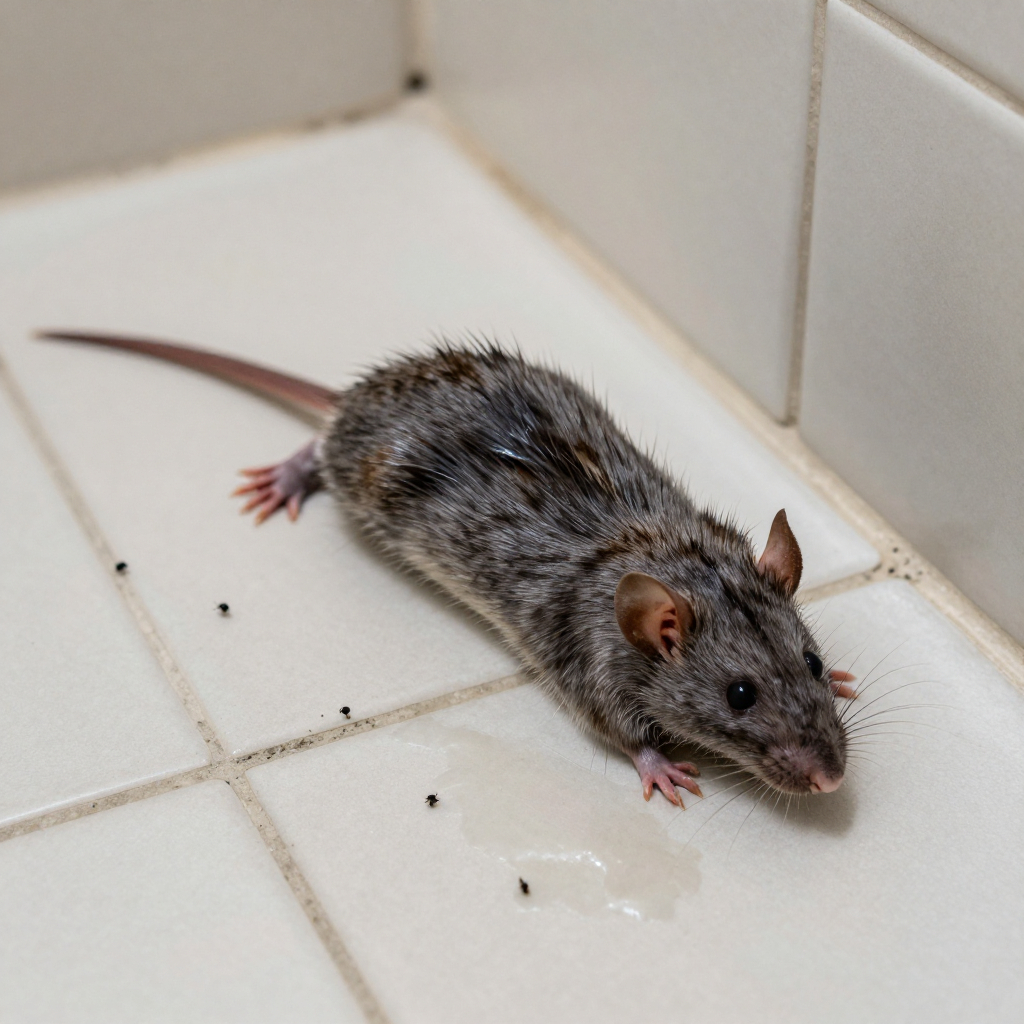
A dead rat, mouse, or other small animal can become trapped in a wall cavity, attic, crawlspace, or another concealed area of a home. When the animal dies, decomposition can produce an odor that spreads through gaps, openings, and connected building spaces.
If you suspect a dead animal smell in a wall, the best approach is to identify the likely source, avoid disturbing potentially contaminated materials, and arrange safe removal when the animal cannot be reached easily.
At All City Animal Trapping, we help homeowners and property managers in Los Angeles and surrounding Southern California communities investigate suspected dead animal odors, locate accessible carcasses, and determine whether cleaning or exclusion repairs are needed.
Covering up the smell may make a room more comfortable temporarily, but finding the source is what allows the underlying problem to be addressed.
What Does a Dead Animal in the Wall Smell Like?
The odor of a decomposing animal is often described as rotten, sour, or unusually pungent. It may be noticeably different from ordinary household trash or a musty room.
However, there is no single smell that proves an animal has died inside a wall.
The intensity can vary depending on the animal’s size, the stage of decomposition, indoor temperature, ventilation, and the materials surrounding the carcass.
A small mouse may produce a relatively localized odor. A larger animal may create a stronger smell that affects more than one room.
Warm conditions can accelerate decomposition and make the odor more noticeable. Air movement can also carry the smell away from the actual location of the animal.
For example, an odor noticed near an electrical outlet may originate elsewhere in the wall cavity.
That is why we do not recommend opening a wall based only on where the smell seems strongest.
How Can You Tell Whether the Smell Is From a Dead Animal?
An unpleasant odor inside a house can have several possible causes.
A plumbing problem, spoiled food, moisture damage, or a dead animal may produce smells that are difficult to distinguish without investigation.
Before assuming wildlife is responsible, consider whether there are other signs of animal activity.
1. You recently heard scratching in the walls
If scratching or movement was noticeable for several days and then stopped around the time the odor appeared, a dead rodent or other animal is one possibility.
However, the timing alone does not confirm the cause.
The animal may have moved elsewhere, and the odor may be unrelated.
2. The odor seems concentrated near one area
A strong smell near a wall, ceiling, cabinet, or floor opening may help narrow the investigation.
Keep in mind that airflow can move odors through connected spaces.
3. You have seen rodent droppings or gnaw marks
Droppings, damaged food packaging, and gnaw marks can indicate that rodents have been using the property.
These signs do not prove that an animal has died, but they provide useful context.
If you have noticed recurring evidence of rats or mice, our rat removal services can help address the underlying activity.
4. Flies begin appearing near a particular location
An unusual number of flies around a window, wall opening, or attic access point may indicate decaying organic material nearby.
Flies can also be associated with trash, drains, and other sources, so this sign should be evaluated alongside the odor and any wildlife evidence.
5. The smell persists despite ordinary cleaning
If cleaning the room and removing accessible waste does not improve the odor, the source may be concealed.
At that point, a more targeted inspection is usually more useful than continuing to apply air fresheners.
Where Do Animals Commonly Die Inside Homes?
Animals can become trapped or die in spaces that homeowners rarely inspect.
The location depends on the species, the building’s design, and the routes the animal used to enter.
Inside wall cavities
Rats and mice may travel through openings around plumbing, framing, and other concealed spaces.
If an animal dies inside a wall, the carcass may be inaccessible without opening part of the structure.
In attics
Attics can provide shelter for rodents and other wildlife.
A dead animal may be hidden beneath insulation, behind stored items, or near a roofline opening.
An attic odor can sometimes travel into living areas through gaps around fixtures or other penetrations.
Beneath floors and inside crawlspaces
Raised foundations and crawlspaces may provide access for rodents, opossums, and other animals.
Odors can move upward through floor openings or utility penetrations.
Behind kitchen appliances or cabinets
Small rodents may enter narrow spaces behind refrigerators, dishwashers, or built-in cabinetry.
These locations should be checked carefully without moving heavy appliances unsafely or disturbing electrical and plumbing connections.
Around roof vents and exterior openings
An animal may enter through a damaged vent or roofline gap and become trapped in a concealed area.
When this happens, removal should be followed by an assessment of the entry point.
Our animal-in-attic removal services can help homeowners investigate wildlife activity in overhead spaces and identify access concerns.
How Long Does a Dead Animal Smell Last?
There is no reliable number of days that applies to every situation.
The duration depends on the animal’s size, temperature, humidity, airflow, and whether the carcass is exposed or enclosed.
In some cases, the odor may diminish within days. In others, it may persist for weeks or fluctuate as conditions change.
A homeowner may notice the smell more strongly during warmer parts of the day or when an HVAC system is operating.
Waiting for the odor to disappear is not always the best solution.
Even after the smell fades, the animal’s remains and any associated contamination may still be present.
If the odor is strong, persistent, or affecting occupied rooms, locating and removing the source is generally preferable to relying on time alone.
Can a Dead Animal in the Wall Make You Sick?
A dead animal does not automatically mean everyone in the house will become ill.
However, carcasses, animal waste, contaminated nesting materials, and insects associated with decomposition can create sanitation concerns.
The risks depend on the animal, the location, the degree of contamination, and whether people have direct contact with affected materials.
Rodents may also leave droppings and urine along the routes they used before dying.
The Centers for Disease Control and Prevention advises against sweeping or vacuuming dry rodent droppings because disturbing contaminated material can release particles into the air.
For a suspected rodent problem, it is important to follow appropriate cleanup guidance rather than treating the area like ordinary household dust.
When should you be especially cautious?
Additional care is appropriate when the carcass is located in insulation, an enclosed crawlspace, or another area with substantial waste.
Avoid direct contact with animal remains.
Do not allow children or pets to investigate the affected area.
If you have a medical concern after possible exposure, contact a healthcare professional.
Should You Cut Open the Wall to Remove a Dead Animal?
Not immediately.
Opening a wall without identifying the likely source can create unnecessary property damage.
It may also expose insulation, wiring, plumbing, or contaminated materials.
Before any access opening is made, the location should be assessed as carefully as possible.
Why the strongest smell may not identify the exact location
Air can move through wall cavities and connected building spaces.
A smell near a baseboard may come from a higher location, while an odor around an outlet may originate from another section of the wall.
The goal is to gather enough evidence to limit unnecessary demolition.
What about electrical wires and plumbing?
Walls can contain energized wiring, water lines, gas lines, and other building components.
Do not cut into a wall unless these hazards have been appropriately evaluated.
If access requires opening finished materials, the work may need coordination with a qualified tradesperson.
At All City Animal Trapping, we assess the suspected wildlife issue and recommend an appropriate removal approach based on accessibility and site conditions.
How Professional Dead Animal Removal Works
The process begins with locating the likely source.
A successful removal should also consider whether the animal’s presence indicates an ongoing wildlife entry problem.
Step 1: Discuss the history of the odor
We ask when the smell began, where it is most noticeable, and whether the homeowner previously heard animal activity.
Information about past rodent problems, recent trapping, or known entry points can help narrow the inspection.
Step 2: Inspect accessible areas
We evaluate relevant accessible spaces, which may include the attic, crawlspace, garage, exterior openings, and other areas associated with the odor.
We look for evidence of animal activity and possible routes into the structure.
Step 3: Locate the carcass when possible
Some dead animals are found in accessible spaces and can be removed without opening finished building materials.
Others may be concealed in walls or beneath structural components.
When the location cannot be confirmed, we explain the limitations rather than assuming that an opening will solve the problem.
Step 4: Remove the animal using appropriate precautions
Once located and safely accessible, the carcass can be removed using suitable protective measures.
The handling method depends on the animal and surrounding conditions.
Step 5: Evaluate cleanup needs
The affected area may contain fluids, droppings, nesting debris, or contaminated insulation.
Not every case requires extensive restoration, but some situations call for additional cleaning or material removal.
Step 6: Identify potential entry points
If a rodent or another animal entered through a damaged vent, foundation gap, or roofline opening, that vulnerability should be addressed.
Otherwise, another animal may enter the same space later.
Our attic cleaning and repair services can help when wildlife activity has left contamination or damaged materials in overhead spaces.
Why Air Fresheners and Deodorizers Are Not Enough
An air freshener may temporarily make the room smell better, but it does not remove a dead animal.
Strong fragrances can also make it harder to identify where the original odor is coming from.
Likewise, using excessive disinfectant or spraying chemicals into wall openings may introduce additional hazards without reaching the source.
Odor treatment can sometimes be part of the cleanup process after the animal is removed.
However, the order matters.
First, identify and remove the source where feasible. Then evaluate contaminated materials and determine whether cleaning or other treatment is appropriate.
This is more effective than repeatedly masking the smell.
What If the Dead Animal Is in Attic Insulation?
Insulation can make carcass removal more complicated.
Loose-fill or batt insulation may conceal animal remains, droppings, and nesting materials.
If the affected material has been heavily contaminated, removal of a limited section may be appropriate.
In more extensive cases, the attic may need a broader cleanup assessment.
Do not assume that all insulation must be replaced because one animal died in the attic.
The decision should depend on the actual condition and extent of contamination.
If rodents are still active, removal and exclusion should also be addressed before replacement materials are installed.
Otherwise, the new insulation may become contaminated again.
Can You Prevent Animals From Dying Inside Your Walls?
It is not possible to prevent every wildlife encounter, but you can reduce opportunities for animals to enter concealed spaces.
Seal vulnerable entry points
Rodents may enter through gaps around utility penetrations, damaged vents, foundation openings, and roofline defects.
The appropriate repair depends on the opening and surrounding building materials.
Keep food sources under control
Store food securely, close garbage containers, and avoid leaving pet food outdoors overnight.
These steps can reduce conditions that attract rodents near the property.
Pay attention to early activity
Scratching, droppings, gnaw marks, and recurring noises should be investigated before the problem becomes more extensive.
Coordinate removal and exclusion
Do not seal an opening while animals may still be inside.
Exclusion repairs should be planned so animals are not trapped in wall cavities, attics, or crawlspaces.
A complete approach addresses both the animals currently present and the openings that allowed them inside.
When Should You Call a Dead Animal Removal Professional?

Consider professional assistance when the odor is persistent, the source is concealed, or you suspect the animal is inside a wall or inaccessible attic space.
Help is also appropriate when there is substantial contamination, repeated wildlife activity, or a concern that animals are entering through damaged building components.
You should not enter an unsafe crawlspace, climb onto a roof, or cut into a wall simply to investigate a smell.
At All City Animal Trapping, we help homeowners and property managers throughout Los Angeles and surrounding communities investigate wildlife-related odors and determine practical next steps.
We focus on locating the likely source, addressing accessible animal remains, and identifying conditions that could lead to another problem.
Key Takeaways
-
A dead animal smell in a wall may come from a rodent or other animal in a concealed space.
-
Odors alone cannot confirm the species or exact location.
-
The smell may persist for days or weeks depending on environmental conditions.
-
Avoid cutting into walls without considering wiring, plumbing, and other hazards.
-
Carcass removal may need to be followed by cleanup and entry-point repairs.
-
Air fresheners do not resolve the underlying source of decomposition odors.
Frequently Asked Questions About Dead Animal Smells in Walls
How do I know if a dead rat is inside my wall?
A persistent decomposition odor, previous scratching sounds, rodent droppings, and localized insect activity may suggest a dead rodent. An inspection is needed to confirm the source.
How long will a dead mouse smell last in a wall?
The duration varies with temperature, humidity, ventilation, and the animal’s size. It may fade within days or persist longer, particularly in enclosed spaces.
Will a dead animal smell eventually go away?
The odor may diminish as decomposition progresses, but the remains and associated contamination can remain. Removal is preferable when the source can be safely located.
Is it dangerous to leave a dead animal in the wall?
The level of risk depends on the location, animal, contamination, and exposure. Persistent odors, insects, or accessible waste justify further assessment.
Can I spray disinfectant into the wall?
Spraying chemicals into an unidentified wall cavity is not a reliable solution and may create additional hazards. Locate the source and assess appropriate cleanup methods first.
Do I need to replace insulation after removing a dead animal?
Not always. Replacement may be necessary if insulation is significantly contaminated, but unaffected material may be able to remain.
Can a dead animal attract more pests?
Decomposing organic material can attract certain insects and scavengers. Removing the source and addressing entry points can help reduce related problems.
Conclusion: Get Help With a Dead Animal Smell in Your Wall
A persistent odor inside your home can be frustrating, especially when you cannot locate the source.
The right response is to investigate carefully, avoid unnecessary damage, and remove the animal when it can be safely accessed.
At All City Animal Trapping, we help Los Angeles homeowners identify wildlife-related odor problems, remove accessible animal remains, and determine whether additional cleanup or exclusion work is needed.
If you suspect a dead animal smell in a wall, contact All City Animal Trapping or call (877) 724-5314 to request an inspection.