


Hearing scratching inside a wall after everyone has gone to bed is unsettling. Finding small droppings beneath the kitchen sink is worse, especially when you cannot tell how long they have been there. Rats and mice are good at staying out of sight, which means homeowners often discover evidence of activity before they actually see an animal.
Dealing with rodents in Los Angeles starts with identifying the signs, finding how they entered the property, and addressing both the animals and the conditions that attracted them. Trapping alone may reduce activity temporarily, but unsealed openings and accessible food sources can allow another problem to develop.
At All City Animal Trapping, we help Los Angeles homeowners and property managers investigate rodent activity, remove animals, identify vulnerable entry points, and determine whether cleanup or repairs are needed. Our approach focuses on the whole problem, not just the rat or mouse someone happened to spot.
Why Rodent Problems Are Common in Los Angeles
Los Angeles offers rodents plenty of places to find food, water, and shelter. Residential neighborhoods have gardens, garages, outdoor trash containers, fruit trees, and spaces beneath homes. Commercial properties may have storage areas, loading zones, dumpsters, and utility openings that rodents can exploit.
Even a well-maintained home can develop a rodent problem.
A small gap around a pipe, a damaged vent screen, or an opening beneath the roofline can provide access. Once inside, rodents may move through wall cavities, attics, crawlspaces, and other spaces that are difficult for residents to inspect.
Los Angeles also has a range of building styles. Older homes may have openings around aging materials or previous repairs, while newer buildings can develop gaps around utility penetrations or improperly sealed construction details.
The issue is not simply whether a property looks clean. Rodents need an opportunity to enter, a place to hide, and access to resources.
That is why an effective response begins with understanding the building as well as the animals.
How Can You Tell If You Have Rats or Mice?
You may never see a rodent moving through the house. Many homeowners first notice sounds, odors, droppings, or damage.
The following signs deserve attention.
Scratching and movement in walls or ceilings
Rodents can travel through concealed building spaces, particularly at night.
Light scratching, scurrying, or repeated movement above a ceiling may indicate activity in an attic or wall void. However, sounds alone cannot confirm the species. Other wildlife can produce similar noises.
We look for additional evidence before deciding what type of animal is present.
Droppings near food or storage areas
Droppings may appear beneath sinks, behind appliances, inside cabinets, or along walls.
Their size and shape can provide clues, but homeowners should avoid handling them directly. Droppings can also remain after an animal has left, so their presence does not always establish when the activity occurred.
Chewed packaging or damaged materials
Rats and mice may gnaw food containers, stored cardboard, insulation, and other accessible materials.
Gnaw marks around openings can also indicate where rodents have been entering or traveling.
If you notice damage near electrical wiring, do not attempt to inspect or repair energized components yourself. Arrange appropriate professional assistance.
Unusual odors
A persistent odor can sometimes be associated with urine, nesting materials, or a dead animal in a concealed space.
An odor does not establish the exact cause by itself. Moisture problems and other building conditions can produce similar smells.
When the source is unclear, inspection is more useful than repeatedly applying deodorizer.
Pets focusing on the same location
A dog repeatedly sniffing beneath a cabinet or a cat watching a wall opening may draw your attention to an area worth checking.
Pet behavior is only a clue. It should be considered alongside physical evidence.
Where Do Rodents Hide in Los Angeles Homes?
Rodents prefer areas where they can move without frequent disturbance.
In homes, we commonly investigate attics, crawlspaces, garages, kitchens, storage rooms, and spaces around plumbing or utility lines.
Attics and rooflines
An attic can provide shelter away from regular household activity. Rodents may enter through damaged roof vents, gaps around eaves, or other vulnerable openings.
From there, they can move through insulation and concealed spaces.
A homeowner might hear activity above a bedroom while the actual entry point is on the opposite side of the house.
Crawlspaces and foundations
Openings near foundations, crawlspace vents, and utility penetrations can provide access.
These areas may also contain plumbing, insulation, and stored materials that make an infestation harder to notice.
Kitchens and pantries
Food storage areas can attract rodents when packaging is accessible or crumbs accumulate in concealed places.
Even small amounts of food behind appliances may encourage repeat visits.
Garages and outdoor storage
Garages often contain boxes, pet food, gardening supplies, and items that remain undisturbed for long periods.
A garage door that does not seal properly may also leave a convenient opening.
Understanding where rodents travel helps us determine where to inspect and which areas need attention.
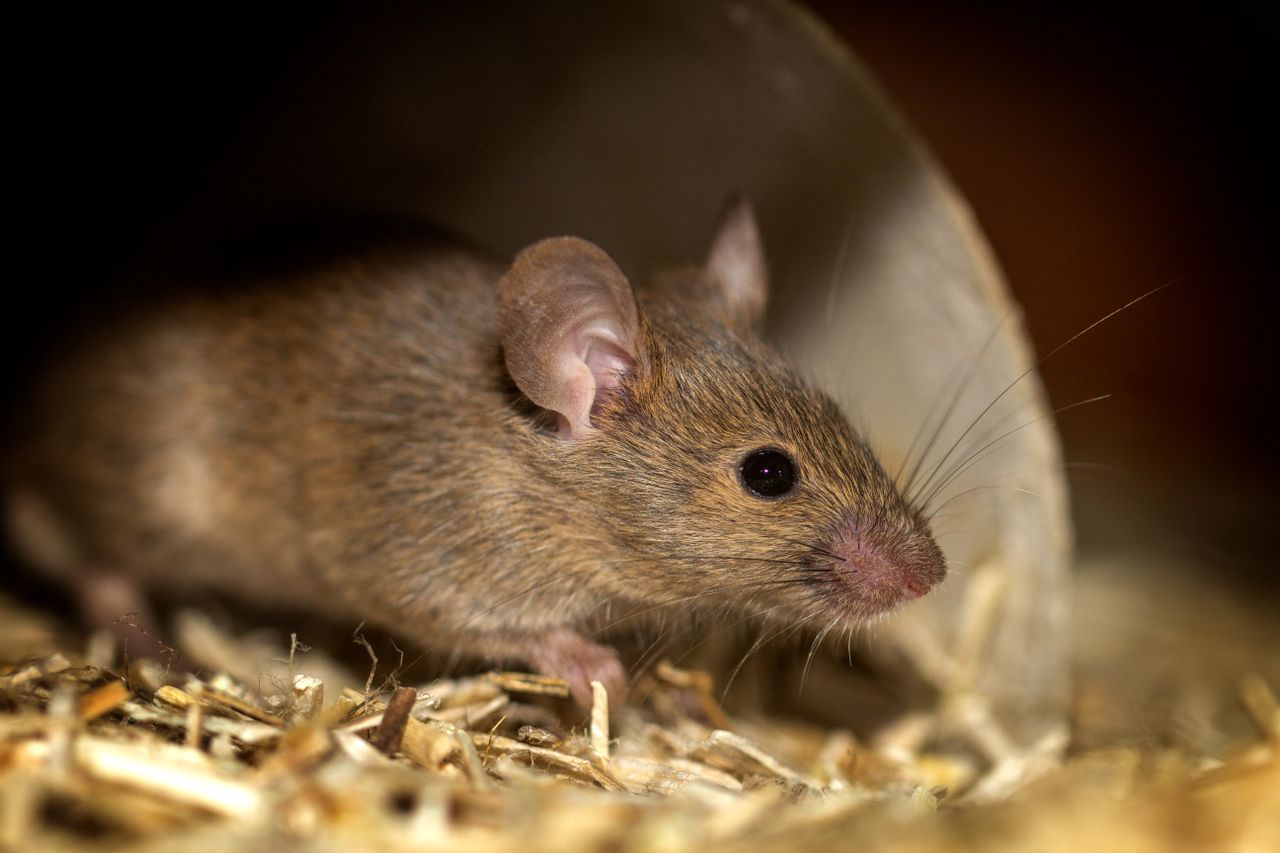
Why You Should Address Rodent Activity Early
A rodent problem is more than an inconvenience.
Rats and mice can contaminate food and surfaces through their droppings, urine, and saliva. They may also damage stored belongings and building materials.
The Centers for Disease Control and Prevention explains that rodents can spread disease directly and indirectly, making prevention and safe cleanup important.
There are also practical reasons to act promptly.
A small opening may continue admitting animals. Nesting materials may accumulate in insulation. Damage to packaging or stored items can increase. If an animal dies in a concealed location, finding and removing it may require additional work.
This does not mean every sound in the attic indicates a severe infestation. It means that investigating early gives you a better chance to identify the issue before it becomes more complicated.
What Should You Do When You Find Rodent Droppings?
Finding droppings in a cabinet or garage can make homeowners want to clean everything immediately.
However, cleanup should be handled carefully.
Do not sweep or vacuum dry rodent droppings. These actions can disturb contaminated material and potentially release particles into the air.
The CDC recommends ventilating the area when appropriate, using protective gloves, wetting droppings with a suitable disinfectant, and following safe disposal procedures.
For a small, accessible area, homeowners may be able to follow the CDC’s published cleanup instructions.
For heavy contamination, damaged attic insulation, difficult-to-reach nesting areas, or situations involving significant exposure, professional assistance may be more appropriate.
Do not enter an unsafe attic or crawlspace simply to investigate an odor or collect droppings.
If you have health concerns following possible exposure, contact a healthcare professional.
Why Traps Alone May Not Solve a Rodent Problem
Traps can play a role in removing rodents, but they do not explain how the animals entered the building.
Imagine catching a rat in the garage while leaving a damaged vent opening untouched. The immediate activity may decrease, but another rodent could use the same opening later.
That is why we look at removal and prevention together.
A complete approach considers the species involved, where animals are active, what they are accessing, and which openings need to be repaired.
The right trapping method depends on the situation and should be selected with safety, animal welfare, and applicable requirements in mind.
We also discourage homeowners from placing poison indiscriminately. Rodents can die in inaccessible spaces, creating odor and removal problems. Improper use can also expose pets and other animals to risk.
The best plan is one that addresses the current activity without creating unnecessary new hazards.
How We Handle Rodent Removal in Los Angeles
At All City Animal Trapping, we begin by learning what the property owner has observed.
A customer may report scratching above the ceiling, droppings behind a refrigerator, or an odor coming from a wall. Those details help us decide where to begin, but they are not a substitute for inspection.
Step 1: Inspect the property
We examine accessible areas where rodent activity has been reported and look for evidence such as droppings, gnaw marks, nesting materials, and possible entry points.
Depending on the property, this may include the attic, garage, crawlspace, roofline, vents, and utility openings.
Step 2: Identify the animal and its activity
Different animals require different responses.
We look for evidence that helps distinguish rats and mice from other wildlife and assess where activity appears to be concentrated.
Step 3: Plan appropriate removal
Once we understand the situation, we can recommend an appropriate removal approach.
The objective is to address the animals currently using the structure while considering access, safety, and the property’s layout.
Step 4: Address entry points
Removal is only part of the solution.
We identify openings that may allow rodents to enter and recommend suitable exclusion repairs.
These may include damaged vent screens, gaps around utility lines, or openings at the roofline.
Step 5: Evaluate cleanup and damage
When rodents have contaminated insulation, left nesting materials, or damaged building components, we assess whether additional cleanup or repair is needed.
Not every property requires extensive restoration. The recommendation should reflect the actual condition of the affected area.
What Is Rodent Exclusion and Why Does It Matter?
Rodent exclusion means closing or protecting openings that allow rats and mice to enter a structure.
It is one of the most important parts of long-term prevention.
A homeowner may spend time removing rodents only to discover activity again because the same gap remains open.
Effective exclusion begins with finding those gaps.
Potential entry points include spaces around plumbing pipes, utility cables, crawlspace vents, roof vents, eaves, doors, and foundation transitions.
The CDC notes that mice can fit through openings approximately a quarter-inch wide, illustrating why small gaps deserve attention.
However, sealing work needs to be planned carefully. Openings should not be closed in a way that traps animals inside the building or interferes with necessary ventilation and building systems.
Durable materials and appropriate installation are also important because some rodents can damage weak barriers.
Can You Prevent Rodents From Returning?
No prevention method can guarantee that rodents will never approach a property again.
However, reducing access to food, water, shelter, and entry points makes a building less inviting.
Start with the kitchen. Keep dry foods in sturdy, tightly sealed containers. Clean spills promptly, and avoid leaving pet food out overnight.
Outside, use trash containers with secure lids and clean up fallen fruit or accessible food waste.
Check garage doors, vent screens, and areas where pipes or cables enter the building.
Trim vegetation that contacts the structure when practical, and reduce clutter in storage areas where rodents can hide.
Most importantly, pay attention to new signs of activity after removal work.
Fresh droppings, renewed scratching, or additional gnaw marks may indicate that an opening remains or another area needs investigation.
Prevention works best as an ongoing habit rather than a one-time task.
What About Rodents in Apartments or Rental Properties?
Rodent problems can be more complicated in multiunit buildings.
A tenant may notice droppings in one apartment even though rodents are traveling through shared walls, service spaces, or utility routes.
Treating only the visible area may not address the broader access problem.
Property managers and owners should coordinate inspections and repairs where shared building components may be involved.
Residents can help by reporting sightings, documenting affected areas, and avoiding actions that scatter rodents or create unsafe conditions.
Responsibility for repairs and treatment depends on the property, lease arrangements, and applicable requirements, so it is best not to assume that every situation is handled the same way.
For commercial buildings, food storage and waste management practices may also need attention alongside removal and exclusion work.
When Should You Call a Professional for Rodent Removal?
Consider arranging professional help when activity continues, rodents are entering inaccessible spaces, or you cannot determine how they are getting inside.
Other situations that justify assistance include substantial droppings, suspected nesting in insulation, repeated trapping without lasting improvement, or an odor suggesting an animal has died behind a wall.
You should also avoid handling unfamiliar wildlife or attempting to enter confined or unsafe building spaces.
A professional inspection can help establish the likely species, extent of activity, entry points, and next steps.
At All City Animal Trapping, we help homeowners, landlords, property managers, and businesses across Los Angeles and surrounding communities address these situations with an inspection-led approach.
Key Takeaways
-
Scratching, droppings, gnaw marks, and odors may indicate rodent activity.
-
Rodents can enter through surprisingly small gaps around roofs, vents, doors, and utilities.
-
Removal alone may not prevent another infestation if entry points remain open.
-
Dry sweeping or vacuuming rodent droppings is unsafe.
-
A lasting response combines inspection, appropriate removal, exclusion, and cleanup when necessary.
Frequently Asked Questions About Rodents in Los Angeles
What are the first signs of a rodent infestation?
Common early signs include droppings, scratching sounds, gnaw marks, damaged food packaging, and unusual odors. An inspection helps determine whether the activity is current and where rodents may be entering.
Why do rats keep coming back to my house?
Repeat activity can occur when entry points remain open or food, water, and shelter are still available. An inspection can help identify which conditions need attention.
Can rats live in the attic without entering the kitchen?
Yes. Rodents may use an attic primarily for shelter and travel elsewhere for food and water. Their activity may remain confined to concealed areas for some time.
Is it safe to vacuum rat or mouse droppings?
No. The CDC advises against sweeping or vacuuming dry rodent droppings because contaminated particles can become airborne. Follow appropriate wet-cleaning guidance instead.
Does sealing holes get rid of rodents already inside?
Not by itself. Exclusion work needs to be coordinated with removal so animals are not trapped inside inaccessible areas.
Should I use poison to get rid of rats in the walls?
Using poison without a carefully considered plan can create additional problems, including inaccessible carcasses and risks to other animals. A professional assessment can help determine safer, more appropriate options.
How quickly should I respond to rodent activity?
Arrange an inspection promptly when you find convincing evidence, particularly if food storage areas, insulation, or occupied spaces are affected. Earlier action can help limit contamination and damage.
Conclusion: Get Help Dealing With Rodents in Los Angeles
Rodent activity can be frustrating, especially when you hear movement but cannot find the animals or discover droppings in a part of the house you use every day.
The most effective response is to find out what is happening, remove the animals appropriately, and address the openings and conditions that allowed the problem to develop.
At All City Animal Trapping, we help Los Angeles property owners investigate rodent problems, plan removal, and identify exclusion and cleanup needs.
If you are dealing with rodents in Los Angeles, call (877) 724-5314 to discuss what you have found and arrange an inspection.