

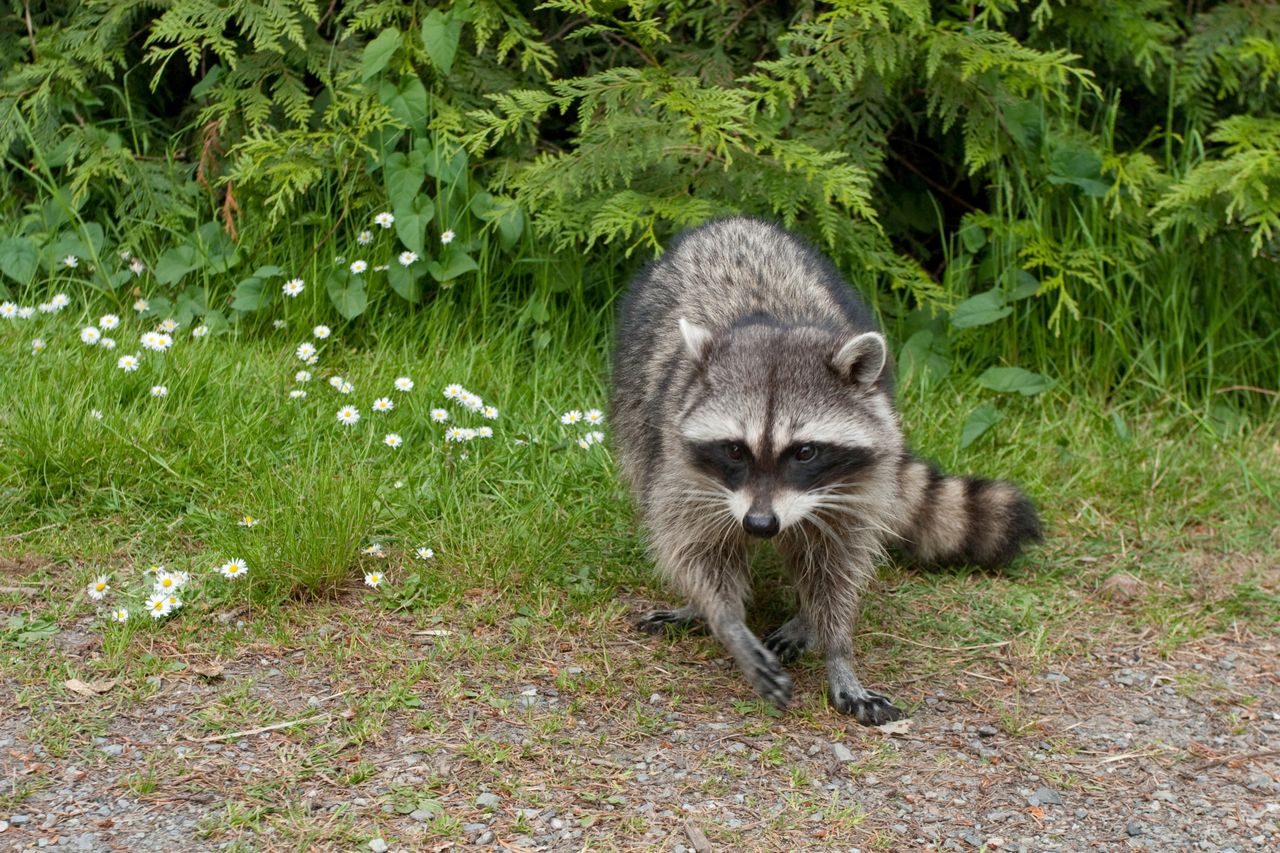
Raccoons are a familiar sight in many urban and suburban neighborhoods. They travel along fences, investigate garbage containers, climb trees, and sometimes find their way into attics, garages, crawlspaces, and other sheltered areas around homes.
For homeowners, discovering a raccoon inside the property can raise immediate concerns. Is the animal dangerous? Will it damage the house? Does it have babies nearby? Can it be removed without unnecessary harm?
Humane raccoon removal is a wildlife management process that prioritizes human safety, animal welfare, species-appropriate removal methods, and long-term prevention. It generally begins with identifying the animal and its entry points, checking for dependent young, selecting a lawful removal or exclusion approach, and securing the property after the animals have left.
In urban areas, humane removal is especially important because raccoons live close to people, pets, roads, and neighboring properties. Simply capturing an animal does not necessarily solve the problem, particularly if the building remains accessible.
At All City Animal Trapping, we help Southern California property owners investigate unwanted raccoon activity and determine appropriate removal and prevention strategies.
Understanding how the process works can help homeowners make informed decisions while avoiding unsafe or ineffective DIY methods.
Why Raccoons Are Common in Urban Areas
Raccoons are highly adaptable animals. Although they naturally use wooded areas, waterways, and other habitats, they can also live near developed neighborhoods.
Urban environments offer several resources that raccoons can use.
Accessible food sources
Raccoons are opportunistic feeders. They may investigate garbage, fallen fruit, outdoor pet food, and other accessible food sources.
Even when a property owner does not intentionally feed wildlife, unsecured food waste can encourage repeated visits.
Sheltered denning locations
Buildings provide potential shelter from weather and disturbance.
Raccoons may investigate attics, chimneys, sheds, garages, and spaces beneath structures.
Trees, fences, and roof access
Raccoons are capable climbers.
Trees, fences, walls, and nearby structures may help them reach roofs and elevated openings.
Reduced natural habitat
Development can change where wildlife finds shelter and food. Raccoons may continue using developed areas when suitable resources remain available.
Neighborhood travel routes
A raccoon may travel across several properties during its normal activity.
Seeing one in a backyard does not necessarily mean it lives there.
The concern becomes more significant when an animal repeatedly enters a building or establishes a den in an unsuitable location.
What Does Humane Raccoon Removal Mean?
Humane raccoon removal is not simply another term for trapping.
It refers to an approach that considers the animal’s welfare alongside the safety and needs of property occupants.
A humane approach generally includes five principles.
1. Confirm the animal before taking action
Not every scratching noise comes from a raccoon.
Rats, squirrels, opossums, and other animals may produce similar sounds.
Correct identification helps prevent inappropriate removal methods.
2. Avoid unnecessary harm
The selected method should minimize avoidable distress, injury, and suffering.
3. Protect dependent young
Female raccoons may use attics and other sheltered spaces as dens while raising young.
Removing the mother without checking for offspring can create serious problems.
4. Follow wildlife regulations
Trapping, handling, transport, and relocation must comply with applicable California regulations.
5. Prevent repeated intrusions
A humane solution also addresses the conditions that allowed the animal to enter.
This reduces the likelihood that another raccoon will occupy the same space.
The goal is to resolve the conflict responsibly rather than simply move the immediate problem somewhere else.
How Humane Raccoon Removal Works: Step by Step
The exact approach depends on the location of the raccoon, whether the animal is inside a structure, and whether dependent young are present.
A professional assessment helps determine which methods are appropriate.
Step 1: Inspect the property
The process begins by identifying signs of raccoon activity.
A wildlife inspection may examine accessible areas around:
-
Roof vents.
-
Soffits and fascia.
-
Chimneys.
-
Attic openings.
-
Garages.
-
Crawlspaces.
-
Sheds and other outdoor structures.
The inspection may also look for droppings, disturbed insulation, damaged materials, and repeated animal travel routes.
Step 2: Identify the entry point
Raccoons may exploit damaged roofline materials or existing openings.
Finding the access route is essential because removing the animal without repairing the opening may allow another raccoon to enter.
Step 3: Determine whether young raccoons are present
One of the most important parts of humane raccoon removal is checking for dependent young.
A mother raccoon may leave a den temporarily to search for food.
If an opening is sealed while she is outside, young animals may remain trapped inside.
The removal plan must account for this possibility.
Step 4: Select an appropriate removal method
Depending on the circumstances, wildlife professionals may consider suitable exclusion or lawful trapping methods.
The method should account for the animal’s location, behavior, den occupancy, and applicable regulations.
No single technique is appropriate for every raccoon problem.
Step 5: Confirm the area is clear
Before permanent exclusion, the affected space should be confirmed unoccupied.
A quiet attic alone is not enough to establish that the raccoon has left permanently.
Step 6: Repair vulnerable openings
Once the animals are absent, entry points can be repaired using suitable materials.
Repairs should preserve necessary ventilation and other building functions.
Step 7: Address contamination and damage
Raccoon activity may leave droppings, urine, nesting materials, or damaged insulation.
Cleanup requirements depend on the extent and type of contamination.
Step 8: Recommend prevention measures
Reducing food attractants, maintaining roofline components, and monitoring vulnerable areas can help prevent future intrusions.
Our raccoon removal services can help homeowners assess raccoon activity and potential access points.
Humane Exclusion vs. Trapping: What Is the Difference?
Two common wildlife management approaches are exclusion and trapping.
They are not interchangeable, and the appropriate method depends on the situation.
| Method | How it works | Important considerations |
|---|---|---|
| Exclusion | Prevents animals from entering or reentering a structure | Requires confirming that no animals or dependent young will be trapped |
| One-way exit devices | May allow animals to leave without reentering | Not suitable for every den, especially when dependent young are present |
| Live trapping | Captures an animal for handling under applicable regulations | Can cause stress and requires appropriate monitoring and disposition |
| Habitat modification | Removes food sources and reduces attractive shelter | Often useful for long-term prevention |
| Entry-point repairs | Secures vulnerable building openings | Should follow confirmation that the space is clear |
Is relocating a raccoon considered humane?
Relocation is sometimes presented as the ideal solution because the animal is released somewhere else.
However, moving wildlife to an unfamiliar location can create problems involving survival, territorial conflict, and disease transmission.
More importantly, California generally prohibits trapping wildlife and releasing it elsewhere without appropriate authorization. The California Department of Fish and Wildlife explains these restrictions in its nuisance wildlife guidance.
California Fish and Wildlife+1
Humane management should not be confused with promising that every captured raccoon will be relocated or released unharmed.
A responsible provider should explain the proposed method, its legal requirements, and what will happen to any captured animal.
Why Baby Raccoons Require Special Attention
One of the most sensitive situations in urban wildlife removal involves a mother raccoon and her dependent young.
Female raccoons may establish dens inside attics, chimneys, or other protected spaces.
While the mother searches for food, the young may remain hidden.
Why removing only the mother is a problem
If dependent young are left behind, they may be unable to survive independently.
This can create animal welfare concerns and sanitation problems inside the building.
Why immediate exclusion may be inappropriate
A one-way exit device or sealed opening can prevent a mother from returning to her young.
For this reason, the presence of dependent offspring must be assessed before exclusion begins.
What should homeowners do?
Avoid disturbing the den.
Do not reach into concealed spaces or attempt to handle young raccoons.
Arrange an inspection by a qualified wildlife professional who can evaluate the situation and explain lawful options.
How Raccoon Removal Works in Apartments, Condos, and Urban Neighborhoods
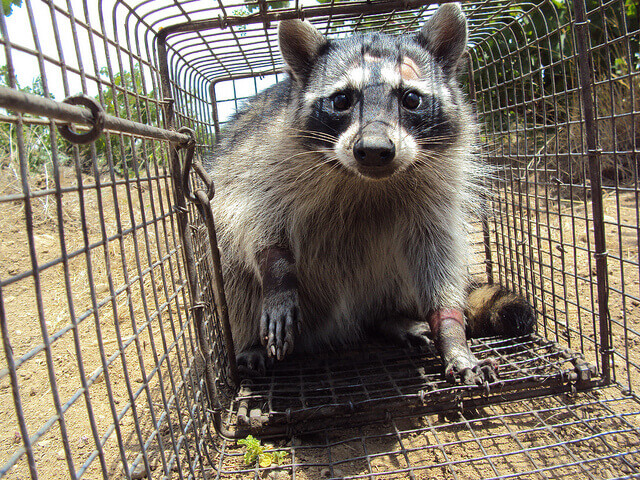
Urban wildlife management can be more complicated than removal from a detached home.
In densely populated neighborhoods, buildings may share walls, rooflines, or exterior access areas.
Apartments and multifamily properties
Raccoons may investigate shared attics, roof spaces, and exterior structures.
Property management coordination may be necessary when an entry point affects multiple units.
Condominiums
A wildlife problem may involve common areas or building components managed by a homeowners association.
Responsibility for inspection and repairs should be clarified before work begins.
Commercial properties
Garbage storage areas, loading areas, and rooftop equipment may create opportunities for raccoon activity.
Removal planning should account for employees, customers, and building access.
Homes with nearby neighbors
A raccoon may travel across several properties while using a single attic or sheltered den.
Resolving the problem may require securing the affected building rather than trying to eliminate raccoons from the entire neighborhood.
The objective is to prevent unwanted building access while recognizing that wildlife remains part of the surrounding environment.
Is Humane Raccoon Removal Safe for Families and Pets?
A well-planned removal process should reduce unnecessary encounters between wildlife, people, and pets.
However, no wildlife interaction is completely risk-free.
Raccoons may bite or scratch when cornered or threatened.
Keep pets away from the affected area
Dogs and cats may investigate an occupied den or approach a raccoon outside.
Prevent direct encounters whenever possible.
Do not handle a raccoon
Even an animal that appears calm may react defensively.
Avoid feeding wildlife
Feeding raccoons can encourage repeated visits and reduce their natural avoidance of people.
Respond appropriately to bites or scratches
If someone is bitten or scratched, wash the wound and seek prompt medical advice.
If a pet has been exposed, contact a veterinarian.
If an animal appears seriously ill, disoriented, or unusually aggressive, contact the appropriate local animal control or public health authority.
What Happens After the Raccoon Is Removed?
Removing the animal is only one part of resolving a wildlife intrusion.
A building may still contain vulnerable openings, contaminated materials, or damaged insulation.
Inspect the former den
The affected area should be evaluated for signs of remaining activity.
Repair entry points
Damaged vents, soffits, fascia, and other openings may require repairs.
Evaluate insulation
Raccoons may compress or disturb attic insulation while moving or nesting.
Address droppings and urine
Contaminated materials may require specialized cleanup.
Monitor for renewed activity
Repeated noises, sightings, or fresh damage may indicate that the problem has not been fully resolved.
Our attic cleaning and repair services can help homeowners evaluate wildlife-related attic damage and contamination.
Why Raccoon Droppings Need Careful Cleanup
Raccoons may repeatedly deposit feces in particular locations, sometimes called latrines.
These areas can occur in attics, garages, on decks, or around outdoor structures.
Raccoon feces may contain the eggs of Baylisascaris procyonis, a roundworm capable of causing serious illness in humans.
Although human infections are rare, exposure prevention is important.
The CDC recommends avoiding contact with raccoon feces and taking appropriate precautions when cleaning contaminated areas.
CDC+1
Why ordinary cleaning may not be enough
Roundworm eggs are resistant to many commonly used chemical disinfectants.
Specialized procedures may be necessary, depending on the affected surfaces and contamination.
Why homeowners should avoid disturbing waste
Moving or cleaning contaminated materials without suitable precautions may spread waste to other surfaces.
When professional cleanup is appropriate
Large accumulations, contaminated insulation, and difficult-to-access attic spaces are good reasons to seek professional assessment.
For detailed public health information, see the CDC’s raccoon roundworm prevention guidance.
How to Prevent Raccoons From Returning to Urban Homes
Long-term prevention is an essential part of humane wildlife management.
Removing an animal without addressing the conditions that attracted it may leave the property vulnerable to another intrusion.
Secure garbage containers
Use tightly closing lids and avoid leaving accessible food waste outside.
Remove outdoor pet food
Feed pets indoors when practical and avoid leaving food outside overnight.
Collect fallen fruit
Fruit beneath trees can attract wildlife.
Maintain roof vents
Repair damaged vent covers and vulnerable roofline openings.
Inspect soffits and fascia
Look for deteriorated materials that may allow access.
Maintain trees and landscaping
Trim branches where practical and safe, particularly when they provide easy access to rooflines.
Protect chimneys and crawlspaces
Use appropriate protective materials while maintaining ventilation and other building functions.
Avoid intentional feeding
Feeding raccoons encourages them to associate homes with food.
California wildlife guidance identifies accessible food and shelter as important contributors to human-raccoon conflicts.
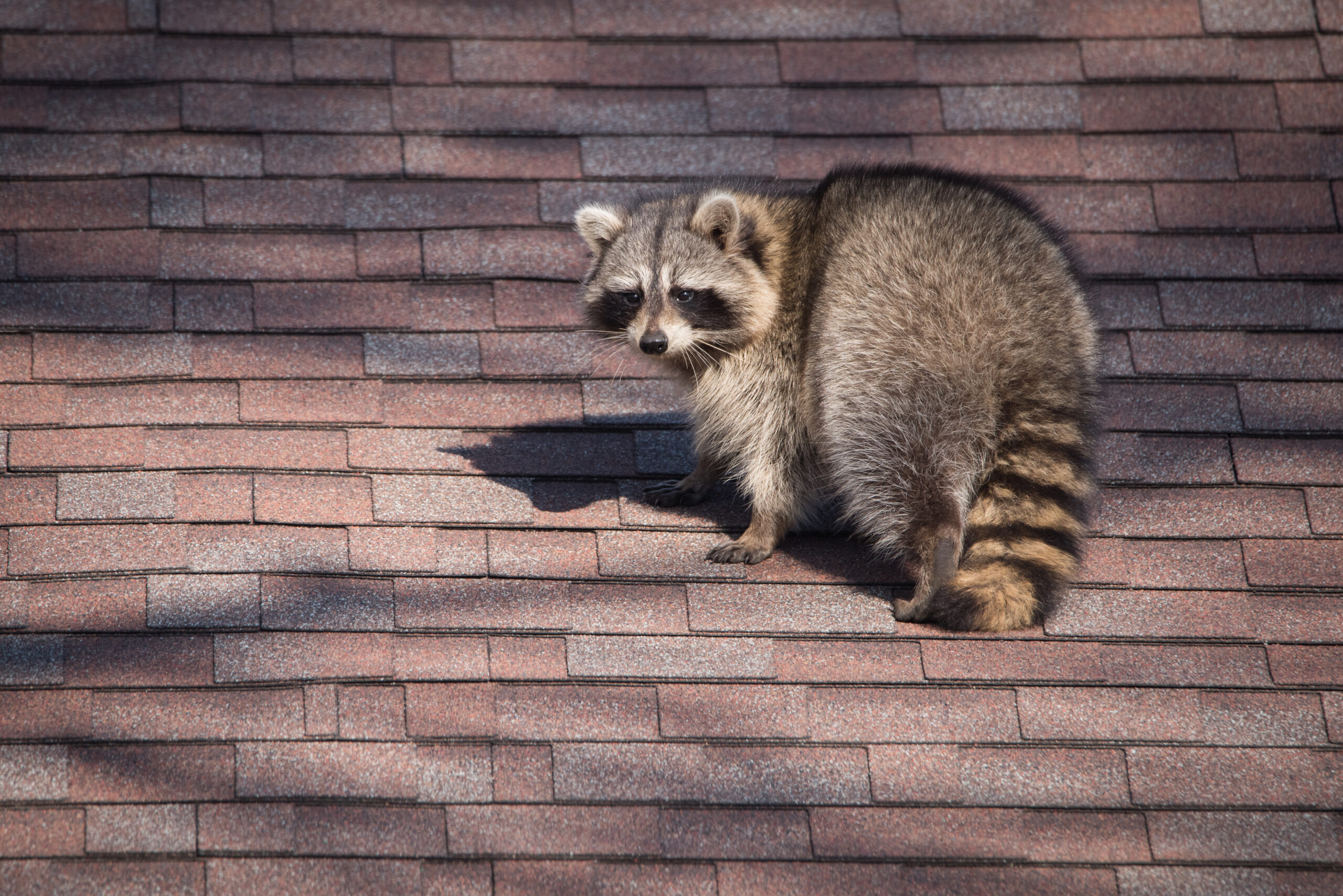
When Should You Call a Professional for Raccoon Removal?
Not every raccoon sighting requires intervention.
A raccoon walking along a fence or passing through a backyard may simply be traveling through its normal environment.
Professional assistance may be appropriate when:
-
A raccoon repeatedly enters an attic or building.
-
An animal becomes trapped inside a garage or occupied room.
-
A mother raccoon may be raising young in a structure.
-
Roof vents or other building materials are damaged.
-
Droppings accumulate in accessible areas.
-
A raccoon creates an immediate safety concern.
-
Previous removal attempts have not resolved the problem.
If a raccoon has entered an occupied space or created an urgent safety concern, prompt professional assessment may be needed.
All City Animal Trapping provides 24-hour emergency animal removal services for urgent wildlife problems throughout its Southern California service areas.
Humane Raccoon Removal in Southern California
Raccoons occur in both natural and developed environments throughout California.
The California Department of Fish and Wildlife recognizes raccoons as adaptable animals that can live in urban, rural, and natural settings.
California Fish and Wildlife
For homeowners in Southern California, wildlife conflicts may involve residential attics, garages, chimneys, crawlspaces, and other sheltered areas.
Los Angeles County
Urban neighborhoods with mature trees, accessible rooflines, and nearby food sources may experience raccoon activity.
Orange County
Raccoons may investigate residential properties near landscaped areas, parks, and other suitable habitats.
Riverside County
Homes with accessible roof openings, outdoor structures, or sheltered areas may attract wildlife seeking denning locations.
San Bernardino County
Raccoons may use natural and developed environments, including residential properties with accessible shelter.
Each situation should be evaluated individually.
A property-specific inspection is more useful than assuming that every raccoon sighting indicates an infestation.
Key Takeaways
-
Humane raccoon removal prioritizes human safety, animal welfare, lawful methods, and long-term prevention.
-
Not every raccoon in an urban neighborhood needs to be removed.
-
Professional assessment should identify the animal, its entry points, and any dependent young.
-
Exclusion can be appropriate when animals can leave safely.
-
Trapping and relocation are subject to California wildlife regulations.
-
Raccoon droppings may require specialized cleanup precautions.
-
Repairing entry points and reducing attractants helps prevent repeated intrusions.
Frequently Asked Questions About Humane Raccoon Removal
Is humane raccoon removal possible in urban areas?
Yes. Humane wildlife management can include identifying the animal, reducing attractants, using appropriate exclusion methods, protecting dependent young, and following applicable wildlife regulations.
How do professionals remove raccoons without harming them?
Depending on the circumstances, professionals may use exclusion and other suitable management methods that minimize unnecessary harm. Not every situation allows the same approach, and the provider should explain the proposed method and likely outcome.
What happens to raccoons after they are trapped?
The outcome depends on applicable wildlife regulations and the circumstances. California generally prohibits releasing trapped wildlife elsewhere without authorization. Ask the provider to explain its lawful handling and disposition procedures before trapping begins.
Can raccoons be removed from an attic without trapping?
In some circumstances, exclusion may be appropriate. However, the attic must be assessed for dependent young, and the method must be suitable for the situation.
What if a mother raccoon has babies in my attic?
Do not seal the opening or attempt to separate the family. A qualified wildlife professional should assess the den and determine appropriate next steps.
Will raccoons return after humane removal?
They may return if food sources or accessible shelter remain. Repairing entry points and reducing attractants can help prevent repeated intrusions.
Does All City Animal Trapping offer emergency raccoon removal?
All City Animal Trapping provides 24-hour emergency animal removal services in its Southern California service areas. Contact the team to discuss the situation and available response options.
Conclusion: Humane Raccoon Removal Protects Homes and Supports Responsible Wildlife Management
Living in an urban area means sharing the surrounding environment with wildlife.
Raccoons may occasionally travel through residential neighborhoods without causing problems. However, when they enter attics, garages, crawlspaces, or occupied buildings, property owners may need professional assistance.
Humane raccoon removal begins with understanding the animal’s behavior and the conditions that created the conflict.
By identifying entry points, checking for dependent young, choosing appropriate removal methods, and securing vulnerable building openings, homeowners can address unwanted wildlife activity while minimizing unnecessary harm.
At All City Animal Trapping, we help Southern California homeowners and property managers investigate raccoon problems and develop suitable removal and prevention plans.
Need help with a raccoon in your home or attic?
Contact All City Animal Trapping to request assistance with raccoon removal, property inspections, and wildlife prevention.