

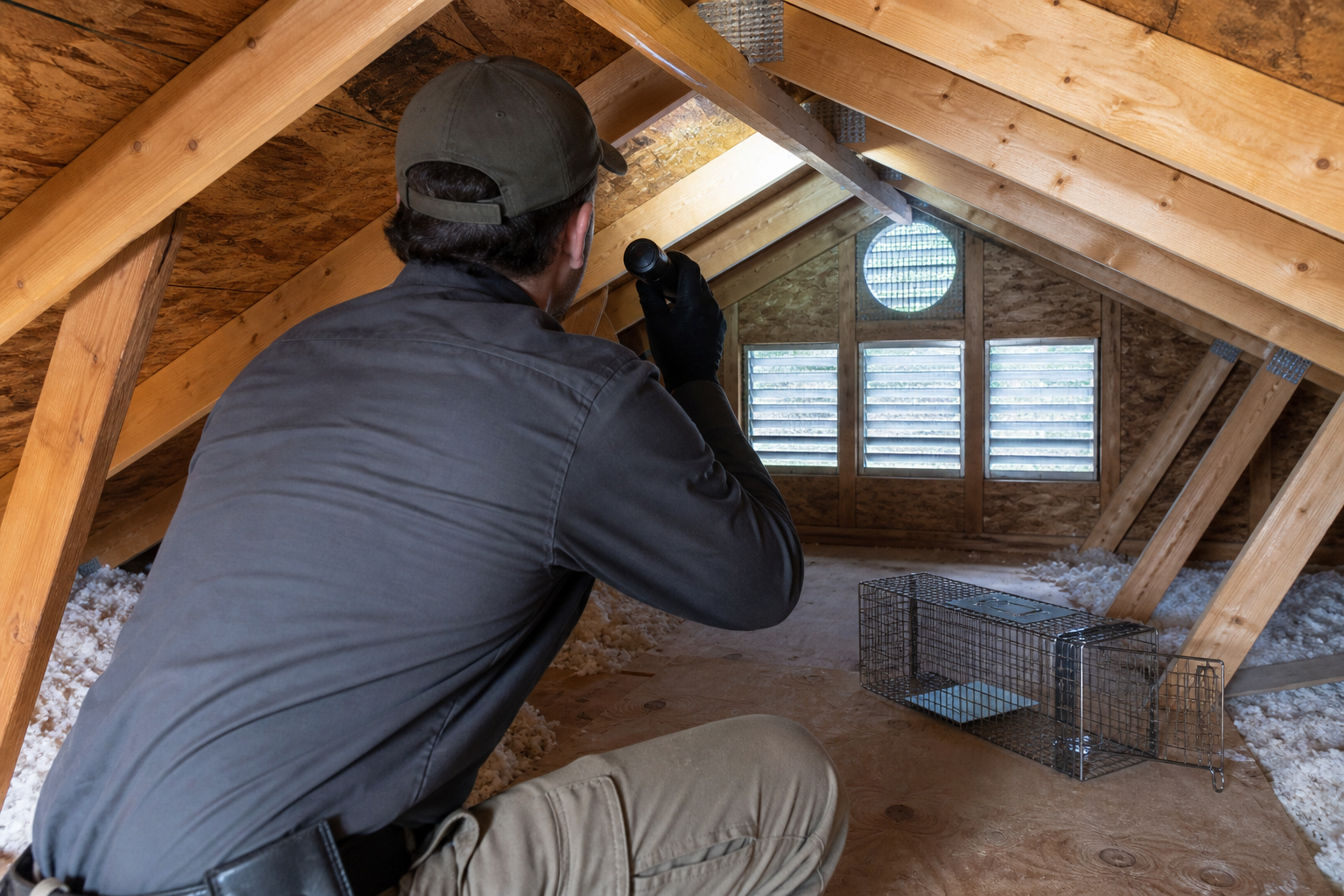
It usually starts when the house gets quiet.
You are getting ready for bed when you hear a faint scratching sound above the ceiling. At first, you assume it is a branch brushing against the roof or a normal noise from the house settling. Then it happens again.
A few nights later, the scratching turns into scurrying, tapping, or something that sounds like an animal dragging an object across the attic floor.
Naturally, you begin wondering what is living above your bedroom.
Hearing scratching noises in the attic at night can be unsettling, especially when you cannot see what is causing them. While rats, mice, raccoons, and other wildlife can create these sounds, not every attic noise comes from an animal.
At All City Animal Trapping, we help homeowners understand unwanted wildlife activity and identify practical ways to address it.
The first step is understanding what the sounds may mean, what evidence to look for, and when professional wildlife inspection is appropriate.
Why Do Scratching Noises Happen in the Attic at Night?
Attics provide shelter from weather, outdoor disturbances, and predators. They can also offer nesting opportunities and access to other concealed spaces.
Some animals are most active after sunset, which explains why homeowners may notice scratching or movement when they are trying to sleep.
However, the time of day does not reliably identify the species.
Rodents may move through attics at night, while other animals can have different activity patterns.
Sounds can also travel through rafters, wall cavities, ducts, and ceiling materials, making their actual source difficult to pinpoint.
An animal moving near a roof vent may sound as though it is directly above the bedroom.
That is why physical evidence matters more than sound alone.
1. Rats Are a Common Cause of Nighttime Attic Scratching
Rats are one possible explanation for scratching and scurrying sounds after dark.
They can move through attics, wall cavities, garages, and other concealed spaces while searching for food, shelter, or nesting locations.
A rat moving along wooden framing or insulation may produce repeated scratching or light running sounds.
Signs that may suggest rats
Look for small droppings, gnaw marks, nesting material, or evidence of movement along protected routes.
Homeowners may also notice activity near roof openings, utility penetrations, or exterior gaps.
Rats can exploit relatively small openings, so an attic does not need to have a large visible hole to become accessible.
For properties experiencing repeated rodent problems, professional rodent proofing in Los Angeles can help address the entry points that allow rats and mice into the structure.
However, scratching alone does not prove that rats are responsible.
2. Mice Can Create More Noise Than Expected
Mice are small, but their movement can become surprisingly noticeable in a quiet house.
They may travel through insulation, move along framing, or explore spaces around stored materials.
Because sound transfers through building components, a small animal can seem larger than it actually is.
Mice may also use wall cavities and other narrow routes that connect to attic spaces.
How are mouse sounds different from rat sounds?
Homeowners sometimes describe mouse activity as lighter scratching or quick scurrying.
Rat movement may sound heavier, but these descriptions are not reliable identification methods.
The species should be determined through droppings, tracks, gnawing, nesting evidence, or direct observation when possible.
Choosing a control method based only on how loud the animal sounds can lead to the wrong approach.
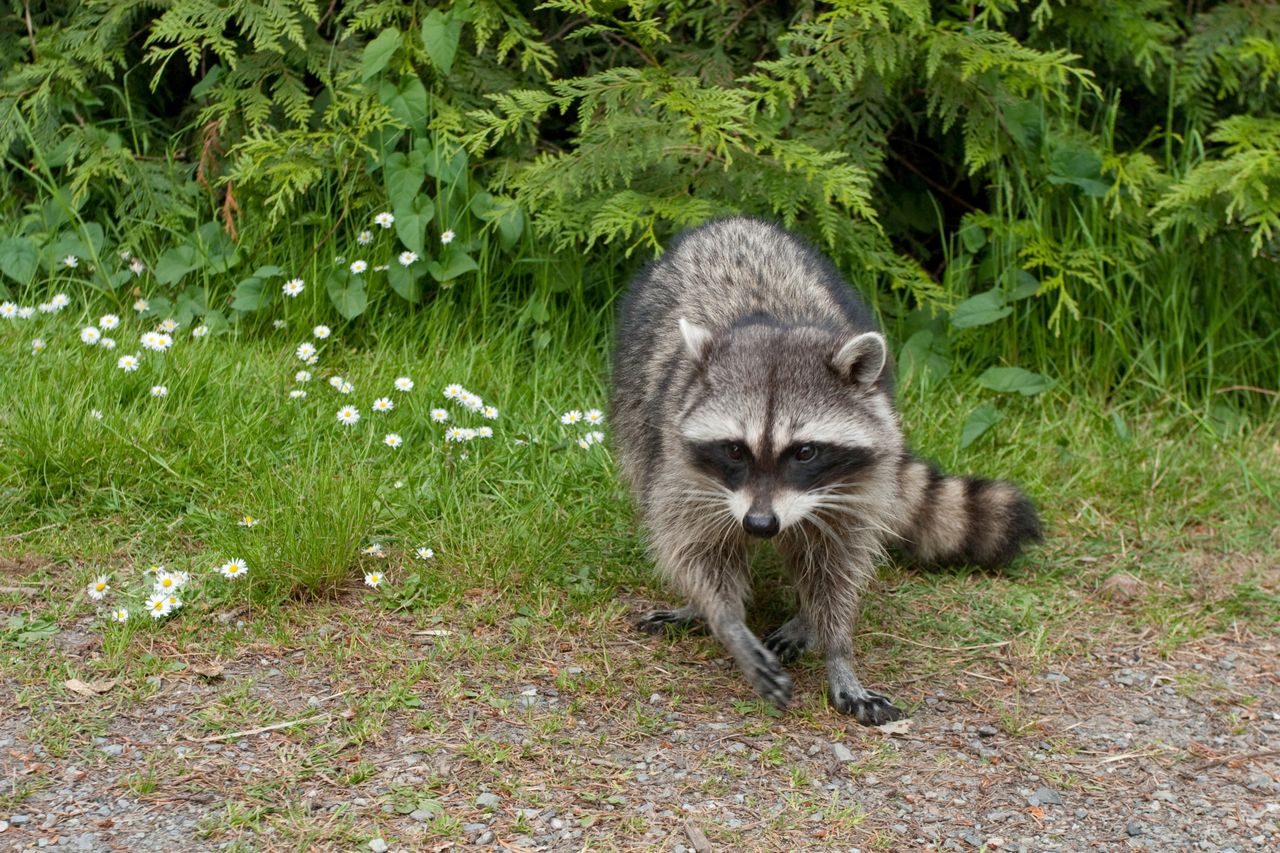
3. Raccoons May Produce Heavier Movement Sounds
Raccoons are another possible source of attic noise.
Compared with smaller rodents, their movement may sound heavier, particularly when walking across structural surfaces or disturbing loose materials.
They may investigate roof openings, damaged vents, or other accessible areas.
However, a loud thumping sound does not automatically mean a raccoon is present.
Building components can amplify movement, and different animals can produce overlapping sound patterns.
Why raccoon identification matters
Larger wildlife requires a different response from household rodents.
If an animal is actively denning in the attic, the situation may also involve dependent young.
Closing an opening or attempting removal without confirming the circumstances can create additional problems.
Professional identification should come before selecting a trapping or exclusion method.
4. Squirrels Can Also Be Responsible for Attic Noises
Squirrels sometimes enter attics through damaged roof components or other accessible openings.
They are generally more active during daylight hours, so repeated daytime movement may provide a clue.
However, activity patterns can vary, and noises heard at night should not automatically rule out every other possibility.
Squirrels may gnaw on materials, disturb insulation, or move through sheltered roof spaces.
An inspection should examine entry damage, nesting material, and other physical signs.
The purpose is to identify the animal correctly rather than relying on a general description of scratching.
5. Birds and Other Animals May Use Roof Openings
Not every attic sound comes from a mammal.
Birds may investigate openings around vents, eaves, or roof components.
Their activity may include fluttering, tapping, movement, or repeated sounds near one location.
Other wildlife may also explore roof spaces depending on the property’s surroundings.
A homeowner might hear activity near an attic vent and assume it is happening throughout the attic.
In reality, the animal may be using only a small cavity near the roofline.
Identifying the actual location helps avoid unnecessary work.
6. Not Every Scratching Sound Means Wildlife Is Present
Although animals are a common concern, houses can make noises for other reasons.
Temperature changes can cause building materials to expand or contract.
Ductwork may produce tapping or popping sounds as heating and cooling systems operate.
Wind can move loose exterior materials, tree branches, or damaged roof components.
Plumbing and mechanical equipment can also create sounds that travel through the building.
How can homeowners tell the difference?
Pay attention to patterns.
Does the sound occur when the heating or cooling system starts?
Does it happen only during windy weather?
Does it resemble repeated movement from one location to another?
Are there droppings, gnaw marks, nesting materials, or visible exterior openings?
These observations can help distinguish possible wildlife activity from ordinary building noises.
7. Why the Sound May Be Coming From a Different Location
One of the most confusing aspects of attic noise is how sound travels.
Wood framing, ceiling surfaces, and ducts can carry vibrations across different parts of a building.
A homeowner may hear scratching above one bedroom even though the animal is moving near a roof opening several feet away.
This can make it difficult to locate the entry point from inside the house.
Why guessing can lead to unnecessary repairs
Cutting into a ceiling or sealing the nearest visible gap may not address the actual problem.
A more effective inspection examines the attic and exterior building conditions together.
The goal is to connect the sound with physical evidence before deciding what needs repair.
8. Look for Wildlife Entry Points Around the Roof
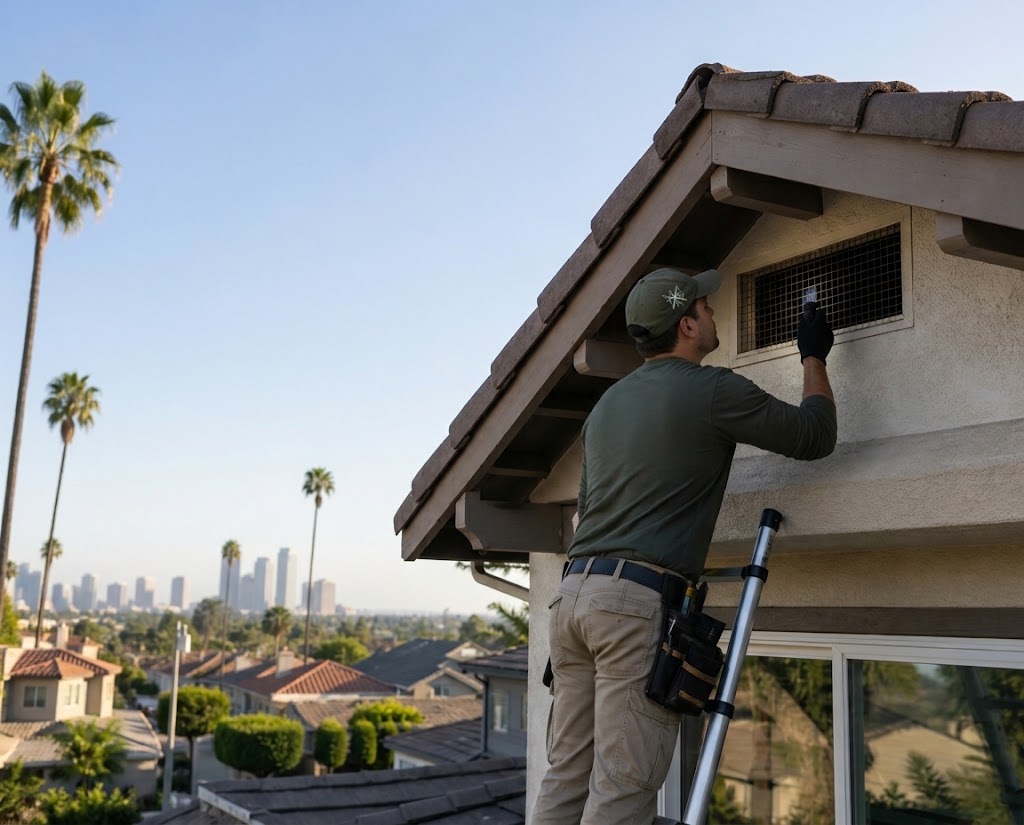
If animals are using the attic, they must have an access route.
Common areas worth inspecting include roof edges, damaged soffits, loose fascia boards, roof vents, gable vents, and gaps around utility penetrations.
Some openings are visible from the ground, while others require closer professional inspection.
An animal may also reach the roof by using nearby trees, fences, or connected structures.
Why entry points matter
Removing an animal without correcting the opening can leave the attic accessible to another animal.
For homeowners dealing with established activity, professional animal in attic removal can help identify the species and determine an appropriate removal and exclusion plan.
Permanent sealing should be timed so animals are not trapped inside.
9. Check for Droppings and Nesting Material
Physical evidence can provide more reliable information than noise alone.
Droppings, gnaw marks, nesting material, disturbed insulation, and repeated travel marks may indicate animal activity.
However, old evidence can remain after an infestation has ended.
The presence of droppings does not automatically mean an animal is currently inside.
Fresh signs and monitoring help establish whether the problem is active.
Be careful around rodent waste
Do not sweep or vacuum dry rodent droppings.
The Centers for Disease Control and Prevention recommends using appropriate disinfection and cleanup precautions to reduce exposure to contaminated particles.
Homeowners should avoid disturbing unfamiliar nesting material or waste before understanding the risks involved.
10. Can Animals Damage Attic Insulation?
Yes. Wildlife may disturb, compress, contaminate, or use insulation as nesting material.
The extent of damage depends on the animal and how long it has occupied the space.
Some cases involve limited disturbance. Others can leave significant contamination.
Insulation damage should be assessed after the active wildlife problem has been resolved.
Professional attic cleaning and insulation replacement may be appropriate when affected materials cannot reasonably remain in place.
However, complete insulation replacement is not automatically necessary after every wildlife incident.
11. Why Ignoring Attic Scratching Can Become a Bigger Problem
It is tempting to ignore occasional scratching, particularly if the noise stops after a few nights.
But recurring activity deserves attention.
Animals may continue using the attic as shelter, and an unresolved opening can allow additional wildlife to enter.
Depending on the species and circumstances, ongoing activity can result in nesting material, contamination, damaged insulation, or gnawed components.
The problem may also become more difficult to identify if animals move between different concealed spaces.
Early inspection can help establish what is happening before the situation becomes more disruptive.
12. Should You Try to Trap the Animal Yourself?
Trapping may appear to be a straightforward solution, but it is not always appropriate.
Different animals require different equipment, placement, handling, and legal considerations.
California wildlife regulations can also vary by species and circumstances.
An incorrectly placed trap may fail to address the active route or create unnecessary risks.
If the animal is denning in the attic, dependent young may be present.
The better approach is to identify the species and understand the situation before selecting a control method.
For household rodents, the CDC provides guidance on suitable trapping methods and continued monitoring.
For larger wildlife, professional assessment is often the safer choice.
13. Why You Should Not Seal the Opening Immediately
Once an opening is discovered, homeowners naturally want to close it.
However, sealing an active route before confirming that animals have left can create additional problems.
Animals may become trapped inside or attempt to escape through another part of the structure.
Dependent young can also be left behind.
The correct sequence is to identify the animal, evaluate occupancy, resolve active activity, and then complete permanent exclusion.
Professional attic repair and entry point sealing can help address damaged building components once the space is clear.
14. What Happens During a Professional Attic Wildlife Inspection?
A professional inspection should focus on identifying the animal and locating the access route.
The process may include reviewing homeowner observations, examining accessible attic areas, inspecting exterior openings, and looking for tracks, droppings, nesting material, or damage.
The provider should explain what evidence supports the identification.
If trapping or removal is appropriate, the method should fit the species and circumstances.
After the active problem is resolved, the inspection findings can guide repairs and cleanup.
The objective is to solve the cause of the noise, not simply make the attic quiet for one night.
15. How to Prevent Animals From Entering the Attic Again
Prevention begins with maintaining the building’s exterior.
Inspect accessible roof vents, soffits, fascia boards, and utility openings for damage.
Repair protective screens using suitable materials while preserving required ventilation.
Reduce accessible food sources around the property and avoid leaving pet food outdoors overnight where practical.
Pay attention to repeated animal activity near roof edges or previously repaired openings.
For rodent-specific prevention, the CDC guidance on sealing rodent entry points explains why inspecting and closing exterior gaps is important.
No single prevention measure guarantees that wildlife will never visit the property, but correcting known vulnerabilities can reduce opportunities for animals to enter.
When Should You Call a Wildlife Removal Professional?
Professional help may be appropriate when scratching continues for several nights, sounds are becoming more frequent, or physical evidence suggests animals are occupying the attic.
Other warning signs include droppings, nesting material, unpleasant odors, damaged vents, or visible wildlife entering the roof.
Homeowners should avoid climbing onto unsafe roof areas or entering contaminated attic spaces without appropriate precautions.
An inspection can help determine whether the issue involves wildlife, a building component, or another cause.
Stop Guessing What Is Making Noise Above Your Ceiling
Scratching noises in the attic at night can have several possible explanations.
Rats, mice, raccoons, squirrels, birds, and even ordinary building components may produce sounds that are difficult to identify from inside the house.
The most useful next step is to look for evidence rather than assuming the loudest or most frightening possibility.
At All City Animal Trapping, we help homeowners investigate unwanted wildlife activity and identify practical solutions.
If you are hearing repeated scratching, scurrying, or movement above your ceiling, contact All City Animal Trapping to discuss the problem and request an inspection.
Frequently Asked Questions
1. What animal makes scratching noises in the attic at night?
Rats and mice are possible causes, but other wildlife may also be responsible. Sound alone cannot reliably identify the species.
2. How can I tell if rats are in my attic?
Possible signs include droppings, gnaw marks, nesting material, scratching sounds, and evidence of movement along protected routes.
3. Can scratching noises come from something other than animals?
Yes. Ductwork, temperature-related building movement, loose exterior materials, and mechanical systems can produce sounds that resemble wildlife activity.
4. Should I seal an attic opening if I hear scratching?
Not until you confirm whether animals are actively using the opening. Sealing an occupied route can trap animals inside.
5. Can animals damage attic insulation?
Yes. Wildlife can disturb or contaminate insulation. The need for cleaning or replacement depends on the condition of the affected material.
6. When should I call a wildlife removal professional?
Consider professional inspection when noises continue, droppings or nesting material appear, entry damage is visible, or the animal cannot be identified safely.