


Rats are one of the most common and disruptive wildlife problems facing homes and businesses across Southern California. They damage property, contaminate food, chew through electrical wiring, and carry pathogens that pose genuine health risks to people and pets. Left unaddressed, a small rat problem can escalate into a full infestation within weeks.
At All City Animal Trapping, we provide professional rat removal services for residential and commercial properties across Los Angeles County, Orange County, Riverside County, and San Bernardino County. This guide covers everything you need to know about identifying a rat problem, understanding the risks, and getting it resolved properly.
Why Rat Removal Should Not Be Delayed
Rats reproduce rapidly. A single pair of rats can produce dozens of offspring within a few months under the right conditions. The longer an infestation goes unaddressed, the more damage accumulates and the more difficult the removal process becomes.
Beyond the numbers, the risks rats create are significant:
- Structural damage. Rats gnaw constantly to keep their teeth worn down. They chew through wood, insulation, drywall, plastic piping, and electrical wiring. Chewed wiring inside walls is a known cause of house fires.
- Health risks. Rats can carry and transmit a range of diseases. The CDC identifies multiple diseases associated with rats, including leptospirosis, hantavirus, rat-bite fever, and salmonellosis. Contamination can occur through direct contact with rats, their droppings, urine, or saliva, as well as through parasites such as fleas that rats carry.
- Food contamination. Rats contaminate food storage areas with droppings, urine, and fur. Any food source a rat has accessed should be considered compromised.
- Secondary infestations. Rats that move through a property attract other predators such as snakes. An unresolved rat problem can lead to compounding wildlife issues.
Prompt, thorough rat removal is not optional once an infestation is confirmed.
How to Identify a Rat Problem
Catching a rat infestation early significantly reduces the damage and the cost of removal. The two species most commonly encountered in Southern California homes and businesses are the roof rat (Rattus rattus) and the Norway rat (Rattus norvegicus). Both present similar warning signs, though they tend to occupy different parts of a structure.
Common Signs of a Rat Infestation
- Scratching, scurrying, or gnawing sounds in walls, ceilings, attics, or crawl spaces, most often at night
- Dark, pellet-shaped droppings near food storage areas, along baseboards, or inside cabinets
- Gnaw marks on wood, plastic, wiring, food packaging, or structural materials
- Greasy rub marks or dark streaks along walls, pipes, and beams where rats travel repeatedly
- Nesting materials including shredded paper, fabric, insulation, or plant matter in hidden locations
- Tracks or footprints in dusty areas such as attic floors or garage corners
- A persistent musky or ammonia-like odor in enclosed spaces
- Pets behaving unusually, scratching at walls, or fixating on certain areas of the home
If you are observing any of these signs, it is worth arranging a professional inspection promptly. Rats are cautious and typically stay out of sight, so visible signs often indicate a population larger than it appears.
Where Rats Enter and Live in Southern California Homes
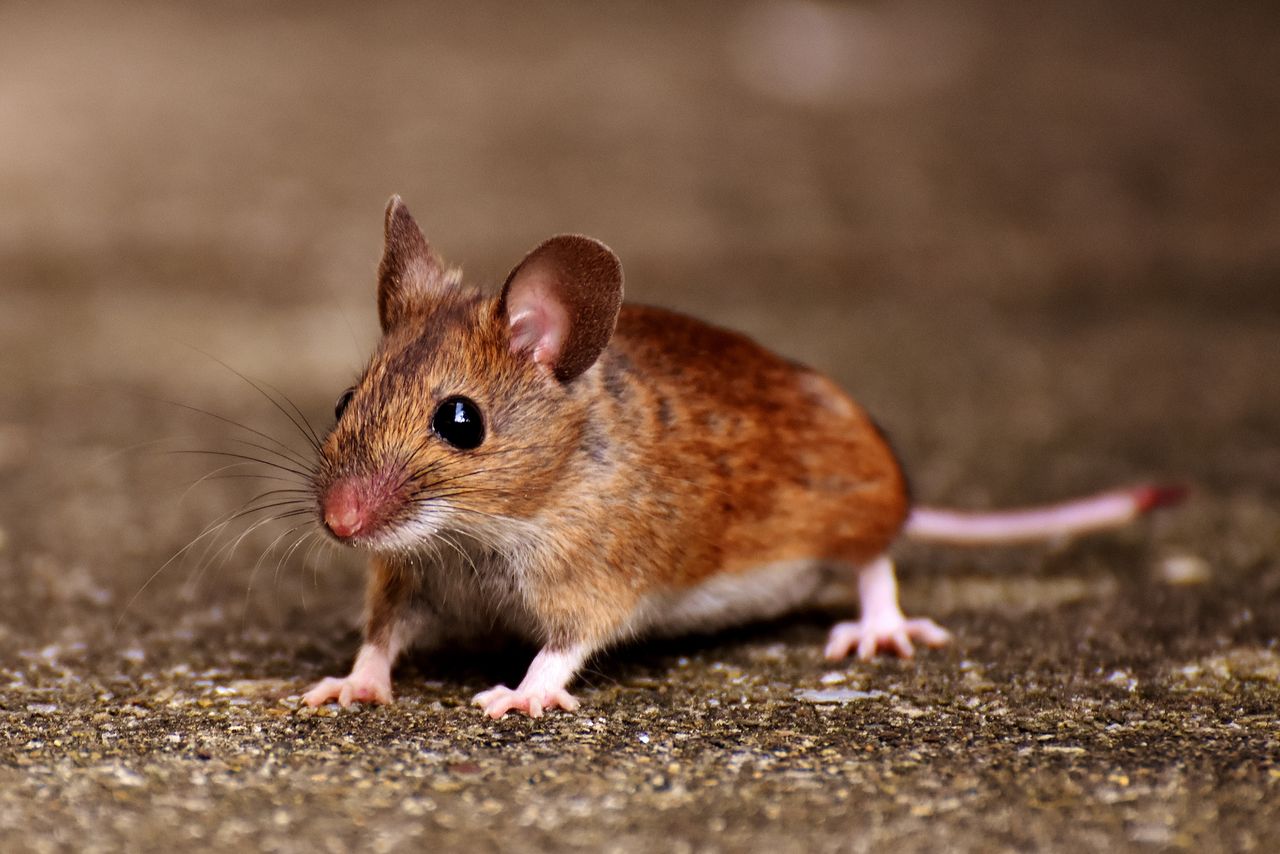
Understanding where rats enter a property and where they nest helps explain why removal requires more than placing a trap.
Roof rats, the most common species in Southern California urban and suburban environments, are excellent climbers. They commonly access homes by running along utility lines, tree branches, and rooflines, then entering through:
- Gaps around roof vents, eave gaps, and deteriorated soffits
- Damaged or missing attic vents
- Gaps where pipes or cables enter the structure
- Open chimneys
- Gaps around garage doors
Norway rats are burrowers and tend to live at ground level, accessing structures through foundation gaps, crawl-space openings, floor drains, and gaps beneath doors.
Rats can squeeze through a gap the size of a quarter. Any opening that can be identified as an entry point needs to be sealed as part of the removal process, not just after.
The Professional Rat Removal Process
Effective rat removal follows a structured approach. Simply placing traps without addressing entry points, food sources, and nesting areas typically produces short-term results at best.
Step 1 Professional Inspection
A trained technician inspects the property thoroughly, identifying species, entry points, travel routes, nesting locations, food and water sources, and the extent of any structural damage. This inspection forms the basis of the entire removal plan.
Step 2 Trapping and Population Reduction
Snap traps, live traps, or bait stations are placed strategically along identified travel routes and near active nesting areas. Trap placement matters significantly. Rats follow established routes along walls and structural edges, so traps placed in open areas are far less effective than those placed along the paths rats actually use.
Step 3 Entry Point Sealing (Exclusion)
Once the active population is addressed, all identified entry points are sealed using appropriate materials including steel wool, metal mesh, hardware cloth, and quality sealant. This step is critical. Without sealing entry points, new rats will locate and use the same access routes, and the problem will return. All City provides professional attic repair and entry-point sealing services as part of a complete rat removal approach.
Step 4 Cleanup and Decontamination
Rat droppings, urine, nesting materials, and contaminated insulation must be removed and the affected areas properly sanitised. This step protects the health of the household and removes the pheromone trails that attract new rats to the same location. Our team provides decontamination and odor removal services following rat removal.
Step 5 Prevention and Follow-Up
The final stage involves advising on and implementing measures to reduce the likelihood of future infestations. This includes guidance on food storage, waste management, landscaping near the structure, and a schedule for ongoing monitoring where appropriate.
Roof Rats vs. Norway Rats: Does the Species Matter?
Yes. Identifying which species is present affects where technicians look, where traps are placed, and which entry points are prioritised.
Roof rats are sleek, agile climbers with large ears and a tail longer than their body. They prefer elevated spaces: attics, rafters, ceiling voids, and upper wall cavities. They are the more commonly encountered species in Southern California’s residential areas, particularly in older neighborhoods with mature trees and overhead utility lines.
Norway rats are larger and heavier, with smaller ears and a shorter tail relative to body length. They burrow and tend to occupy ground-level spaces: crawl spaces, basements, garages, and the area beneath concrete slabs. They are common in areas near water sources, restaurants, and food storage facilities.
In some properties, both species may be present simultaneously, which requires a more comprehensive removal strategy covering both elevated and ground-level access points.
Rodenticide Use: What You Need to Know
Rodenticides (rat poison) are sometimes used as part of a broader rodent control strategy, but their use requires careful consideration in residential settings.
The primary concerns with rodenticide use in Southern California include:
- Secondary poisoning. Raptors, owls, foxes, coyotes, and domestic pets that consume a poisoned rat can themselves be harmed. The California Department of Fish and Wildlife has documented the impact of second-generation anticoagulant rodenticides on wildlife, and their residential use is regulated.
- Dead rats in inaccessible locations. Rats that consume bait often die inside walls, beneath floors, or in other areas that are difficult to access. This creates persistent odor problems and can attract other pests.
- Risk to children and pets. Bait stations must be secured and placed where non-target animals and children cannot access them.
Professional wildlife technicians understand how to use rodenticides responsibly within the applicable California regulations, and will advise on whether they are appropriate for your specific situation. In many residential cases, a trap-and-exclusion approach is both more effective and safer than relying on bait alone.
DIY Rat Removal vs. Professional Rat Removal
For very minor and clearly contained rat activity, some basic DIY measures can be a reasonable starting point. Securing food sources, sealing obvious exterior gaps, and placing snap traps along known travel routes may reduce activity in straightforward situations.
However, professional help is the appropriate choice when:
- Signs of infestation are widespread, persistent, or have been present for more than a few weeks
- Activity is occurring inside walls, ceilings, or attic spaces that are difficult to access
- Structural or electrical damage is present or suspected
- Previous DIY attempts have not resolved the problem
- Children, elderly residents, or pets are present in the home
- The property is a food-handling or commercial premises
- You are unsure where the rats are entering or how many are present
The most common reason DIY rat removal fails is that entry points are not identified and sealed. Removing the rats that are currently present without closing the access routes simply makes space for new rats to move in.
What Does Rat Removal Cost?
The cost of professional rat removal depends on several factors specific to each property and situation:
- The size of the infestation and how long it has been established
- The number and location of entry points requiring sealing
- Whether attic or crawl-space cleanup and insulation replacement is needed
- The property size and level of access to affected areas
- Whether ongoing monitoring is required
Getting a detailed, on-site quote is always the most reliable way to understand the cost for your specific situation. Contact All City Animal Trapping to arrange a free inspection and quote. Addressing a rat problem promptly almost always costs significantly less than managing the structural damage and health remediation that a prolonged infestation can cause.
How to Keep Rats Out After Removal
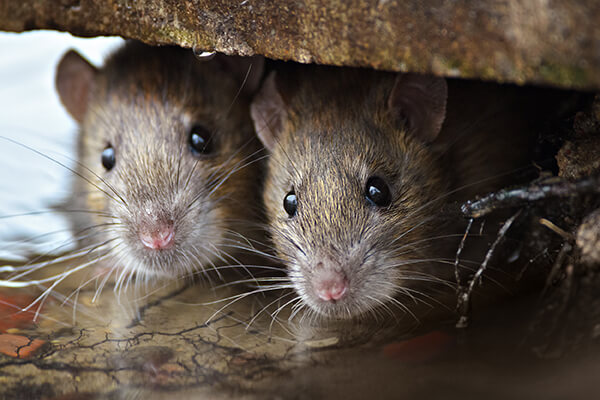
Once rats have been removed and entry points sealed, maintaining a rat-resistant property requires ongoing attention to a few key areas.
Eliminate Food Sources
- Store all dry food in airtight hard-sided containers, not cardboard or thin plastic
- Do not leave pet food outdoors overnight
- Keep outdoor compost bins sealed and away from the home’s foundation
- Secure garbage bins with tight-fitting lids
- Clean up fallen fruit from trees promptly
Reduce Shelter and Nesting Opportunities
- Keep vegetation trimmed back from the roofline and exterior walls
- Store firewood off the ground and away from the structure
- Declutter garages, attics, and storage areas where rats may nest
- Remove debris piles and overgrown ground cover near the building
Maintain the Property Exterior
- Inspect vents, soffits, and roofline gaps regularly for new damage
- Repair door sweeps and garage door seals that have deteriorated
- Check where utility lines and pipes enter the structure and ensure seals remain intact
- Trim tree branches that overhang or touch the roofline
Rat Removal Across Southern California
Rat activity patterns vary across Southern California depending on the neighborhood type, property age, surrounding vegetation, and proximity to food sources. All City Animal Trapping provides professional rat removal services across the region, including:
- Los Angeles County including Hollywood, Studio City, Pasadena, Long Beach, and surrounding areas
- Orange County including Anaheim, Irvine, Santa Ana, and surrounding communities
- Riverside County including Riverside, Temecula, Corona, and surrounding areas
- San Bernardino County including San Bernardino, Ontario, Rancho Cucamonga, and surrounding communities
Our full rat removal service page provides more information about our approach and what to expect when you contact us.
Related Services
Rat infestations frequently involve damage beyond the rats themselves. All City Animal Trapping also provides:
- Attic cleanup and repair after rodent damage
- Decontamination and odor removal
- Mice removal services
- Squirrel removal services
- Snake removal services (snakes are often attracted to properties with active rodent populations)
Frequently Asked Questions Rat Removal
How do I know if I have rats or mice?
Rats are significantly larger than mice. Rat droppings are roughly the size and shape of a olive pit, dark brown or black, with blunt ends. Mouse droppings are much smaller, about the size of a grain of rice, with pointed ends. Gnaw marks from rats are also larger and deeper than those left by mice. If you are uncertain, a professional inspection will confirm the species present.
Can rats come back after removal?
Yes, if entry points are not sealed as part of the removal process. Rats establish pheromone trails that other rats can follow, and properties with accessible food sources or shelter opportunities will continue to attract rodents. A complete rat removal service addresses entry point sealing and sanitation in addition to removing the existing population.
Are rats dangerous to people and pets?
Rats can carry diseases transmissible to people and pets through contact with droppings, urine, saliva, or through fleas and other parasites. The CDC identifies several diseases associated with rat contact. Direct handling of rats or their nesting materials without appropriate protection is not recommended.
How quickly can a rat infestation grow?
Rapidly. Rats reach reproductive maturity within a few months and can produce multiple litters per year. A small number of rats that goes unaddressed can become a much larger population within a single season. Early detection and prompt action significantly reduce the scope of the problem.
Do I need to leave my home during rat removal?
In most cases, no. Professional rat removal using trapping and exclusion methods does not typically require the property to be vacated. If rodenticides are used in confined spaces, your technician will advise on any precautions for children or pets.
How long does professional rat removal take?
The initial inspection and trap placement can often be completed in a single visit. Full resolution of an infestation, including follow-up trap checks, entry-point sealing, and cleanup, typically takes one to two weeks depending on the severity of the infestation. Your technician will provide a realistic timeline based on your specific situation.
What should I do if I find a dead rat on my property?
Avoid handling a dead rat with bare hands. Use gloves, double-bag the carcass, and dispose of it in a sealed outdoor bin. Disinfect the area where the rat was found. If you are finding multiple dead rats or they are in inaccessible locations such as inside walls, contact a professional to handle removal safely. All City also provides dead animal removal services.
Does All City Animal Trapping serve both homes and businesses?
Yes. All City provides rat removal services for residential properties, commercial premises, restaurants, warehouses, and other business facilities across Los Angeles, Orange, Riverside, and San Bernardino counties. Contact us to discuss the specific requirements of your property.
Hearing Rats in Your Home? Do Not Wait.
Rat infestations grow quickly and the damage compounds over time. The sooner the problem is assessed and addressed, the less it costs to resolve.
All City Animal Trapping provides professional rat removal, entry-point sealing, attic cleanup, and decontamination services across Los Angeles, Orange, Riverside, and San Bernardino counties.
Contact Us Today for a Free Inspection | View Our Rat Removal Service Page
Call: (877) 724-5314