

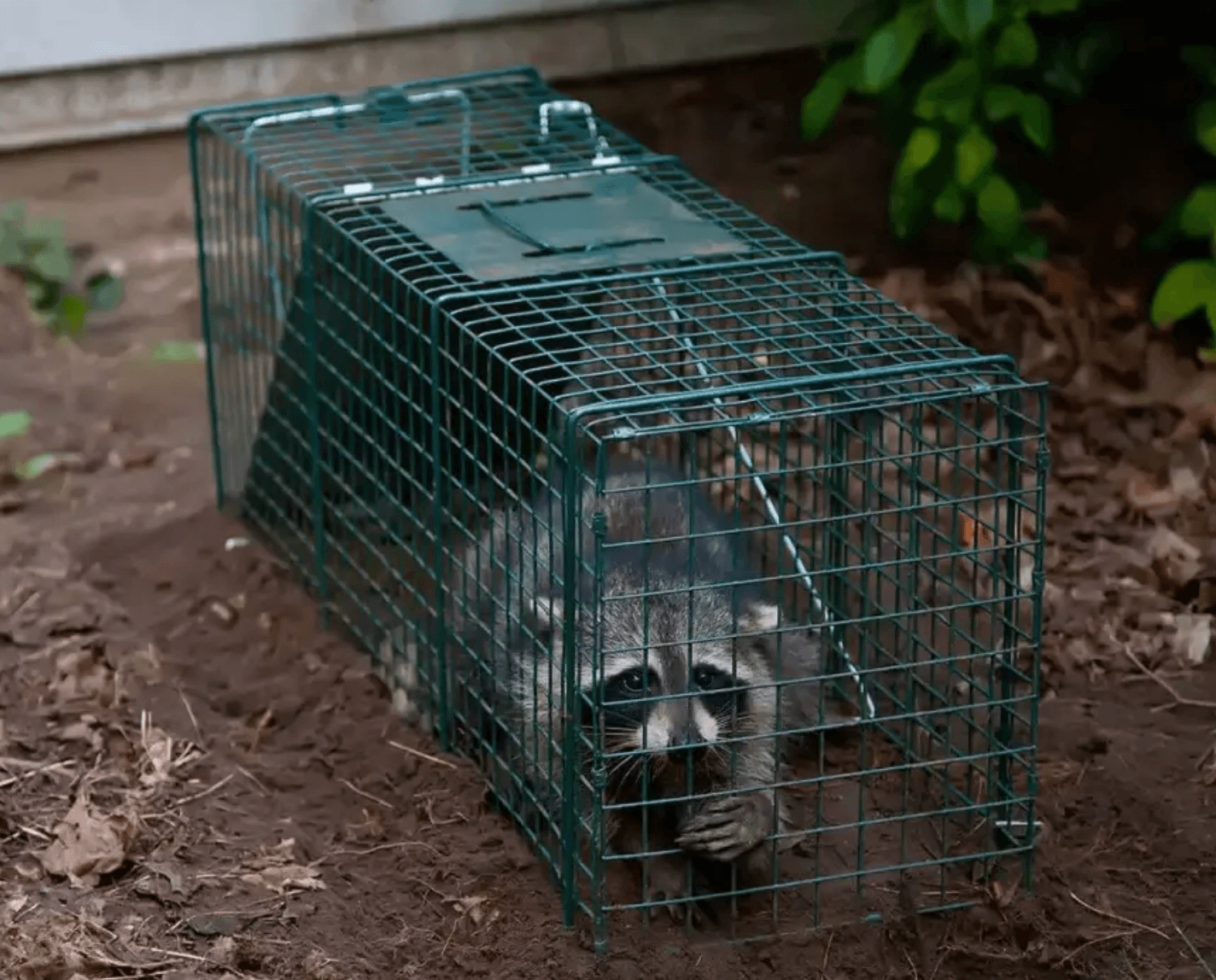
When you hear scratching in your attic, discover animal droppings in your garage, or find a raccoon beneath your deck, searching for a “trapping company near me” may be your first step toward solving the problem.
However, choosing the right animal trapping company involves more than finding someone who can capture an animal. Effective wildlife management requires identifying the species, understanding how it entered the property, choosing appropriate removal methods, and addressing the conditions that could attract more animals.
In Southern California, wildlife can appear in residential neighborhoods, commercial properties, and buildings near parks, hillsides, and open spaces. Rats, raccoons, skunks, opossums, squirrels, and other animals may take advantage of accessible food and sheltered spaces.
A professional animal trapping company should inspect the property, identify the wildlife problem, explain the recommended removal method, and assess whether exclusion repairs or cleanup are needed.
At All City Animal Trapping, we help homeowners, landlords, and property managers throughout Los Angeles, Orange County, Riverside, and surrounding Southern California communities investigate unwanted wildlife activity and develop appropriate removal and prevention plans.
This guide explains what to look for when hiring a trapping company, which questions to ask, and why a complete wildlife management approach matters.
What Does an Animal Trapping Company Do?
An animal trapping company helps property owners address unwanted wildlife in and around buildings.
While trapping may be one part of the service, professional wildlife management can involve several stages.
Wildlife inspection
An inspection helps identify the species involved, locate evidence of activity, and assess where animals may be entering the property.
Without this information, trapping may not resolve the underlying problem.
Animal identification
Different animals require different approaches.
For example, removing rats from an attic is not the same as addressing a skunk beneath a deck or a raccoon occupying a chimney.
Wildlife trapping and removal
When trapping is appropriate, the method should account for the species, property conditions, animal welfare, and applicable regulations.
Some situations may be better managed through exclusion or other preventive measures.
Entry-point assessment
Animals often enter buildings through damaged vents, deteriorated roofline materials, foundation openings, and other vulnerable areas.
Identifying these access points is essential for reducing repeat intrusions.
Exclusion recommendations
Exclusion involves protecting vulnerable openings after the affected area has been confirmed clear of animals.
Cleanup and damage evaluation
Wildlife may leave droppings, urine, nesting materials, or damaged insulation.
A professional assessment can help determine whether additional cleaning or repairs are appropriate.

When Should You Search for a Trapping Company Near You?
Seeing an animal outdoors does not automatically mean trapping is necessary.
Many wild animals pass through residential areas without causing a problem.
However, certain situations deserve professional attention.
Animals living inside the attic
Scratching, thumping, and movement sounds above the ceiling may indicate wildlife activity.
An inspection can help identify the species and determine whether animals are entering through roofline openings.
Raccoons repeatedly entering a building
Raccoons may use attics, chimneys, and other sheltered spaces as dens.
Their presence can create contamination and property maintenance concerns.
Skunks beneath decks or foundations
A skunk repeatedly entering the same sheltered opening may be using it as a den.
Attempting to corner or remove the animal without experience can increase the risk of spraying.
Rodent activity inside walls or storage areas
Droppings, gnaw marks, scratching sounds, and damaged materials may indicate a rodent problem.
Wildlife causing property damage
Animals may disturb insulation, damage vulnerable building components, or contaminate enclosed areas.
Uncertain animal identification
If you cannot determine which species is responsible, professional inspection is preferable to guessing.
What Animals Can a Wildlife Trapping Company Handle?
The appropriate services depend on the provider’s experience and the wildlife species involved.
At All City Animal Trapping, we focus on helping property owners investigate common nuisance wildlife problems.
Raccoons
Raccoons are strong climbers that may access attics, chimneys, and roofline openings.
They can disturb insulation and leave droppings in occupied spaces.
When raccoons are denning, dependent young must be considered before removal.
Our raccoon removal services provide information about addressing raccoon activity around homes.
Rats and mice
Rodents may enter through small gaps around foundations, vents, garage doors, and utility penetrations.
They can contaminate stored materials and gnaw vulnerable building components.
Our rat removal services focus on investigating rodent activity and identifying potential access points.
Skunks
Skunks may shelter beneath decks, sheds, porches, and crawlspaces.
Because they may spray when frightened, removal requires careful planning.
Opossums
Opossums may enter garages, crawlspaces, and outdoor structures.
A passing opossum may not require removal, but an animal occupying an enclosed building space may need assessment.
Squirrels
Squirrels may enter attics through damaged roofline openings.
They can disturb insulation and gnaw vulnerable materials.
Other wildlife
Different species may require specialized handling, permits, or exclusion methods.
A qualified provider should explain whether a particular animal falls within the scope of its services.
How to Choose the Right Animal Trapping Company Near You
Not every wildlife problem requires the same approach.
Before hiring a trapping company, evaluate how it plans to investigate and resolve the issue.
1. Look for a company that performs inspections
A provider should make an effort to identify the animal and locate the affected areas.
A recommendation based only on a brief description may overlook important details.
2. Ask about species-specific experience
Raccoons, rodents, skunks, and squirrels behave differently.
The company should understand the animal involved and explain the proposed approach.
3. Ask whether exclusion is considered
Removing an animal without addressing entry points may leave the property vulnerable.
Ask whether the provider evaluates openings and recommends appropriate repairs.
4. Discuss animal welfare
A professional should consider whether young animals may be present and avoid methods that create unnecessary harm.
5. Understand applicable wildlife regulations
California wildlife trapping and relocation rules vary depending on the species and circumstances.
The California Department of Fish and Wildlife’s Living with Wildlife resources provide guidance on wildlife conflicts and responsible management.
6. Request a clear explanation of the service
Ask what the proposed work includes.
Inspection, trapping, exclusion repairs, follow-up, and cleanup may be separate services.
7. Review communication and expectations
A reliable provider should explain what is known, what still needs to be assessed, and which results can reasonably be expected.
Avoid relying solely on promises that animals will never return.
Why the Cheapest Animal Trapping Service Is Not Always the Best Choice
Cost matters, but comparing wildlife removal services based only on price can be misleading.
One estimate may cover trapping alone, while another may include inspection, entry-point assessment, or follow-up.
A low initial price may not represent the total work needed to resolve the problem.
For example, capturing a raccoon from an attic may address the immediate concern. However, if the damaged vent remains open, another animal may enter.
Similarly, removing rats without identifying their access routes may allow activity to continue.
When reviewing estimates, ask what is included and whether additional work may be recommended after inspection.
The objective should be a suitable, clearly explained solution rather than simply the lowest trapping fee.
How Professional Wildlife Trapping Works
The process depends on the animal, but a comprehensive approach generally follows several stages.
Step 1: Initial consultation
The homeowner describes the problem, including sightings, sounds, odors, and visible damage.
Details such as the location and timing of activity may help guide the inspection.
Step 2: Property inspection
Accessible areas are evaluated for signs of wildlife.
This may include attics, crawlspaces, garages, rooflines, or outdoor structures.
Step 3: Species identification
The likely animal is identified using physical evidence and observed activity.
Step 4: Removal planning
The appropriate method is selected based on the species, site conditions, and applicable requirements.
Trapping is not always necessary.
Step 5: Wildlife removal
The recommended method is implemented with consideration for household safety and animal welfare.
Step 6: Entry-point evaluation
After the affected space is confirmed clear, vulnerable openings can be addressed.
Step 7: Cleanup and prevention
Where necessary, contaminated materials and damaged components are evaluated.
Preventive measures can help reduce future activity.

Why Animal Exclusion Is Just as Important as Trapping
Wildlife often enters a building because it has found an accessible opening.
If that opening remains, removing the current animal may provide only temporary relief.
Exclusion focuses on preventing future access.
Common wildlife entry points
Potential access routes include:
-
Damaged attic vents.
-
Openings near roof eaves.
-
Loose fascia or soffit materials.
-
Gaps around utility penetrations.
-
Damaged crawlspace doors.
-
Openings beneath decks and sheds.
-
Gaps around garage doors.
Different openings require different repair methods.
Ventilation, drainage, and building safety functions must be maintained.
Most importantly, openings should not be permanently sealed until the space is confirmed unoccupied.
Our animal-in-attic removal services can help homeowners investigate attic activity and potential access routes.
What Happens if Wildlife Has Damaged Your Attic?
Attics can become attractive to animals because they provide shelter and limited disturbance.
However, wildlife activity may affect insulation and other building materials.
Contaminated insulation
Droppings, urine, and nesting materials may contaminate insulation.
The extent of contamination determines whether cleaning, removal, or replacement should be considered.
Gnawed materials
Rodents and some other animals may chew vulnerable materials.
Suspected electrical wiring damage should be evaluated by a qualified electrician.
Unpleasant odors
Animal waste and nesting debris may produce persistent smells.
Damaged vents or roof components
An animal may exploit an existing opening or enlarge damaged materials.
Our attic cleaning and repair services can help property owners assess wildlife-related attic damage and cleanup needs.
Not every animal intrusion requires extensive attic restoration. The appropriate work depends on the inspection findings.
How Much Does an Animal Trapping Company Cost?
The cost of professional animal trapping varies based on the species, location, and complexity of the problem.
A single animal sheltering beneath an accessible structure is different from repeated wildlife activity inside a large attic.
Factors that may affect the cost include:
-
The animal species.
-
The number of animals.
-
The location of the activity.
-
Accessibility of the affected area.
-
The removal method required.
-
Whether dependent young are present.
-
The number of entry points.
-
Follow-up requirements.
-
Exclusion repairs.
-
Cleanup and damage restoration.
A property inspection can help determine the scope.
Ask for a clear explanation of what is included in the proposed service before authorizing work.
Finding an Animal Trapping Company in Los Angeles, Orange County, and Riverside
Searching for a local trapping company can produce many results, but proximity alone does not establish whether a provider is suitable.
The right company should understand the type of wildlife problem and the property conditions involved.
Los Angeles County
Los Angeles properties may experience wildlife activity around attics, garages, crawlspaces, and landscaped areas.
Homes near hillsides, parks, and open spaces may encounter animals traveling through nearby habitats.
Orange County
Orange County includes suburban neighborhoods, coastal communities, and properties near natural open spaces.
Rodents, raccoons, skunks, and other wildlife may take advantage of accessible building openings.
Riverside County
Residential areas and properties near open land may experience wildlife activity around outdoor structures, rooflines, and foundations.
Other Southern California communities
Wildlife conflicts can occur in both densely developed neighborhoods and less-developed areas.
Regardless of location, the most useful first step is identifying the animal and determining whether it is occupying the property.
How to Prevent Wildlife From Returning After Trapping
Homeowners can reduce the likelihood of repeated wildlife problems through regular maintenance.
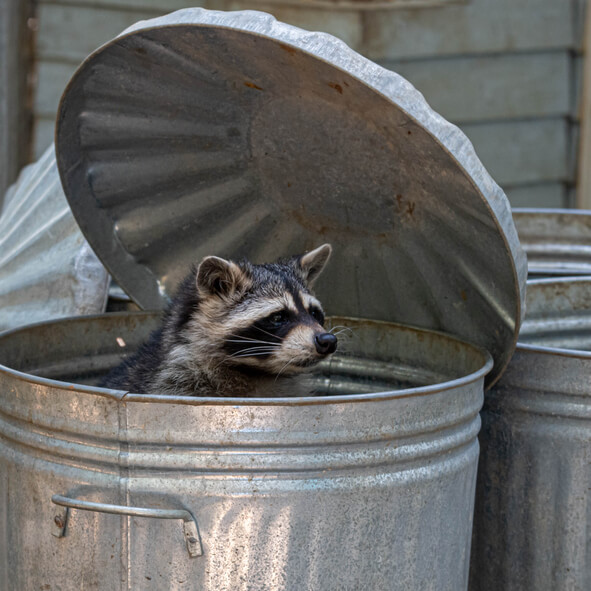
Secure garbage containers
Keep trash containers closed and remove accessible food waste.
Bring pet food indoors
Avoid leaving pet food outside overnight.
Maintain landscaping
Trim vegetation where practical and monitor branches that provide access to rooflines.
Inspect exterior openings
Look for damaged vents, loose panels, and gaps around building components.
Maintain garages and storage areas
Organized spaces make it easier to identify droppings, nesting materials, and other signs of activity.
Reduce unnecessary water sources
Repair leaking outdoor faucets and address standing water where practical.
Monitor for renewed activity
If scratching, droppings, or repeated sightings continue after removal, arrange further assessment.
Prevention is most effective when it addresses the conditions that attracted wildlife in the first place.
Questions to Ask Before Hiring a Trapping Company
Before choosing a wildlife removal provider, ask questions that clarify the proposed approach.
A useful conversation should cover the likely animal species, inspection process, removal method, and any expected repairs.
Ask whether the company will evaluate possible entry points and explain how the property can be protected afterward.
You should also understand how follow-up visits work and whether cleanup is included.
If the animal is occupying an attic or crawlspace, ask how the provider checks for dependent young before exclusion.
These questions help you compare services based on their scope and suitability rather than price alone.
Key Takeaways
-
A professional trapping company should begin with inspection and animal identification.
-
Trapping is one wildlife management method, not the only solution.
-
Removing animals without addressing entry points may lead to repeated problems.
-
California wildlife regulations must be considered.
-
Cleanup and repairs may be needed when wildlife has occupied an enclosed building space.
-
Compare providers based on their approach, scope of work, and communication.
-
Reducing food sources and maintaining vulnerable openings can help prevent future intrusions.
Frequently Asked Questions About Trapping Companies
What does a trapping company near me do?
A trapping company investigates unwanted wildlife, identifies the species, recommends appropriate removal methods, and may provide exclusion or cleanup recommendations.
How do I choose a reliable animal trapping company?
Look for a provider that performs inspections, understands the species involved, explains its removal methods, and evaluates potential entry points.
Is wildlife trapping legal in California?
Wildlife trapping is subject to state regulations and applicable local requirements. Rules vary depending on the animal and circumstances.
Can a trapping company remove animals from my attic?
Many wildlife removal providers address attic intrusions. The appropriate method depends on the species, building conditions, and whether dependent young are present.
How much does professional animal trapping cost?
Costs depend on the animal, location, accessibility, removal method, and whether additional exclusion or cleanup work is required.
Will wildlife return after trapping?
Another animal may use the same opening if it remains accessible. Appropriate exclusion repairs and prevention measures can reduce this risk.
Do I need professional attic cleaning after wildlife removal?
Not always. The need for cleaning depends on the extent of contamination, nesting debris, and damage found during inspection.
Conclusion: Choose a Trapping Company That Addresses the Whole Problem
Searching for a “trapping company near me” is often the beginning of solving a wildlife problem, but choosing the right provider requires more than finding someone who can set a trap.
A comprehensive approach begins with identifying the animal, understanding how it entered, and selecting an appropriate removal method.
It should also consider entry-point repairs, cleanup needs, and practical steps to reduce future activity.
At All City Animal Trapping, we help homeowners, landlords, and property managers throughout Southern California investigate wildlife problems and develop removal and prevention plans.
If you are hearing animals in your attic, discovering droppings, or dealing with unwanted wildlife around your property, contact All City Animal Trapping to discuss your situation and request an inspection.