Hillside topography
Homes built into slopes often have exposed crawl spaces, raised decks, and soffit gaps that provide easy access for burrowing and climbing animals.


Raccoons, skunks, coyotes, bats, opossums, and rats regularly find their way onto Calabasas properties, into attics, and under structures. All City Animal Trapping covers the full cycle: inspection, trapping, safe removal, damage repair, attic cleanup, and exclusion work designed to prevent re-entry.
Call (877) 724-5314Calabasas, CA
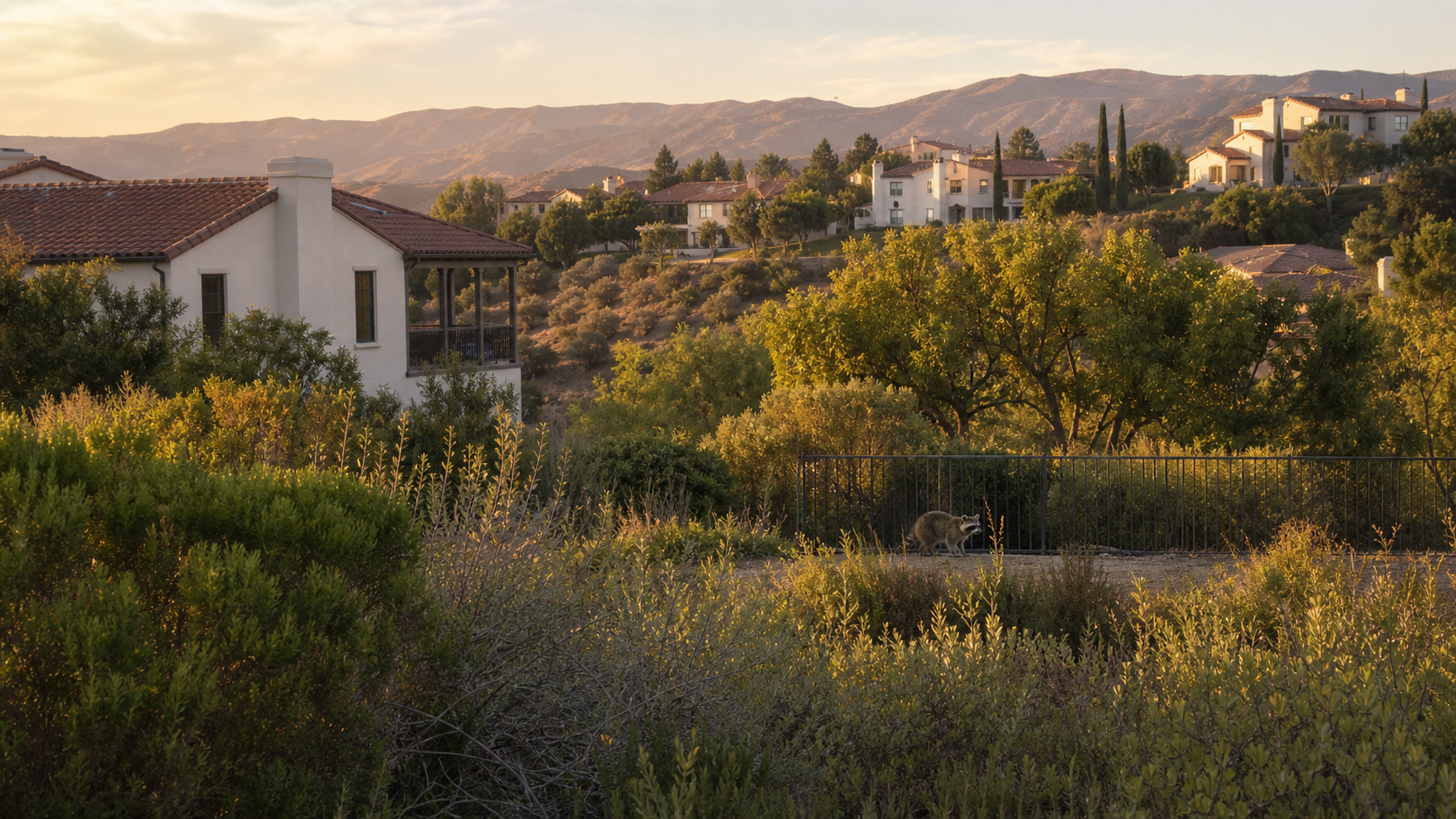
Calabasas sits at the edge of the Santa Monica Mountains, where oak-shaded hillsides, open space preserves, and creek corridors run right up against residential neighborhoods. That proximity to nature is part of what makes the city desirable, but it also means wildlife regularly crosses onto private property.
When that happens, the problem rarely stays small. Animals cause structural damage, leave behind contaminated waste, and create ongoing health and safety concerns. Government animal control does not typically handle trapping or removal on private property, which is why Calabasas homeowners turn to a dedicated wildlife control provider.
With over 20 years of experience across Los Angeles County and a team of licensed professionals, All City Animal Trapping handles everything from a single raccoon in an attic to complex multi-species situations on hillside estates.
Need immediate help? Schedule a free inspection or call (877) 724-5314 for same-day response.
Local conditions
Calabasas is bordered by the Las Virgenes Creek watershed and thousands of acres of open space managed by the Santa Monica Mountains Conservancy. The City of Calabasas Environmental Division actively promotes coexistence with local wildlife, but coexistence has limits when animals damage homes.
Several factors make Calabasas especially prone to wildlife intrusions:
Homes built into slopes often have exposed crawl spaces, raised decks, and soffit gaps that provide easy access for burrowing and climbing animals.
Large California oaks and sycamores give raccoons, squirrels, and opossums direct rooftop access from overhanging branches.
Wildlife corridors along Las Virgenes Creek funnel animals through residential zones nightly.
During dry months, animals travel farther from natural water sources and toward irrigated landscapes, pools, and pet water bowls.
Understanding why animals target your property is the first step toward solving the problem permanently, not just temporarily.
How it works
Direct answer: Effective wildlife control is not a single action. It is a structured process that addresses the animal, the damage it caused, and the conditions that allowed entry in the first place. All City Animal Trapping follows a proven multi-step approach for every Calabasas property.
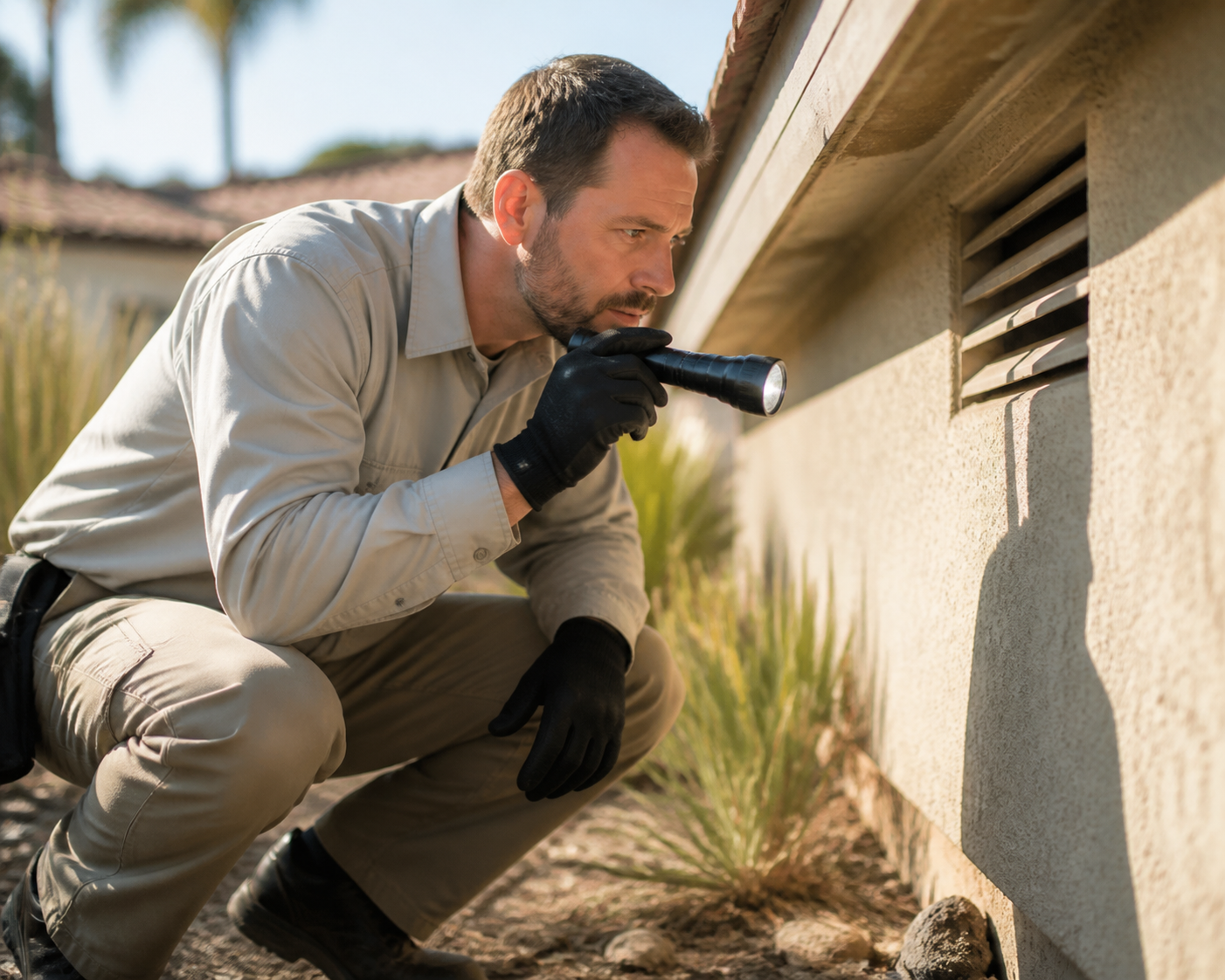
A licensed technician inspects the full property: roof, attic, crawl space, foundation perimeter, eaves, vents, and landscaping.
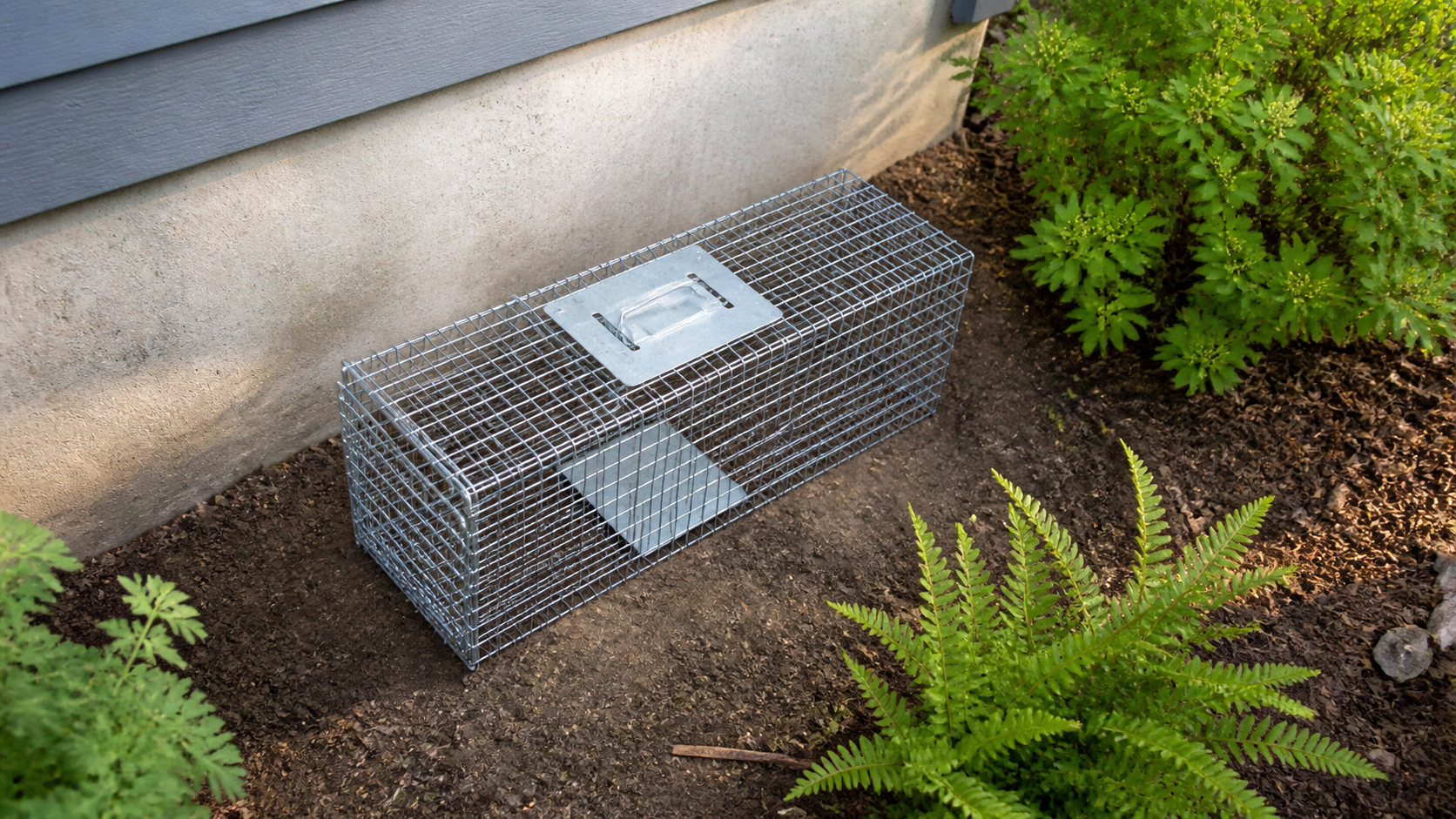
Professional-grade, wildlife-compliant traps are placed at high-activity locations and monitored frequently.
Every confirmed and potential entry point is sealed, and damaged materials are repaired.
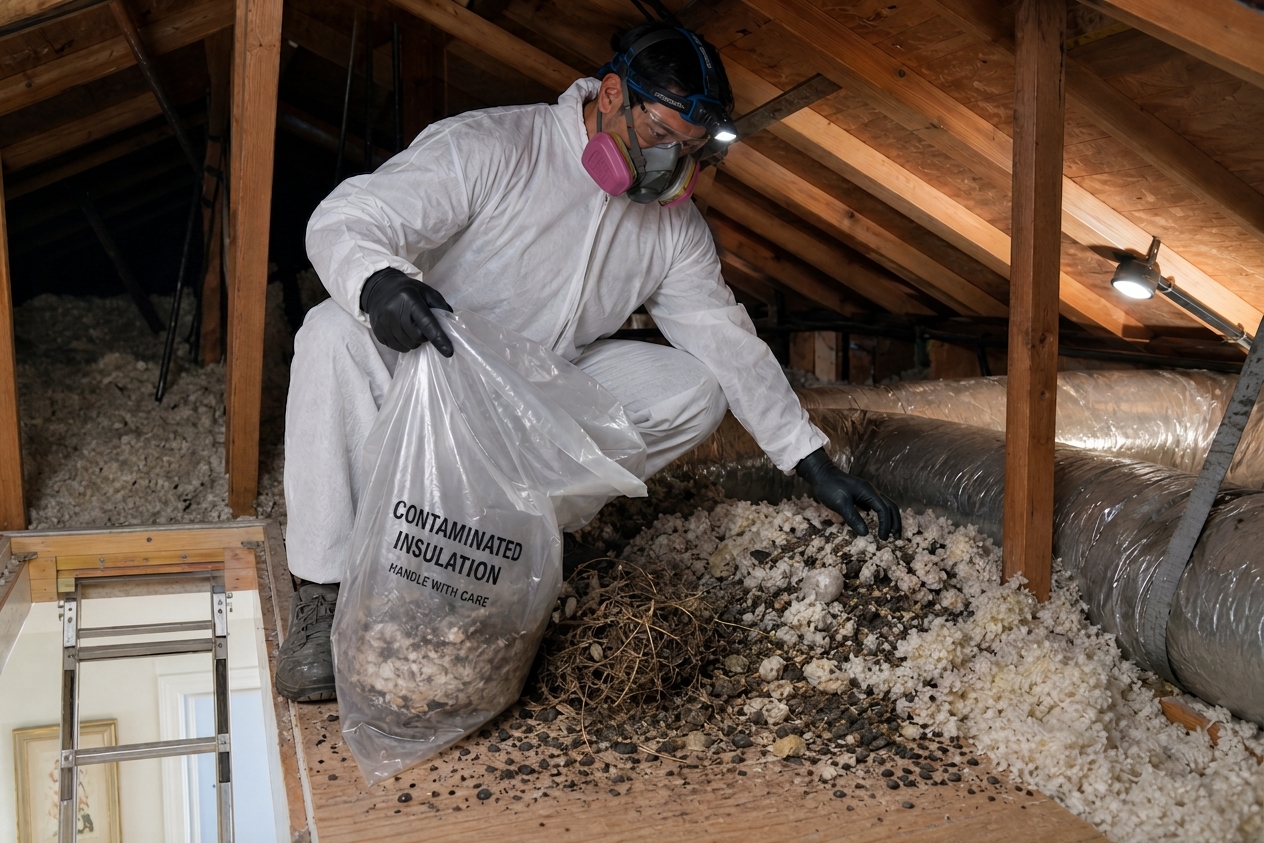
Contaminated insulation, nesting material, and odor sources are removed and treated.
Long-term steps that reduce the conditions attracting wildlife back to the property.
The goal is to identify:
Traps are monitored and checked frequently to minimize stress on captured animals. Once secured, animals are handled by trained technicians and removed in accordance with California Department of Fish and Wildlife regulations.
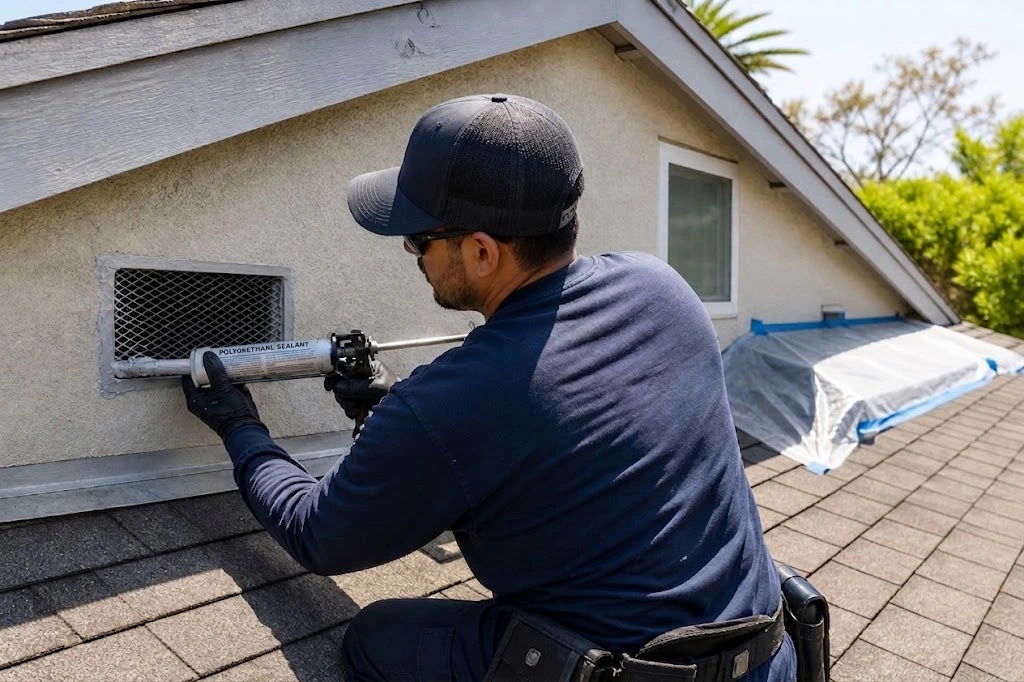
Removing the animal without sealing the entry point guarantees a repeat visit, often within days. After removal, the team:
Animals nesting in attics leave behind droppings, urine, nesting debris, parasites, and odor. All City Animal Trapping provides full attic cleanup and restoration, including:
The final step focuses on long-term prevention: trimming tree branches that provide roof access, securing trash and pet food, addressing drainage that attracts animals, and scheduling follow-up visits to confirm the exclusion work holds.
Find out which species is on the property, what damage it caused, and what has to be sealed before the animals return.
Call (877) 724-5314Species guide
Different animals create different problems. Here is what Calabasas residents encounter most often and how each situation is handled.
Raccoons are the most frequently reported wildlife issue in Calabasas attics. They are strong climbers that tear through shingles, soffits, and fascia boards to access attic spaces, especially when females need a safe place to raise young.
Once inside, raccoons destroy insulation, chew electrical wiring, and leave behind droppings contaminated with raccoon roundworm (Baylisascaris procyonis), a parasite that poses a serious health risk. Mother raccoons with babies require careful handling by experienced technicians to ensure safe, humane removal of the entire family.
Skunks commonly burrow under decks, porches, sheds, and raised foundations. Their digging undermines structural supports, and their spray, which can linger for weeks, creates a persistent odor problem that affects indoor air quality through HVAC systems.
Skunks are also recognized carriers of rabies, making professional removal the safest option. All City Animal Trapping uses specialized skunk trapping techniques designed to minimize spray incidents during capture and removal.
Coyotes are a well-documented presence in Calabasas, particularly in neighborhoods adjacent to open space. They pose a direct threat to pets, and small dogs and cats are especially vulnerable. Coyotes can also become bold around humans when food sources are accessible.
Coyote management involves humane trapping, property assessment for attractants, and guidance on deterrent strategies that reduce future encounters.
Bats are valuable for insect control, but colonies roosting in attics, wall voids, or chimney spaces create health hazards. Bat guano accumulates rapidly, produces a strong ammonia-like odor, and can harbor Histoplasma capsulatum, a fungus that causes respiratory illness when spores become airborne.
California law protects certain bat species, so removal must follow specific exclusion protocols rather than simple trapping. All City Animal Trapping uses one-way exclusion devices that allow bats to exit naturally while sealing re-entry points.
Roof rats and house mice are year-round problems in Calabasas. They enter through gaps as small as a quarter, gnaw electrical wiring and create fire hazards, contaminate stored food, and reproduce rapidly.
Effective rodent control combines trapping with thorough exclusion sealing of every gap, crack, and utility penetration on the structure.
All City Animal Trapping also handles opossum removal, squirrel removal, bird exclusion, snake removal, gopher control, bee removal, and dead animal removal from walls, crawl spaces, and under structures.
Each service follows the same inspection, removal, repair, and prevention process.
Why ACAT
Not every wildlife company handles the full scope of work, and many trap the animal and leave. All City Animal Trapping provides a complete solution because removing wildlife without repairing damage and sealing entry points leads to the same call weeks later.
Summary
FAQ
Raccoons, skunks, coyotes, bats, roof rats, mice, opossums, and squirrels are the most frequently encountered species. Calabasas's hillside terrain and proximity to the Santa Monica Mountains create ideal conditions for these animals to move between open space and residential areas.
City animal control services focus primarily on domestic animals, stray pets, and injured wildlife on public land. For trapping and removal of wildlife on private property, including raccoons in attics, skunks under decks, or rodents in walls, you need a licensed private wildlife control company like All City Animal Trapping.
All City Animal Trapping offers same-day response for Calabasas and surrounding areas. For emergencies such as an aggressive animal, a raccoon with babies in the attic, or a strong dead-animal odor, the team prioritizes rapid dispatch.
Yes, licensed wildlife control operators are authorized by the California Department of Fish and Wildlife to trap and remove nuisance wildlife on private property. All City Animal Trapping holds the required state licenses and follows all regulations for humane handling and species-specific protocols.
Cost varies based on the species, severity of the infestation, accessibility of nesting areas, and the extent of damage requiring repair. All City Animal Trapping provides free on-site inspections and detailed quotes so you know exactly what to expect before work begins. There are no hidden fees.
Removal is only the first step. The team seals all entry points with durable materials, repairs structural damage, cleans and sanitizes contaminated areas, replaces insulation if necessary, and provides prevention guidance to reduce the risk of future wildlife activity.
In most cases, yes. Animals nesting in attics leave droppings, urine, nesting debris, and parasites that create health risks and odor problems. Professional cleanup includes removing contaminated insulation, sanitizing surfaces, deodorizing the space, and installing fresh insulation.
Exclusion work is specifically designed to prevent re-entry. By sealing every gap, vent, soffit opening, and foundation crack with professional-grade materials, and by addressing attractants like accessible food and water sources, the risk of recurrence drops significantly.
All City Animal Trapping serves the entire greater Los Angeles area, including Calabasas, Hidden Hills, Agoura Hills, Westlake Village, Malibu, Woodland Hills, Tarzana, Encino, Topanga, and all of Los Angeles County.
Do not attempt to handle a dead animal yourself, as it may carry parasites, bacteria, or disease. Contact All City Animal Trapping for professional dead animal removal. The team will locate the carcass, even inside walls or under structures, remove it safely, and deodorize the affected area.
Coverage
Next step
Wildlife problems in Calabasas get worse the longer they go unaddressed. Damage compounds, contamination spreads, and animals establish territory that makes future removal more difficult and expensive.
All City Animal Trapping provides free inspections for Calabasas properties and can typically respond the same day. The team will identify every issue, explain exactly what is needed, and provide a clear quote before any work begins.
Schedule your free Calabasas wildlife inspection now or call to speak with a licensed technician today.