

That strong, awful smell coming from inside the house is hard to ignore. Maybe it’s drifting through the vents, coming from the attic, or getting stronger near a wall or crawl space. Once homeowners realize it could be a dead animal, one question usually comes up right away: is breathing in dead animal smell harmful?
The short answer is yes — it can be. While the smell itself may not always be toxic, a decomposing animal can create serious air quality, bacteria, and pest issues inside the home if the problem is not handled quickly.
For homeowners across Southern California, All City Animal Trapping provides professional dead animal removal services to safely locate the source, remove it, and help restore safe conditions inside the property.
Why Dead Animal Odors Are So Strong
When an animal dies, decomposition begins almost immediately. As the body breaks down, it releases gases and bacteria that create the strong odor people notice throughout the home.
In enclosed areas like attics, walls, crawl spaces, or air ducts, the smell can become overwhelming very quickly.
Warm Southern California temperatures often make the odor even stronger because heat speeds up decomposition.
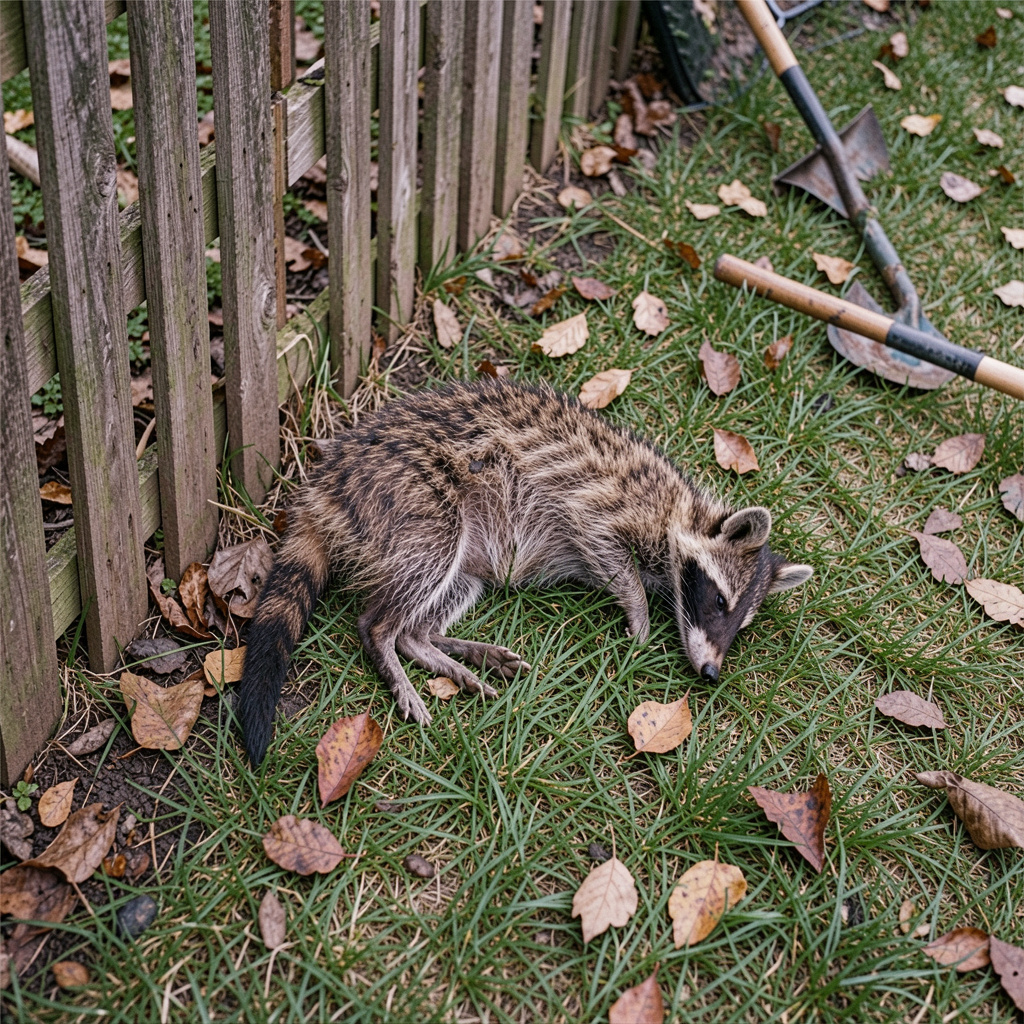
Is Breathing in Dead Animal Smell Harmful to Your Health?
Many homeowners start feeling headaches, nausea, or dizziness after being exposed to the odor for long periods.
The smell itself is unpleasant enough, but the bigger concern is what may be traveling along with it.
Airborne Bacteria and Contaminants
As the animal decomposes, bacteria and airborne particles can spread into surrounding areas. If the animal is near ventilation systems or ducts, those contaminants may circulate through the house. According to the CDC, exposure to decomposing wildlife may create serious health risks from dead animals and affect indoor air quality.
This can affect indoor air quality and potentially trigger respiratory irritation, especially for people with allergies, asthma, or other breathing conditions.
Fleas, Ticks, and Parasites
Dead animals often carry fleas, ticks, mites, and parasites. Once the host dies, those pests begin searching for a new place to go — which can mean your pets or even areas inside the home.
That’s one reason dead animal situations can quickly become larger pest problems if left untreated.
Mold and Moisture Damage
In some situations, decomposition fluids can soak into insulation, drywall, or wood materials. This may create lingering odors, bacteria buildup, and moisture issues inside hidden spaces.
Without proper cleanup, the affected area may continue smelling long after the carcass is removed.
Why Waiting Usually Makes Things Worse
Some homeowners try to wait for the smell to disappear naturally. Unfortunately, that can take weeks depending on the size and location of the animal.
During that time, the odor often gets stronger before it gets better.
The longer the animal remains hidden inside the property, the greater the risk of:
- Stronger odors
- Pest infestations
- Bacteria spread
- Insulation damage
- Contaminated air circulation
- Stained drywall or ceilings
Quick removal is usually the safest and least expensive option in the long run.
Why Professional Removal Matters
Finding and removing a dead animal is not always simple. In many cases, the animal is hidden deep inside walls, attics, crawl spaces, or ductwork.
At All City Animal Trapping, our technicians safely handle the entire process from start to finish.
Safe Removal and Disposal
Our team uses protective equipment and professional tools to safely remove the animal while reducing contamination risks inside the home.
We also follow proper disposal procedures based on local Southern California regulations.
Sanitizing and Odor Treatment
Removing the carcass alone does not always solve the problem completely.
We also sanitize affected areas and provide odor treatment services to help eliminate bacteria and lingering smells instead of simply covering them up.
Preventing Future Wildlife Problems
In many situations, the dead animal got inside through an opening somewhere around the property.
That’s why we inspect common entry points such as:
- Roof gaps
- Crawl space openings
- Attic vents
- Foundation cracks
- Damaged siding
Sealing these areas helps prevent future wildlife problems later on.
Don’t Ignore the Smell Inside Your Home
If you are wondering is breathing in dead animal smell harmful, it’s important to take the situation seriously. The odor is usually a sign of a larger issue involving bacteria, pests, and contamination inside the home.
At All City Animal Trapping, we provide fast, professional dead animal removal services throughout Southern California. Whether the problem is inside your walls, attic, crawl space, or vents, our experienced team can safely locate the source, remove it, and help restore clean conditions inside your home.
Contact All City Animal Trapping today for immediate assistance and reliable dead animal removal service.
