

If you need mice removal in Orange County, the best long-term fix is not just trapping what you can hear or see. It is a full process that starts with inspection, removes active mice, seals the places they are using to get in, and addresses droppings, nesting debris, and other contamination when needed.
Call an Orange County Mice Inspector: (877) 724-5314Orange County Mice Removal
Direct answer: Mice removal works best when inspection, active removal, entry-point sealing, and cleanup are treated as one plan. The goal is to stop the current activity and reduce the chance of the same pattern starting again a few weeks later.
Mice are small enough to turn a minor entry gap into a repeat problem. You may hear scratching in the attic at night, find droppings in a pantry or garage, notice gnaw marks, or smell a stale odor near insulation and wall voids.
For Orange County property owners who want a local service company instead of a generic national script, contact All City Animal Trapping to request an inspection or talk through the next step. If you want a broader overview of how the company handles this type of issue, you can also review the main mice removal service page.
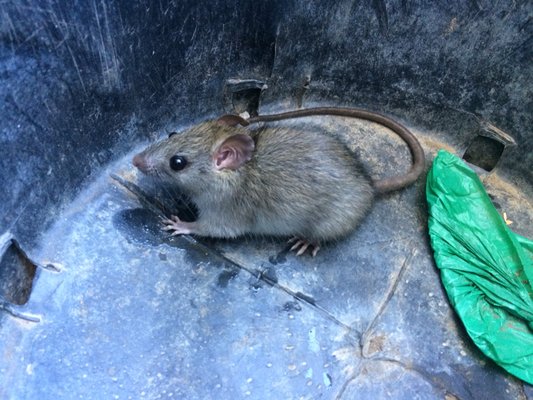
Call as soon as possible if you are finding fresh droppings, hearing active movement at night, noticing gnawed food packaging, or seeing signs near electrical wiring or insulation.
Call an Emergency Mice Inspector: (877) 724-5314When to Act
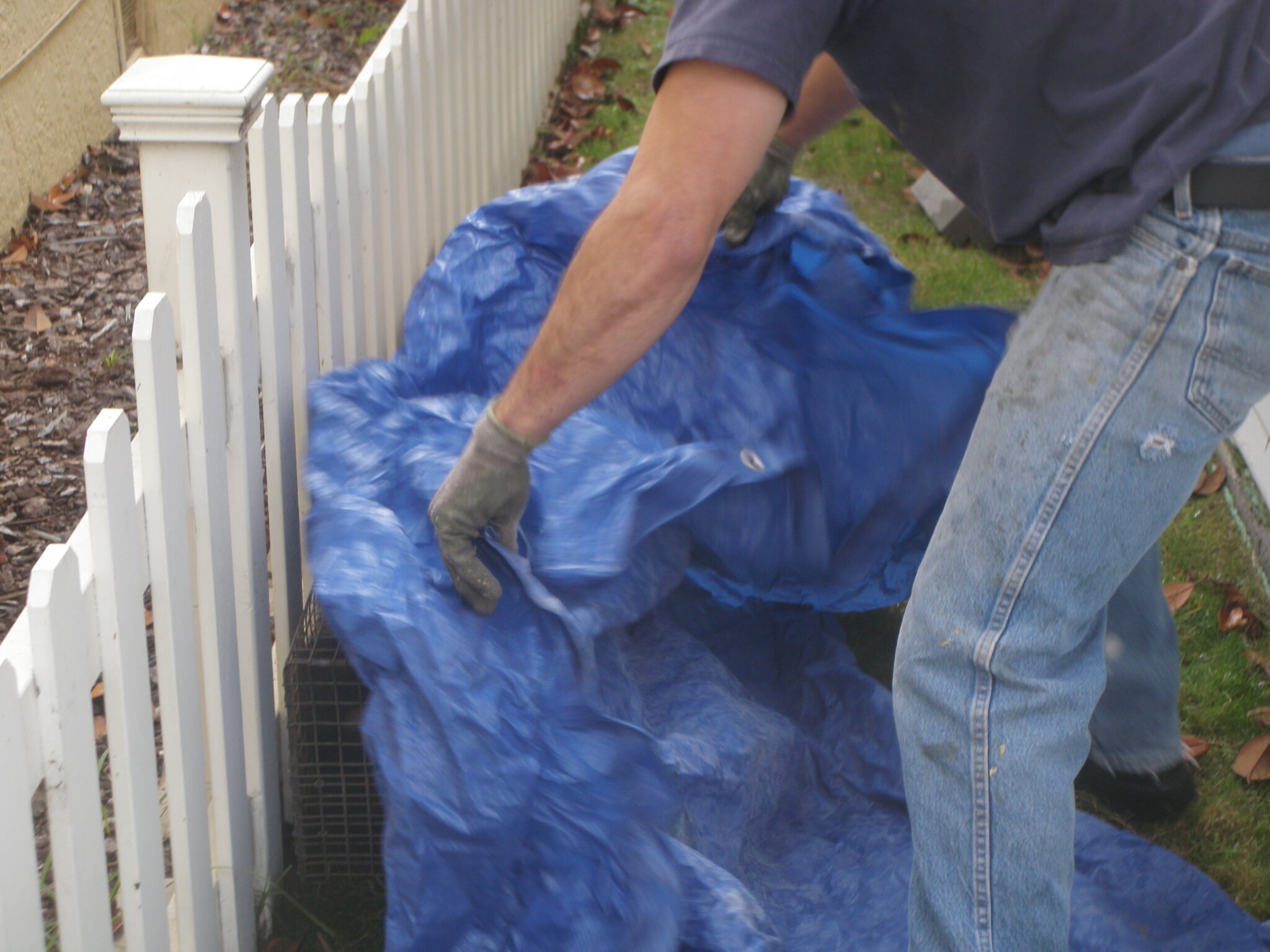
Where Mice Problems Start
In Orange County, mice problems often begin around garages, rooflines, vents, utility penetrations, storage areas, and attic spaces. Older structures can have more small gaps and worn seals, but newer homes are not immune. Landscaping, stored materials, pet food, and cluttered utility areas can also make a property easier for mice to use once they find a way in.
Attics often show insulation disturbance, nesting material, and light noise after dark. Walls may carry faint scratching or movement near plumbing and utility runs. Garages and storage spaces tend to show droppings first because they offer easier access to boxes, pet food, and quiet corners. Kitchens and pantries can become secondary feeding areas once mice are already inside the structure.
Mice do more than create nuisance noise. They can contaminate surfaces, damage stored items, and affect insulation quality when nesting activity builds up. The CDC notes that rodents can create health risks, which is why a complete mice removal plan should look beyond the immediate trap count.
| Sign | What it may mean | Why it matters |
|---|---|---|
| Small dark droppings near food, shelving, or along walls | Active travel routes or feeding areas | Suggests the issue is established enough to affect sanitation |
| Light scratching in walls or the attic at night | Movement after dark when mice are most active | Often points to nesting or repeated entry activity |
| Gnaw marks on boxes, food packaging, or wood | Mice are feeding or testing materials | Can escalate into broader damage and contamination |
| Insulation disturbance or nesting debris | Protected nesting space | Usually means cleanup may matter as much as trapping |
| Musky or stale odor in enclosed areas | Accumulated droppings, urine, or nesting activity | Indicates the problem may have been building for a while |
Same-day scheduling depends on location, technician availability, and the scope of the mouse activity.
Call for Same-Day Mice Inspector Availability: (877) 724-5314Long-Term Prevention
Traps can reduce current activity, but they do not solve the source of the problem if mice are still using the same access points. That is why strong mice removal work includes exclusion, not just capture.
The EPA recommends sealing openings and removing access to food, water, and nesting conditions as part of prevention. On a service page like this one, that matters because homeowners are usually not comparing one trap brand to another. They are deciding whether the company they call is likely to give them a short-term patch or a more complete plan.
Trap-only service can lower visible activity, but it leaves the reinfestation risk in place when access points stay open. The point is not only to remove mice that are there now, but to reduce the chance of the same entry pattern restarting.
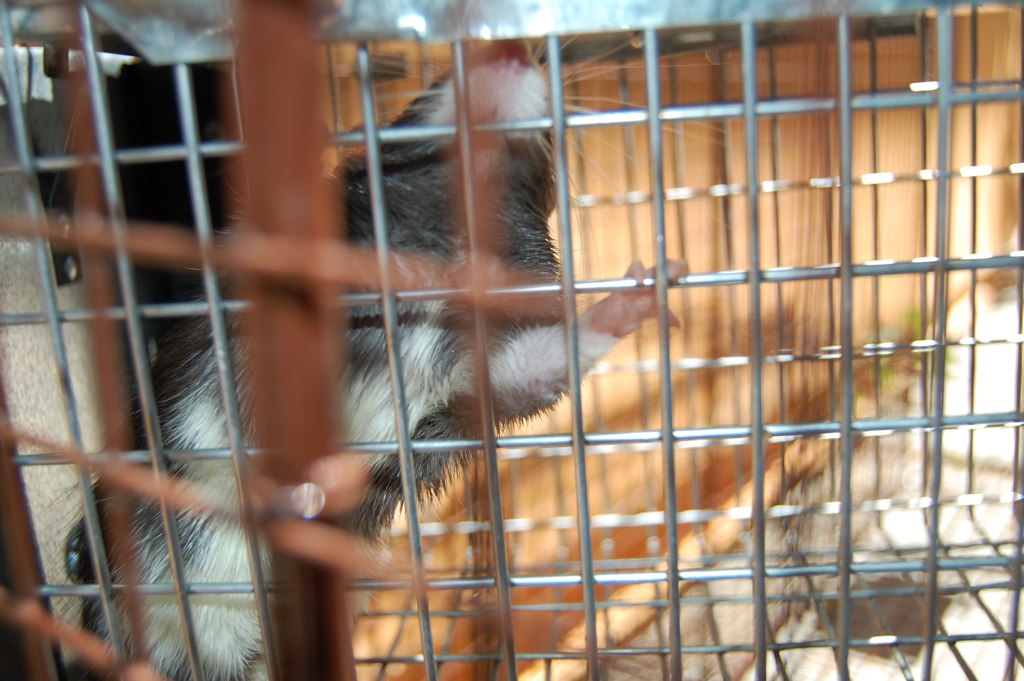
How ACAT Handles the Job
The first step is identifying where activity is showing up, how widespread it appears to be, and what entry paths are most likely involved.
The next step is reducing current activity with a removal approach matched to the property and the access pattern.
Exclusion matters because recurring mouse issues usually track back to repeated access, not just one isolated incident.
If droppings, nesting debris, odors, or damaged insulation are part of the problem, cleanup and sanitation become part of the scope.
The final goal is giving the customer a clearer path for preventing the next round of activity.
This structure closely matches what users expect from a professional service company: inspection, removal, sealing, and practical next steps. For trust signals beyond the service page itself, users can also learn more about All City Animal Trapping and review its broader Southern California service profile.
Need help now? Use the contact page to request an inspection, or review the company's animal trapping prices page for broader quote context.
If mice keep returning, call to discuss entry-point sealing, attic or garage access, and the next prevention step.
Call a Mouse Proofing Inspector: (877) 724-5314Pricing Factors
One reason many service pages feel thin is that they tell people to call for pricing without helping them understand what changes the scope. A better page should explain why one property may be simpler than another.
| Cost factor | How it changes scope | What the customer should expect |
|---|---|---|
| Infestation size | More active areas usually mean more time spent inspecting, removing, and monitoring | A broader plan than a single-visit trap placement |
| Property layout | Attics, wall voids, garages, and hard-to-access areas increase complexity | More inspection time and a more customized approach |
| Number of entry points | More access points mean more exclusion work | Higher emphasis on sealing and prevention |
| Cleanup needs | Droppings, nesting debris, odors, or damaged insulation add recovery work | Sanitation may become part of the scope, not an add-on afterthought |
| Existing damage | Gnawing, contamination, or insulation disturbance can expand the job | The quote may reflect both removal and aftermath management |
Heavy attic activity, multiple entry points, contamination near stored items, and signs of repeat infestations usually increase the amount of work required. That is why a useful Orange County mice removal page should set expectations around scope instead of pretending every property fits one flat formula.
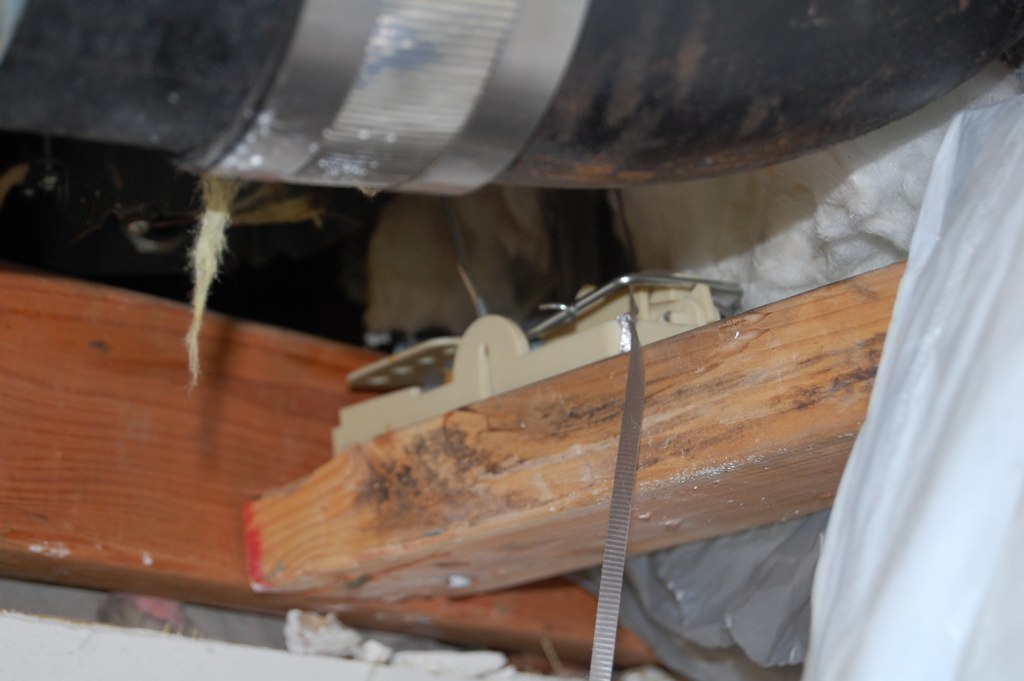
Aftermath Management
Cleanup is often where property owners realize the problem was bigger than it first looked. Once mice have nested in insulation or left droppings across a concealed area, removal alone may not be the whole answer. A professional assessment should help determine whether the issue is limited to active removal or whether contaminated materials and odor need attention too.
This cleanup-first framing is important because it addresses a real decision point. Many people are not just asking, "How do I catch mice?" They are asking, "How do I get my home back to normal?"
Rodent Identification
Some rodent pages blend mice and rats into one topic, but the better approach is to acknowledge the overlap without treating them as identical problems. Mice are smaller, use tighter gaps, and often leave different evidence than rats. If the signs point to a larger rodent issue, All City Animal Trapping also has a dedicated rat removal service page that may be the better fit.
Local Service Coverage
All City Animal Trapping lists Orange County as part of its Southern California coverage on the live locations page. That county-level positioning supports this page as a local service asset for Orange County searches while still connecting back to the broader brand and service architecture.
Users who want a full brand overview can start from the All City Animal Trapping homepage and move into service-specific pages from there.
Summary
FAQ
The timeline depends on how active the problem is, how many access points are involved, and whether cleanup is needed after removal. A smaller issue may move faster than a property with multiple entry points or attic contamination. The important point is that removal and exclusion should be evaluated together, not as unrelated steps.
Yes. Traps help reduce active mice, but sealing is what helps limit repeat access. Without exclusion, the conditions that allowed the problem to start may still be in place.
They can. Mice may nest in insulation, leave contamination behind, and gnaw on stored materials and other surfaces. The extent varies by property, which is why inspection matters before anyone promises a simple fix.
Scope is usually driven by infestation size, access difficulty, number of entry points, and whether the job also involves cleanup, odor issues, or damaged materials. The more complete the solution needs to be, the more the quote may vary.
A mice problem often requires inspection, trapping or active removal, exclusion work, and practical cleanup recommendations. That is different from treating a surface-level nuisance because the underlying issue is usually how mice are entering and nesting, not just that they are present.
If you are hearing scratching, finding droppings, or dealing with repeat rodent activity, a clearer process can save time and frustration.
Call an Orange County Mice Inspector: (877) 724-5314