

Rats in an attic, crawlspace, wall, or garage rarely stay a small problem. They can leave droppings and nesting material behind, damage insulation or wiring, create persistent odors, and return when the opening they used is never addressed. If you need rat removal in Manhattan Beach, the most useful next step is a property-specific inspection rather than another round of guesswork.
Call a Manhattan Beach Rat Inspector: (877) 724-5314Manhattan Beach Rat Removal
Direct answer: Professional rat removal in Manhattan Beach should begin with an inspection, then move through humane removal, careful cleanup when contamination or odor is present, and exclusion work that closes the access points rats are using. This source-first process addresses the active infestation while reducing the chance that new rodents follow the same roofline, vent, crawlspace, garage, or utility route.
The right scope depends on what the inspection finds. One property may have a single attic access point; another may have activity across a roofline, wall void, crawlspace, or shared building area. A clear plan should explain what is happening now, what needs to be removed, and what should be sealed or monitored afterward.
Rat activity can affect single-family homes, rentals, multi-unit buildings, HOAs, restaurants, offices, warehouses, and other commercial properties. Shared walls, roof access, trash areas, deliveries, and utility pathways can change how the infestation spreads. Inspection and scope definition matter before anyone promises a one-size-fits-all fix.
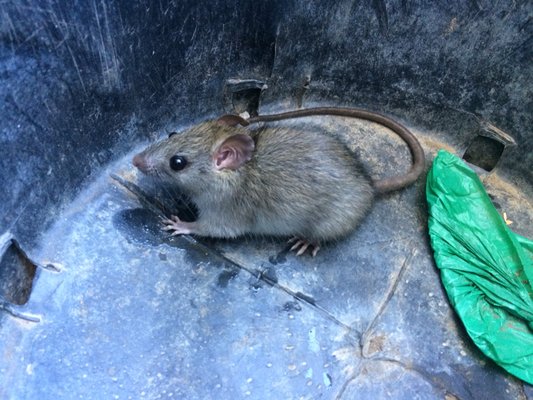
For fresh droppings, active wall or attic noise, gnaw damage, or a growing odor problem, call to discuss inspection availability.
Call an Emergency Rat Inspector: (877) 724-5314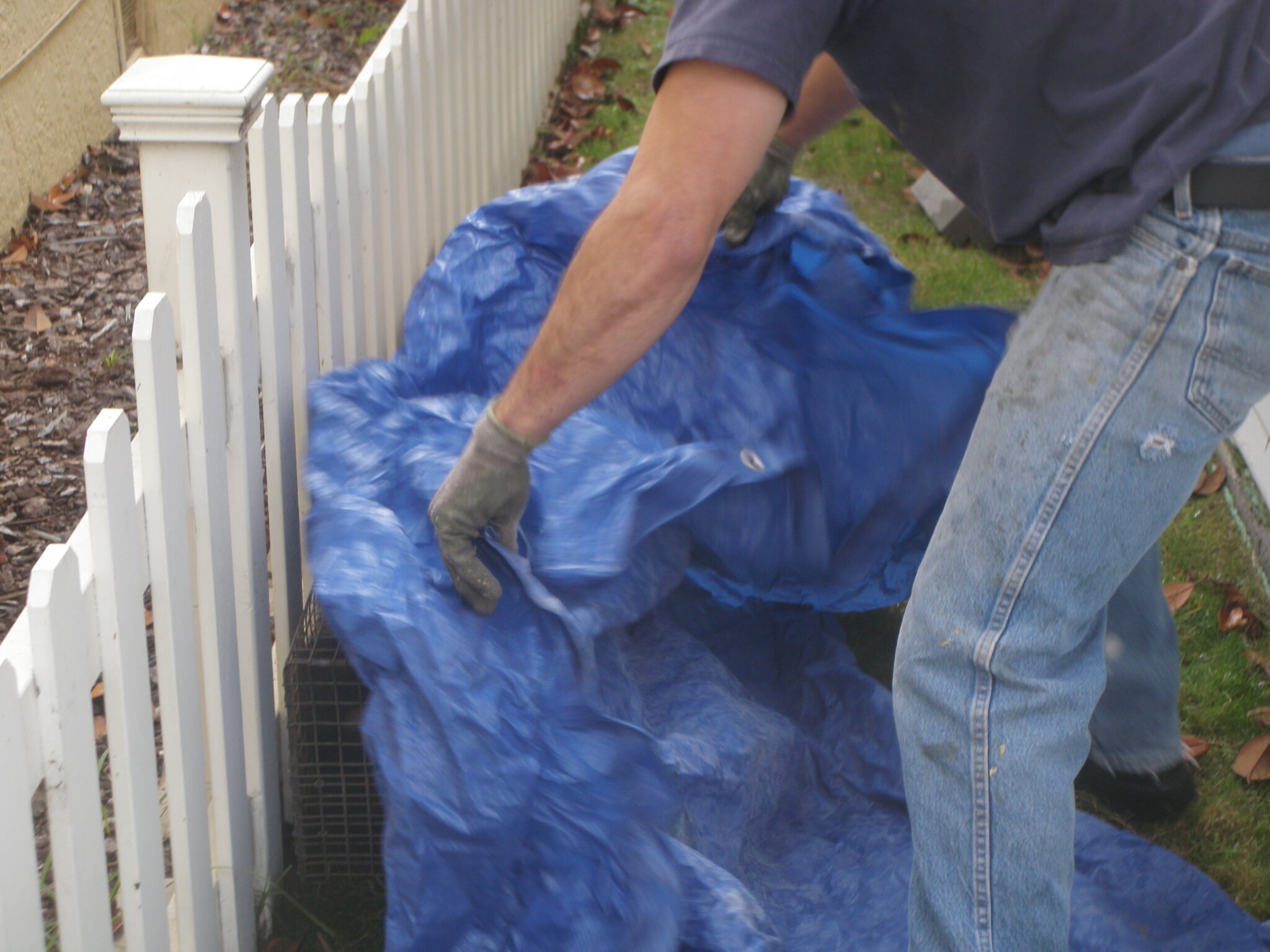
Warning Signs
Rat infestations often become visible only after the animals have been active for a while. Look for a pattern of signs rather than relying on one isolated sound or sighting.
Roof rats are strong climbers and may reach upper areas through trees, fences, rooflines, and attic vents. Norway rats are more likely to use lower access points around foundations, garages, crawlspaces, or ground-level openings. You do not need to identify the species yourself; the location of activity and entry points helps shape a practical rat-control plan.
Do not sweep or vacuum dry droppings or nesting material before you understand the condition of the area. The CDC's rodent cleanup guidance explains safer handling practices because disturbing contaminated material can increase exposure. If activity is near HVAC components, food storage, insulation, or frequently used areas, mention that during the inspection.
Why Rats Return
Removing visible rats is only part of the solution. Repeat infestations commonly happen when access points, shelter, or attractants remain available. In coastal and South Bay properties, an inspection may need to consider rooflines, attic vents, crawlspace screens, garage-door edges, utility penetrations, landscaping, and older construction details.
Bait can reduce visible activity without explaining how rats entered, where they nested, or whether new rodents can use the same route. It can also leave a property owner dealing with odor or dead-rat removal if an animal dies in a wall, attic, or crawlspace. A more complete plan connects active removal with cleanup and exclusion.
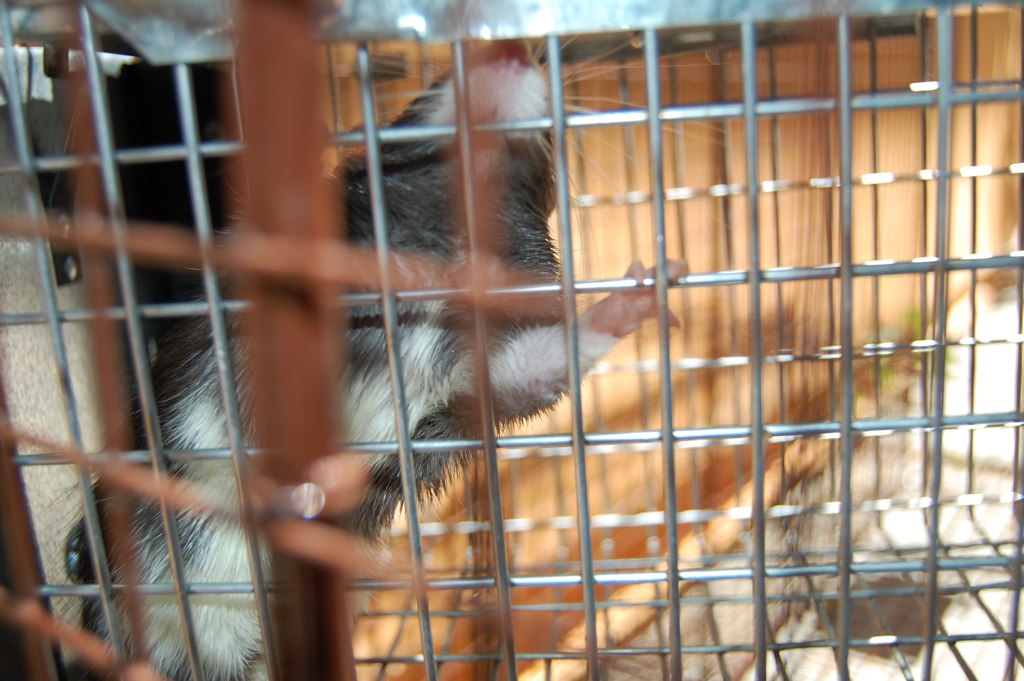
If the rat activity is active inside the attic, walls, garage, crawlspace, or commercial area, call before contamination or repair needs grow.
Call an Emergency Rat Trapper: (877) 724-5314How It Works
A clear process helps property owners understand what happens after the call. The exact work depends on the inspection, but an effective Manhattan Beach rat-removal plan generally follows four stages.
Identify signs, nesting areas, likely entry points, and whether activity appears localized or widespread.
Use targeted removal methods suited to the structure and the observed activity.
Discuss droppings, nesting debris, dead-rat removal, contaminated insulation, or persistent odor as part of the project scope.
Close or reinforce access points and explain practical prevention steps to monitor after service.
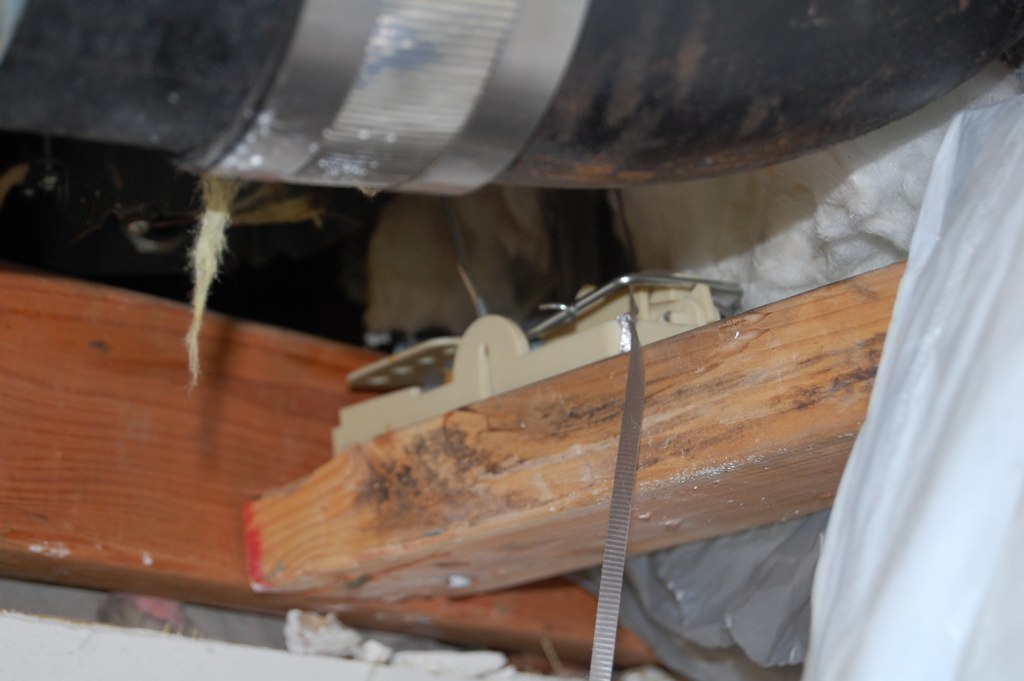
Inspection should do more than confirm that rats are present. It should connect sounds, droppings, odors, and visible damage to the parts of the structure where rats are traveling or entering. That gives the property owner a clearer basis for deciding whether removal alone is enough or whether exclusion and cleanup also belong in the plan.
A humane approach focuses on controlled removal rather than scattering products without understanding the building. It also helps clarify whether activity drops after removal or whether additional access points are still feeding the problem. Ask what areas will be monitored and what follow-up is appropriate for the property.
If rats keep coming back, call to discuss roofline gaps, vents, crawlspace openings, garage edges, and utility penetrations.
Call a Rat Proofing Inspector: (877) 724-5314Cleanup and Recovery
When rats have been active for a while, the work may involve more than live-animal removal. Droppings, urine, nesting debris, odor, or a dead animal can affect how the space is handled. ACAT also lists decontamination and odor removal services for situations where cleanup needs extend beyond basic trapping.
Sealing access points is the prevention stage. Depending on the structure, that may involve roofline gaps, vents, crawlspace screens, garage edges, or openings around utilities. The right repair materials and scope should match the property.
Pricing Factors
There is no responsible flat price for every infestation. The final scope depends on the activity level, the areas that must be accessed, the property type, and whether cleanup or exclusion is required. ACAT's trapping prices page can provide additional context, but an inspection is the better way to understand a specific property.
| Cost factor | Why it matters |
|---|---|
| Infestation size | Multiple nesting areas or repeated sightings can require more inspection, removal, and monitoring. |
| Access difficulty | Tight crawlspaces, wall voids, rooflines, and difficult attic access can increase labor and complexity. |
| Property type | Homes, rentals, HOAs, restaurants, and multi-unit buildings can have different access and coordination needs. |
| Cleanup requirements | Droppings, odor, nesting debris, dead-rat removal, or damaged insulation can expand the scope beyond trapping. |
| Exclusion work | The number, size, and location of entry points affect the materials and repair time needed to reduce re-entry. |
When comparing providers, ask what the inspection covers, whether exclusion is included or separately scoped, and how contamination or odor concerns are handled. Those answers are often more useful than a low initial number that does not explain what happens next.
Same-day scheduling depends on location, technician availability, property access, and the scope of the rat activity.
Call for Same-Day Rat Inspector Availability: (877) 724-5314Why ACAT
Some rodent calls are simple. Others involve hidden activity, contamination, building access, or repeat entry. ACAT's existing service materials present a humane wildlife-removal approach that connects inspection, trapping, cleanup support, and practical prevention instead of treating every property as a single-step treatment.
Homeowners, landlords, property managers, HOA decision-makers, and businesses need to know what the service can address and what may require additional work. A property-specific inspection helps separate active removal from cleanup, repairs, or exclusion so expectations are clearer before the job expands.
Common Property Problems
Summary
FAQ
The timeline depends on how widespread the activity is, how accessible the affected areas are, and whether cleanup or exclusion is needed. A localized issue may move faster than a property with multiple entry points, heavy attic activity, or contamination. An inspection is the best way to establish realistic next steps without promising a timeline before the scope is known.
Methods should be matched to the property and the infestation. Many property owners prefer inspection, humane trapping, cleanup when needed, and exclusion because that approach addresses both the active rats and the routes they used to enter. Ask the provider to explain the proposed method, possible odor or dead-animal risks, and how re-entry will be handled.
Entry-point sealing is an important part of a more complete rat-removal plan, but the exact work depends on what the inspection finds. Removing active rats without addressing open roofline gaps, vents, crawlspace screens, garage edges, or utility openings can leave the property vulnerable to another infestation.
Some jobs require only active removal, while others include dead-rat removal, droppings cleanup, odor control, or contaminated-insulation work. Cleanup should be discussed during the inspection because the condition and location of the material affect how it should be handled. ACAT separately lists decontamination and odor-removal support for larger cleanup needs.
Note where you have seen rats, droppings, odors, scratching, or damage, and share those locations with the technician. Avoid sweeping, vacuuming, or moving heavily contaminated nesting material before you have a safe cleanup plan. If you can do so safely, secure food and waste sources and keep people and pets away from affected areas.
Rat activity can affect rentals, multi-unit buildings, HOA spaces, restaurants, offices, warehouses, and other commercial properties as well as single-family homes. These jobs may require additional coordination because activity can move through shared walls, roof areas, trash zones, or utility pathways. Inspection helps determine how broad the issue is and who should be involved.
If you hear scratching, see fresh droppings, notice a persistent odor, or keep dealing with repeat rodent activity, move from temporary fixes to a source-focused inspection.
Call a Manhattan Beach Rat Inspector: (877) 724-5314