

Rats in an attic, crawlspace, garage, or wall can create odor, contamination, property damage, and repeat-entry problems. If you are looking for rat removal in Palos Verdes, the best next step is not simply to set a trap and hope the noise stops. The property needs a clear plan for finding the activity, removing active rats, addressing affected areas, and reducing the chance of re-entry.
Call a Palos Verdes Rat Inspector: (877) 724-5314Palos Verdes Rat Removal
Direct answer: Professional rat removal in Palos Verdes is an inspection-led service that identifies active areas and entry points, removes rats with targeted humane methods, addresses droppings or odor when present, and evaluates the structure for proofing. The four stages are inspect, remove, clean, and prevent re-entry.
All City Animal Trapping positions this service around humane wildlife removal, practical inspection, and property-specific prevention. The broader ACAT rat removal service supports the same approach.
To discuss what is happening at your property, use the contact page to describe the sounds, droppings, odor, or damage you have noticed and request property-specific guidance.
| Service scope | What it addresses | What may remain unresolved |
|---|---|---|
| Inspection only | Likely activity zones, access points, nesting areas, and visible damage. | Active rats, contamination, and open entry points still need follow-up work. |
| Trap-only response | Some of the active rat activity in the areas where traps are placed. | New rats may use the same openings, and hidden odor or contamination may remain. |
| Removal, cleanup, and proofing | Active rats, affected areas, and the structural conditions that allow re-entry. | The exact scope still depends on the inspection and property conditions. |
For fresh droppings, active attic or wall noise, gnaw damage, or a growing odor problem, call to discuss inspection availability.
Call an Emergency Rat Inspector: (877) 724-5314How It Works
An inspection should look beyond the room where you heard scratching. Attics, rooflines, eaves, vents, garages, crawlspaces, utility penetrations, and wall-adjacent areas can all matter.
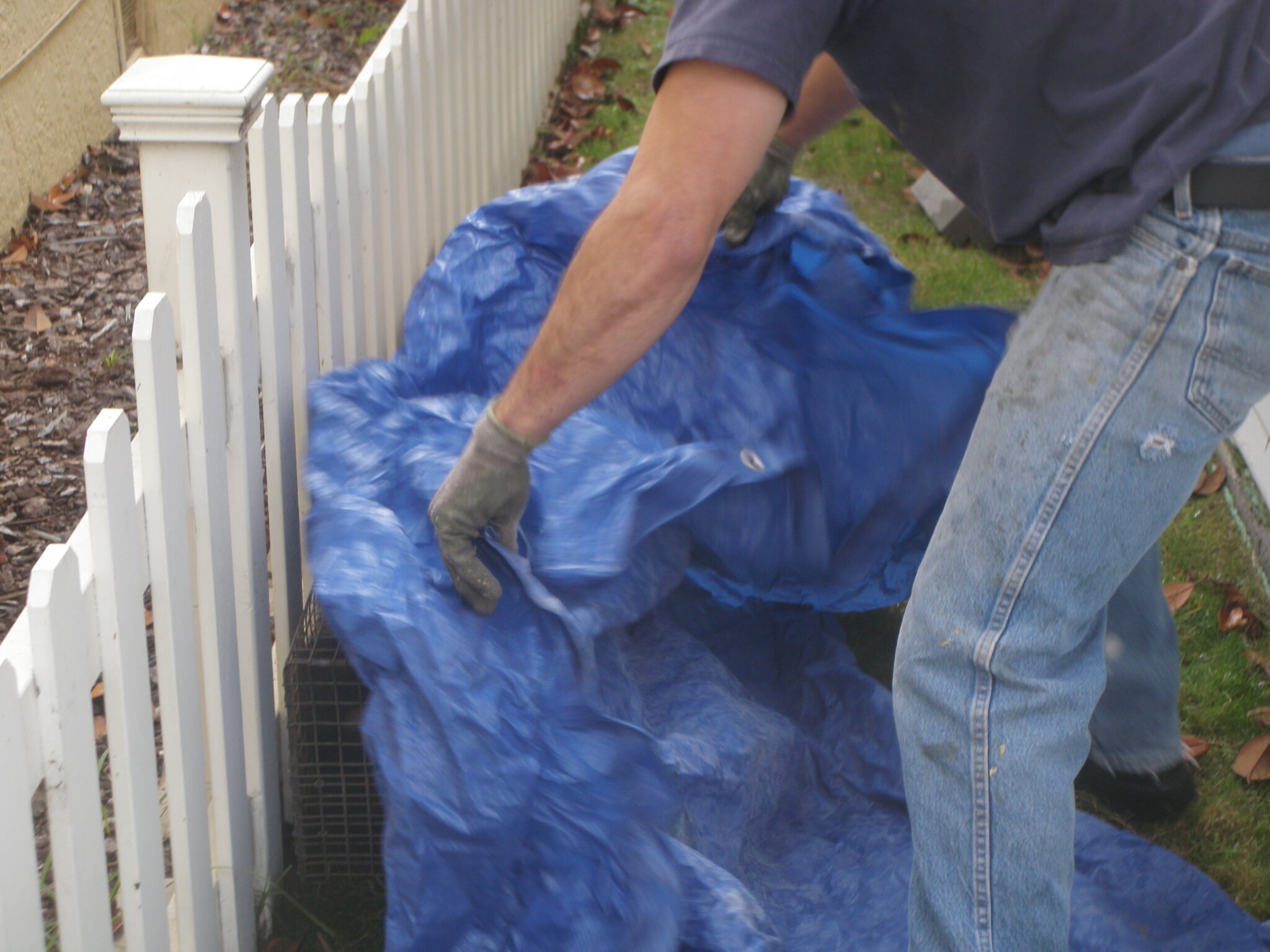
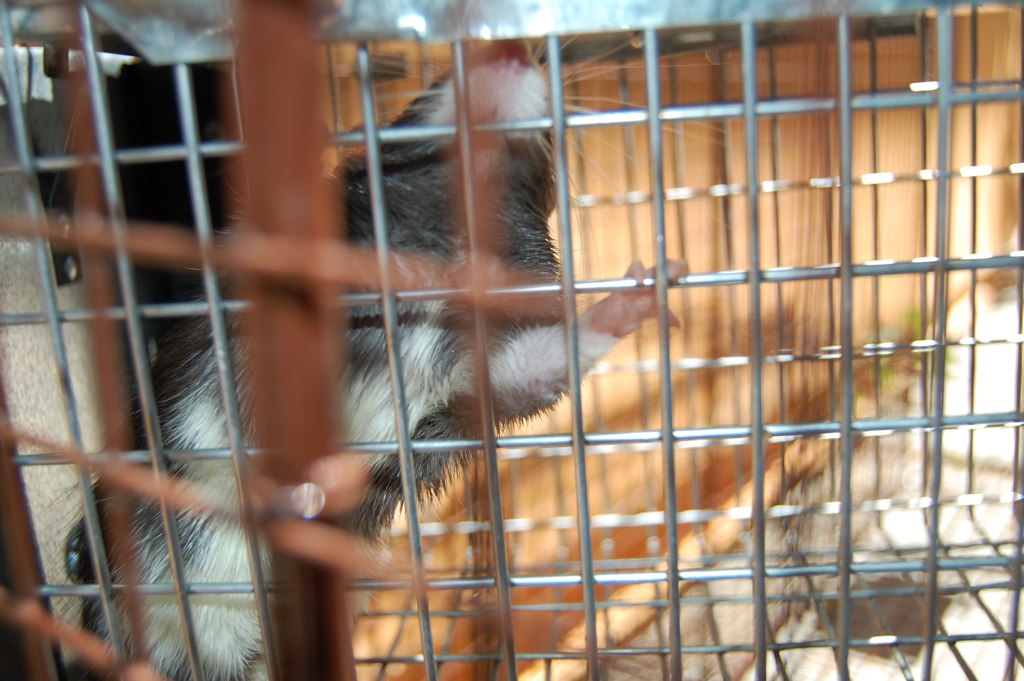
Once activity is understood, traps and other removal tools can be placed where they are most relevant to the infestation and easier to monitor.
Cleanup needs vary from small accessible areas to contaminated insulation, nesting debris, or a dead rat in a concealed location.
Proofing may involve sealing or screening vulnerable gaps, addressing access around vents or roof edges, and reducing conditions that make re-entry easier.
Warning Signs
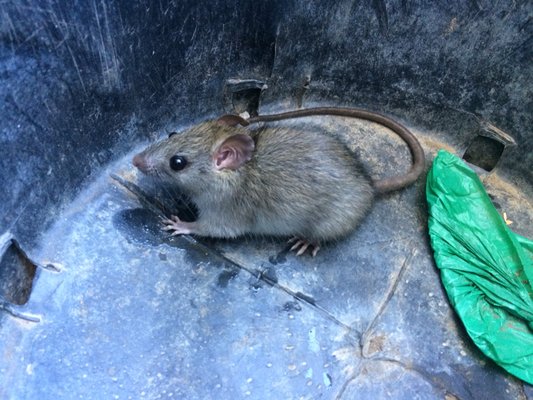
Direct answer: Common signs of an active rat infestation include nighttime scratching or running, fresh droppings, gnaw marks, grease marks along travel routes, shredded nesting material, disturbed insulation, and a persistent musky or dead-animal odor. Finding several signs together, or seeing activity repeatedly, is a reason to arrange an inspection instead of relying on a one-time trap.
The location of the evidence can help define the inspection. Attic noises may point toward roofline, vent, or eave access. Droppings in a garage or crawlspace may point toward lower openings, storage areas, or utility penetrations. Odor inside a wall or ceiling can indicate hidden nesting or a dead rodent. Do not disturb heavily contaminated material just to confirm what it is.
Signs can overlap, and homeowners do not need to identify the species before calling. Larger droppings, heavier gnawing, louder movement, and activity in roof or attic spaces can be consistent with rats, but a professional assessment is more reliable than guessing from one clue.
If you are hearing movement overhead or finding droppings and disturbed insulation in the attic, call to discuss the next inspection step.
Call an Attic Rat Inspector: (877) 724-5314Why Temporary Fixes Fail
Traps can remove active rats, but they do not automatically close the opening that allowed the infestation to begin. If roofline gaps, vents, crawlspace screens, garage openings, or utility penetrations remain accessible, new rodents may follow the same route. A longer-lasting plan connects removal with inspection, cleanup when needed, and proofing.
The goal is not only to reduce what you can hear today. It is to understand why the property became accessible in the first place.
Pricing Factors
Direct answer: Rat removal cost in Palos Verdes depends on the size of the infestation, the number and accessibility of active areas, the property type, cleanup requirements, and the amount of proofing or repair work needed. A property-specific inspection is more useful than a flat promise because a garage issue and a multi-entry attic infestation require different scopes.
| Cost factor | Why it changes the scope | Possible impact |
|---|---|---|
| Infestation size | More active areas can require more inspection, trapping, monitoring, and follow-up. | Longer service timeline and more removal work. |
| Access difficulty | Attics, tight crawlspaces, wall voids, steep rooflines, and concealed gaps can be harder to assess. | More labor and careful setup. |
| Property type | Homes, rentals, HOAs, multi-unit buildings, and businesses may have different access and coordination needs. | Different scheduling and service planning. |
| Cleanup and odor | Droppings, nesting debris, dead-rat odor, or contaminated insulation may expand the work beyond removal. | Additional sanitation, odor, or restoration support. |
| Proofing and repairs | The number, size, and location of entry points determine how much sealing or screening is needed. | Additional materials, labor, and prevention work. |
When comparing providers, ask what the inspection includes, how hidden activity is assessed, whether cleanup is handled separately, and how entry points are identified. Those questions help you compare the actual service scope rather than comparing incomplete one-step prices.
Same-day scheduling depends on location, technician availability, property access, and the scope of the rat activity.
Call for Same-Day Rat Inspector Availability: (877) 724-5314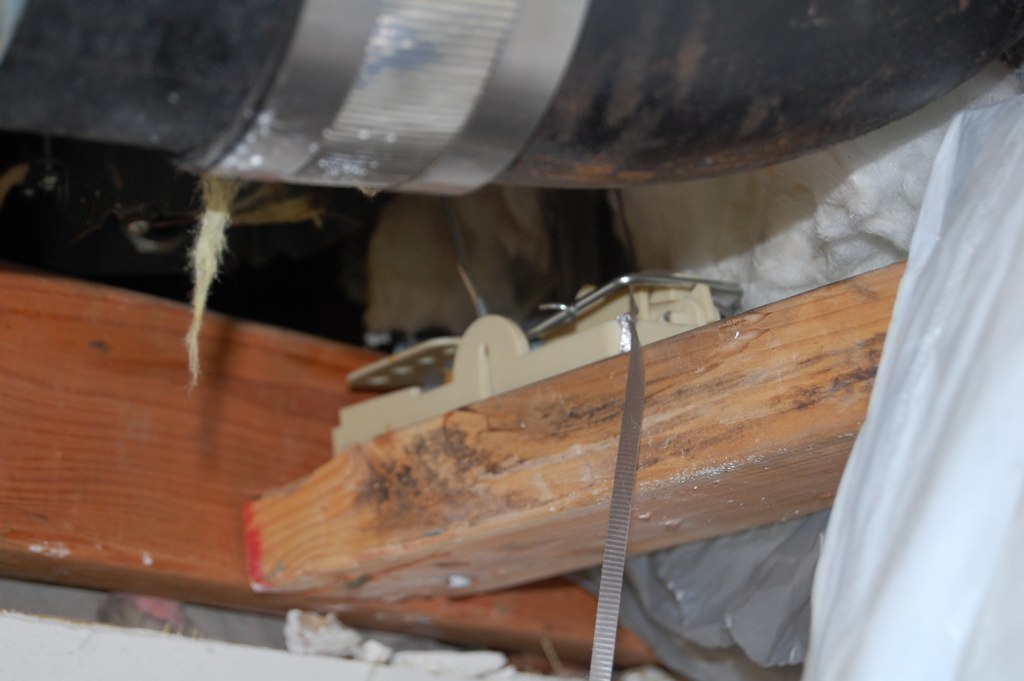
Rat Entry Points
Direct answer: Common rat entry points include gaps around roof edges, eaves, attic vents, utility penetrations, garage doors, crawlspace screens, foundation vents, and damaged exterior materials. Trees, fences, stored items, and dense landscaping can also make elevated or concealed access easier. An inspection should connect the evidence inside with the route outside.
Cleanup and Restoration
Cleanup becomes more important when rats have left widespread droppings, urine, nesting debris, odor, or contaminated insulation. It is also important when a rodent dies in a wall, attic, or crawlspace.
If you find a concentrated amount of droppings or nesting material, avoid disturbing it before you know how it will be handled safely. Keep children and pets away from the area, and do not move contaminated insulation or stored items unnecessarily. The CDC's rodent cleanup guidance is a useful general safety reference, but the right cleanup scope still depends on the property condition.
Rat activity can affect insulation, stored materials, wiring, vents, and other parts of a structure. Whether anything needs to be removed or repaired depends on the extent and location of the damage. Ask for the condition to be documented during the inspection so removal, sanitation, proofing, and any restoration work are not treated as one vague step.
Cleaning a contaminated area without addressing the entry route can leave the property vulnerable to a new infestation. Combining cleanup decisions with proofing helps make the work more durable.
Why ACAT
ACAT's relevant service pages present humane wildlife removal, inspection-led recommendations, and practical prevention as the core of the work. That positioning fits Palos Verdes property owners who need more than a generic pest-treatment statement and want to understand what happens after the first call.
The service may be relevant to homeowners, landlords, property managers, HOAs, and businesses dealing with attic, garage, crawlspace, wall, or roofline activity. Each property has different access, sanitation, and coordination needs, so the inspection is where the service scope becomes specific.
Local Context
"Palos Verdes" can describe more than one local search variation. Property owners may also search for rat removal in Rancho Palos Verdes, rat control in Rancho Palos Verdes, or wildlife control in Palos Verdes Estates.
Nearby service-area pages should support, not duplicate, the local rat page. The best internal structure is a broader rat-removal hub, this Palos Verdes service page, nearby local wildlife pages, and a direct contact path for scheduling.
Summary
FAQ
Timing depends on scheduling, access, the size of the infestation, and whether the property needs follow-up work. A clear description of where you hear sounds, see droppings, or notice odor can help the service team understand the situation before the inspection.
Safety planning depends on where activity is found, what removal tools are appropriate, and whether contaminated areas are present. Tell the service team about pets, children, and occupied rooms before work begins. Keep household members away from traps, droppings, nesting material, and inaccessible areas until the inspection and service plan are complete.
Cleanup requirements vary by the amount and location of contamination. Some jobs may involve limited affected material, while others require more extensive sanitation, dead-rat removal, odor work, or insulation decisions. Ask for cleanup to be evaluated as part of the inspection.
They can if the conditions that allowed entry are not addressed. A removed rat does not close a roofline gap, damaged vent, crawlspace screen, garage opening, or utility penetration. That is why an inspection-led plan includes proofing recommendations when appropriate.
Uncontrolled poison use can create hidden odor and dead-animal cleanup problems if a rat dies inside a wall, attic, or crawlspace. It also does not seal the access point. Before using a product, consider documenting the activity and requesting an inspection.
Note the locations and times of sounds, sightings, droppings, or odor. If possible, take photos from a safe distance and avoid sweeping, vacuuming, or moving heavily contaminated material. Secure food and trash, keep pets away from affected areas, and do not enter unsafe roof, attic, or crawlspace spaces just to search for the source.
If you are hearing scratching, finding droppings, noticing odor, or dealing with activity that keeps returning, the next step is to identify the source instead of repeating temporary fixes.
Call a Palos Verdes Rat Inspector: (877) 724-5314