

If you need rat removal in Torrance, the goal is not just catching one rat and hoping the problem goes away. The real fix is finding how rats got in, removing active rodents safely, cleaning contaminated areas when needed, and sealing the structure so the infestation is less likely to come back.
Call (877) 724-5314Torrance Rat Removal
Direct answer: Professional rat removal in Torrance should include a full inspection, humane trapping, cleanup when contamination is present, and proofing to reduce the chance of rats coming back.
All City Animal Trapping helps homeowners, landlords, property managers, HOAs, and businesses across the greater Los Angeles area with humane trapping, cleanup support, and long-term proofing. ACAT handles rat problems for homes and businesses with fast local help when scheduling allows and a service process built around solving the source, not just the symptom.
If you are comparing options, this local page works alongside ACAT's broader rat removal service and animal removal service pages so you can see how the Torrance-specific service fits into the larger solution.
Call (877) 724-5314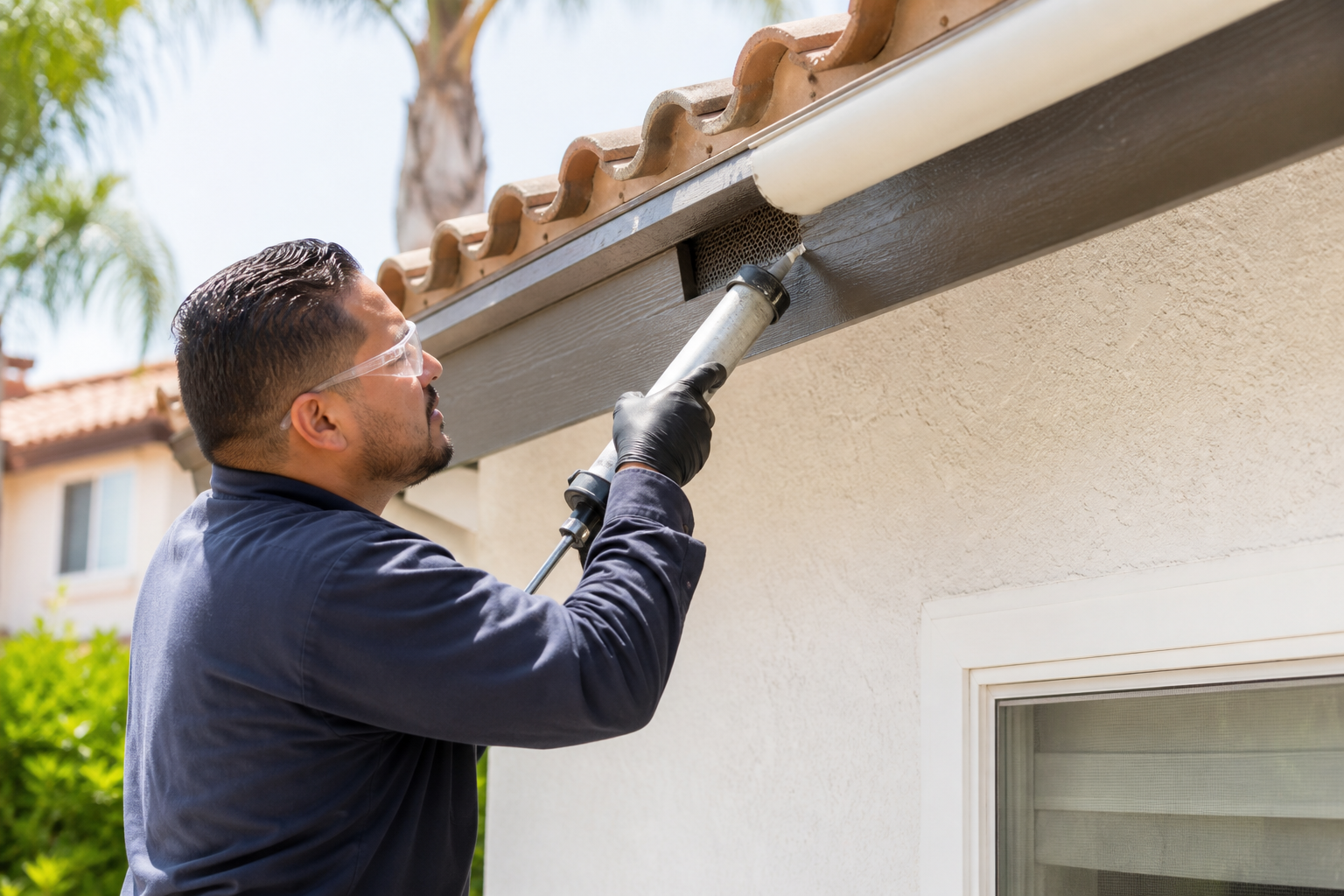
| What the job includes | Why it matters |
|---|---|
| Inspection | Finds active rat activity, nesting areas, damage, and the entry points that allowed the problem to start. |
| Humane trapping and removal | Targets active rats without relying on hidden poison-only outcomes that can create odor and cleanup issues. |
| Cleanup when needed | Addresses droppings, nesting debris, odor, and contaminated areas so the space is safer and more usable again. |
| Proofing and exclusion | Helps reduce repeat infestations by sealing the vulnerabilities that made the property easy to enter. |
Service timing
Some infestations need urgent attention, especially when you hear repeated scratching in the attic or walls, notice fresh droppings around food or storage areas, or smell a strong urine-like odor. In those cases, fast response matters.
Other jobs benefit from a scheduled inspection so the full scope, including removal, contamination, cleanup, and proofing, can be evaluated in one visit.
Property coverage
Rat issues in Torrance can affect single-family homes, rentals, garages, attics, crawlspaces, restaurants, shared HOA spaces, storage areas, and commercial buildings.
If you are not sure whether your address is covered, you can review ACAT's broader service areas before booking.
Warning signs
Rats usually leave clues before the infestation becomes impossible to ignore. The earlier you act, the more likely you are to limit damage, contamination, and repeat nesting.
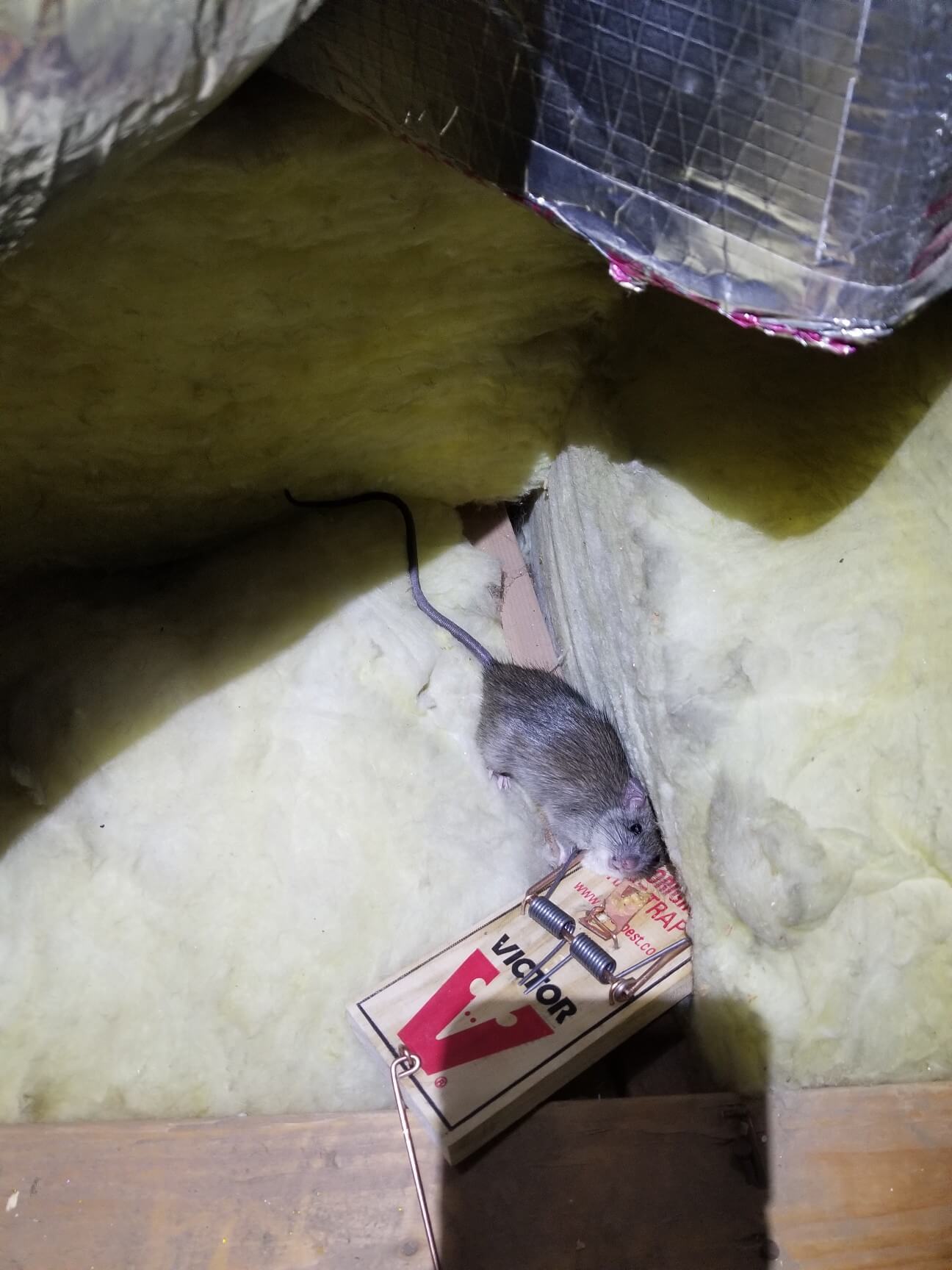
Common warning signs include scratching sounds at night, fresh droppings under sinks or in pantry-adjacent areas, rub marks along walls, gnawed food packaging, shredded nesting material, and a musty or urine-like smell. If those signs are recent, increasing, or appearing in multiple parts of the property, the problem is probably active rather than old.
The situation becomes more urgent when rats have contaminated insulation, entered food areas, or chewed wires. The CDC cleanup guidance for rodent-infested areas advises against sweeping or vacuuming dry rodent droppings because that can spread contaminated particles into the air. If the infestation involves attic contamination, repeated indoor sightings, or strong odor, it is smart to move quickly.
Why full-service removal matters
Many property owners try a quick fix first, but poison or a few off-the-shelf traps rarely address the full problem. Even when activity drops for a while, the conditions that allowed the infestation often stay in place.
When a poisoned rat dies inside a wall, attic, or crawlspace, the result is often lingering odor, insects, contamination, and a harder cleanup job. If there is nesting debris, urine, or droppings already in the structure, removal alone may not restore the space. That is why ACAT's decontamination and odor removal service is an important support option when the aftermath is part of the problem.
Removing active rats is only half the job if the structure still has open gaps, roofline vulnerabilities, vent issues, or utility-entry openings. The CDC recommends sealing holes and gaps as part of rodent prevention because exclusion is what helps break the cycle. Trapping solves the current infestation. Proofing helps reduce the next one.
How it works
One reason many service pages underperform is that they say "we remove rats" without showing what the work actually includes. A clearer process builds trust and helps customers understand what happens after the first phone call.
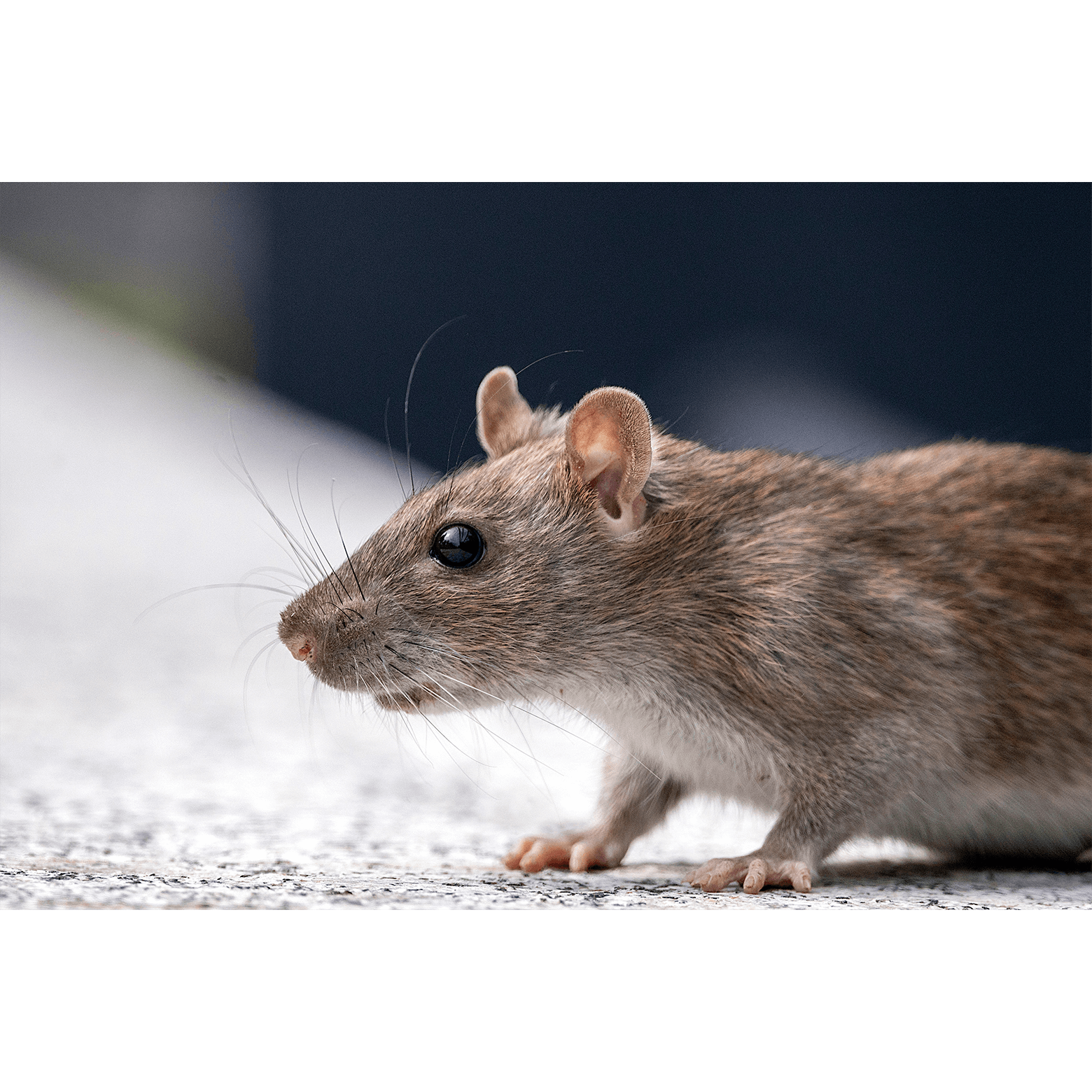
The first step is identifying where rats are active, how they are getting in, and how far the infestation has spread. That can include checking attics, crawlspaces, rooflines, garages, vents, wall-adjacent access points, and other common areas where rodents travel or nest.
After inspection, traps are placed where activity is strongest so active rats can be removed in a more controlled, property-specific way. For many homes and businesses, this is a better long-term starting point than relying on poison and waiting to see where the odor shows up later.
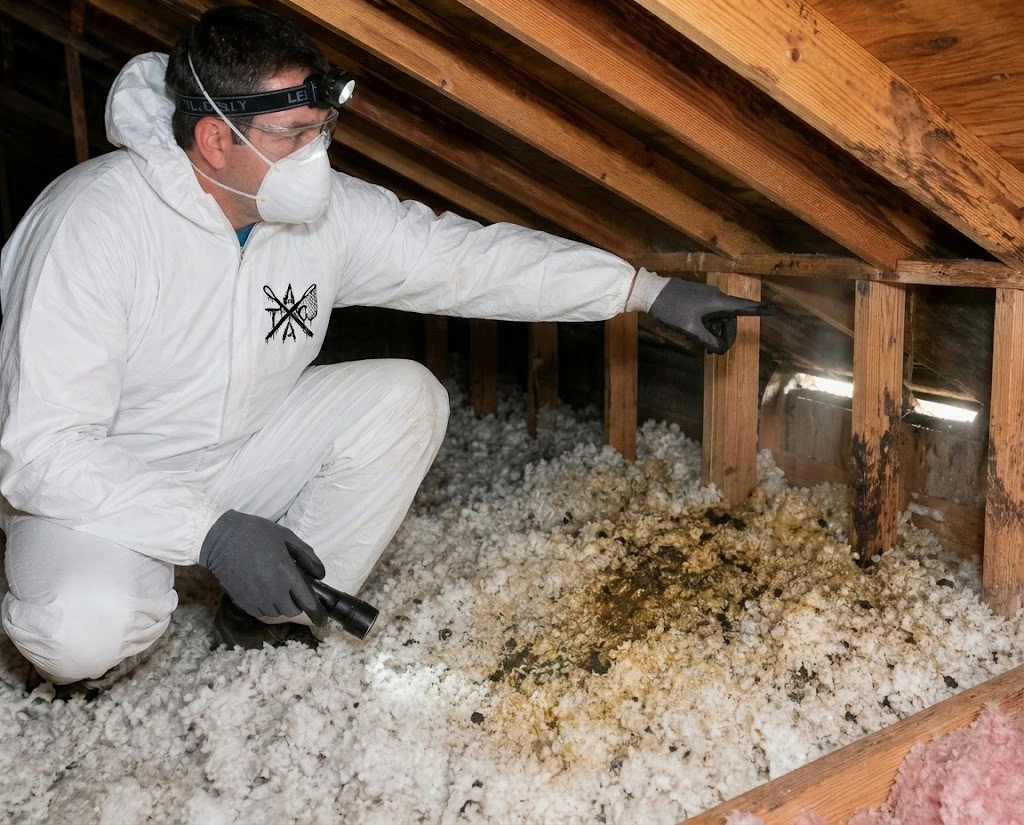
If the infestation has left droppings, odor, nesting debris, or a dead rodent in the structure, cleanup may be part of the scope. Safe cleanup matters because it improves living conditions, reduces odor, and helps restore the affected area after the infestation is handled.
Once the active problem is under control, proofing helps make the property harder to re-enter. That may include sealing gaps, reinforcing vulnerable areas, and recommending prevention steps based on the property type and the rat behavior seen during inspection.
Need help deciding what service you actually need? Start with ACAT's contact page or review the company's trapping prices page for quote expectations before booking.
If you are hearing rats in the attic, seeing droppings, or dealing with odor or repeat activity, call to discuss the property and the next inspection step.
Call (877) 724-5314Pricing factors
No responsible company should quote every rat problem the same way. The final cost usually depends on how many rats are active, how hard the affected areas are to access, and whether cleanup or proofing is needed after removal.
| Cost factor | Why it changes scope | What it can add to the job |
|---|---|---|
| Infestation size | More activity often means more inspection time, more trapping, and more follow-up. | A larger and longer-running project. |
| Access difficulty | Attics, crawlspaces, wall voids, and roofline areas can be harder to inspect and treat safely. | Higher labor time and complexity. |
| Cleanup needs | Droppings, odor, nesting material, or dead-rat removal can expand the scope beyond trapping alone. | Additional sanitation or deodorization work. |
| Proofing and repairs | Sealing entry points and protecting vulnerable areas adds labor and materials but improves long-term results. | More durable prevention work. |
| Property type | Single-family homes, rentals, HOAs, restaurants, and commercial sites can all have different access and compliance needs. | Different scheduling and service plans. |
A small, early-stage rat problem in an accessible area is usually easier to handle than a long-running infestation spread across attic insulation, wall cavities, and exterior entry points. Commercial spaces, shared buildings, and heavily cluttered access areas can also increase the time needed to inspect and resolve the issue properly.
If the infestation has contaminated insulation, left behind odor, or exposed repair issues that need attention after removal, the scope can expand beyond basic trapping. ACAT's live site also uses related cleanup and repair pages to support these cases, which is why the cleanup and odor removal service is an important internal link for this page.
Why ACAT
People dealing with rats are not just looking for a trap. They want a clear plan, practical communication, and a solution that protects the property after the first visit.
For many customers, the best service is not the one that sounds the most aggressive. It is the one that removes active rats, avoids unnecessary hidden complications, and helps reduce the chance of repeat infestations. Humane trapping plus proofing is a strong fit for that goal.
ACAT's site positions the company as a Southern California wildlife-removal service with broad regional coverage, service-first contact options, and support pages for cleanup, repair, and related animal problems. That matters because a rat issue in Torrance often involves more than one service need, especially when the job includes odor, contamination, or exclusion work after removal.
Rat infestations do not only show up in detached homes. They also affect apartment buildings, rental properties, garages, food-adjacent spaces, shared HOA areas, and businesses that need clearer scheduling and documentation. A good service page should speak to those use cases without making the customer guess whether help is available for their property type.
What we handle
Summary
FAQ
The timeline depends on the size of the infestation, how easy the active areas are to access, and whether cleanup or proofing is needed. Some properties can move quickly from inspection to trapping and follow-up, while larger or more complex jobs may take longer. The key is treating both the active rats and the entry points instead of only one part of the problem.
ACAT's service positioning emphasizes humane trapping and removal rather than relying on poison as the only answer. That matters because poison can leave rats to die in hidden spaces, which creates odor and cleanup issues without addressing how the infestation started. For many homes and businesses, a safer long-term plan begins with inspection, targeted trapping, and proofing.
Proofing and exclusion are a major part of a lasting solution. Removing the current rats is only part of the job if roofline gaps, vents, crawlspace openings, or utility penetrations stay open. Sealing those weak spots helps reduce repeat infestations and aligns with the broader prevention guidance recommended by the CDC.
Cleanup may be part of the project when rats have left droppings, urine, nesting debris, odor, or a dead rodent behind. That can be especially important in attics, crawlspaces, garages, and other enclosed spaces. ACAT also offers support for jobs that need more than trapping alone.
There is no one-size-fits-all price because the scope changes based on activity level, access difficulty, contamination, and proofing needs. The most accurate next step is a property-specific inspection. If you want early quote context before booking, ACAT's trapping prices page is the best place to start.
Yes. Rat problems can affect rental homes, shared properties, restaurants, offices, warehouses, and HOA-managed spaces as well as owner-occupied homes. These jobs often need clearer access planning, scheduling, and prevention recommendations because multiple residents, tenants, or staff may be affected. Booking an inspection is the best way to define the scope for the specific property.
Coverage
Next step
If you are hearing rats in the attic, seeing droppings, dealing with odor, or tired of the same problem coming back, this is the time to move past temporary fixes. ACAT's Torrance rat removal service angle is strongest when it focuses on inspection, humane trapping, cleanup when needed, and proofing to reduce repeat infestations.
Helpful next steps: review trapping prices, learn about cleanup and odor removal, or browse ACAT's service areas to confirm coverage.