

Hearing scratching in the walls or finding droppings in your kitchen is enough to make anyone uneasy. When that happens, it’s common to start looking for quick solutions—like what food is poisonous to rats.
At All City Animal Trapping, we deal with these situations every day. While it’s helpful to understand what affects rats, it’s just as important to know what actually works—and what doesn’t.
What Food Is Poisonous to Rats? Common Toxic Foods
Rats are known for eating just about anything, but that doesn’t mean everything is safe for them. There are certain foods and substances that can be toxic, whether they’re store-bought or found around the house.
Commercial Rat Poisons
This one is pretty straightforward. Store-bought rat poisons are designed to be lethal.
The problem is, they don’t just pose a risk to rats. They can also be dangerous for pets and children if not handled properly. On top of that, poisoned rats often retreat into walls or hidden areas before dying, which can lead to strong odors and sanitation issues later on.
Common Household Foods That Can Be Toxic
There are also everyday items that can be harmful to rats, even if we don’t usually think of them that way.
- Raw beans – Uncooked beans contain compounds that interfere with digestion and can be toxic.
- Green potatoes – The skin and eyes contain solanine, which is harmful to rodents.
- Avocado skins and pits – These parts contain persin, a substance rats can’t process properly.
Sweets, Stimulants, and Spoiled Food
Some other common items can also cause serious problems for rats:
- Chocolate and caffeine – These can overstimulate a rat’s system and affect heart rate.
- Alcohol – Rats can’t process alcohol the way humans can, leading to rapid harm.
- Moldy food – Certain molds produce toxins that are dangerous, even for scavengers.
- High-sugar foods – These are difficult for rats to digest and can cause internal issues.
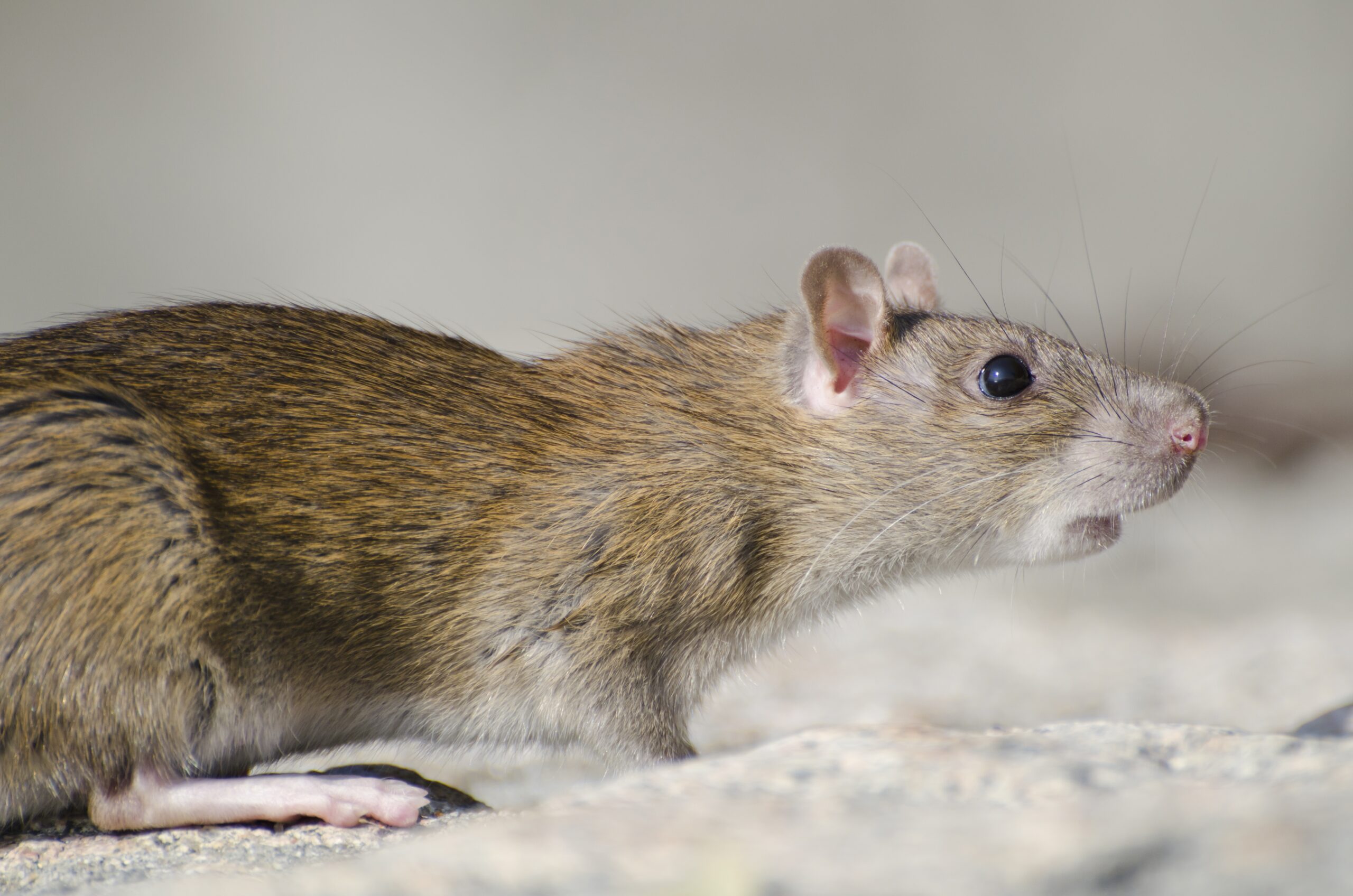
Why This Isn’t a Reliable Solution
Knowing what foods are harmful to rats is interesting—but using them as a DIY solution usually doesn’t work the way people expect. The Environmental Protection Agency advises using safe, regulated methods for rodent control to protect both people and pets.
Leaving food out, even if it’s toxic, can actually attract more rodents instead of solving the problem. It also introduces risks for your household, especially if pets or children are around.
And in most cases, it doesn’t address the bigger issue—where the rats are coming from and why they’re there in the first place.
The Bigger Problem Behind the Scenes
What often gets overlooked is the damage happening out of sight.
At All City Animal Trapping, we’ve seen what rats can do in attics and crawlspaces—chewed wiring, destroyed insulation, and contamination from droppings and odors. These problems don’t go away just because a few rats are affected.
Relying on food-based methods usually just gives the infestation more time to grow.
A Safer, Long-Term Approach
If you want to actually solve the problem, it takes a more complete approach. At All City Animal Trapping, we start by inspecting the property to find entry points and hidden activity. From there, we remove the rats safely—without relying on dangerous chemicals—and then seal off any gaps or openings that allowed them inside. That way, you’re not just dealing with the current issue—you’re preventing the next one.
If you’re dealing with a rat problem and aren’t sure what to do next, it’s worth getting professional help. All City Animal Trapping has over 20 years of experience serving Los Angeles County, and we’re here to provide fast, humane, and reliable solutions. Reach out today for immediate assistance and lasting peace of mind.
