

If you’ve been hearing scratching in the walls or noticed droppings around your home, it’s hard not to feel a bit on edge. When that happens, a lot of people start looking for simple ways to keep rats away—and one of the first things that comes up is what smell do rats hate the most.
Rats rely heavily on their sense of smell to find food and feel safe. So naturally, certain strong scents can make an area less appealing to them. The idea is pretty straightforward: if a place smells overwhelming or dangerous, they’re less likely to stick around.
What Smell Do Rats Hate the Most? Top Scents That Repel Rats
Because their sense of smell is so sensitive, strong odors can bother rats much more than they bother us. Some scents are known to work better than others.
Peppermint Oil
Peppermint is one of the most commonly recommended options. While it smells fresh to us, it’s extremely strong for rats.
The menthol in peppermint oil can irritate their noses and interfere with how they track scents. A common approach is soaking cotton balls in peppermint oil and placing them near entry points, corners, or areas where activity has been noticed.
It can help—but usually only for a short time.
Ammonia
Ammonia has a very sharp smell that resembles strong animal urine. To a rat, that can signal danger—like a larger animal has already claimed the area.
Because of that, they may avoid spaces where ammonia is present. Some people use small containers of ammonia in problem areas, but it needs to be handled carefully due to its strength.
Mothballs
Mothballs give off a strong chemical odor that rodents tend to dislike. They’re often placed in enclosed areas like attics, basements, or crawlspaces.
That said, they come with safety concerns. Mothballs can be harmful if misused, so they should always be kept out of reach of children and pets.
Predator Scents
Rats are naturally cautious. If they sense a predator nearby, they’re likely to move on.
The presence of cats or dogs can sometimes help, and there are also commercial products that mimic predator urine. These can make your property feel less safe from a rat’s perspective.
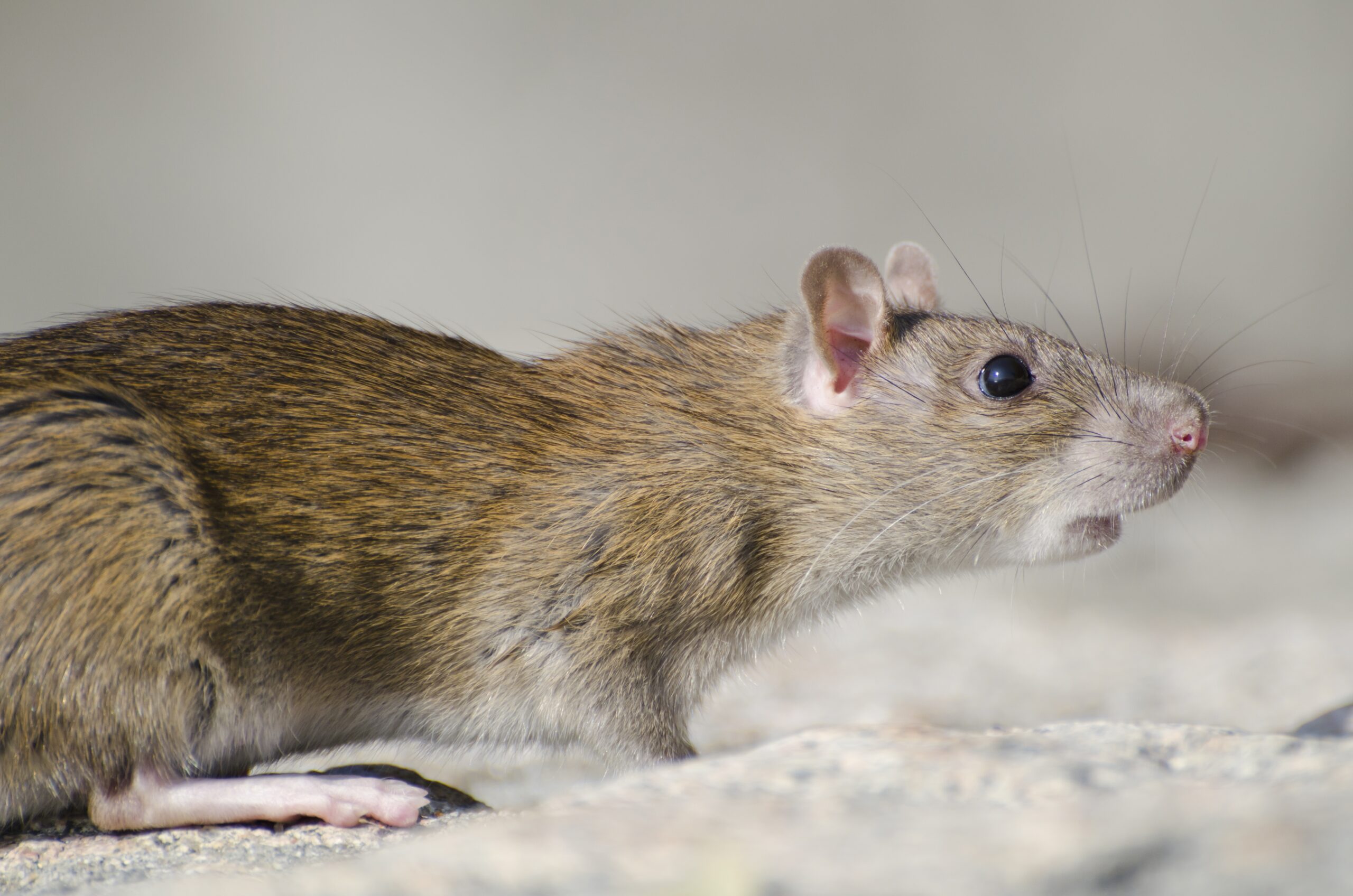
Why Smells Alone Won’t Get Rid of Rats
Here’s the part that often gets overlooked—these methods are usually temporary.
Rats are incredibly adaptable. If they’ve found reliable food and shelter, they may tolerate unpleasant smells rather than leave altogether. What works for a short time can stop working once they get used to it. The Centers for Disease Control and Prevention notes that rodents can spread diseases and contaminate surfaces, making proper removal and prevention essential.
At All City Animal Trapping, we’ve seen how quickly a small issue can turn into serious damage—especially in attics and crawlspaces. Chewed wires, damaged insulation, and contamination from droppings are all common once rats settle in.
Relying only on scent-based deterrents doesn’t address the root of the problem, which means the risk is still there.
A More Permanent Solution
If you really want to keep rats out, it takes more than just making the space smell unpleasant. It requires a complete approach—removal, inspection, and prevention.
At All City Animal Trapping, we focus on solving the problem from start to finish. Our team begins with a detailed inspection to identify where the rats are getting in and where they’re nesting. After safely removing them, we seal off entry points like cracks, vents, and gaps around the structure. This helps create a long-term barrier so the problem doesn’t come back.
In conclusion, while strong scents like peppermint oil, ammonia, and predator odors are often mentioned as smells rats hate the most, they only offer temporary relief and are not a reliable long-term solution. Rats are highly adaptable and will often ignore unpleasant smells if your home still provides food, shelter, and easy access. If you’re searching for what smell do rats hate, how to keep rats away naturally, or rat control near me, it’s important to go beyond quick fixes and address the root of the problem. Working with experienced professionals like All City Animal Trapping ensures complete removal, thorough inspection, and effective prevention—helping you protect your home and eliminate the issue for good.
