Raccoons
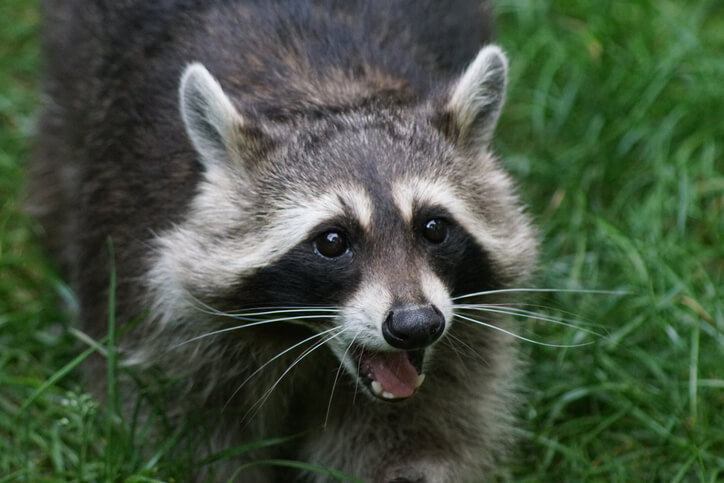
Often associated with attic intrusion, nesting, and contamination concerns.

If you need wildlife removal in Manhattan Beach, the safest approach is to identify how the animal is getting in, remove the active problem humanely, clean up contamination when needed, and close the entry points so the issue does not come back.
Call a Manhattan Beach Wildlife Inspector: (877) 724-5314Direct answer: Wildlife removal in Manhattan Beach should identify the source of the problem, remove the active animal humanely, address contamination or odor when needed, and reduce the chance of re-entry by correcting vulnerable openings.
All City Animal Trapping serves Manhattan Beach and the greater Los Angeles area with humane trapping, removal, cleanup support, and prevention work. If you are hearing scratching in the attic, smelling a dead animal, seeing droppings, or noticing activity around the roofline, this is the time to act before the problem spreads into insulation, walls, or crawlspaces.
This page is built for homeowners, landlords, HOAs, and property managers who need a practical next step. The goal is simple: solve the active wildlife issue, reduce health and property risks, and make repeat entry less likely.
If you hear active movement, smell a dead animal, see fresh droppings, or notice roofline activity, call to discuss inspection availability.
Call an Emergency Wildlife Inspector: (877) 724-5314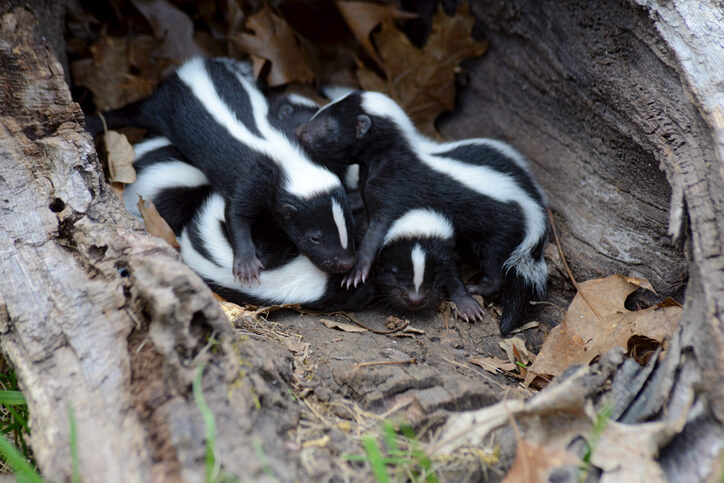
Wildlife problems usually start with a few warning signs and then escalate. A technician can help confirm what animal is involved, where it is entering, and whether you are dealing with an active infestation, a cleanup problem, or both.
These warning signs matter because the animal itself is often only part of the problem. Once wildlife gets inside, the real scope may also include odor removal, sanitation, damaged insulation, and exclusion work to stop the same opening from being reused.
Good wildlife removal is more than setting a trap. The most effective service starts with the source of the problem and ends with a plan to keep the structure more secure after the animal is gone.
The first step is figuring out what is happening and where. That means checking likely entry points, identifying where animals are active, and understanding whether the issue is isolated to one area or affecting multiple parts of the property.
All City Animal Trapping positions its service around humane methods. Depending on the situation, that may involve trapping, removal, eviction techniques, or other species-appropriate steps designed to solve the active issue while protecting the property.
If the problem has gone beyond a single sighting, cleanup may be part of the real job. Droppings, urine, nesting debris, and dead animals can all create health and odor concerns. The CDC recommends careful cleanup of rodent urine, droppings, dead rodents, and nesting materials.
Removal without exclusion often leads to repeat problems. Wildlife removal should end with clear prevention steps, whether that means sealing an access gap, improving a vent opening, addressing a roofline vulnerability, or routing you to related repair services like attic clean and repair.
If wildlife is active in the attic, walls, crawlspace, or roofline, call to discuss humane removal and the next prevention step.
Call an Attic Animal Trapper: (877) 724-5314This is the clearest way to understand what happens after you call.
Identify the animal activity, likely access points, and the areas affected.
Use humane trapping, removal, or exclusion techniques based on the type of animal and the location.
If droppings, odor, nesting material, or a dead animal are part of the problem, cleanup may be recommended.
Seal or correct the openings and conditions that made the structure vulnerable in the first place.
Wildlife issues in Manhattan Beach are not limited to one species or one part of the house. Different animals create different risks, and the best solution depends on where they are nesting, traveling, or dying.
Often associated with attic intrusion, nesting, and contamination concerns.
Common around crawlspaces, decks, yards, and odor-heavy situations.
Often found under structures, around yards, or in dead-animal odor cases.
Commonly tied to roofline, vent, and attic entry points.
May require exclusion planning and careful timing rather than quick DIY handling.
Often involve droppings, odors, insulation contamination, and repeat entry through small gaps.
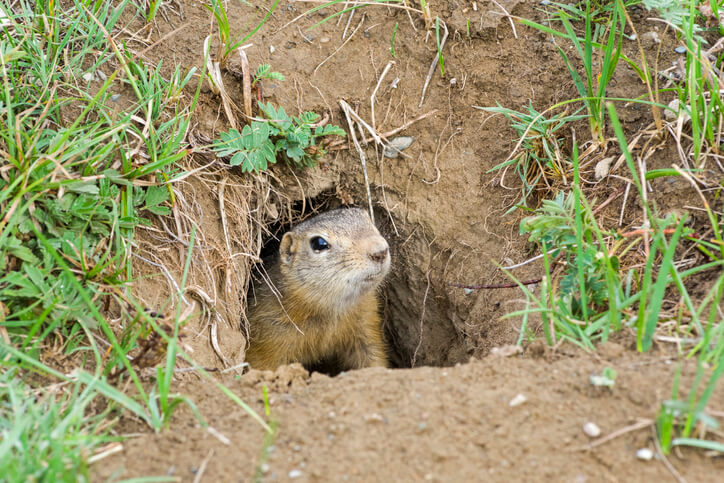
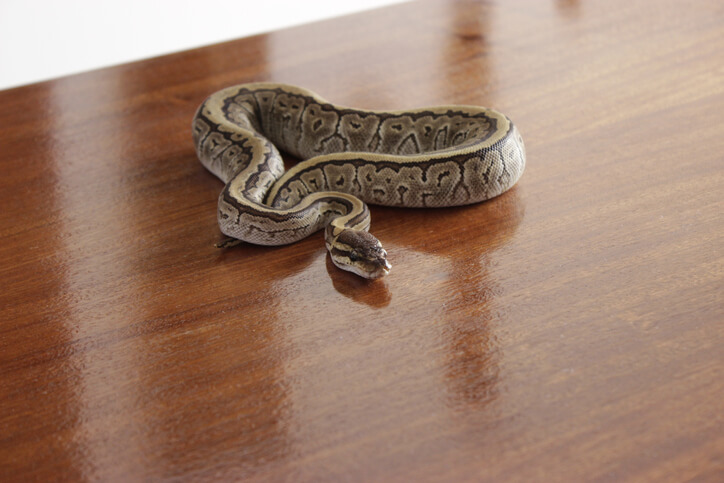
Common property scenarios include animals in attics, walls, roof vents, crawlspaces, garages, chimneys, and under decks. The right service should match both the species and the location of the problem.
All City Animal Trapping does not list flat wildlife-removal prices online because every job is different. The cost depends on the animal, the access difficulty, the amount of contamination, and whether cleanup or repairs are part of the scope.
| Cost factor | Why it changes the scope | Typical examples |
|---|---|---|
| Animal type | Different animals require different removal methods, timing, and safety precautions. | Raccoons in an attic vs. a dead opossum under a deck. |
| Access difficulty | Hard-to-reach rooflines, wall cavities, crawlspaces, and vents usually add labor and equipment needs. | Multi-story roofline, tight crawlspace, interior wall odor source. |
| Urgency | Active noise, ongoing damage, or strong odor often changes scheduling and job complexity. | Live animal inside, dead animal smell, contamination spreading. |
| Cleanup needs | Droppings, urine, nesting material, odor, and insulation contamination can turn a simple removal into a restoration job. | Sanitation, decontamination, odor treatment, insulation replacement. |
| Exclusion or repairs | Sealing entry points is often what keeps the issue from coming back. | Vent screening, soffit repair, gap sealing, attic restoration. |
If you want pricing context before you call, ACAT's animal trapping prices page explains why quotes depend on the specifics of the property and the work required.
In many cases, wildlife is not returning because the animal is unusually aggressive. It is returning because the structure still offers shelter, warmth, food access, or a reliable entry point.
This is why exclusion matters. It is not enough to remove the current animal if the original route into the building stays open.
Fast scheduling may depend on technician availability, location, and the type of wildlife issue.
Call for Same-Day Wildlife Inspector Availability: (877) 724-5314Some wildlife calls are really cleanup-and-repair calls in disguise. By the time homeowners notice the smell, the noise, or the ceiling stains, the animal may already be gone while the mess remains.
If contamination is part of the issue, ACAT also offers decontamination and odor removal plus attic clean and repair. That matters when droppings, urine, damaged insulation, or lingering odor continue affecting the home after the wildlife itself has been removed.
ACAT positions itself around humane service, broad Southern California coverage, and full-spectrum help that can include removal, cleanup, and repairs. The company also states that its trappers are licensed and insured and that it has more than 20 years of animal removal and control experience.
The site's reviews repeatedly emphasize fast response, clear communication, follow-up, sealing work, and cleanup support. That combination matters when the issue affects an occupied home, a rental property, or a building where delays quickly turn into damage.
All City Animal Trapping lists services for a wide range of nuisance animals, including raccoons, skunks, opossums, squirrels, birds, bats, rats, mice, and dead-animal situations. The exact solution depends on both the species and the part of the property involved, such as the attic, crawlspace, walls, garage, or yard.
ACAT presents its service as humane animal trapping and removal. In practice, that means the method should fit the situation and the species involved rather than defaulting to a one-size-fits-all approach. Humane handling is especially important when the job involves live trapping, exclusion, or young animals inside the structure.
Yes, cleanup may be available when the wildlife problem has already affected the structure. ACAT also advertises decontamination, odor removal, attic cleaning, and repair services. That can be important if droppings, urine, damaged insulation, or a dead animal are part of the overall scope of work.
Exclusion is one of the most important parts of a lasting fix. Without sealing the gap or vulnerability that allowed the animal inside, the next animal can use the same route. Depending on the property, that could involve vent protection, soffit repairs, roofline sealing, crawlspace work, or related attic restoration.
The cost depends on the animal involved, how difficult it is to access the affected area, how urgent the situation is, and whether cleanup or repairs are needed. A dead animal under a deck is a different job than raccoons in an attic or contamination spread through insulation, so ACAT provides quotes based on the actual situation.
If the animal is inside the structure, if there is a strong odor, if droppings or contamination are present, or if you are dealing with bats, rodents, or a repeat problem, professional help is usually the safer path. DIY trapping often misses the entry point, the cleanup work, or the reason the animals keep coming back.
If wildlife has gotten into your attic, walls, crawlspace, roofline, or yard, the best next step is to solve the problem at the source.
Call a Manhattan Beach Wildlife Inspector: (877) 724-5314