Raccoon removal
Raccoon activity can involve attics, rooflines, yards, nesting areas, noise, odor, damaged vents, and repeat access through structural openings.


When wildlife gets into a Redondo Beach property, the goal is more than removing the animal you can see or hear. A stronger solution starts with inspection, uses humane trapping or removal methods, addresses contamination or damage when needed, and helps close the access points that can lead to repeat problems.
Call a Redondo Beach Wildlife Inspector: (877) 724-5314Direct answer: Professional wildlife removal in Redondo Beach should identify the animal and access point, remove the active problem humanely, address contamination or damage when needed, and help prevent the same route from being used again.
All City Animal Trapping serves Redondo Beach homeowners, landlords, property managers, HOAs, and businesses dealing with wildlife activity in attics, crawlspaces, walls, roofs, garages, yards, and other vulnerable areas.
Common calls involve unusual noises, animal intrusion, droppings, odor, contamination, structural access issues, or repeat wildlife activity around the same part of a property.
If you need local help, call to describe what you are seeing, hearing, or smelling so the next inspection step can be matched to the situation.
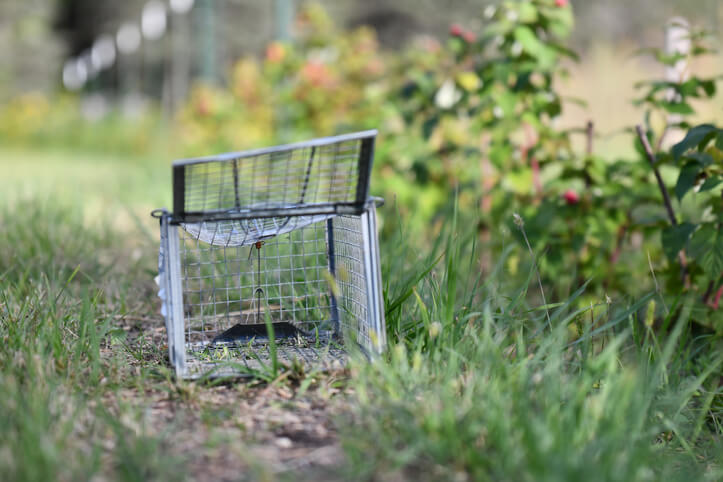
If wildlife is active inside the structure, there is strong odor, fresh droppings, or visible property damage, call to discuss the next service step.
Call an Emergency Wildlife Inspector: (877) 724-5314A complete wildlife-control plan should do more than address the first animal sighting. The service should connect inspection, humane removal, cleanup when needed, damage review, and prevention into one clear process.
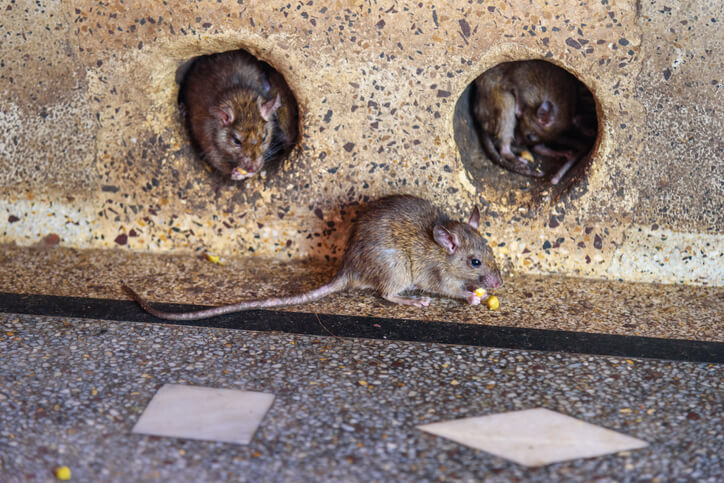
Animal problems often begin with indirect signs. A professional inspection becomes more important when the activity moves inside the structure or begins causing contamination, odor, or visible damage.
These signs can involve different species, so sound or odor alone should not be treated as a certain identification. Inspection helps define the actual problem and the next service step.
If wildlife is active in the attic, walls, crawlspace, or roofline, call to discuss humane trapping and inspection.
Call an Attic Animal Trapper: (877) 724-5314The service should move in a clear order so the active animal, property condition, and repeat-entry risk are all addressed.
Locate active signs, likely nesting areas, damaged sections, and the openings wildlife may be using.
Use humane trapping, removal, or exclusion methods based on the animal, location, and property conditions.
Review contamination, odor, damaged insulation, nesting debris, and other affected materials when needed.
Identify and address structural access issues that can allow wildlife to return after removal.
Different animal problems can affect the same property in different ways. The right plan depends on where the activity is happening and what the wildlife has already affected.
Raccoon activity can involve attics, rooflines, yards, nesting areas, noise, odor, damaged vents, and repeat access through structural openings.
Rodent activity can involve scratching in walls or attics, droppings, contaminated insulation, gnaw damage, and small entry points that need to be located and addressed.
Attic wildlife may leave behind nesting material, droppings, odor, disturbed insulation, and entry-point damage that require more than trapping alone.
Call to discuss active animal intrusion, attic noise, odor, contamination, or structural access concerns.
Call Redondo Beach Wildlife Control: (877) 724-5314Getting the animal out does not always finish the job. Wildlife can leave droppings, urine contamination, nesting material, odor, damaged insulation, and affected surfaces behind.
When those conditions are present, cleanup should be considered part of the full service plan rather than an unrelated add-on.
A property can remain vulnerable after removal if the original opening stays accessible. Roofline gaps, damaged vent covers, soffit openings, crawlspace access points, and utility penetrations may all contribute to repeat wildlife entry.
Prevention work helps protect the property after the active wildlife issue has been handled.
The service needs can change depending on who manages the property and how quickly the wildlife problem affects occupants, tenants, common areas, or daily operations.
For wildlife activity in attics, garages, roofs, crawlspaces, yards, and other areas around the home.
For occupied properties that need clear coordination around animal removal, cleanup, access, and structural follow-up.
For shared structures, common areas, commercial buildings, storage zones, roofs, or exterior areas affected by wildlife activity.
Common signs include scratching or movement inside walls or attics, droppings, nesting material, odor, damaged vents or roofline areas, disturbed insulation, and animals repeatedly using the same part of the property.
Attic animal problems are one of the situations that may require professional wildlife service. Inspection helps identify what animal is involved, where it entered, whether contamination is present, and what should be done to reduce repeat access.
Cleanup may be part of the service when wildlife leaves behind droppings, urine contamination, nesting materials, odor, or damaged insulation. The exact cleanup scope depends on the affected area and how long the problem has been active.
Removing the active animal does not automatically stop another animal from using the same opening. Identifying and addressing damaged vents, roofline gaps, crawlspace access points, and other vulnerabilities can help reduce repeat entry.
Raccoon removal, rat removal, and attic animal removal are all relevant wildlife-control needs for Redondo Beach properties. Each problem requires a service plan based on the animal, access point, property damage, and contamination concerns.
Call when there is active indoor movement, strong odor, visible droppings, structural damage, or repeated wildlife entry. These signs can indicate that the problem has moved beyond a temporary outdoor sighting and should be inspected.
If you are dealing with animal intrusion, attic noise, odor, contamination, or structural access issues, call for a property-specific wildlife inspection.
Call a Redondo Beach Wildlife Inspector: (877) 724-5314