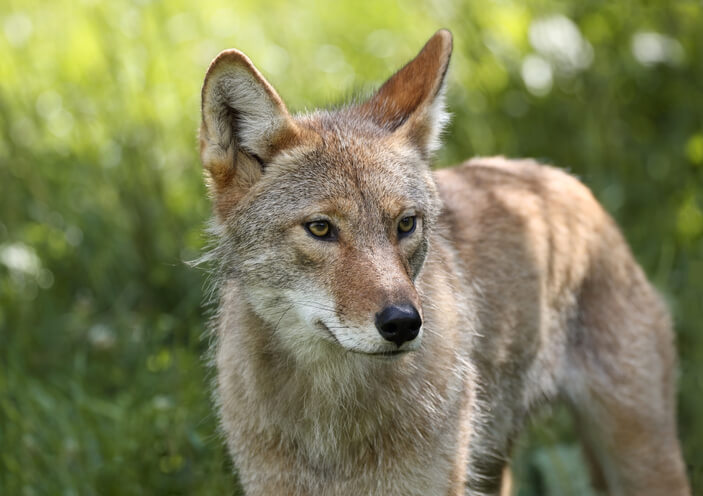
Raccoons
Attic, roofline, garage, crawlspace, and yard activity may require removal, cleanup, and exclusion.


Wildlife in or around a Riverside property can create more than noise. An animal may enter through a roofline gap, settle in an attic or crawlspace, damage insulation, leave waste behind, or return through the same opening after a temporary fix. The right response is a clear plan that identifies the animal, removes it humanely, addresses the property damage, and reduces the chance of repeat entry.
Call a Riverside Wildlife Inspector: (877) 724-5314Direct answer: Wildlife removal in Riverside should include inspection, humane trapping or exclusion, safe handling, cleanup when needed, damage repair, and prevention work. Removing the visible animal is only one part of the job.
A complete service looks for the entry route and the conditions that allowed the animal to stay, then gives the property owner a clear next step for restoring the affected area and protecting it from another intrusion.
That full-problem approach is the main difference between a short-term animal pickup and a service designed to solve the property issue. ACAT's Riverside service information connects removal with damage repair, exclusion, decontamination, odor removal, and attic or crawlspace restoration.
If you need help now, call (877) 724-5314 to request a property-specific inspection.
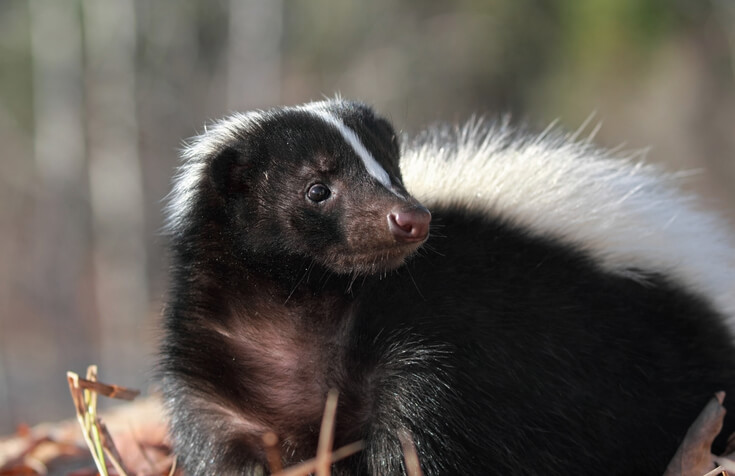
If wildlife is active inside the structure, there is strong odor, visible damage, droppings, or a safety concern, call to discuss the next inspection step.
Call an Emergency Wildlife Inspector: (877) 724-5314Early inspection can help limit the amount of damage and make it easier to understand what is happening. You do not need to identify the species with certainty before calling. Describe what you have seen, heard, or smelled, and let the technician evaluate the evidence.
These signs do not prove which animal is responsible, and an animal seen outdoors may not be the animal inside the structure. An inspection is safer than sealing an opening or setting a trap based on a guess.
The right method depends on the species, the animal's location, whether young are present, the condition of the structure, and the rules that apply to the situation.
Attic, roofline, garage, crawlspace, and yard activity may require removal, cleanup, and exclusion.
These animals may shelter beneath decks, sheds, homes, or other protected areas and may be attracted by food or trash.
Attics, vents, chimneys, eaves, and roof joints can become access points. Timing and lawful exclusion methods matter.
Rodents can move through small openings and may affect insulation, stored items, wiring, and indoor areas.
Yard, landscaping, garage, and commercial-property concerns need a plan based on distance, access, and safety.
Locating and removing the source may need to be followed by cleaning, disinfection, deodorizing, and entry-point repair.
If the situation involves a bite, scratch, an aggressive animal, a bat in a living area, or a possible animal emergency, keep people and pets away and seek appropriate professional or public-health guidance rather than attempting to handle the animal.
If an animal is active in an attic, wall, crawlspace, garage, roofline, yard, or another vulnerable area, call to discuss humane removal options.
Call a Riverside Animal Trapper: (877) 724-5314A professional wildlife visit should make the next steps understandable. The exact sequence can change by species and property, but the process usually follows five stages.
Review the affected area and likely access points around the roofline, soffits, vents, chimney, attic, crawlspace, garage, foundation, deck, and yard.
Use tracks, droppings, nesting material, damage patterns, sounds, and location to identify the likely species and whether young or multiple animals may be present.
Depending on the species and location, use live trapping, a one-way door, carefully planned eviction, or another lawful method.
Remove nesting debris, droppings, damaged insulation, odor sources, or other affected materials when the property needs it.
Repair vents, soffits, roofline gaps, crawlspace openings, chimney areas, or other weak points, and reduce attractants when needed.
The inspection should determine where the animal is active, how it entered, and whether the opening has been used before. Sealing too early can trap an animal or dependent young inside.
If the affected area is an attic or crawlspace, inspection can also reveal nesting areas, disturbed insulation, odor sources, and cleanup needs that are not visible from the ground.
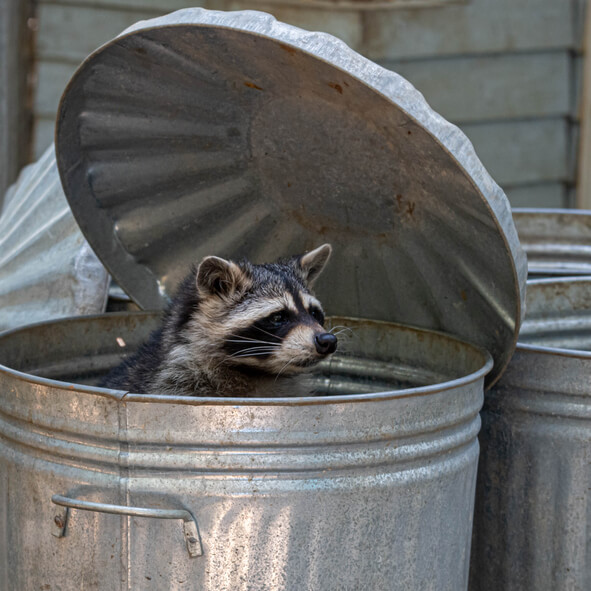
Wildlife can leave behind more than a hole in the exterior. Droppings, urine, nesting materials, damaged insulation, and persistent odors can remain after the animal has gone. Cleaning the affected area helps the property owner address the physical aftermath instead of treating removal as the end of the project.
Raccoon waste deserves particular care. The California Department of Public Health explains that raccoon roundworm eggs can spread where raccoons defecate and that accidental ingestion can cause serious illness, although human infection is rare in California.
The agency recommends protective clothing and disposable gloves when cleaning raccoon droppings and notes that eggs can persist in the environment. When contamination is present in an enclosed area, ask a qualified professional how the area should be handled.
Cleanup can also matter for comfort and property condition. Odor may remain in insulation or porous materials, and damaged insulation may no longer perform as intended. If the affected area is an attic or crawlspace, inspection can determine whether spot cleaning, material removal, sanitization, repair, or restoration is appropriate.
Wildlife exclusion is the work of closing the openings that let an animal enter while making sure no animal or dependent young remains inside. It is different from trapping because it focuses on the building and the conditions that allow repeat entry.
Good exclusion begins with inspection and ends with secure, durable repairs.
| Service step | Why it matters | Question to ask |
|---|---|---|
| Inspection | Finds active areas, entry points, and damage that may not be visible from the ground. | Which openings and affected areas were found? |
| Removal or eviction | Addresses the animal before an opening is sealed. | How will the method account for nesting or dependent young? |
| Cleanup and repair | Deals with waste, odor, insulation, wiring, and structural damage left behind. | What is included, and what needs another trade? |
| Exclusion | Reduces the chance that the same opening will be reused. | Which materials and repair points will be used? |
If the same opening is being reused, call to discuss inspection, removal, cleanup, and entry-point sealing.
Call a Riverside Exclusion Inspector: (877) 724-5314When comparing providers, look beyond a promise to remove an animal quickly. A service that can explain the entire scope gives you a better basis for deciding what your property needs.
There is no responsible one-price answer for every wildlife job. Cost depends on the actual scope, not just the species name. An animal in an accessible yard is different from a family nesting in an attic with contaminated insulation and a damaged roof vent.
Different animals require different handling, equipment, monitoring, and timelines.
Attics, walls, crawlspaces, rooflines, and tight areas can require more inspection and labor than an open yard.
A removal plan may need additional care when an adult and young are present.
Torn vents, soffits, roofing materials, screens, wiring, or insulation can expand the project.
Droppings, urine, nesting material, carcasses, and contaminated insulation may require additional restoration work.
Some cases need monitoring, return visits, or additional exclusion after activity has been confirmed.
For an accurate scope, call (877) 724-5314 with your Riverside location, property type, what you have observed, and where the activity is occurring.
Small, safe steps can help protect people and pets while preserving useful information for the inspection.
The California Department of Fish and Wildlife's raccoon guidance notes that trash and food access can contribute to human-wildlife conflict.
It can, but the exact cleanup scope should be confirmed before work begins. A complete wildlife plan may include removal of nesting debris, droppings, damaged insulation, odor sources, or other affected materials, followed by sanitization or restoration when appropriate.
Wildlife services commonly address animals in attics, crawlspaces, garages, rooflines, and other sheltered areas. The technician should inspect the access route and the interior space before recommending a method.
Humane removal means choosing a method that is appropriate for the species and situation while avoiding unnecessary injury. The correct plan can involve live trapping, a one-way door, or another lawful approach.
Availability depends on the schedule, the nature of the issue, the property location, and whether the situation requires urgent coordination. A specific arrival time should be confirmed directly when you call.
Some wildlife providers include exclusion and damage repair, while others remove the animal and refer repairs elsewhere. Ask which repairs are included in the proposed scope and which require another contractor.
The price depends on the animal, number of animals, location, access, nesting, damage, cleanup, repairs, and follow-up. A property-specific inspection is more useful than a generic online range because the same species can create very different jobs.
DIY removal can expose people and pets to bites, scratches, contaminated waste, falls, or an incomplete solution. It can also create a nesting problem if an opening is sealed too soon. Keep your distance, document what you can safely observe, and contact a qualified wildlife professional when an animal is inside a structure or the situation involves a health or safety concern.
If you are hearing movement in the attic, finding droppings or nesting material, seeing damage near the roofline, or dealing with wildlife around your Riverside property, do not rely on a temporary fix that leaves the entry point open.
Call for Wildlife Removal in Riverside: (877) 724-5314A complete plan starts with inspection and continues through humane removal, cleanup, repair, and exclusion when the property needs it. Exclusion repairs help close the route wildlife used to enter and reduce the chance that the same opening is reused.