

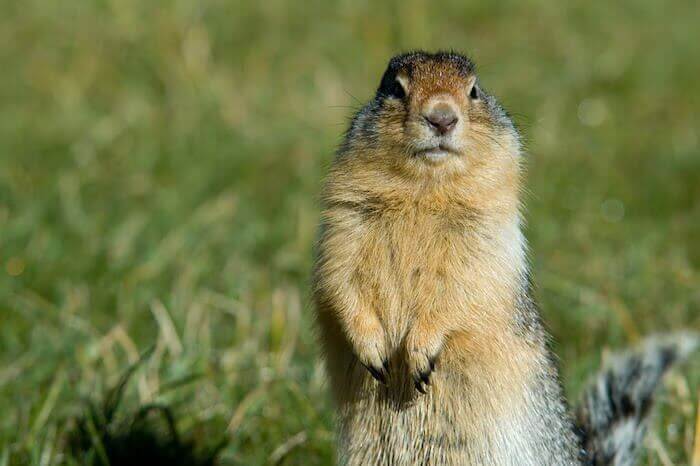
Fresh, fan shaped soil mounds appearing across a lawn are often the first clue that a pocket gopher is active below the surface. Because most of a gopher’s life is spent underground, homeowners may notice the damage before they ever see the animal. Roots disappear, plants wilt, irrigation lines can be damaged, and new mounds can make an otherwise maintained yard look torn up.
For Riverside homeowners, early action matters. Humane gopher removal in Riverside starts with identifying active burrows, understanding where the animal is feeding, choosing a targeted removal strategy, and protecting vulnerable landscaping from future activity.
All City Animal Trapping provides professional wildlife services throughout Riverside County. If you are seeing fresh mounds or unexplained plant damage, a property inspection can help determine whether gophers are responsible and what approach makes sense for your yard.
The most effective starting point is to confirm that the animal is a pocket gopher and locate fresh, active tunnel systems. Early, targeted action helps protect plants, lawns, and irrigation while avoiding unnecessary treatment of inactive areas.
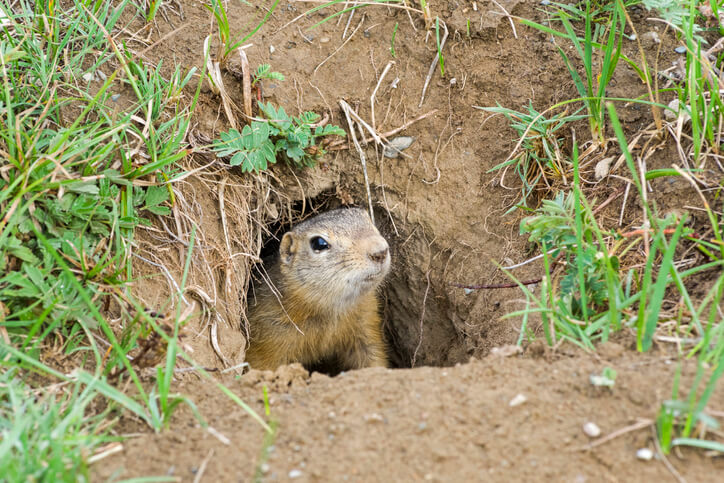
How to Tell If You Have Gophers in Your Riverside Yard
Pocket gophers are burrowing rodents that spend most of their time below ground. Their most recognizable sign is a mound of loose soil. UC Integrated Pest Management describes typical gopher mounds as fan shaped or semicircular, usually with a plugged opening positioned toward one side.
Other signs can include plants that suddenly wilt or disappear, exposed or damaged roots, uneven or soft soil, recurring mounds in the same portion of a lawn, and unexplained problems with flexible irrigation lines.
Do not assume every mound is caused by a gopher. Mole mounds tend to look different, and ground squirrels typically leave visible open burrow entrances. Correct identification matters because an approach designed for one animal may not solve a problem caused by another.
Why Gophers Can Cause Expensive Landscape Damage
Root and Plant Damage
Gophers feed on roots and other plant material. Gardens, ornamental landscaping, shrubs, young trees, and turf can all be affected. A plant that appears healthy above ground may decline quickly after enough of its root system has been damaged.
Lawn and Soil Disruption
Fresh soil pushed to the surface can create bare patches and uneven areas. Repeated burrowing may interfere with mowing and normal use of a yard. On slopes or areas where irrigation water follows tunnels, soil movement can also contribute to erosion concerns.
Irrigation Damage
UC IPM notes that pocket gophers can gnaw flexible plastic water lines. Their tunnels can also redirect irrigation water. In a landscaped Riverside property, that can mean wasted water, dry sections of planting, saturated areas, or an irrigation problem that is difficult to diagnose from the surface.
Why Early Gopher Detection Matters
A common mistake is waiting until the yard contains many mounds. Fresh mounds are useful because they help identify recent activity. UC IPM recommends taking action when signs appear rather than waiting for visible landscape damage to become severe.
Early inspection can also help distinguish an active burrow from old tunnels. This matters because abandoned tunnel systems and old mounds do not necessarily mean a gopher is currently present in that exact location.
What Humane Gopher Removal in Riverside Should Include
1. Property Inspection
The first step is to inspect fresh mounds, landscaped areas, garden beds, irrigation zones, and other signs of underground activity. The objective is to confirm the animal and estimate where active tunnels are located.
2. Targeted Removal Strategy
Once active areas are identified, the technician can choose an appropriate removal method based on the site. This is more precise than scattering products throughout the yard or repeatedly treating inactive areas.
3. Protection of Sensitive Areas
Vegetable beds, ornamental gardens, newly planted trees, and other high value landscaping may benefit from physical protection. UC IPM notes that underground wire barriers and baskets can help protect selected planting areas when installed correctly.
4. Monitoring for New Activity
Existing mounds can be flattened or cleared so new soil movement is easier to recognize. Monitoring after service helps determine whether activity remains or a new gopher has entered the property.
5. Long Term Landscape Planning
There is no realistic way to make every outdoor property permanently inaccessible to a burrowing animal. However, protecting vulnerable planting areas and responding quickly to fresh mounds can reduce the chance that a small problem becomes extensive.
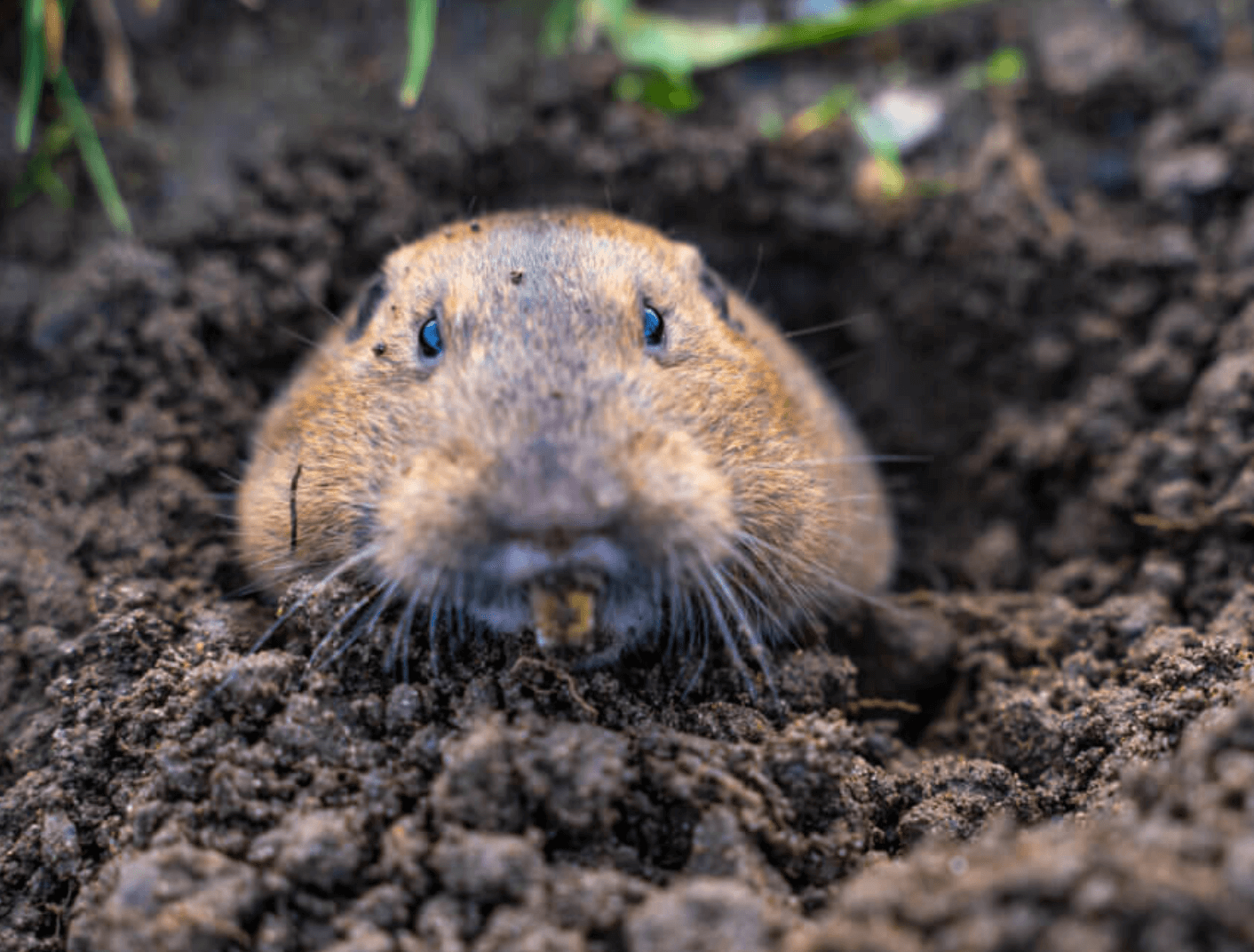
Humane Focus Does Not Mean Ignoring the Problem
Homeowners sometimes assume the only alternatives are harsh chemicals or simply tolerating damage. A better approach is to make the response as targeted as possible.
This means correctly identifying the animal, focusing on active burrows, considering physical barriers where practical, avoiding unnecessary broad application of chemicals, and choosing professional help when the problem is persistent or difficult to locate.
It is also important to be accurate about what works. Products marketed as natural or ultrasonic gopher repellents are common, but UC IPM reports that repellents and frightening devices have not been shown to reliably protect landscapes from pocket gophers. Spending weeks on ineffective methods can give an active gopher more time to damage roots and irrigation.
Gopher Prevention for Riverside Homes
- Protect raised beds. When building a raised vegetable or flower bed, installing suitable wire mesh beneath the soil can help block access from below. This is easiest to do during construction rather than after plants are established.
- Protect young or valuable plants. Wire baskets may help protect the root zones of selected shrubs, trees, and ornamental plants. The material and size should allow room for root development.
- Watch for fresh mounds. Regularly walk the property and look for newly disturbed soil. Fresh activity is much more useful than an old mound when deciding where to investigate.
- Pay attention to irrigation changes. Unexpected wet spots, reduced pressure, dry planting areas, or unexplained water use can have many causes, but gopher damage to flexible lines is one possibility when burrowing signs are present nearby.
- Keep records of recurring areas. If activity repeatedly appears along a property boundary, garden edge, or open landscape area, note the location. Patterns can help a wildlife professional identify likely reinvasion routes or vulnerable zones.
What Not to Rely on for Gopher Control
Some popular DIY ideas sound convenient but have limited evidence behind them. UC IPM states that chemical repellents have not been proven effective for keeping pocket gophers out of gardens and landscapes. Vibrating stakes, ultrasonic devices, wind powered devices, chewing gum, and similar home remedies are also not considered reliable control methods.
Flooding burrows is another inconsistent strategy. It may move an animal temporarily, but normal landscape irrigation is not enough to eliminate a gopher problem. Aggressive flooding can also waste water and create unwanted soil or drainage issues.
Homeowners considering pesticides or fumigants should follow current label requirements and California regulations. Some products and applications are restricted, and improper use can endanger people, pets, or wildlife. A licensed professional is the safer choice when specialized products or techniques are being considered.
When to Call a Professional Gopher Removal Service
Professional help is worth considering when fresh mounds keep appearing, valuable landscaping is being damaged, irrigation problems occur near active burrows, the affected area is large, previous DIY attempts have failed, or you are unsure whether the animal is a gopher, mole, or ground squirrel.
A professional inspection can reduce guesswork. It also gives you an opportunity to discuss your priorities, including a preference for humane focused and low impact management.
Why Choose All City Animal Trapping for Riverside Gopher Problems
All City Animal Trapping serves Riverside County and provides gopher removal as part of its Southern California wildlife services. For a Riverside property, the benefit of working with a wildlife focused company is that the visit can begin with identification and inspection rather than assuming every yard problem has the same cause. The service can then be matched to the activity found on site.
Learn more about Gopher Removal and Exclusion, review Riverside County animal trapping services, or contact All City Animal Trapping for a quote.
Frequently Asked Questions About Humane Gopher Removal in Riverside
What are the clearest signs of a gopher in my yard?
Fresh fan shaped or semicircular soil mounds with a plugged opening near one side are a common sign. Wilting plants, root damage, uneven soil, and recurring mounds can also indicate gopher activity.
Can one gopher cause a lot of damage?
Yes. Pocket gophers are territorial and a single animal can maintain a substantial tunnel system. Even one active gopher can damage multiple plants and create numerous mounds.
Do gophers damage sprinkler or drip irrigation lines?
They can. UC IPM reports that gophers may gnaw flexible plastic water lines, while tunnels can redirect irrigation water and contribute to erosion.
Are ultrasonic gopher repellents effective?
Research summarized by UC IPM does not support ultrasonic or vibrating devices as reliable gopher control. Repellent products also have not been proven effective for protecting gardens and landscaping.
Can I prevent gophers from reaching a garden bed?
Physical barriers can help. Suitable underground mesh beneath raised beds or around selected plantings can reduce access, although no outdoor barrier should be treated as an absolute guarantee.
When should I call for professional gopher removal?
Call when you see continuing fresh mounds, valuable plants are being damaged, irrigation problems appear near burrows, the activity covers a large area, or previous attempts have not solved the problem.
Does All City Animal Trapping serve Riverside?
Yes. All City Animal Trapping lists Riverside among the communities served within Riverside County and offers dedicated gopher removal services.
Protect Your Riverside Property Before the Damage Spreads
Fresh gopher activity is easier to address before roots, lawns, gardens, and irrigation systems suffer extensive damage. If new mounds are appearing on your Riverside property, start with correct identification and a targeted plan instead of relying on unproven repellents or random treatments.
For professional humane gopher removal in Riverside, call All City Animal Trapping at (877) 724 5314 or request a quote online.