

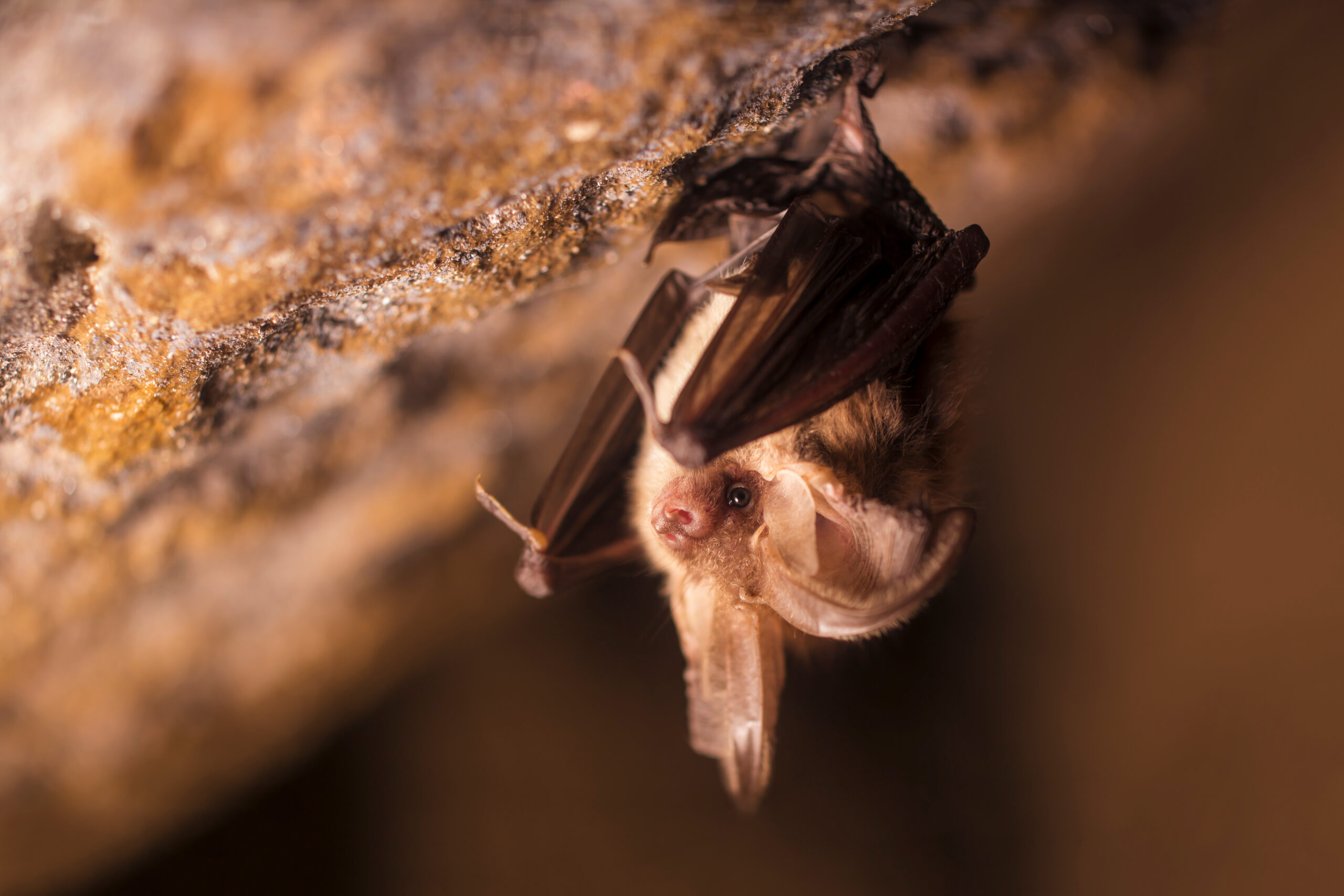
A bat flying through a living room or resting on a bedroom curtain can be unsettling. Many indoor bats are trying to find a way out rather than approaching people. Even so, a bat inside an occupied home deserves careful attention because contact can create a question about rabies exposure. The first decision is not how quickly to seal a hole. It is whether anyone, including a sleeping person or a pet, may have had contact with the bat.
If you find a bat in the house, avoid touching it, separate people and pets from the area, and contact a healthcare professional or local public health authority promptly if a bite, scratch or possible direct contact occurred. Do not release a bat when exposure may have occurred until you have received guidance about whether testing is needed. Once the immediate safety question is addressed, inspect the building for the route the bat used.
At All City Animal Trapping, we approach these calls as two related but separate issues: the animal and the building. Wildlife removal and exclusion may address access to the home, but medical decisions belong to qualified healthcare and public health professionals.
What should you do immediately when a bat is inside?
Keep your distance and do not attempt to catch a bat with bare hands. Move children and pets away, and avoid chasing or striking the animal. If it is safe to do so, close doors to other rooms to limit its movement while you seek guidance. Do not put yourself at risk trying to control its flight.
Think about who was in the room before the bat was noticed. Did anyone touch it? Was a person sleeping, a young child unattended, or someone present who may be unable to describe contact reliably? These details matter because a bite may be difficult to recognize. Public health guidance should determine whether the bat should be captured for testing.
If you are confident there was no possible contact, ask a qualified wildlife professional or local authority about appropriate removal. The approach to a bat with a possible exposure concern is different from an animal that entered an empty room.
Does finding a bat mean someone has rabies exposure?
No. Seeing a bat or being in the same building does not automatically mean rabies exposure occurred. The concern is whether potentially infectious saliva or nervous tissue could have entered through a bite, scratch, mucous membrane or broken skin.
Because bat bites can be small, direct contact may require assessment even when no obvious puncture is visible. A bat discovered in a room with a sleeping person or someone unable to reliably report contact also warrants prompt consultation with public health or a clinician. The appropriate decision depends on the facts, not on a blanket assumption that every sighting is an exposure.
If a dog or cat may have interacted with the bat, contact a veterinarian promptly. Pet vaccination status and the details of the encounter influence the next steps. Wildlife technicians cannot determine whether a person needs rabies postexposure prophylaxis or whether a pet needs veterinary management.
Why does prompt medical advice matter?
Rabies is a viral infection that affects the nervous system. Once clinical symptoms begin, the disease is almost always fatal. However, recommended postexposure care before symptoms develop is highly effective at preventing disease. That is why potentially meaningful bat contact should be evaluated promptly rather than waiting to see whether symptoms appear.
For people who may have been exposed, a clinician or public health authority can evaluate the situation and advise about testing the bat and rabies postexposure prophylaxis. Do not decide on your own that no treatment is needed simply because a bite mark is absent.
When exposure may have occurred, releasing the bat can eliminate the opportunity for laboratory testing. Ask local public health professionals how to proceed with safe capture or referral. Do not injure the bat in a way that prevents appropriate testing.
Why would a bat enter a house?
A single bat can enter through an open door, an unscreened window, a chimney area or a gap connecting the attic to living space. Its presence does not prove there is a colony inside the building. An isolated visitor and an established roost call for different inspection plans.
Repeated indoor sightings, sounds from the same roof cavity, droppings beneath a particular opening, or bats emerging from the same spot at dusk are more consistent with a structural access issue. Bats can use narrow gaps around roof edges, fascia, vents, flashing and siding transitions.
An inspection should consider the exterior opening and any interior passage that allows bats to move from an attic into occupied rooms. Closing only an interior door does not correct a roofline access point.
How small of a gap can a bat use?
Bats can use openings that appear too small to matter. Depending on the species and building condition, gaps around one quarter of an inch can be relevant. This is why an apparently intact roofline may still require a careful inspection of seams, vents and transitions.
However, sealing every visible crack without checking whether bats are using the structure can cause harm. The objective is to distinguish inactive building gaps from active exits and choose repairs that preserve ventilation, drainage and other essential functions.
An exterior survey may identify multiple possible routes. The fact that one bat was seen near a vent does not prove that vent is the only opening.
What is bat exclusion and how does it work?
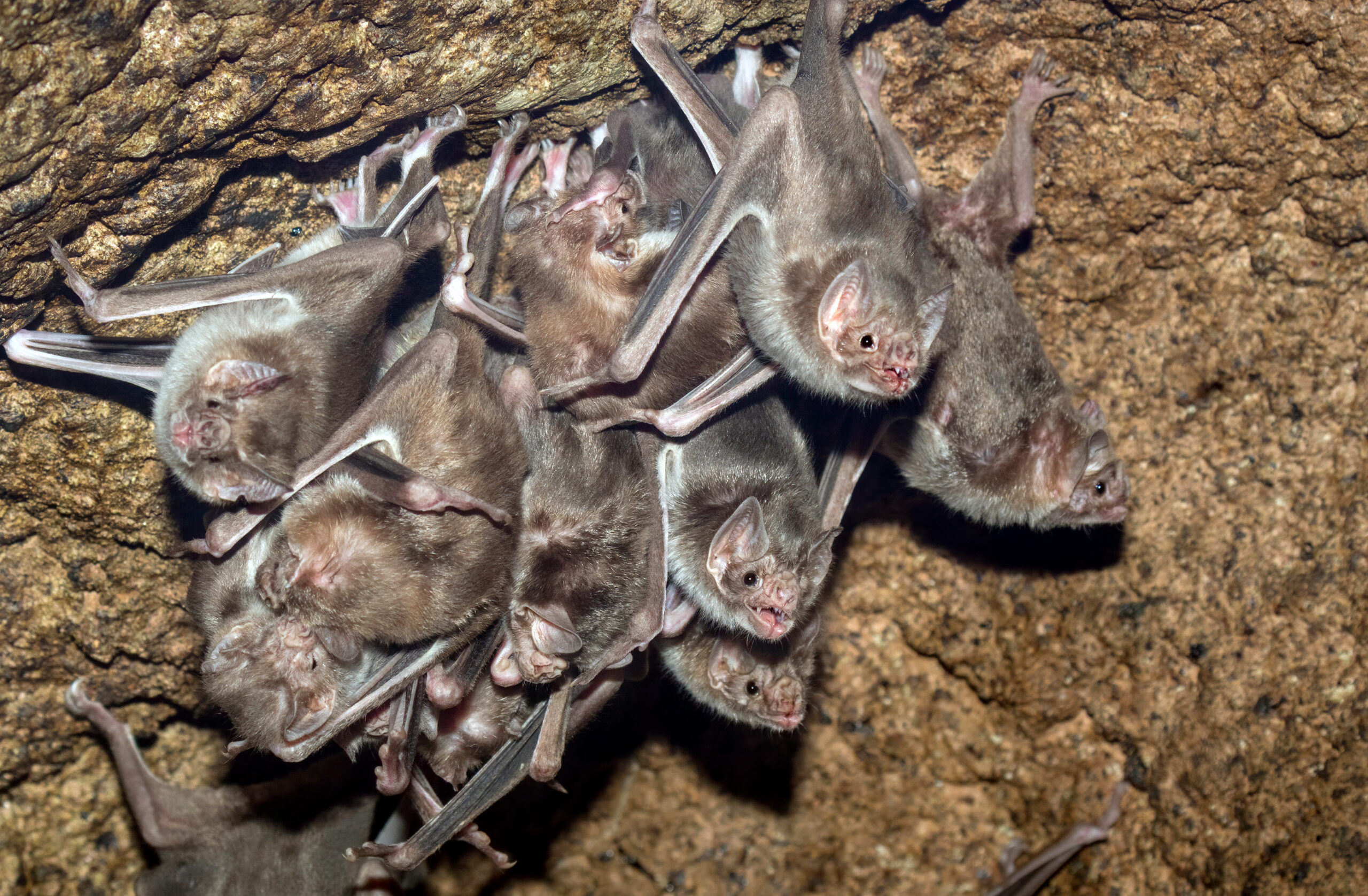
Bat exclusion is a process that allows bats to leave a structure while preventing their return through the same access routes. It is not simply catching a bat in a room. An established roost may require identifying all active openings, installing an appropriate temporary exit system, monitoring departure and completing permanent repairs only after bats are out.
Timing matters. During periods when young bats cannot fly, excluding adults may leave dependent young inside. The relevant season depends on local species and conditions, so a provider should assess biology and applicable California wildlife rules before beginning.
Effective exclusion also means using durable materials suitable for the building. Repairs should not obstruct required attic ventilation or create drainage problems. The best method depends on the species, roof configuration and whether other animals share the space.
Why should you not seal an active bat opening immediately?
Blocking an active exit can trap bats inside the attic or walls. Some may enter living areas while searching for another way out. Others may die in inaccessible spaces, creating odor and sanitation concerns.
The same concern applies to dependent young. An adult bat leaving at dusk does not establish that the roost is empty. Before final sealing, the exclusion plan should provide reasonable confidence that the animals have exited.
A homeowner may be tempted to close a gap as soon as the bat flies away. A better first step is to document the opening and seek guidance about safe timing.
What if bats are living in the attic?
A roost can leave guano, urine staining, odors and contaminated materials. The extent varies. A small amount of droppings near one opening is not equivalent to years of accumulation over a large attic area.
Inspection should establish where bats are roosting, how they enter, whether young may be present and which surfaces are affected. Bat removal and building exclusion come before final closure. Cleaning should then be scoped according to the amount and location of contamination.
An attic inspection may also reveal damaged vent screens, roofline gaps or insulation that needs attention. An accurate proposal should distinguish animal exclusion, guano cleanup, insulation work and structural repairs.
Can bat guano be hazardous?
Bat guano can present environmental health concerns, particularly when large accumulations are disturbed and airborne dust is generated. Histoplasma, a fungus associated with bird and bat droppings in some environments, can cause illness when spores are inhaled. Not every deposit contains the fungus, and risk depends on conditions and disturbance.
Large or enclosed accumulations should not be casually swept or vacuumed. The Centers for Disease Control and Prevention provides guidance on histoplasmosis prevention and situations in which professional cleanup may be warranted. People with weakened immune systems should seek appropriate medical guidance before entering heavily contaminated spaces.
Cleanup methods and protective equipment depend on the material, the environment and the work being performed. A wildlife removal estimate should not imply that every attic needs full insulation replacement; the actual condition should guide the recommendation.
How can you prevent bats from entering again?
After exclusion is complete, inspect and repair appropriate gaps at rooflines, vents, chimneys, fascia, flashing, siding transitions and utility penetrations. Screens and caps should be installed in ways that preserve necessary ventilation and building function.
Check for repeated evening emergence or renewed droppings near repaired openings. A single exterior bat flying through the yard is normal wildlife activity and does not prove the home has a roost.
Routine maintenance reduces access opportunities, but no repair guarantees that bats will never approach a building. The goal is to make the structure less accessible without harming animals or compromising the building.
When should you call for medical, veterinary or wildlife help?
Contact a healthcare professional or public health authority promptly when someone was bitten, scratched, touched a bat or may have had contact that cannot be reliably ruled out. This includes situations involving a sleeping person or someone unable to report contact clearly. A veterinarian should assess possible pet contact.
Call a wildlife removal professional when bats repeatedly enter the home, a roost is suspected, the access point is difficult to reach or the attic contains substantial droppings. Ask how species identification, young bats, exclusion timing and follow up are addressed.
The two calls serve different purposes. Medical and veterinary professionals assess exposure. Wildlife professionals address animals, building openings and appropriate cleanup or repair coordination.
A practical decision checklist
- Keep people and pets away from the bat; never handle it bare handed.
- Identify whether direct contact or uncertain contact may have occurred.
- Seek prompt medical or public health advice when exposure is possible; ask about testing before release.
- Contact a veterinarian if a pet may have interacted with the bat.
- Investigate repeated sightings or roost evidence after the immediate safety issue is addressed.
- Plan exclusion around active exits, dependent young and applicable wildlife rules.
- Repair entry points only when the animals are safely out; evaluate any guano contamination.
Key Takeaways
- A bat sighting is not automatically a rabies exposure, but possible contact requires prompt evaluation.
- Do not release a bat if testing may be needed until public health guidance is obtained.
- One indoor bat does not necessarily mean a colony is in the attic.
- Bat exclusion must consider dependent young and active exits.
- Removal, building repairs and guano cleanup are separate parts of a complete plan.
Conclusion
A bat in the house presents two different questions: could someone have been exposed, and how did the bat get inside? Handle the potential exposure question first with qualified medical, veterinary or public health guidance. Then assess the property for entry gaps, repeated activity and any established roost.
For Southern California homes with recurring bat activity, All City Animal Trapping can discuss inspection, wildlife exclusion and related building concerns. The appropriate plan depends on the species, the structure and whether bats are still present. Contact our team to request a property assessment rather than attempting to seal an active opening without checking it.
Contact All City Animal Trapping
Frequently Asked Questions About a Bat in the House
What should I do first if a bat is flying in my house?
Keep people and pets away and avoid touching the bat. If contact may have occurred, seek prompt medical or public health advice before releasing it.
Does every bat carry rabies?
No. A bat sighting alone does not mean rabies exposure, but possible direct contact deserves professional assessment.
Can a bat bite without leaving a large mark?
Yes. Bat bites can be small. Do not use the absence of a visible wound to dismiss possible contact.
What if I wake up and find a bat in my bedroom?
Contact a healthcare professional or public health authority promptly. They can assess whether exposure may have occurred and whether bat testing is needed.
Can I seal the opening after bats fly out at night?
Not automatically. Dependent young or other bats may remain inside. Exclusion timing and methods must be appropriate for the situation.
What if my cat or dog caught a bat?
Contact a veterinarian promptly and avoid bare handed contact with the bat. Veterinary guidance depends on the encounter and the pet’s vaccination status.
Who should I call if bats are living in the attic?
A qualified wildlife removal professional can assess roost activity and exclusion. Human exposure questions belong to healthcare or public health professionals.