


You finally get a good night’s sleep after dealing with scratching noises in the attic. The animal has been removed, the sounds have stopped, and everything seems back to normal.
Then, a few weeks later, you hear something moving above the ceiling again.
It is frustrating, especially when you have already spent time and money addressing the problem.
At All City Animal Trapping, we understand why homeowners want a solution that goes beyond removing the animal they can hear or see. The difficulty is that wildlife removal and wildlife prevention are two different parts of the same job.
An animal may be gone, but the opening it used, the shelter it found, or the food that attracted it could still be there.
Understanding why wildlife returns can help homeowners avoid repeated infestations and make better decisions about protecting their property.
Why Does Wildlife Keep Returning After Removal?
Wildlife may return because the conditions that attracted the animal were never fully addressed.
An attic that provides shelter remains attractive even after its previous occupant has been removed. An unsecured crawl space can become a new den for another animal. Accessible garbage, pet food, and fallen fruit may continue drawing wildlife into the yard.
Sometimes the same animal returns if it was not permanently excluded. In other situations, a different animal discovers the same opening.
That distinction matters.
Seeing wildlife again does not automatically mean the original removal failed. It may mean the property still offers an opportunity that other animals can exploit.
A complete wildlife-control strategy should address both the current animal and the reason the property became attractive.
1. The Original Entry Point Was Never Sealed
One of the most common reasons for recurring wildlife problems is an unresolved entry point.
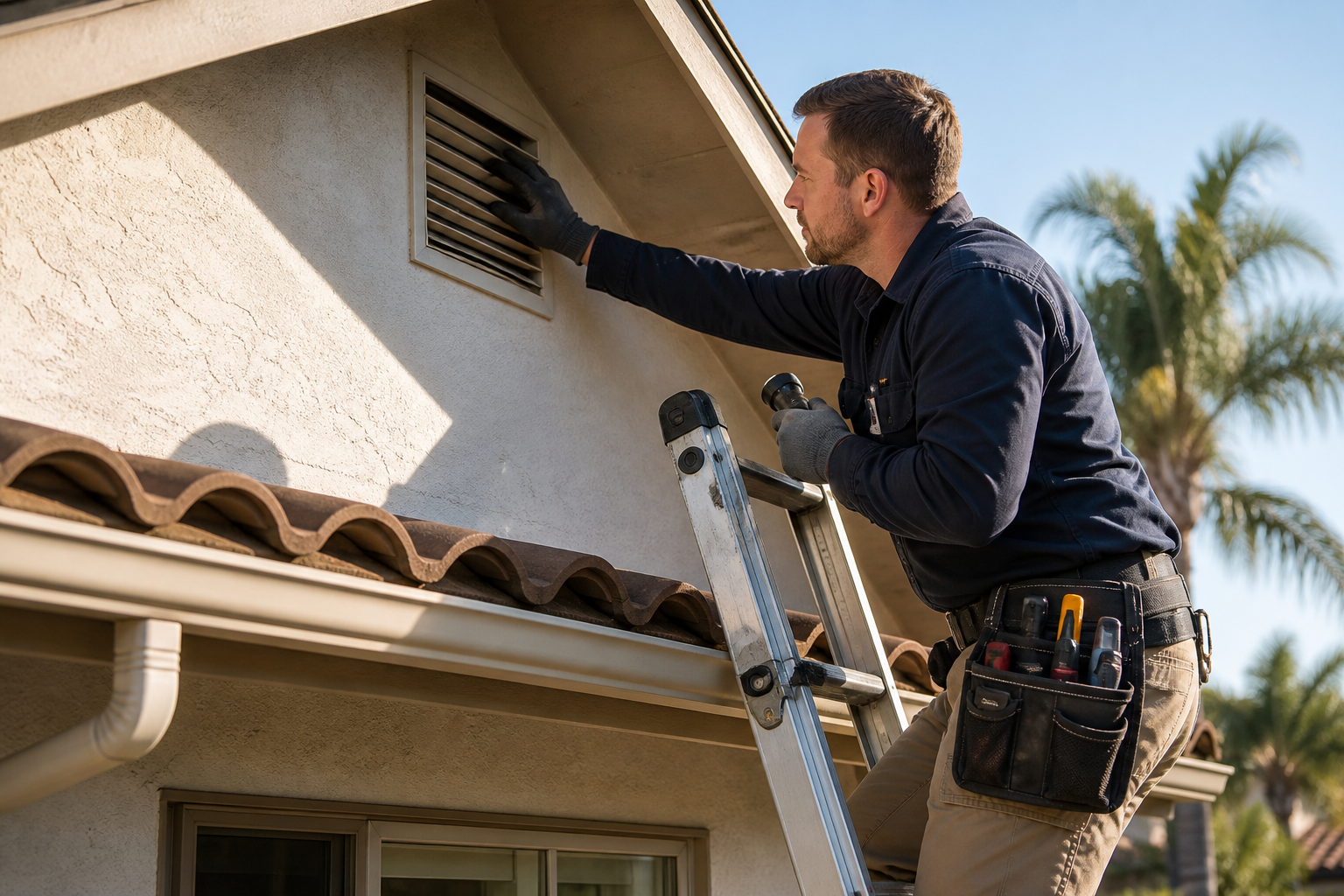
Animals can enter through roofline gaps, damaged attic vents, loose soffits, crawl space openings, or deteriorated exterior materials.
Removing an animal does not automatically repair those weaknesses.
Imagine a raccoon entering an attic through a damaged roof vent. Once the animal leaves, the attic may remain accessible through the same opening.
Another animal exploring the roof could discover that route.
The same principle applies to rodents using utility gaps, garage door openings, or foundation penetrations.
Why entry point inspection matters
An inspection should identify the actual route used by wildlife, not simply the area where the homeowner hears noise.
Sound travels through framing and concealed spaces, so an animal heard above one bedroom may have entered from a different part of the roof.
For properties experiencing repeated attic activity, professional animal in attic removal can help connect the animal’s location with the opening that allowed access.
Permanent repairs should be completed only after the active animals have been accounted for.
2. Only One Animal Was Removed
A homeowner may see one animal and assume that it is the only animal involved.
However, a structure may be occupied by multiple animals, depending on the species and circumstances.
Rodents can establish populations inside buildings. Some larger wildlife species may use protected spaces while caring for dependent young.
Removing one visible animal does not confirm that the entire area is vacant.
This is particularly important when the animal has been using the structure for an extended period.
Why monitoring is necessary
A responsible wildlife-control plan should look for continued activity after the initial removal.
Fresh tracks, droppings, nesting material, scratching sounds, or repeated movement near an opening can indicate that animals remain.
Monitoring also helps distinguish old evidence from new activity.
An attic may contain droppings from a previous infestation even when no animals are currently present.
The goal is to confirm that the active problem has ended before treating the space as clear.
3. The Property Still Provides Food
Wildlife does not always visit a property because it wants to live inside the house.
Sometimes the attraction begins outdoors.
Unsecured garbage, pet food, birdseed, fallen fruit, and other accessible food sources can encourage animals to return.
A raccoon that regularly finds food near a trash container may continue exploring the surrounding property.
Rodents attracted to stored food in a garage may eventually discover nearby gaps leading into walls or attic spaces.
Small changes can reduce repeat visits
Secure garbage containers and clean up spilled food around outdoor feeding areas.
Avoid leaving pet food outside overnight where practical.
Pick up fallen fruit and store birdseed or animal feed in suitable sealed containers.
These changes will not necessarily resolve an established infestation, but they can make the property less rewarding to wildlife after removal.
4. The Attic Still Offers Shelter
An attic can remain attractive to animals even when it contains no food.
It provides protection from weather, predators, and disturbances.
Insulation and sheltered corners may offer nesting opportunities, while roof gaps provide convenient access.
If the entry route remains open, another animal may eventually occupy the same space.
This explains why some homeowners experience repeated scratching noises despite having animals removed on separate occasions.
The attic itself has not changed.
What should happen after removal?
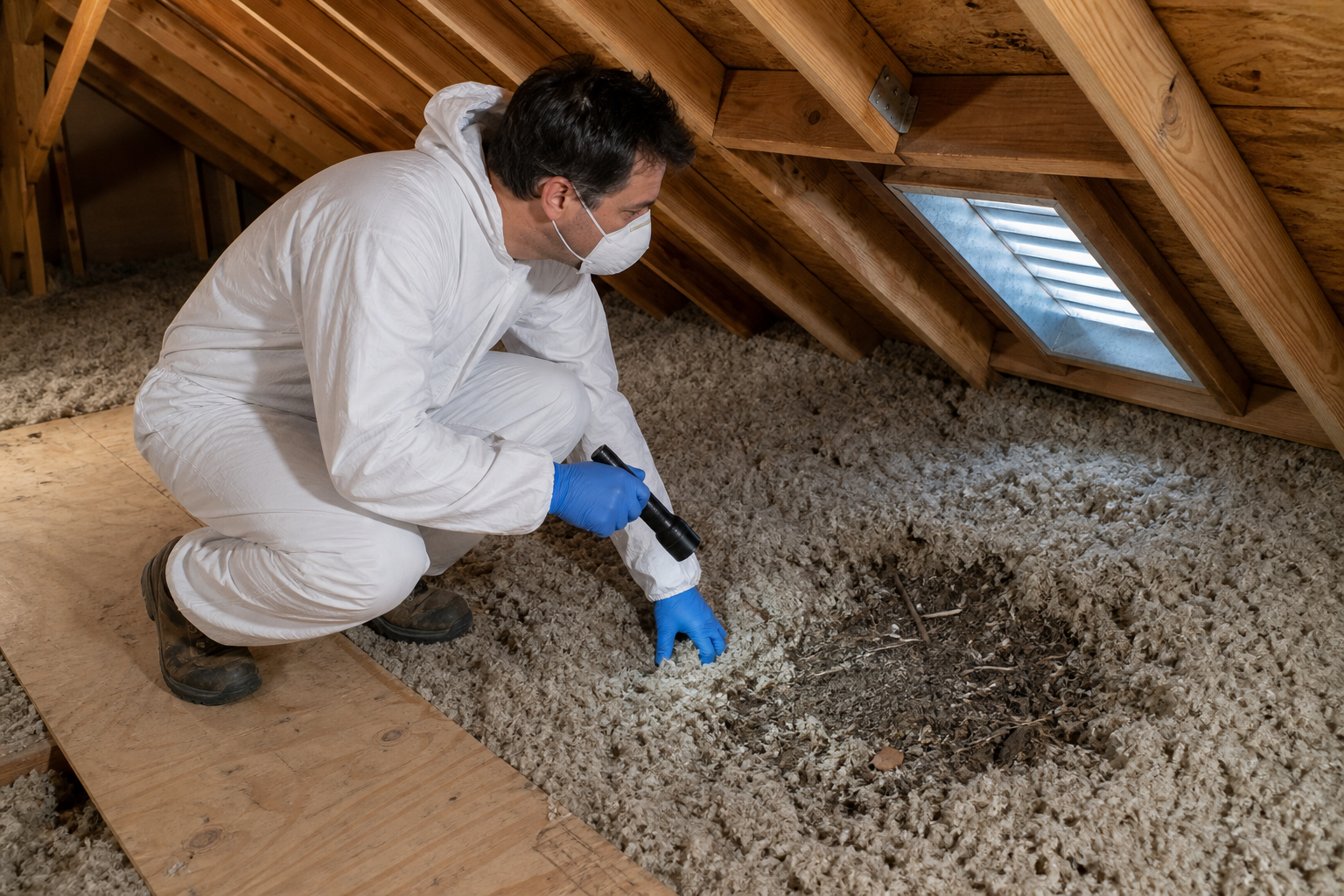
The space should be inspected for entry damage, nesting material, contamination, and affected insulation.
Not every attic needs a complete restoration.
However, when insulation is heavily contaminated or damaged, professional attic cleaning and insulation replacement may be appropriate.
The purpose is to address actual damage while making sure the building is properly secured.
5. There Are Multiple Entry Points
A property can have more than one wildlife access route.
A damaged roof vent may be the most obvious opening, but a loose soffit or utility gap elsewhere may also provide access.
If only one opening is repaired, the problem may continue.
This is particularly relevant for homes with complex rooflines, attached garages, additions, crawl spaces, or aging exterior materials.
Why a complete exterior inspection helps
The inspection should consider the entire building envelope.
Roof transitions, vents, fascia boards, foundation openings, exterior doors, and utility penetrations can all deserve attention.
A single repaired opening is useful, but it does not guarantee that other vulnerabilities have been eliminated.
A thorough inspection helps identify which areas are active and which require preventive maintenance.
6. Repairs Were Temporary or Unsuitable
Not every repair material is appropriate for wildlife exclusion.
An opening covered with a weak material may become accessible again if an animal can dislodge or damage it.
A temporary patch may also fail because it was not secured properly or did not address the underlying deterioration.
For example, repairing a damaged vent screen without correcting the loose frame around it may leave the same weakness in place.
Durable exclusion is different from a quick patch
Effective exclusion should account for the size of the opening, the animal involved, the construction material, and the function of the building component.
Vents still need to provide ventilation.
Roof flashing must continue managing water.
Utility penetrations may require suitable sealing materials and appropriate clearances.
Professional attic repair and entry point sealing can help address these building-specific conditions once wildlife is no longer occupying the space.
7. Animals Are Living Beneath the Home
Not all recurring wildlife activity originates in an attic.
Animals may shelter beneath decks, porches, sheds, or crawl spaces.
These areas can provide cover and protection, especially when access remains open.
A homeowner might remove an animal from beneath a deck but leave the opening unchanged.
Another animal may later discover the same sheltered area.
Why closing a den requires care
An active den should not simply be blocked without confirming that animals have left.
Dependent young may be present, and trapping an animal inside can create additional problems.
A careful approach identifies the species, evaluates occupancy, and completes exclusion at the appropriate stage.
8. Landscaping Creates Easy Access Routes
Landscaping contributes to the way wildlife moves around a property.
Overhanging branches, fences, walls, and connected structures may provide access to elevated areas.
Dense vegetation and accumulated materials can also create shelter close to a building.
An animal may use the same route repeatedly because it offers protection while moving between food, water, and shelter.
Landscaping changes that may help
Trim vegetation where appropriate and safe.
Reduce unnecessary clutter beside exterior walls.
Keep storage areas organized and inspect spaces beneath outdoor structures.
These changes support wildlife prevention, but they do not replace structural exclusion.
An animal that can reach the roof still needs an opening to enter the attic. Both parts of that pathway deserve attention.
9. The Original Animal Was Misidentified
Scratching noises alone do not reliably identify wildlife.
A homeowner may assume that nighttime movement means rats, while the actual activity involves another species.
Likewise, noises heard during daylight do not automatically identify squirrels or birds.
Different animals use different routes, behave differently, and may require different management methods.
An incorrect identification can lead to unsuitable equipment or repairs.
What a professional should examine
Useful evidence can include tracks, droppings, gnawing, nesting material, entry damage, camera observations, and patterns of activity.
The strongest identification usually comes from several consistent clues rather than one sound.
Understanding the species helps determine whether trapping, exclusion, deterrence, or another response is appropriate.
10. The Removal Plan Did Not Include Follow-Up
Wildlife activity can be intermittent.
A quiet night after removal does not always prove that the problem is finished.
Monitoring helps establish whether fresh evidence continues and whether the original access route remains active.
For rodents, the Centers for Disease Control and Prevention recommends continuing trapping until there are no captures and no new signs of activity.
The CDC also provides guidance on sealing rodent entry points to help homeowners understand why structural prevention matters.
Follow-up is valuable because it allows the plan to respond to actual evidence rather than assumptions.
11. The Home Was Cleaned but Not Wildlife-Proofed
Cleaning and exclusion solve different problems.
Cleaning addresses contamination, nesting material, and other affected materials.
Exclusion addresses the openings that animals use to enter.
A clean attic with an unrepaired roof opening can still be vulnerable to wildlife.
Likewise, a sealed attic may still contain contamination that needs attention.
The best order depends on the situation, but active occupancy should be resolved before permanent exclusion and restoration work are completed.
12. The Animal Was Removed but Outdoor Attractants Remained
Sometimes wildlife removal successfully resolves the original attic or crawl space problem, yet animals continue visiting the yard.
That may be because outdoor conditions remain attractive.
Accessible water, food, shelter, and protected travel routes can encourage repeated visits.
This does not always mean another trapping service is necessary.
For animals that are merely passing through, reducing attractants and improving property maintenance may be the more appropriate response.
The key is distinguishing normal outdoor wildlife activity from an established conflict involving the structure.
How to Stop Wildlife From Returning After Removal
Breaking the cycle requires addressing the property conditions that contributed to the original problem.
A practical process begins with identifying the animal and confirming where it is active.
Next, the removal or exclusion method should fit the species and circumstances.
Once the area is clear, the relevant openings can be repaired using appropriate materials.
The property should also be checked for food sources, shelter opportunities, and conditions that encourage repeated visits.
Finally, follow-up monitoring helps confirm whether new signs are appearing.
For homeowners dealing with recurring rodent activity, rodent proofing in Los Angeles can provide additional context about sealing small gaps and reducing future entry opportunities.
The objective is not to make a property completely inaccessible to every wild animal. It is to correct the vulnerabilities that allow wildlife to occupy spaces where it does not belong.
What If Wildlife Returns After Professional Removal?
If activity returns, begin by documenting what has changed.
Are the sounds coming from the same location?
Are fresh droppings appearing?
Is there new damage around the original opening?
Does the animal seem to be using a different route?
These details can help determine whether the original problem continued or a new animal has entered.
Avoid sealing openings or disturbing suspected nesting areas until the current situation has been evaluated.
A new inspection should focus on fresh evidence rather than assuming that the same species and entry point are involved.
Why Long-Term Wildlife Prevention Matters
Recurring wildlife problems can affect more than comfort.
Animals may contaminate insulation, damage building materials, disturb stored items, or create unpleasant odors.
Repeated removal services can also become frustrating when the underlying cause remains unresolved.
A prevention-focused approach helps homeowners understand the property instead of reacting to each new sound as an unrelated emergency.
The value of wildlife control is not measured only by how quickly an animal is removed.
It is also reflected in how thoroughly the access route, attractants, and prevention needs are addressed.
Get Help With Recurring Wildlife Problems in California
If animals keep returning to your attic, crawl space, garage, or another part of your property, the next step should be a closer look at why the activity continues.
At All City Animal Trapping, we focus on understanding the wildlife problem and identifying the conditions that allow animals to use a property.
Whether the issue involves an overlooked opening, repeated attic activity, or damage that needs attention after removal, a property-specific inspection can help clarify the next step.
Contact All City Animal Trapping to discuss recurring wildlife activity and request an inspection.
Frequently Asked Questions
1. Why do animals return after wildlife removal?
Animals may return because entry points, accessible food, shelter, or other attractive conditions remain. Sometimes a different animal uses the same opening after the original occupant is gone.
2. Does trapping prevent wildlife from coming back?
Trapping addresses animals already present. Exclusion repairs and attractant reduction help reduce the risk of future entry.
3. Should every wildlife entry point be sealed immediately?
No. Confirm that animals are no longer using the opening before permanently sealing it. Closing an occupied route can trap animals inside.
4. Can another animal enter through the same opening?
Yes. An unrepaired vent, roof gap, crawl space opening, or utility penetration can remain available to other animals.
5. Why do I still hear noises after an animal was removed?
Possible explanations include additional animals, a different species, continued use of another entry point, or sounds unrelated to wildlife. Fresh evidence and inspection can help determine the cause.
6. Is attic cleaning enough to prevent another infestation?
No. Cleaning addresses contamination and damaged materials. Structural exclusion and attractant reduction are separate prevention measures.