

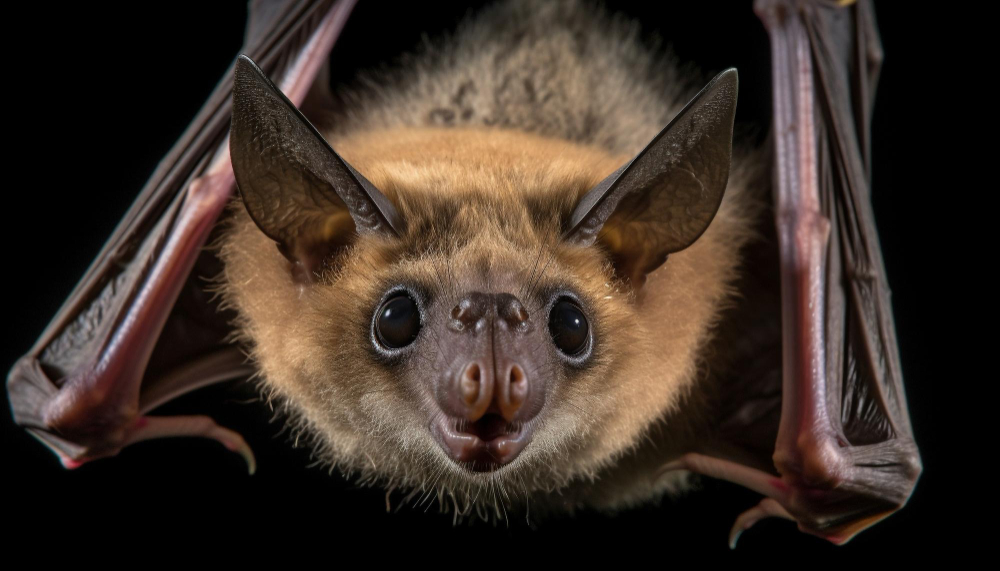
The scratching has stopped. The animal is gone. Your attic or crawl space is finally quiet again.
But is the problem completely resolved?
Many homeowners assume that once wildlife has been removed, the job is finished. In reality, animals can leave behind damaged vents, torn insulation, droppings, nesting material, and openings that make it easy for another animal to enter.
Some damage is immediately visible. Other problems remain hidden until someone inspects the affected space.
At All City Animal Trapping, we believe homeowners should understand what happens after wildlife removal and which repairs deserve attention first.
The goal is not to recommend unnecessary restoration work. It is to identify actual damage, address safety concerns, and reduce the chance of another wildlife problem.
Here is how to prioritize repairs after animals have been removed from your home.
Why Wildlife Damage Should Be Inspected After Removal
Wildlife can affect different parts of a building depending on the species, where it entered, and how long it occupied the space.
Rats may gnaw on materials or contaminate insulation. Raccoons may disturb roof components or leave waste in an attic. Other animals may damage protective screens, use existing openings, or establish nesting areas beneath structures.
However, not every wildlife incident causes extensive damage.
An animal that briefly entered a garage may leave little behind. A long-standing attic infestation can create a much larger cleanup project.
That is why a post-removal inspection matters.
It helps separate urgent repairs from routine maintenance and determines which materials genuinely need attention.
1. Start by Confirming the Animals Are Gone
Before beginning permanent repairs, confirm that the affected area is no longer occupied.
This is particularly important when wildlife has been using an attic, crawl space, wall cavity, or another concealed area.
A homeowner may hear no activity for a day or two and assume the space is empty.
However, some animals move intermittently, and additional animals or dependent young may remain.
What should be checked?
A follow-up inspection may look for fresh droppings, tracks, nesting activity, sounds, or signs that an entry point is still being used.
The findings should determine whether active wildlife control is complete.
For homeowners who originally discovered animals overhead, professional animal in attic removal can help establish whether the attic problem has been resolved before restoration begins.
Permanent sealing should not trap animals inside the structure.
2. Repair the Openings That Allowed Wildlife Inside
Once the area is confirmed clear, repairing active entry points is one of the most important priorities.
Animals may have entered through damaged vents, loose soffits, roofline gaps, utility penetrations, or deteriorated exterior materials.
If those openings remain accessible, another animal may discover the same shelter.
Removing the original occupant does not change the condition of the building.
Common entry point repairs
Depending on the property, repairs may involve replacing damaged protective screens, securing loose materials, correcting gaps around utility lines, or repairing affected roof components.
The materials should suit the opening and preserve necessary ventilation, drainage, and other building functions.
A temporary patch that fails after a short period may leave the property vulnerable again.
Professional attic cleaning and repair can help address damaged attic components and access points after the active wildlife issue is resolved.
3. Check Roof Vents, Soffits, and Fascia Boards
Roof components deserve close attention because many wildlife problems begin near the roofline.
Animals may investigate weakened vent screens, gaps beneath roof edges, loose soffit panels, or deteriorating fascia boards.
Some damage is caused by animals. Other openings develop through weathering, age, or ordinary material deterioration.
Regardless of the original cause, an accessible opening can become a recurring wildlife problem.
Why roof repairs should be handled carefully
Roof vents and soffit vents often serve important ventilation functions.
Covering them completely can interfere with the building’s intended airflow.
Likewise, repairs near flashing and roofing materials must preserve proper water management.
A wildlife exclusion repair should address the opening without creating a moisture or ventilation problem.
Where roofing damage extends beyond a basic exclusion repair, a qualified roofing professional may also be needed.
4. Inspect for Damaged Electrical Wiring
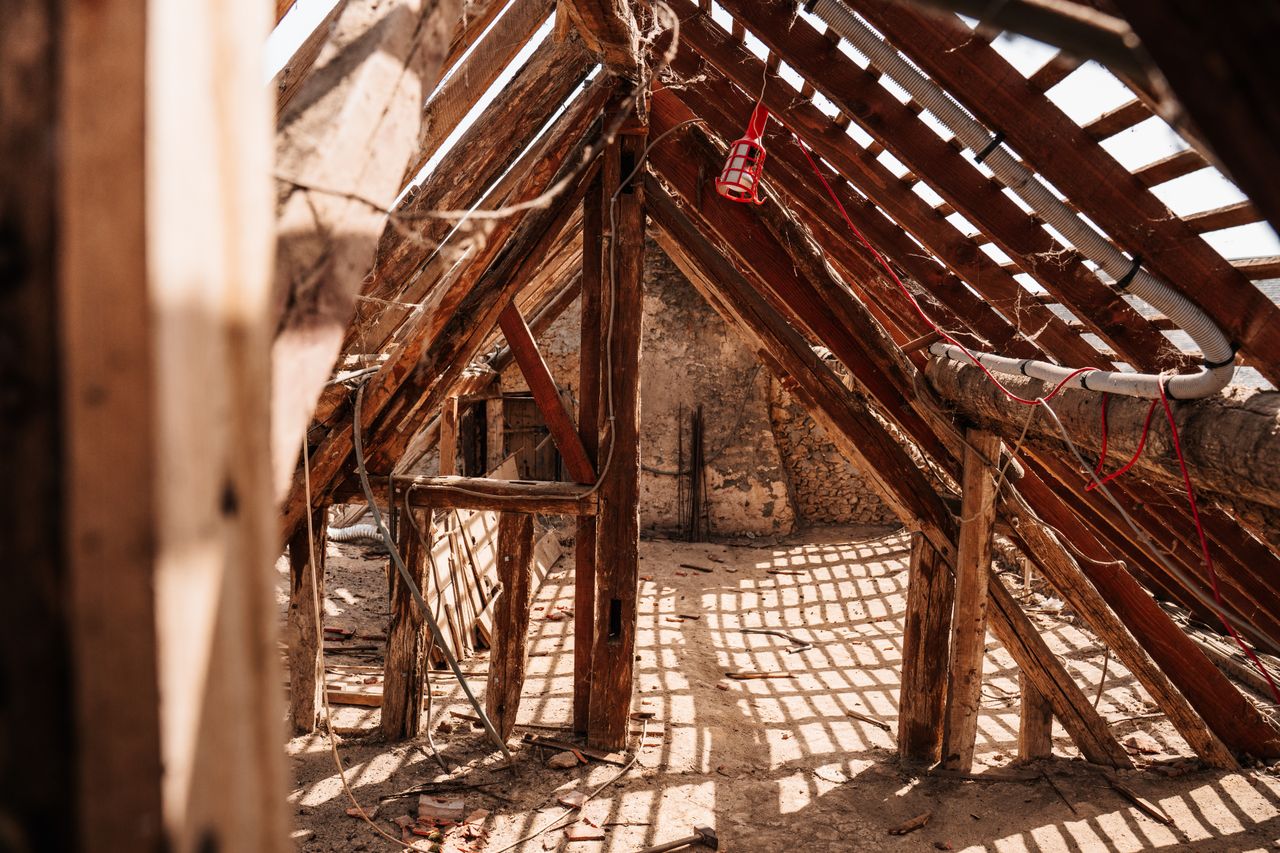
Rodents can gnaw on materials inside attics, crawl spaces, and wall cavities.
This may include insulation surrounding electrical wiring.
Damaged electrical components can create safety concerns, especially when conductors are exposed or protective materials have been compromised.
However, homeowners should not assume that every damaged wire was caused by wildlife.
An inspection should identify the condition and determine what type of repair is required.
What should homeowners do?
Do not touch exposed wiring or attempt to repair electrical components without appropriate qualifications.
If damage is suspected, arrange an assessment by a licensed electrician.
Wildlife removal professionals can identify visible signs that warrant further attention, but electrical repairs should be performed by the appropriate trade.
Safety-related repairs deserve priority over cosmetic restoration.
5. Look for Plumbing and Duct Damage
Animals may also disturb materials around plumbing and HVAC systems.
In an attic, damaged duct coverings or displaced flexible ducts can affect the condition of the ventilation system.
In crawl spaces, rodents may gnaw on accessible materials near plumbing lines.
The extent of damage varies.
Some situations involve minor disturbance. Others require a plumbing or HVAC professional to assess affected components.
Why this matters before cleanup
If a plumbing leak or moisture problem remains active, installing new insulation or closing the affected area may conceal the issue rather than resolve it.
Likewise, damaged ductwork should be evaluated before surrounding materials are restored.
Addressing these conditions first can prevent newly installed materials from being exposed to the same underlying problem.
6. Evaluate Attic Insulation for Contamination
Insulation is one of the materials homeowners most often ask about after wildlife removal.
Animals may move through insulation, compress it, disturb its placement, or use it as nesting material.
Rodents and other wildlife may also leave droppings and urine in affected areas.
However, the presence of wildlife does not automatically mean every section of attic insulation must be removed.
When replacement may be appropriate
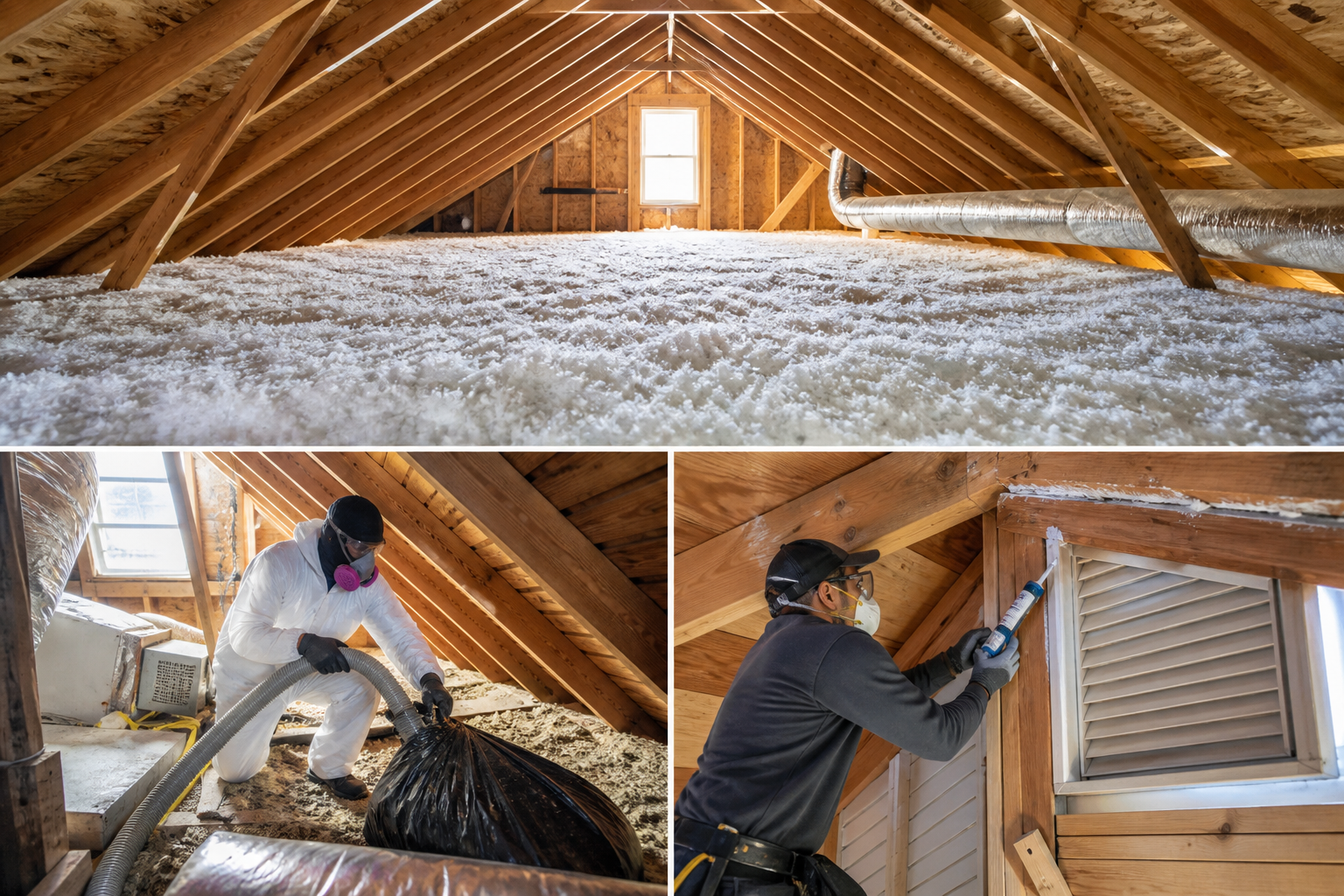
Insulation that is heavily contaminated, physically damaged, wet, or otherwise unsuitable may require removal and replacement.
The decision should be based on an inspection of the affected area.
For homeowners dealing with significant attic damage, professional attic cleaning and insulation replacement can help address materials that need restoration after wildlife activity.
The goal is to restore the attic appropriately without replacing materials unnecessarily.
7. Handle Rodent Droppings and Nesting Material Safely
Rodent waste requires particular care because improper cleanup can create health risks.
The Centers for Disease Control and Prevention advises against sweeping or vacuuming dry rodent droppings, urine, or nesting material.
Disturbing contaminated material can release particles into the air.
Instead, the CDC recommends following specific disinfection and cleanup precautions.
Why ordinary household cleaning may not be suitable
A small amount of waste on an accessible hard surface is different from widespread contamination in attic insulation or concealed spaces.
The amount of waste, accessibility, ventilation, and potential exposure all affect the cleanup approach.
Homeowners should consult the CDC guidance on cleaning up after rodents before attempting cleanup.
Heavy contamination or difficult-to-access areas may require professional assistance.
8. Address Odors After the Source Is Identified
An unpleasant smell can remain after animals have been removed.
Possible sources include urine, droppings, nesting material, moisture, or a deceased animal.
However, odors can also originate from plumbing problems, mold, or other building conditions.
The first step is identifying the source.
Applying fragrances or odor treatments without removing the underlying material may provide only temporary relief.
Why odor control should follow inspection
If contaminated material remains inside insulation or a concealed cavity, treating the air alone may not resolve the problem.
The affected material may need cleaning or removal.
A proper assessment helps determine whether the odor is connected to wildlife activity or another issue that requires attention.
9. Check Crawl Spaces and Foundation Openings
Wildlife damage is not limited to attics.
Animals may shelter beneath houses, decks, porches, and other protected structures.
Crawl spaces can contain damaged foundation screens, disturbed insulation, droppings, nesting material, and openings around utility lines.
These areas may also contain moisture or building maintenance issues unrelated to wildlife.
What should be repaired first?
Begin with any immediate safety concerns, then confirm that active wildlife occupancy has ended.
Repair access points using suitable materials while preserving required ventilation.
Address contamination and damaged materials according to the conditions found.
If the space contains plumbing, structural, or electrical damage, involve the appropriate qualified professional.
10. Do Not Ignore Secondary Entry Points
The opening used by the original animal may not be the only weakness in the home.
An attic inspection might reveal a damaged roof vent along with smaller gaps near a utility penetration.
Repairing only the most obvious opening can leave another route available.
This is particularly relevant when rodents are involved.
Rats and mice can use relatively small gaps around foundations, exterior walls, and building services.
Homeowners concerned about repeated rodent activity may benefit from rodent proofing in Los Angeles to understand how entry-point sealing supports long-term prevention.
A complete inspection should focus on actual vulnerabilities rather than assuming every gap is actively used.
11. Decide Which Repairs Need Another Contractor
Wildlife removal and building restoration can involve several different types of work.
A wildlife professional may identify an entry point or damaged insulation, while another contractor may be needed for roofing, electrical, plumbing, HVAC, or structural repairs.
The appropriate division of work depends on the service provider’s qualifications and the project scope.
Examples of repairs requiring specialist attention
Exposed or damaged electrical wiring should be evaluated by a qualified electrician.
Significant roof deterioration may require a roofing contractor.
Plumbing leaks or damaged supply lines may need a licensed plumber.
Structural damage may require additional assessment.
Homeowners should ask which work is included in the wildlife service and which tasks require separate contractors.
Clear expectations can prevent confusion once restoration begins.
12. Prioritize Repairs by Risk, Not Appearance
After wildlife removal, some damage may look unpleasant but pose less immediate concern than hidden hazards.
For example, stained insulation may attract attention, while damaged wiring nearby deserves more urgent professional evaluation.
A useful repair sequence considers safety, active water intrusion, animal access, contamination, and building function.
Cosmetic work generally comes later.
A practical repair order
First, address immediate safety hazards.
Next, confirm that wildlife is no longer occupying the area.
Then correct entry points and any active moisture or building-system problems.
Afterward, complete appropriate cleaning and insulation restoration.
Finally, review preventive maintenance needs.
The exact order may change depending on the property, especially when a safety issue requires immediate action.
13. Keep Records of the Damage and Repairs
Photographs and inspection notes can be useful when coordinating wildlife removal and restoration.
Document visible entry damage, affected insulation, damaged vents, and other conditions before repairs begin, provided this can be done safely.
Keep copies of estimates, work descriptions, and completed repair records.
These details can help homeowners understand what was corrected and which areas may need future monitoring.
Documentation can also be useful when discussing repairs with another contractor or reviewing possible insurance coverage.
Coverage depends on the specific policy and circumstances, so homeowners should confirm details with their insurer rather than assuming wildlife damage is automatically covered.
14. Prevent Another Wildlife Problem After Restoration
Restoration should leave the property in better condition than it was when the animal entered.
That means looking beyond the immediate damage.
Inspect exterior openings periodically, especially around rooflines, vents, foundations, and utility penetrations.
Keep garbage secured and avoid leaving accessible pet food outside overnight.
Reduce unnecessary clutter around exterior walls and outdoor structures.
Pay attention to new scratching sounds, fresh droppings, or visible animal movement near previously repaired openings.
These steps cannot eliminate every wildlife encounter, but they can reduce opportunities for animals to occupy the structure.
15. When Is a Post-Removal Wildlife Inspection Worth Scheduling?
An inspection is particularly useful when wildlife has occupied a concealed area for an extended period.
It may also be appropriate when the homeowner notices strong odors, damaged insulation, repeated entry, or visible deterioration around the original opening.
Even when the animal has been removed successfully, the property may need additional work before the problem is fully resolved.
A good inspection should explain what damage is present, what repairs are recommended, and why those repairs matter.
Homeowners should be able to distinguish essential work from optional improvements.
Wildlife Removal Is Only the Beginning of Long-Term Protection
Removing wildlife can restore peace and quiet, but the condition of the property still matters.
A damaged roof vent, contaminated insulation, or unrepaired utility gap can leave problems behind long after the animal is gone.
The best approach is to confirm that the space is clear, address safety concerns, repair access points, and restore affected materials where necessary.
At All City Animal Trapping, we help homeowners understand wildlife activity and the steps needed to protect their property.
If you recently had an animal removed or suspect wildlife has caused damage to your attic, crawl space, or another part of your home, contact All City Animal Trapping to discuss an inspection and the next appropriate steps.
Frequently Asked Questions
1. What should be repaired first after wildlife removal?
Immediate safety hazards should take priority. Once animals are confirmed gone, entry-point repairs, moisture problems, contamination, and damaged building materials can be addressed according to the property’s condition.
2. Does attic insulation always need replacement after wildlife removal?
No. Replacement depends on the extent of contamination, physical damage, moisture, and the condition of the material. An inspection can help determine what is necessary.
3. Can wildlife damage electrical wiring?
Yes. Rodents can gnaw on wiring insulation and other materials. Suspected electrical damage should be evaluated by a qualified electrician.
4. Should I seal wildlife entry points immediately after removal?
Only after confirming that the area is clear and the repair will not trap animals inside. Dependent young or additional animals may still be present.
5. Is it safe to vacuum rodent droppings?
The CDC advises against vacuuming or sweeping dry rodent waste. Follow recommended disinfection and cleanup precautions to reduce exposure risks.
6. How can I prevent wildlife from returning after repairs?
Maintain exterior screens and vents, seal appropriate gaps, reduce accessible food sources, inspect previous entry points, and respond to fresh signs of wildlife activity.