

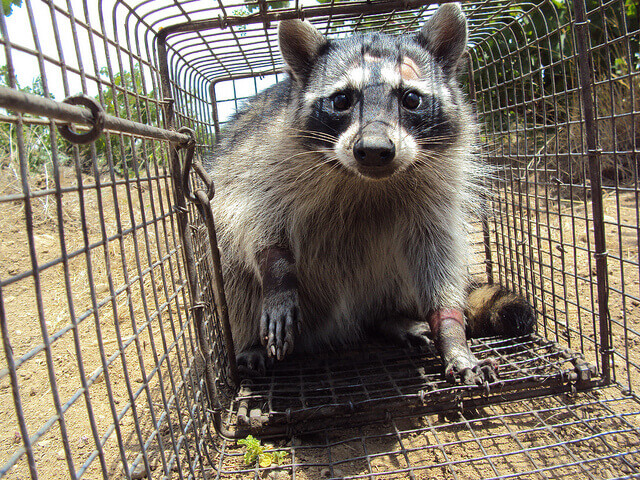
You hear scratching coming from the fireplace late at night. The next morning, there is a strange rustling sound inside the chimney. At first, you might assume it is a bird or debris moving around in the flue. Then you hear something heavier shifting above the firebox.
A raccoon may have found its way into your chimney.
For homeowners in Southern California, this situation can be particularly concerning because chimneys are not designed to serve as wildlife shelters. An animal inside the chimney can create noise, leave waste behind, damage components, and make the fireplace unsafe to use until the situation has been properly assessed.
If you suspect a raccoon in your chimney, do not light a fire, open the damper to investigate, or attempt to force the animal out. Keep the fireplace area secure and arrange a professional wildlife inspection.
At All City Animal Trapping, we help homeowners identify wildlife activity, evaluate access points, and determine an appropriate removal and prevention plan. Our goal is to address the animal safely while helping protect the home from repeated intrusions.
Why Do Raccoons Enter Chimneys?
A chimney can resemble the sheltered spaces raccoons naturally seek.
In the wild, raccoons may use hollow trees, cavities, and other protected areas for resting or raising young. A residential chimney can offer similar protection from weather, predators, and disturbance.
This is especially true when a chimney has an accessible opening at the top.
A raccoon may climb onto the roof and enter through an uncapped chimney. Depending on the chimney’s construction, the animal may find a ledge or smoke shelf where it can rest.
Chimneys can become nesting locations
Female raccoons sometimes choose sheltered cavities for raising their young.
A chimney may provide a protected space where newborn raccoons remain while their mother leaves periodically to find food.
This makes removal more complicated than simply encouraging an adult animal to leave.
If dependent young are present, an inappropriate exclusion attempt can separate them from their mother.
Roof access makes entry easier
Raccoons are capable climbers. Trees, fences, roof features, and other structures may provide access to elevated parts of a home.
A chimney without an appropriate cap can then become an inviting opening.
Even a well-maintained property may experience wildlife activity if an accessible shelter is available.
How Can You Tell If a Raccoon Is in Your Chimney?
Not every chimney noise is caused by a raccoon.
Birds, squirrels, and other animals can enter or become trapped in chimney systems. Loose components and wind can also create unusual sounds.
However, several signs may justify a wildlife inspection.
Heavy scratching or movement
Raccoons are relatively large compared with common chimney-nesting birds.
Their movements may produce heavier scraping, thumping, or shifting sounds.
The sound alone does not confirm the species, but it can help narrow down the possibilities.
Chattering or squeaking noises
If young animals are present, homeowners may hear repeated vocalizations from inside the chimney.
These sounds can be especially noticeable when the mother returns.
Do not attempt to locate the animals by opening fireplace components or reaching into the chimney.
Strong or unusual odors
Animal urine, droppings, nesting materials, or a deceased animal can produce odors around the fireplace.
However, chimney odors may also be associated with moisture, soot, or other conditions.
An inspection is needed to identify the actual source.
Visible wildlife activity on the roof
A raccoon repeatedly approaching the chimney or climbing onto the roof near dusk may indicate that it is using the structure.
Observe from the ground rather than climbing onto the roof.
Debris near the fireplace
Nesting materials or other debris appearing near the damper or firebox may indicate animal activity.
Avoid handling unfamiliar materials or attempting to clean the chimney before the animal has been identified.
If you notice these signs, a professional animal removal inspection can help determine whether wildlife is using the chimney or another part of the roof structure.
What Should You Do Immediately?
The first priority is keeping the situation from becoming dangerous.
A raccoon inside a chimney should not be treated like an ordinary fireplace maintenance issue.
Do not light a fire
Never start a fire to frighten an animal out of the chimney.
Smoke, heat, and flames can injure or kill trapped wildlife. If nesting materials or other obstructions are present, lighting a fire may also create a serious fire or smoke hazard.
Do not use the fireplace until the chimney has been cleared and evaluated.
Keep the damper closed if it is already closed
If the damper is closed, leave it that way while arranging professional help.
Opening it may allow an animal to enter the living space, depending on the chimney configuration.
Do not reach into the fireplace to adjust components if an animal is nearby.
Keep children and pets away
Limit access to the fireplace area.
A frightened raccoon may react defensively if it feels cornered.
If an animal enters the room, avoid approaching it. Move people and pets to another secure area and contact an appropriate wildlife professional or local animal control service.
Avoid climbing onto the roof
Trying to inspect the chimney opening from above can create a fall hazard.
It may also place you directly beside an animal that has limited escape options.
Arrange professional assistance
An experienced raccoon removal service can assess the situation and explain the appropriate next steps.
The removal method depends on the chimney design, the animal’s location, and whether dependent young are present.
Can Raccoons Have Babies in a Chimney?
Yes. Female raccoons may use chimneys as denning sites while raising young.
This is one of the most important reasons not to seal a chimney opening immediately after seeing an adult raccoon leave.
The adult may be a mother returning to feed or care for young animals.
If the opening is capped while the young remain inside, they can become trapped.
The mother may also attempt to regain access, potentially damaging chimney components or nearby materials.
Why the presence of young changes the removal plan
A single adult animal using a chimney temporarily may require a different approach from a mother with dependent offspring.
Before any exclusion work, the situation should be evaluated for signs of a family group.
The removal plan must account for all animals present.
At All City Animal Trapping, we consider the possibility of dependent young when assessing sheltered wildlife dens.
Our objective is to avoid leaving animals behind or creating unnecessary risks to the household.
Why You Should Never Try to Smoke a Raccoon Out
Some homeowners assume that lighting a small fire or producing smoke will encourage a raccoon to climb out.
This is dangerous.
An animal may be unable to escape, particularly if it is injured, trapped, or caring for young.
Smoke can also enter the living space if the chimney is obstructed.
Nesting materials can present additional fire risks, and the animal may panic rather than leave.
Do not use smoke, chemical repellents, ammonia, or other substances inside the chimney to force wildlife out.
These methods may create hazards without resolving the problem.
A proper inspection and removal plan is safer than attempting to make the chimney uncomfortable for the animal.
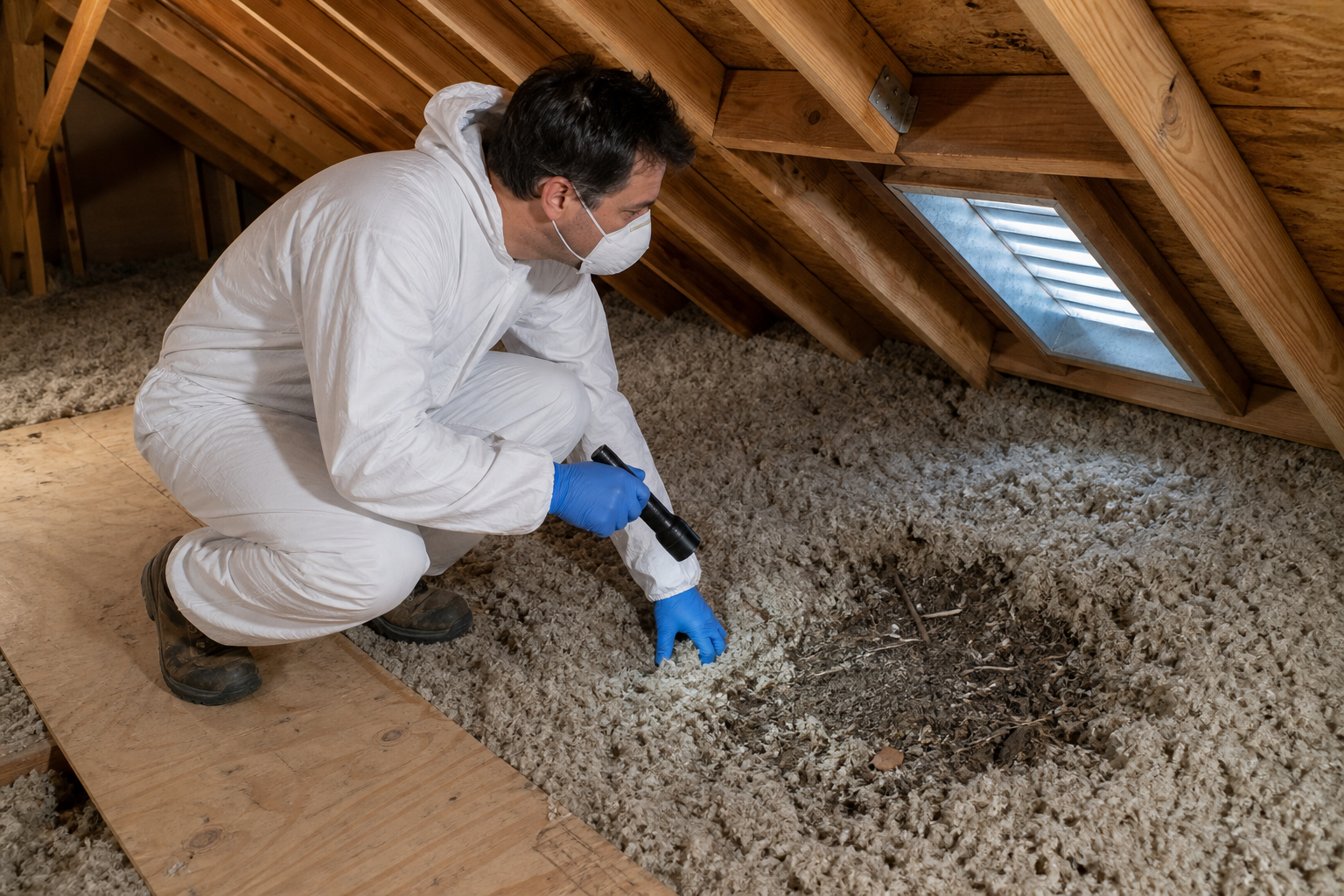
How Professional Raccoon Removal From a Chimney Works
The exact process depends on the chimney and the animal’s location.
A masonry chimney with a smoke shelf is different from a prefabricated fireplace system. Access points, internal components, and the available working space can vary.
Our approach begins with understanding the structure and the reported activity.
Step 1: Inspect the chimney and surrounding roofline
We look for signs of wildlife access, activity near the chimney opening, and evidence that an animal is using the structure.
Where accessible and appropriate, the inspection may help identify the species and determine whether young animals are present.
Step 2: Assess the removal options
The safest method depends on whether the animal can leave independently, whether it is trapped, and whether dependent young are involved.
Not every situation requires the same equipment or technique.
We explain the proposed approach before proceeding.
Step 3: Address the animals present
The removal plan should account for the actual animals occupying the chimney.
This is particularly important when a mother and young are involved.
Wildlife handling must also follow applicable California requirements.
Step 4: Evaluate contamination and damage
After the chimney is no longer occupied, we assess visible nesting materials, droppings, and other wildlife-related concerns.
Some situations may require additional cleaning or specialized chimney service.
Step 5: Recommend exclusion repairs
Once the chimney is confirmed clear, an appropriate chimney cap or other protective measure may help prevent reentry.
The cap must be compatible with the chimney system and should not interfere with safe ventilation or fireplace operation.
A qualified chimney professional should assess fireplace components and confirm safe operation before the fireplace is used again.
Can Raccoons Damage a Chimney?
Raccoons may affect more than the immediate area where they rest.
Their activity can introduce nesting materials, waste, and debris into parts of the chimney system.
Potential concerns include:
-
Nesting material that obstructs airflow.
-
Droppings and urine contaminating accessible surfaces.
-
Damage to loose or vulnerable chimney components.
-
Disturbed caps, screens, or nearby roofing materials.
-
Odors that linger after the animal leaves.
Not every raccoon visit causes structural damage.
However, homeowners should not assume the chimney is ready for use simply because the noises have stopped.
An inspection helps determine whether cleaning, repairs, or further evaluation are necessary.
Is Raccoon Waste Dangerous?
Raccoon droppings can create health concerns, especially when they accumulate in enclosed or frequently used areas.
Raccoons can carry a roundworm known as Baylisascaris procyonis. Infection in humans is uncommon, but it can be serious.
The Centers for Disease Control and Prevention explains that exposure can occur through accidental ingestion of infective roundworm eggs from contaminated environments.
This is why wildlife waste should not be handled casually.
Do not sweep or vacuum suspected raccoon droppings with ordinary household equipment.
The appropriate cleanup method depends on the location, amount of contamination, and materials involved.
Chimney systems also have additional safety considerations related to soot, ventilation, and combustion.
If waste is present inside the chimney, professional assessment is preferable to attempting a do-it-yourself cleanup.
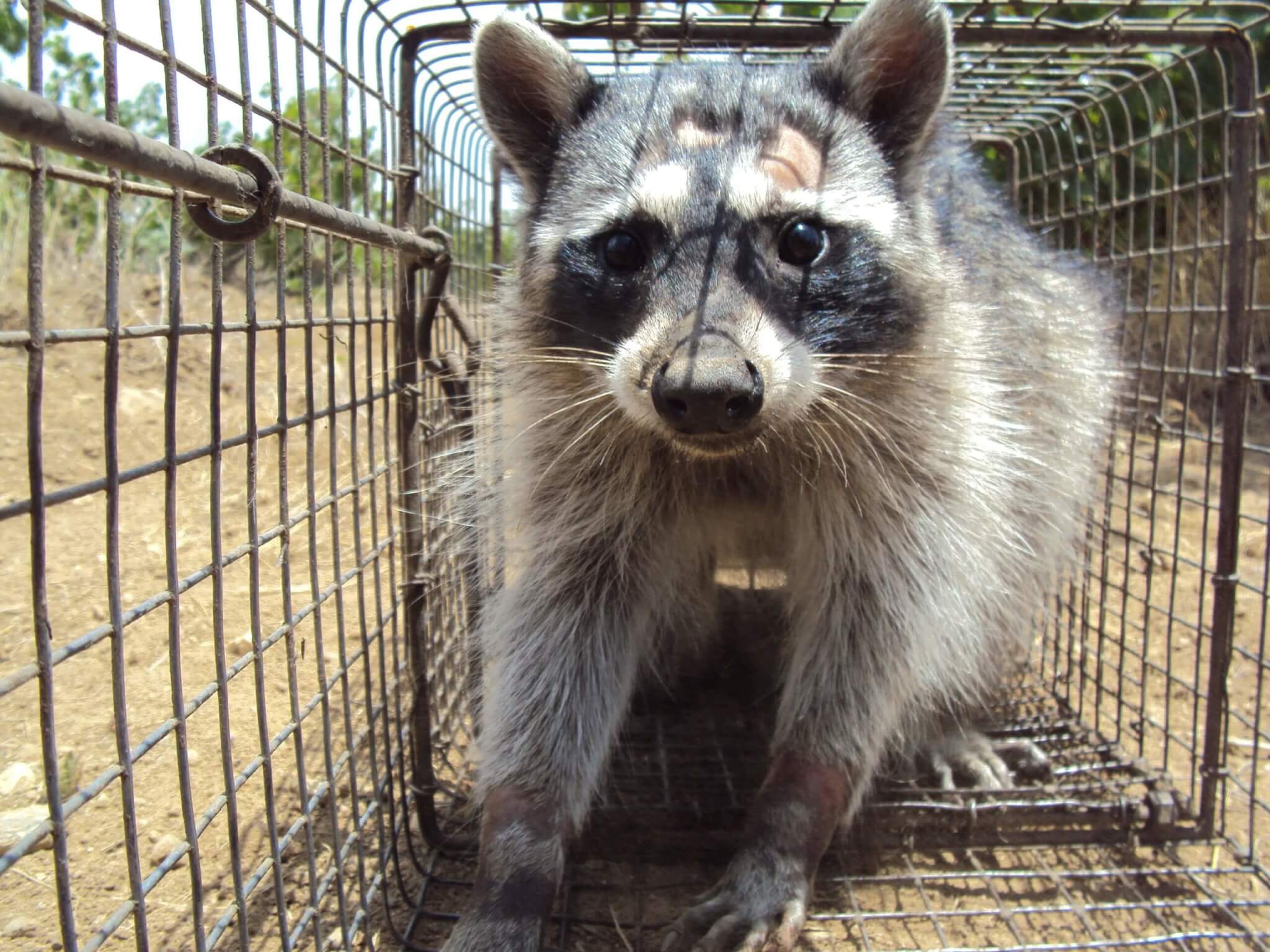
How to Keep Raccoons Out of Your Chimney
After wildlife removal, prevention becomes the next priority.
A raccoon may return to a familiar shelter if the opening remains accessible.
Install a suitable chimney cap
An appropriately fitted cap can help prevent wildlife from entering through the chimney opening.
The cap should be designed for the specific chimney and fireplace system.
It must also allow the chimney to function safely.
Inspect the cap periodically
Caps can become loose, damaged, or deteriorated.
Check for visible problems from the ground where possible, and arrange professional inspection when necessary.
Address nearby roof access concerns
Raccoons may use trees, fences, and other features to reach the roof.
Where practical, maintain vegetation that contacts the structure and review other accessible openings.
Check for additional wildlife entry points
A raccoon that cannot enter the chimney may investigate another vulnerable opening.
Damaged roof vents, gaps near eaves, and attic access points can also attract wildlife.
Our attic wildlife removal services help homeowners investigate activity beyond the chimney itself.
Keep outdoor food sources under control
Secure trash containers and avoid leaving pet food outdoors overnight.
Although food management will not eliminate every wildlife encounter, it can reduce reasons for raccoons to visit the property regularly.
What If the Raccoon Has Already Left?
If the chimney becomes quiet, it may be tempting to assume the problem is over.
However, silence does not confirm that the chimney is empty.
An adult raccoon may leave temporarily to find food while young remain inside.
Alternatively, an animal may have moved to another part of the chimney or building.
Do not install a cap based only on a few quiet hours.
A professional should confirm that the space is clear before exclusion work begins.
The chimney should also be assessed for nesting materials or other conditions that could affect safe use.
What If a Raccoon Enters the Fireplace?
A raccoon that enters the living area can be frightening, but approaching it may make the situation worse.
Do not attempt to grab the animal, cover it with a blanket, or corner it.
Keep a safe distance and move children and pets into another room.
If possible without approaching the raccoon, isolate the area and contact a qualified wildlife removal professional or local animal control agency.
Avoid opening exterior doors or windows in a way that requires moving close to the animal.
If anyone is bitten or scratched, seek medical guidance promptly.
The situation should be treated as an active wildlife encounter rather than a routine chimney maintenance problem.
When Should You Call for Professional Raccoon Removal?
Professional help is appropriate when you hear repeated heavy movement inside the chimney, see a raccoon entering the opening, suspect young animals are present, or notice persistent odors or debris.
You should also seek assistance if the animal appears trapped or if there is any possibility it could enter the living space.
A one-time sound does not always confirm a raccoon problem, but recurring activity deserves attention.
At All City Animal Trapping, we help homeowners throughout Los Angeles and surrounding Southern California communities investigate wildlife activity and determine appropriate removal and exclusion steps.
If the issue involves a chimney, we also recommend having the fireplace system evaluated by a qualified chimney professional before returning it to use.
Key Takeaways
-
A chimney can provide a sheltered den for raccoons, including mothers with young.
-
Never light a fire or use smoke to force wildlife out.
-
Keep the damper closed if it is already closed, and avoid reaching into the fireplace.
-
Do not cap the chimney until all animals have been confirmed absent.
-
Raccoon droppings and nesting materials require appropriate handling.
-
A suitable chimney cap and roofline inspection can help prevent future entry.
-
The chimney should be cleared and assessed before the fireplace is used again.
Frequently Asked Questions About Raccoons in Chimneys
How do I know if a raccoon is living in my chimney?
Heavy scratching, repeated movement, vocalizations, odors, and raccoon sightings near the chimney can indicate activity. An inspection is needed to confirm the species and whether the space is occupied.
Will a raccoon leave the chimney on its own?
Sometimes an adult may leave temporarily or permanently. However, young animals may remain inside, so an absence of noise does not prove the chimney is clear.
Can I light a fire to scare a raccoon away?
No. Lighting a fire can injure trapped animals, ignite nesting materials, and create smoke or ventilation hazards.
Can raccoons get into the house through the fireplace?
Depending on the fireplace and damper configuration, an animal may be able to enter the living space. Keep the area secure and arrange professional assistance.
How do I remove baby raccoons from a chimney?
Do not attempt to reach into the chimney or separate young animals from their mother. A qualified wildlife professional should assess the den and plan appropriate removal.
Will a chimney cap stop raccoons?
A correctly selected and installed cap can help prevent entry through the chimney opening. It must be compatible with the system and should be installed only after the chimney is confirmed clear.
Do I need chimney cleaning after raccoon removal?
Possibly. Nesting materials, droppings, and other debris may require cleaning. A qualified chimney professional should evaluate the system before fireplace use resumes.
Conclusion: Get Help With a Raccoon in Your Chimney
Hearing wildlife inside a chimney can be alarming, particularly when you do not know whether the animal is trapped or caring for young.
The safest response is to leave the fireplace unused, avoid disturbing the animal, and arrange an inspection before attempting removal or sealing.
At All City Animal Trapping, we help Southern California homeowners address raccoon activity, identify vulnerable entry points, and plan appropriate wildlife removal and prevention measures.
If you suspect a raccoon in your chimney, call (877) 724-5314 to discuss the situation and request a wildlife inspection.