

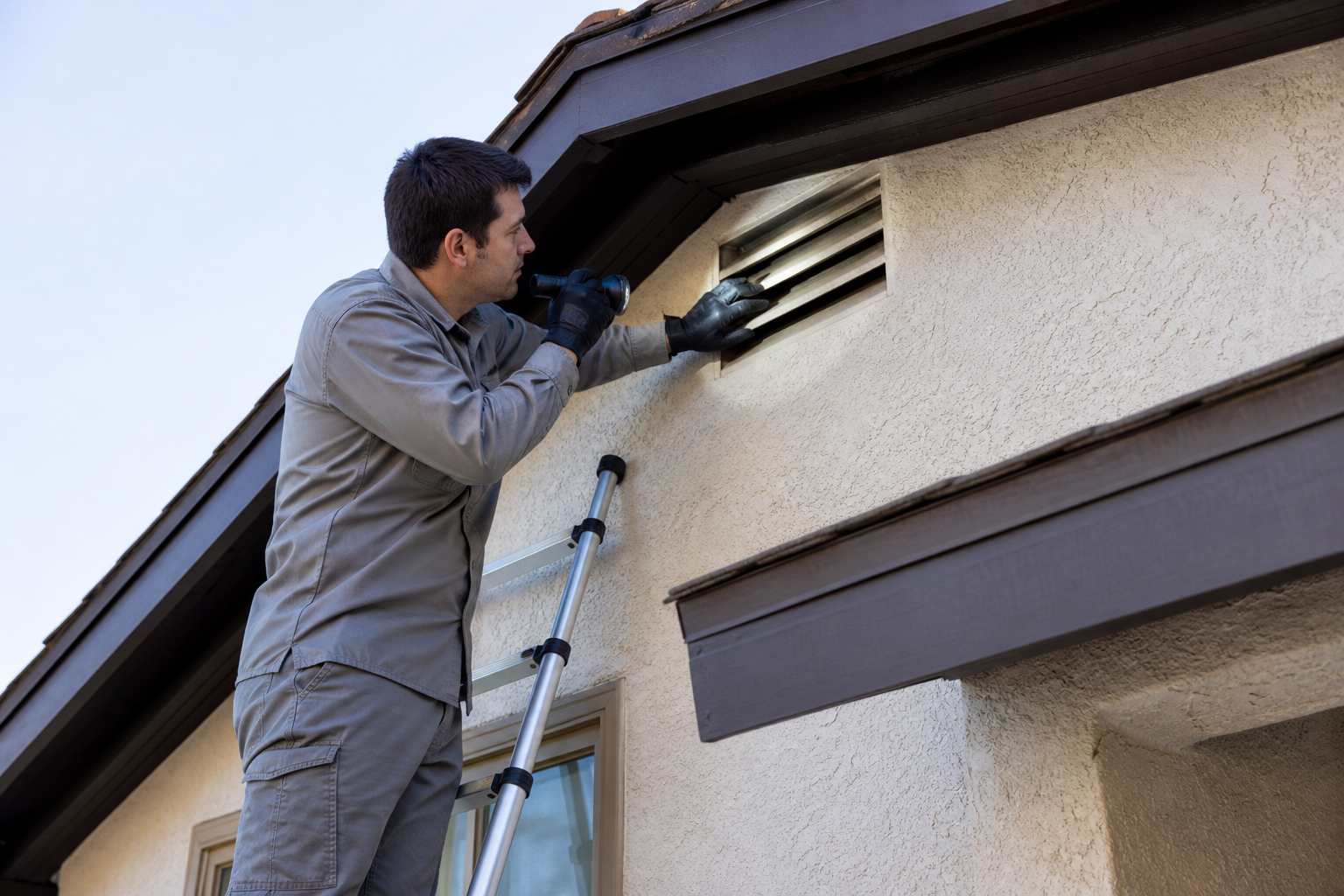
A small opening on your roof may not look like a serious problem. However, for rats, squirrels, raccoons, and other wildlife, an unprotected or damaged roof vent can become an entrance into your attic.
Many Southern California homeowners discover the problem only after hearing scratching above the ceiling, noticing damaged insulation, or finding animal droppings in the attic. By then, wildlife may have been using the opening for days or even longer.
Roof vent animal proofing helps prevent wildlife from entering your attic by securing vulnerable ventilation openings while preserving the airflow your home needs. The process involves identifying entry points, choosing suitable protective materials, and ensuring animals are not trapped inside before exclusion work begins.
At All City Animal Trapping, we help Los Angeles and Southern California homeowners identify wildlife entry points, address animal activity, and recommend exclusion measures that help protect attics from repeated intrusions.
The goal is not simply to cover every opening. It is to protect your home without interfering with ventilation, drainage, or other essential building functions.
Why Do Animals Enter Attics Through Roof Vents?
Roof vents are designed to allow air to move through the attic or building system. Depending on their type, they may help release warm, humid air or serve a specific ventilation function.
Unfortunately, some vents also create opportunities for wildlife.
Over time, vent covers can deteriorate, fasteners can loosen, and protective screens can become damaged. In other cases, an opening may never have had an effective wildlife barrier.
Animals searching for shelter may discover these vulnerabilities while moving across the roof.
Attics provide attractive shelter
An attic offers several conditions that can appeal to wildlife:
-
Protection from rain, wind, and outdoor temperature changes.
-
Relatively limited human disturbance.
-
Insulation and other materials that may be used for nesting.
-
Concealed spaces for resting or raising young.
-
Access to other parts of the building through structural openings.
A roof vent can provide a direct route into these spaces.
Once inside, animals may establish regular travel paths and begin nesting.
Different animals use different openings
Small rodents can squeeze through surprisingly narrow gaps.
Squirrels may exploit damaged vent covers or vulnerable roofline openings. Larger animals, including raccoons, may force their way through weak or deteriorated materials.
Because species differ in size and behavior, effective animal proofing begins with identifying which animals are present or likely to use the opening.
A barrier suitable for one type of wildlife may not adequately protect against another.
Which Roof Vents Are Most Vulnerable to Wildlife?
Not every roof opening serves the same purpose, and not every vent can be protected in the same way.
Before installing any screen or cover, it is important to identify the vent type and understand its ventilation requirements.
Roof exhaust vents
Some homes use roof-mounted exhaust vents to release attic air.
Damaged covers, missing protective components, or deteriorated surrounding materials can provide opportunities for animal entry.
The correct protective solution must preserve the vent’s intended airflow.
Gable vents
Gable vents are commonly installed on exterior walls near the roof peak.
They may have louvers or screening designed to allow air movement while limiting entry by debris and pests.
If the screening becomes torn or detached, wildlife may be able to enter.
Soffit vents
Soffit vents are located beneath the roof overhang.
They often work with upper attic vents to support airflow.
Loose panels, damaged screens, and gaps near the eaves can create access points for small animals.
Ridge vents
Ridge vents run along portions of the roof peak.
Damage, improper installation, or deteriorated components may create vulnerabilities.
Repairs must be compatible with the roof system.
Plumbing vent pipes and other roof penetrations
Not every pipe or opening on a roof is an attic ventilation vent.
Plumbing vent pipes, dryer exhausts, and combustion exhaust systems serve different purposes.
Do not cover or screen these openings without confirming the equipment manufacturer’s requirements and applicable building codes. An inappropriate cover can interfere with drainage ventilation, exhaust performance, or combustion safety.
A professional inspection can distinguish wildlife entry points from openings that must remain unobstructed.
How Do You Know Animals Are Entering Through a Roof Vent?
Wildlife activity in the attic does not automatically mean the animals entered through a roof vent.
They may also use gaps around eaves, damaged fascia, construction openings, or other vulnerable areas.
However, several signs can suggest a roof vent problem.
Scratching or running sounds above the ceiling
Movement in the attic may be especially noticeable at night or during quieter periods.
Different species have different activity patterns, but sound alone is not a reliable way to identify an animal.
Visible damage around a vent
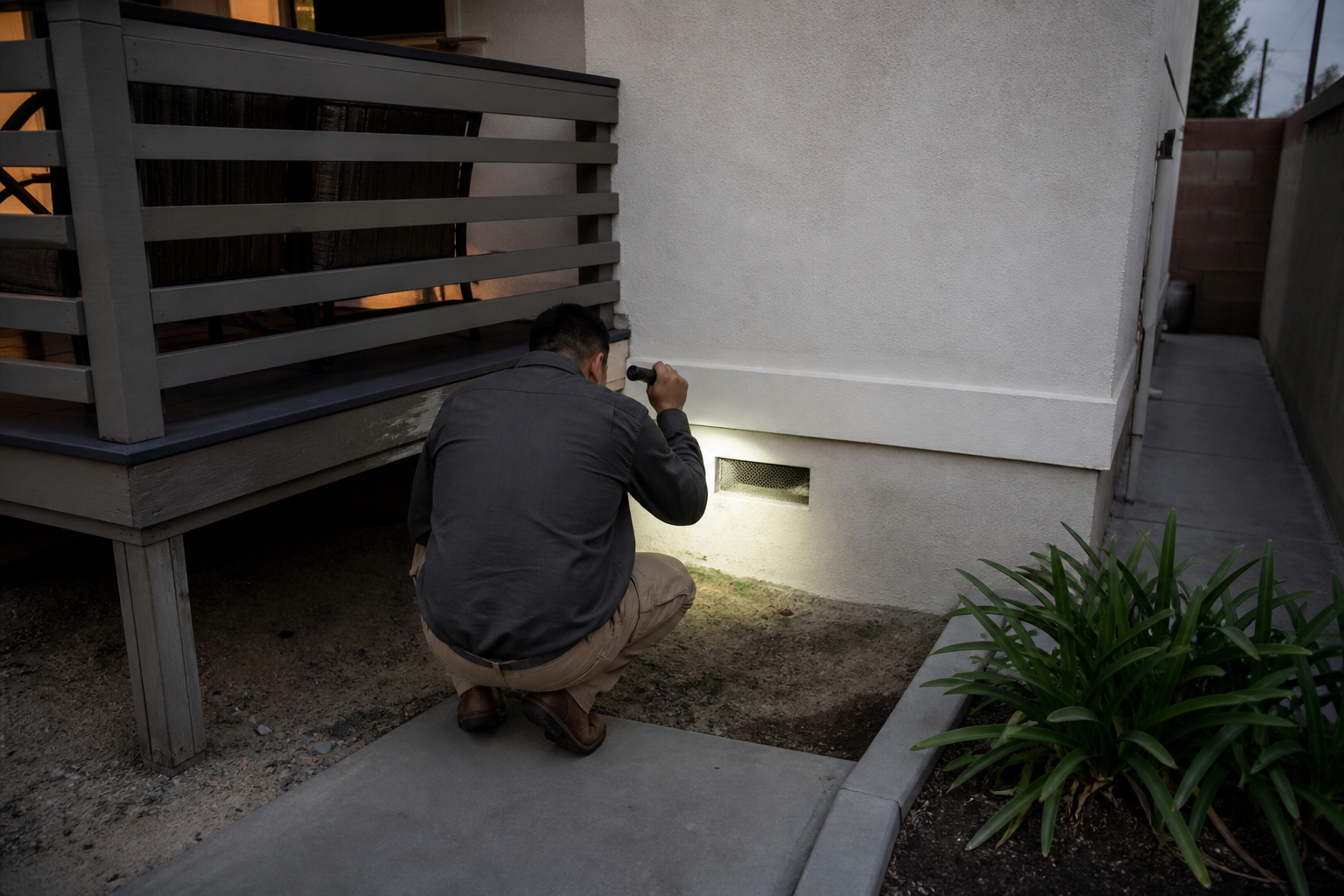
From the ground, you may notice bent covers, loose components, displaced screening, or obvious openings.
Do not climb onto the roof to investigate without appropriate training and safety equipment.
Droppings or nesting materials in the attic
Animal waste, shredded insulation, and nesting debris can indicate wildlife activity.
These signs may help determine whether the problem is ongoing.
Avoid handling droppings or disturbing contaminated materials during an initial inspection.
Repeated wildlife sightings on the roof
If you frequently see squirrels, rats, or raccoons near a particular vent, the area deserves closer attention.
However, animals can cross a roof without entering the building.
Damaged insulation or wiring
Some wildlife may disturb insulation, chew materials, or create nesting areas.
Rodents can also gnaw electrical wiring, which may create a fire hazard.
If you suspect wiring damage, have a qualified electrician evaluate the affected system.
For confirmed attic activity, our animal-in-attic removal services can help identify the species and likely access points before repairs begin.
Why Roof Vent Animal Proofing Matters
An open or damaged vent may seem minor compared with other home maintenance problems.
However, wildlife intrusion can affect several parts of the property.
Preventing repeated animal entry
If an animal is removed but the opening remains accessible, another animal may enter later.
Exclusion repairs address the route rather than only the immediate wildlife problem.
Protecting insulation
Animals may compress, move, tear, or contaminate insulation.
Damaged insulation can reduce thermal performance, depending on the extent and location of the disturbance.
Reducing contamination
Wildlife may leave droppings, urine, nesting materials, and other debris in attic spaces.
Contamination should be evaluated before cleaning or replacing affected materials.
Limiting damage to building components
Rodents and other animals can damage vulnerable materials.
Some problems are cosmetic, while others may affect wiring, ventilation components, or structural elements.
Supporting long-term maintenance
A properly protected vent can reduce one common opportunity for wildlife intrusion.
It does not guarantee that animals will never enter the attic, but it can be an important part of a broader exclusion strategy.
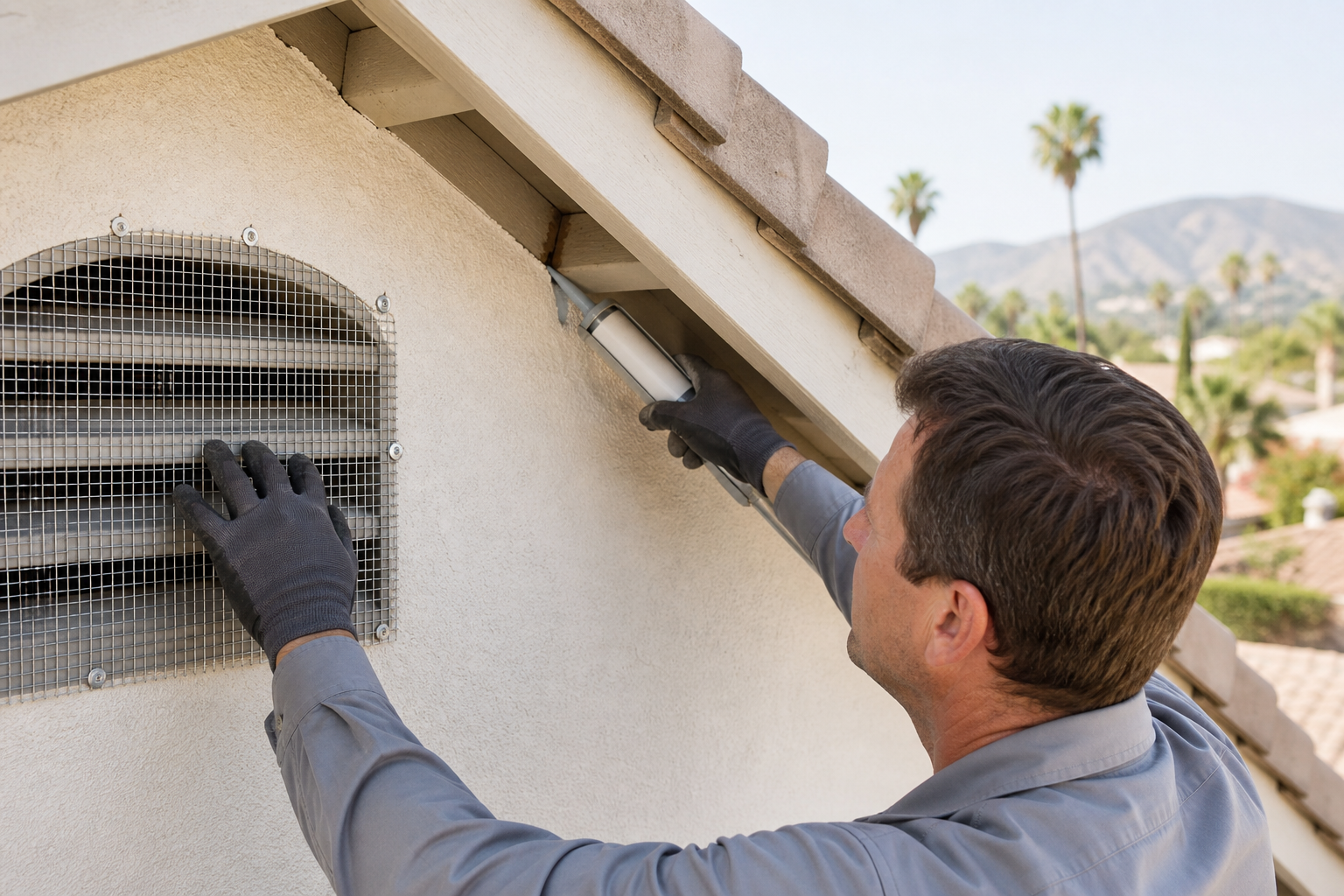
Can You Install Wire Mesh Over Roof Vents?
Protective screening can be useful for some attic ventilation openings, but the material and installation method matter.
A screen must be appropriate for the animal risk and compatible with the vent.
Mesh opening size
Larger openings may allow small rodents to pass through.
Very fine screening, however, can restrict airflow or collect debris.
The appropriate material must balance wildlife resistance with the vent’s performance requirements.
Material durability
Outdoor barriers are exposed to sun, rain, wind, and temperature changes.
Materials that corrode, bend easily, or detach may fail over time.
Secure attachment
Even strong screening may be ineffective if it is poorly attached.
Animals may exploit loose edges or gaps around the perimeter.
Ventilation requirements
Adding screening changes the effective open area of a vent.
An installation that substantially reduces airflow may interfere with the home’s ventilation design.
For this reason, animal proofing should not be treated as simply attaching any available wire mesh to every roof opening.
The selected solution should be appropriate for the specific vent and comply with applicable requirements.
Why You Should Check for Animals Before Sealing Roof Vents
One of the biggest mistakes in wildlife exclusion is sealing an entry point before confirming that the space is empty.
An animal may be resting inside the attic when the repair is made.
If the opening is blocked, the animal may become trapped.
In some cases, young animals may remain inside while a parent is outside searching for food.
What can happen if an animal is trapped?
A trapped animal may scratch or chew at building materials while attempting to escape.
It may move into another part of the house through an interior opening.
If the animal cannot escape, it may die inside a concealed space, creating an odor and cleanup problem.
How should exclusion be coordinated?
First, identify the animal and evaluate whether the attic is occupied.
Next, develop an appropriate removal or exclusion plan.
Only after the space has been confirmed clear should permanent entry-point repairs be completed.
At All City Animal Trapping, we consider the animal’s behavior, access routes, and the possibility of dependent young when recommending wildlife exclusion work.
This helps avoid creating a more serious problem during the repair process.
How Professional Roof Vent Animal Proofing Works
Every property has different roof features, ventilation requirements, and wildlife vulnerabilities.
A professional assessment should consider the entire roofline rather than focusing only on one damaged vent.
Step 1: Inspect the property
We begin by reviewing reported animal activity and examining accessible areas for signs of intrusion.
The inspection may include roofline features, attic openings, and other likely entry points.
Step 2: Identify the wildlife concern
The type of animal influences the exclusion approach.
A rodent problem may require attention to smaller openings, while larger wildlife may exploit damaged covers or weaker materials.
Step 3: Assess existing vent protection
We look for missing, deteriorated, or damaged components.
We also consider whether proposed repairs could affect ventilation.
Step 4: Coordinate wildlife removal
If animals are present, removal or exclusion must be handled before permanent closure.
The method depends on the species, site conditions, and applicable wildlife requirements.
Step 5: Recommend appropriate repairs
Once the area is confirmed clear, compatible vent protection or repairs may be installed.
Some work may require a qualified roofing or ventilation contractor, particularly when roof materials or specialized exhaust systems are involved.
Step 6: Review additional access points
A single repaired vent may not solve the problem if other openings remain.
We recommend evaluating vulnerable eaves, fascia, soffits, and other roofline areas as part of the prevention plan.
What Other Roof Openings Should Homeowners Inspect?
Roof vents are only one potential entry route.
Wildlife can also take advantage of gaps around construction details and deteriorated building materials.
Gaps beneath eaves
Openings where roofing and wall components meet may provide access to attic spaces.
Damaged fascia boards
Loose or deteriorated fascia can expose areas beneath the roof edge.
Openings around utility lines
Utility penetrations may leave gaps if they are not properly sealed.
Deteriorated soffit panels
Loose panels can provide access beneath the roof overhang.
Gaps near roof intersections
Complex roof designs may contain difficult-to-see areas where materials meet.
A comprehensive inspection can identify these vulnerabilities before animals use them.
If wildlife has already contaminated the attic, our attic cleaning and repair services can help address affected materials as part of a broader recovery plan.
Can Roof Vent Animal Proofing Improve Energy Efficiency?
The primary purpose of animal proofing is to reduce wildlife access.
However, preventing animal intrusion may also help protect the attic insulation and other components that contribute to a home’s thermal performance.
Rodents and larger wildlife may disturb insulation by moving through it, creating nests, or contaminating sections.
If damaged material must be removed, the affected insulation should be evaluated and restored appropriately.
That said, simply adding a wildlife screen does not automatically improve energy efficiency.
In fact, an incorrectly installed screen that restricts attic airflow may create ventilation problems.
The U.S. Department of Energy provides guidance on home insulation and attic performance, including the importance of proper insulation practices.
Homeowners should consider insulation, ventilation, air sealing, and wildlife exclusion as related but distinct parts of attic maintenance.
How Often Should Roof Vents Be Inspected?
There is no single inspection schedule that fits every property.
However, periodic visual checks can help identify obvious damage before it becomes a wildlife entry point.
It may be useful to inspect roofline features after significant wind events, roofing work, or recurring wildlife sightings.
Look for visible changes from the ground, such as loose vent covers or damaged soffit panels.
Do not attempt to climb onto a steep or elevated roof simply to complete a routine check.
Professional roof inspections are appropriate when access is difficult or repairs may be needed.
Homeowners who have previously experienced animal intrusion should pay particular attention to repaired entry points.
Is DIY Roof Vent Animal Proofing a Good Idea?
Some minor maintenance tasks may be manageable for experienced homeowners, but roof vent animal proofing presents several risks.
Working on a roof can lead to serious falls.
Incorrect repairs can damage roofing materials or create water intrusion.
Improper screening may restrict airflow or interfere with specialized vent systems.
Most importantly, sealing an occupied opening can trap animals inside.
For these reasons, professional assessment is recommended when wildlife activity is suspected or the work involves roof access.
The goal is to solve the problem without creating additional safety or building performance concerns.
How Much Does Roof Vent Animal Proofing Cost?
The cost depends on the property’s design and the work required.
Factors may include:
-
The number and type of vents.
-
Roof height, pitch, and accessibility.
-
The extent of existing damage.
-
The protective materials required.
-
Whether wildlife removal is necessary.
-
Whether attic cleanup or additional exclusion work is needed.
A simple repair to one accessible vent is different from a project involving multiple roofline openings and an active wildlife problem.
An inspection can help establish the scope before repairs are recommended.
At All City Animal Trapping, we focus on identifying the actual access points so homeowners can make informed decisions about the work their property needs.
When Should You Call for Roof Vent Animal Proofing?
Consider professional help if you notice repeated animal activity in the attic, damaged vent covers, or evidence of rodents near the roofline.
You should also arrange an inspection before sealing an opening when you are unsure whether animals are still inside.
If you recently had wildlife removed, this is a good time to review the entry points that allowed the problem to develop.
A preventive inspection may also be useful after roof repairs or when older vent components begin deteriorating.
All City Animal Trapping helps Southern California homeowners investigate wildlife entry points and plan appropriate exclusion work.
Key Takeaways
-
Roof vents can become entry points for rats, squirrels, raccoons, and other wildlife.
-
Different vent types require different protective solutions.
-
Animal proofing must preserve the vent’s intended function and airflow.
-
Never permanently seal an opening until the attic has been confirmed clear of animals.
-
A comprehensive inspection should include soffits, fascia, eaves, and other roofline gaps.
-
Durable repairs and periodic maintenance can reduce the likelihood of repeated wildlife intrusion.
Frequently Asked Questions About Roof Vent Animal Proofing
Can rats enter an attic through roof vents?
Yes. Rats may use damaged vents or openings that are large enough for them to pass through. A professional inspection can identify likely access points.
What is the best material for animal-proofing roof vents?
The appropriate material depends on the vent type, target wildlife, and ventilation requirements. Durable, compatible protective screening or purpose-built vent components are generally preferable to improvised covers.
Can I put chicken wire over my roof vents?
Chicken wire may not provide reliable protection against smaller rodents, and an unsuitable installation may interfere with airflow. The protective material should be selected for the specific vent and animal risk.
Should I seal roof vents completely?
No. Functional ventilation openings should not be blocked. Wildlife protection must preserve the vent’s intended operation.
How do I know if animals are still in my attic?
Scratching, droppings, nesting materials, and repeated sightings may indicate activity, but a proper inspection is needed before sealing entry points.
Will roof vent screens stop raccoons?
Appropriate, securely installed protection can help prevent raccoons from entering through specific vents. However, other vulnerable roofline openings may still require attention.
Do I need attic cleaning after animals enter through a roof vent?
Not always. Cleaning or insulation replacement depends on the extent of contamination and damage found during the inspection.
Conclusion: Protect Your Attic With Proper Roof Vent Animal Proofing
A damaged roof vent can provide wildlife with an opportunity to enter your attic, but simply covering the opening is not always the right solution.
Effective roof vent animal proofing begins with understanding the type of vent, identifying the animals involved, and confirming that the attic is clear before repairs are made.
At All City Animal Trapping, we help homeowners in Los Angeles and surrounding Southern California communities investigate wildlife entry points, address animal activity, and plan preventive exclusion measures.
If you have noticed damaged roof vents, scratching above the ceiling, or signs of wildlife in your attic, contact All City Animal Trapping to request an inspection and discuss your options.