Fast scratching
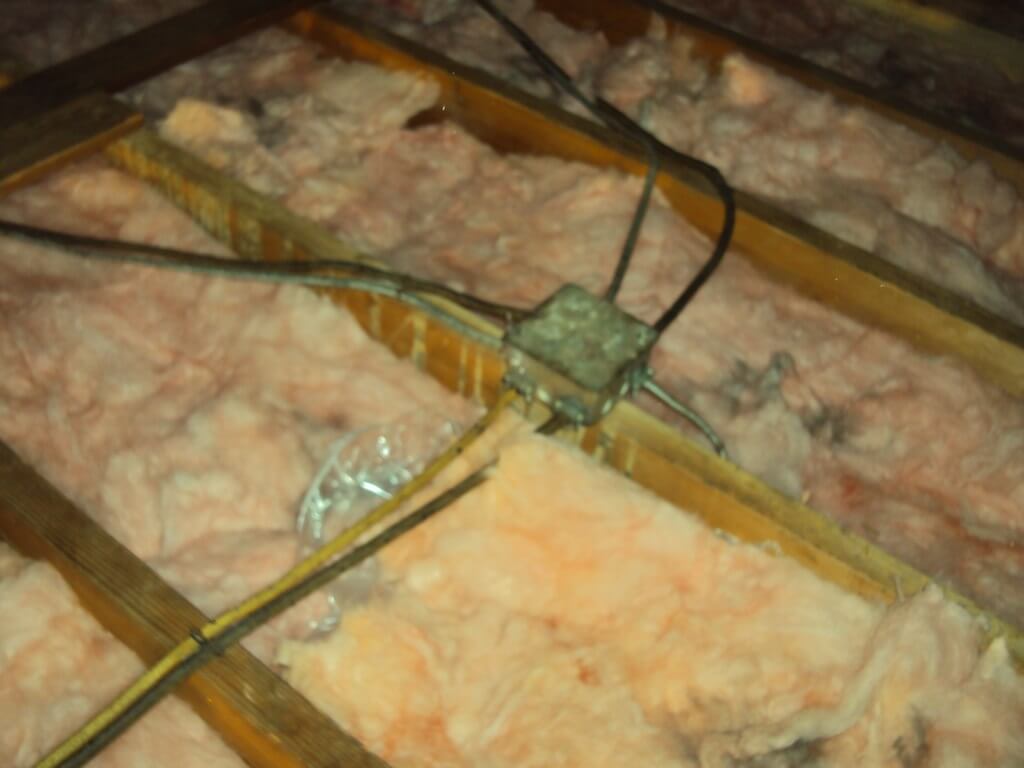
Rats or mice. Small dark droppings along beams, gnaw marks on wiring, a faint musky smell. Rodents in attic spaces breed within weeks.


Scratching overhead at 2am? Something living in the attic is the call we take most often. We trap it, seal the way it got in, and clean up what it left behind, humanely and with a fixed price agreed before we start.
Distinct from government animal control
Schedule an appointment today. Tell us what you are hearing and a licensed trapper will call you back, usually within 15 minutes during business hours.
A licensed trapper will call you shortly. Need us sooner? Call (877) 724-5314.
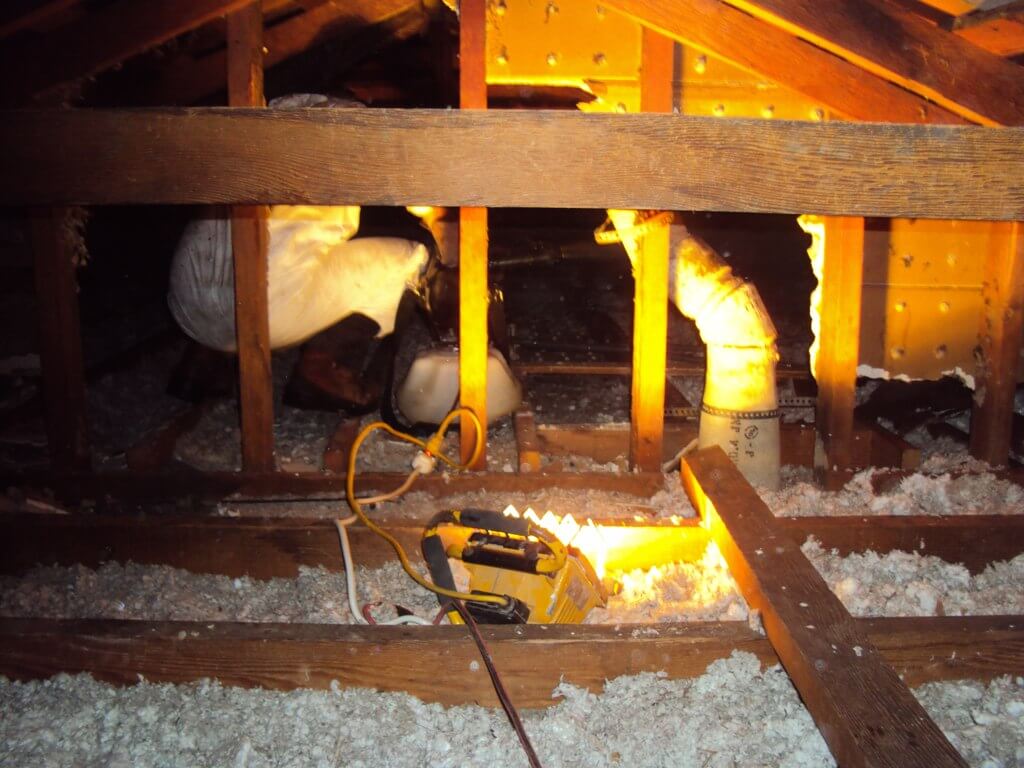
Photos of exactly what is up there, at no cost and no obligation.
You approve a flat price before we start. No surprise add-ons.
The short answer
Do not set store-bought traps or use poison. Poisoned rodents die inside the walls and become a dead animal problem that costs more to fix than the original infestation. The correct order is: identify the species, trap and remove the live animals, seal every entry point, then clean and sanitize the contaminated insulation.
All City Animal Trapping does all four steps as one job. A licensed technician performs a free attic inspection for animals, gives you a fixed written price, and handles the trapping, the exclusion work and the cleanup so you are not coordinating three different contractors. Call (877) 724-5314 for same-day dispatch across Los Angeles, Orange, Riverside and San Bernardino counties.
Diagnosis
Whether you would describe it as something in the attic insulation, scratching in the ceiling, or a noise you cannot place, the diagnosis starts the same way. The sound, the timing and the droppings identify the species.
Rats or mice. Small dark droppings along beams, gnaw marks on wiring, a faint musky smell. Rodents in attic spaces breed within weeks.
Raccoon or opossum. You will hear weight shifting and vocal chatter. Look for torn vent screens and a flattened path in the insulation.
Squirrels. Active at dawn and dusk, quiet at night. Often accompanied by nut shells in the attic and chewed fascia boards.
Bats. Look for dark greasy staining at roof gaps and guano piles below entry points. Bats are protected, so never seal them in.
Rodents chew insulation into nesting material and strip wiring, which is a genuine fire risk. Urine saturates insulation and the smell moves down into the living space. Litters are born and the population doubles.
A homeowner who calls in week one usually pays for trapping and sealing. A homeowner who calls in month six is usually paying for trapping, sealing, full insulation replacement, sanitation and drywall.
Book a free inspectionWhat we remove
Different animals need different traps, different exclusion hardware and different cleanup. Here is how we handle each one.
Roof rats are the number one cause of rats in the attic across Southern California. We set traps on active runways, seal the quarter-sized gaps they enter through, then handle the attic clean up rodents leave behind. More on rat removal.
Mice squeeze through a dime-sized hole and a pair becomes dozens in a season. We trap the colony, seal every gap, then sanitize so the pheromone trails that attract new mice are gone. More on mice removal.
Raccoons in the attic is urgent work, a female will tear open soffits and ducting to make a den. We check for a litter first, remove mother and kits together, then reinforce with heavy-gauge steel. More on raccoon removal.
Wondering who to call for bats in attic spaces? A licensed exclusion specialist, not a pest sprayer. Bats are legally protected and must be excluded outside maternity season. We also handle dead bats and guano decontamination. More on bat removal.
Squirrels gnaw entry holes wider every season and opossums leave heavy latrine contamination. Both are live-trapped and locked out with sealed vent and eave work. Squirrel removal, opossum removal.
Not everything nests in the attic proper. Animals also den under Spanish tile, in the roof deck void and behind fascia. We scope those voids, extract the animal and seal the gaps with rodent-proof birdstop.
Odor emergency, priority dispatch
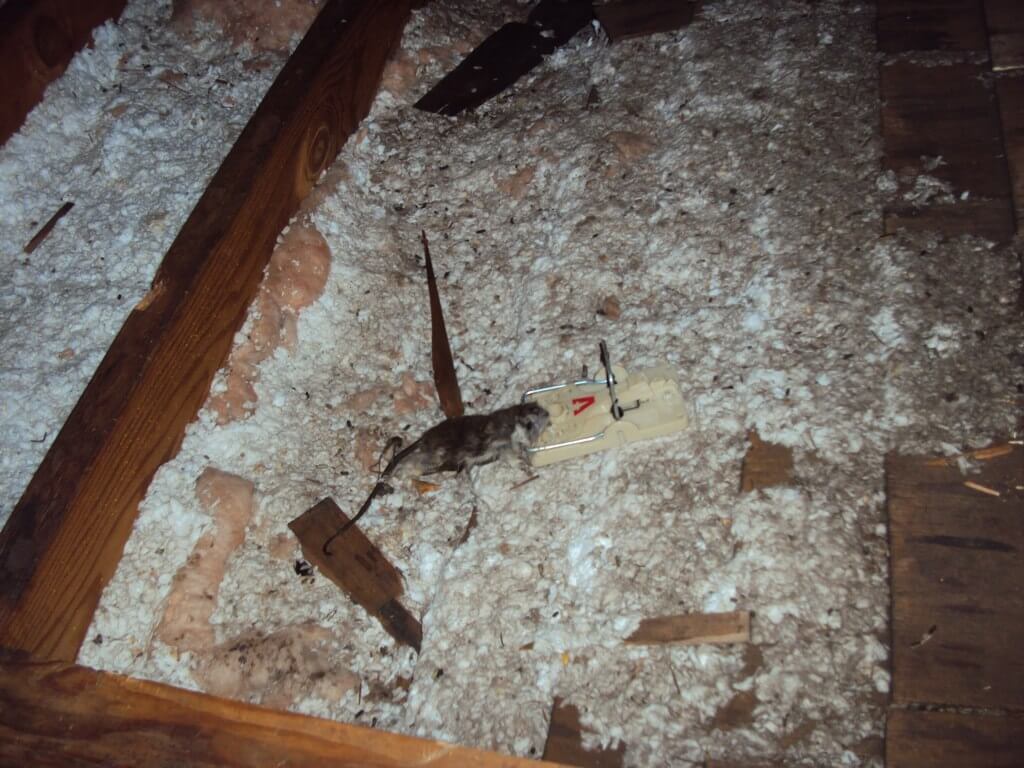
That sweet, heavy, unmistakable smell coming through the ceiling vents is a dead animal in the attic, and it gets worse for about two weeks before it fades, while bacteria and flies spread through your insulation.
Air freshener will not touch it. The only fix is finding the carcass. Our technicians locate a dead rat in attic cavities, wall voids and duct runs using probe and thermal inspection, then remove it along with the contaminated insulation around it.
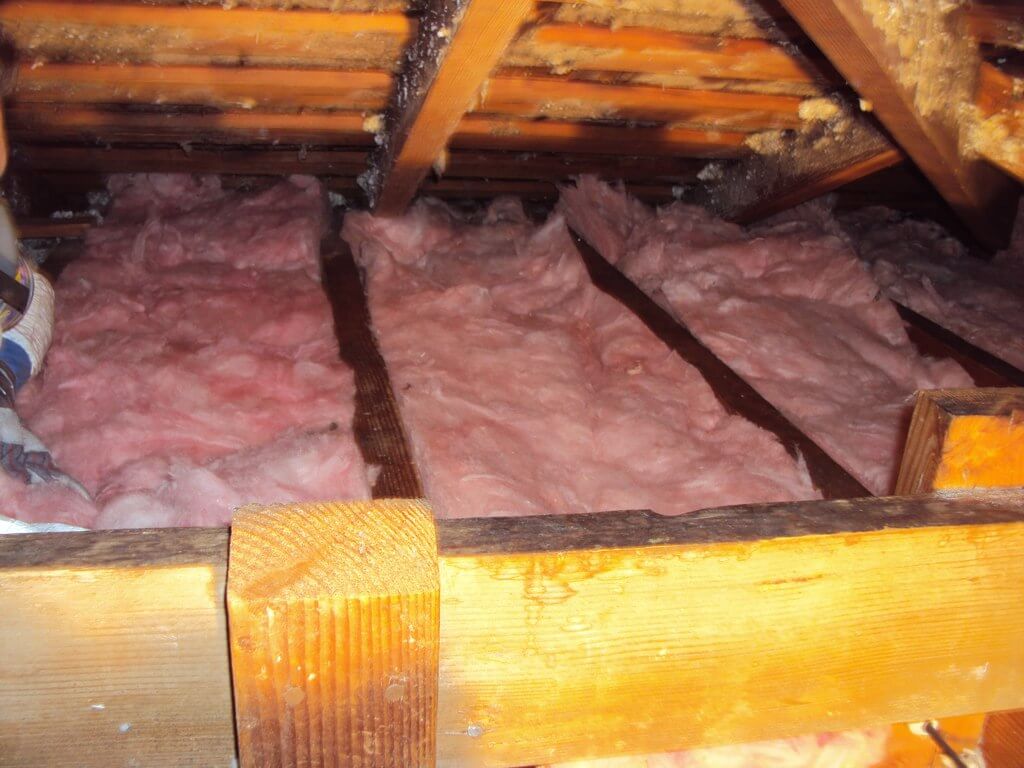
Poison is the leading cause of the dead animal calls we get. A poisoned rat crawls into the deepest, most inaccessible void it can find before it dies. You trade a trapping bill for a demolition bill. We never use poison in an attic.
Pricing
Real ranges, not a bait price. Your exact figure comes from the free inspection. Species, entry-point count, attic size and contamination level all move it.
| Service | What is included | Typical range |
|---|---|---|
| Attic inspection | Full species ID, entry-point map, written quote | FREE |
| Rat & mouse trapping | Trap program, return visits, removal | $350 to $700 |
| Entry-point sealing | Steel mesh, vent screens, eave & roof exclusion | $400 to $1,200 |
| Raccoon or squirrel removal | Live trapping, litter check, heavy-gauge repair | $450 to $1,300 |
| Bat exclusion | One-way doors, guano cleanup, sealing | $800 to $2,500 |
| Dead animal removal | Carcass location, extraction, deodorizing | $250 to $600 |
| Attic cleanout & insulation | Debris removal, sanitizing, new insulation | $1,500 to $6,000 |
Ranges reflect typical single-family homes across the four counties we serve. All pricing is confirmed in writing before work begins. See our full animal trapping prices.
Our method
Trapping alone is a temporary fix. If the holes stay open, a new animal moves into the vacancy within weeks. Here is the full sequence we run on every job.
We identify the species, count and photograph every entry point, and map the nesting and droppings zones. You see the photos before you decide anything.
Live traps and one-way exclusion doors go on active runways and entry points, sized and placed for the species. Traps are checked on a set schedule.
Live animals are removed and handled per California Fish & Wildlife regulations. Litters are located so nothing is orphaned inside your ceiling.
Galvanized steel mesh, vent guards and weather-resistant sealing on eaves, soffits, roof junctions, chimneys and tile gaps. This is the step that ends the problem.
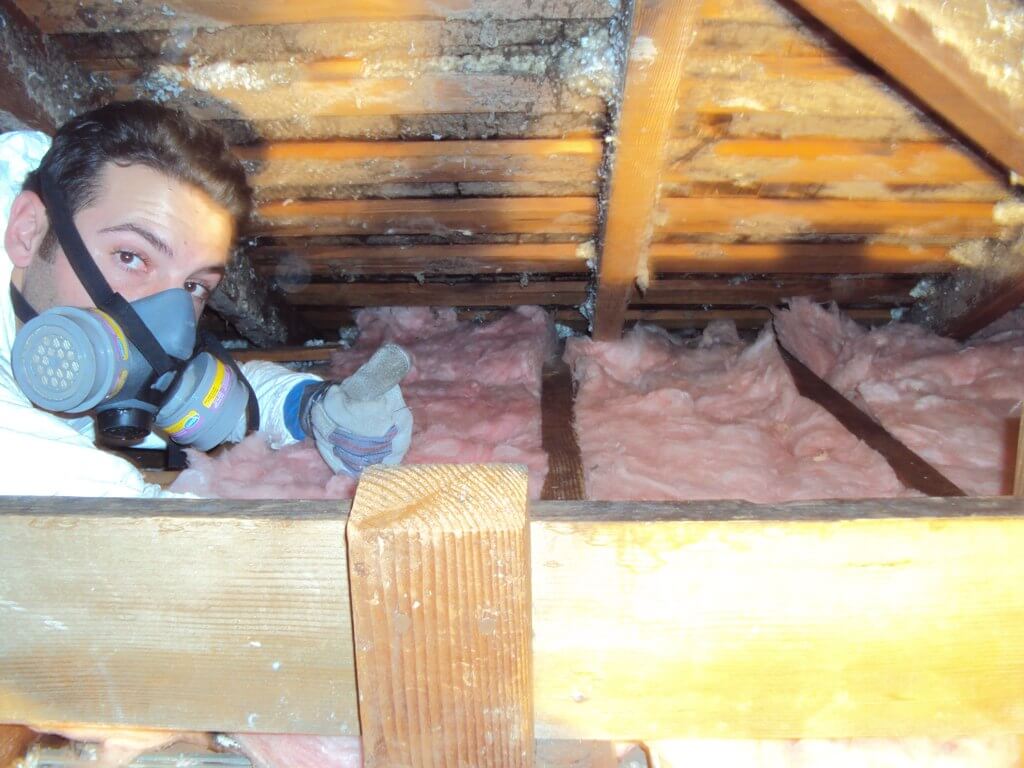
Droppings, urine-soaked insulation and nesting debris removed and bagged. The attic is disinfected and treated to neutralize odor and pheromone trails.
New insulation restores R-value, damaged ducting and wood are repaired, and we return to confirm the attic is still clear. See attic restoration.
Our experience
All City Animal Trapping has been serving the greater Los Angeles area for over 20 years. Every trapper we send is licensed and insured, and we use only the most effective and humane methods of animal removal. We then repair the damage the animals left behind, which most trapping companies will not touch.
Give us a call, we will beat anyone's price.
Call (877) 724-5314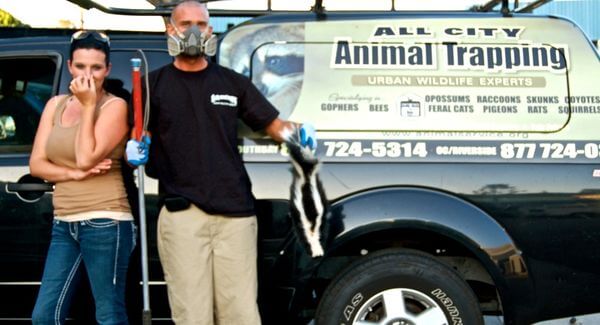
Serving
Searching for animal in attic removal near me and getting a national call center? We are local. Our trappers live in the counties they serve, so a technician is usually 30 to 45 minutes away. See all service areas.
Reviews
Unwelcome guests in the attic, rats! Cole walked around the house, went up into the crawlspace to find the entry point, sealed it off and set multiple traps. Then followed up a week later. He did a great job, and a good attitude.
We wanted live trapping since we did not want to kill any animals, but we did not want them living in our attic either. Pete was a great communicator and always kept us updated. They did a great job and I would definitely use them again.
Blake handled everything on site. He showed up on time and took care of our attic from patching to trapping and everything else. You would never even know he was here. We are critter free, which has given us peace of mind.
Answers
Most jobs in Southern California run between $350 and $1,500. A single rat or mouse trapping program with sealing usually sits at the lower end; raccoon work, bat exclusion or a full attic cleanout with insulation replacement sits at the higher end. The inspection is free and you get a fixed written price before any work starts. See our full animal trapping prices.
Call a licensed wildlife trapping company rather than a standard exterminator. Exterminators spray for insects; companies that remove animals from attics handle trapping, dead animal removal, entry-point sealing and sanitation as one job. All City Animal Trapping covers all four Southern California counties at (877) 724-5314.
Fast scratching and scurrying after dark is usually rats or mice. Heavy thumping, dragging or vocal chatter points to a raccoon or opossum. Daytime scampering is normally squirrels. Fluttering or chirping at dusk means bats. A free inspection confirms the species from droppings, tracks and entry damage. Guessing wrong means the wrong traps and weeks lost.
The odor only stops once the carcass is out. Sprays and ozone mask it for a few days at most. A technician locates the animal, removes it with the contaminated insulation around it, disinfects with an antimicrobial, then applies an enzyme treatment that breaks down the odor-causing bacteria. See dead animal removal.
Sealing and trap setup happens on the first visit. Rats and mice are typically cleared in 7 to 14 days of trap checks. Raccoons and squirrels usually take 3 to 10 days. Bats require a one-way exclusion running 5 to 10 days, and cannot legally be excluded during maternity season.
Rarely. An attic is warm, dry and predator-free, so wildlife treats it as a permanent den and breeds there. Waiting adds chewed wiring, soaked insulation and a bigger population. A critter in your attic today is usually a family of them within a season.
Yes. We use live traps and one-way exclusion doors that let animals exit without injury, and traps are checked on a set schedule so nothing is left in place. Where the season and species allow, litters are located and reunited with the mother rather than separated. More about our approach.
Some policies cover resulting damage such as chewed wiring or ruined insulation, while most exclude the trapping itself and anything classed as long-term infestation. We provide photo documentation and an itemized report you can submit to your carrier.
Yes. Rodent droppings and urine can carry salmonella, leptospirosis and hantavirus. Bat guano can grow histoplasmosis spores, and raccoon latrines carry roundworm. Attic air circulates into living space, which is why sanitizing matters as much as trapping.
Yes. Same-day and next-day inspection slots are available across Southern California, and dead animal in attic calls get priority dispatch. Call (877) 724-5314 to check the next opening in your area.
Yes. Animals commonly nest between the roof deck and ceiling or under Spanish tile. Animal in roof removal follows the same process as attic work: locate the void, trap or exclude the animal, then seal tile gaps and eave openings. See wildlife damage repair.
Yes. We remove droppings and contaminated insulation, sanitize, deodorize and replace insulation to restore R-value. Cleanup is normally quoted alongside the trapping so you deal with one crew. See our attic cleaning and insulation services
Free inspection, humane trapping, sealed entry points and a clean attic from the #1 rated animal trapping company in the US.
Get a Free Quote, (877) 724-5314Open 24/7. Licensed and insured. Serving Los Angeles, Orange, Riverside and San Bernardino counties