

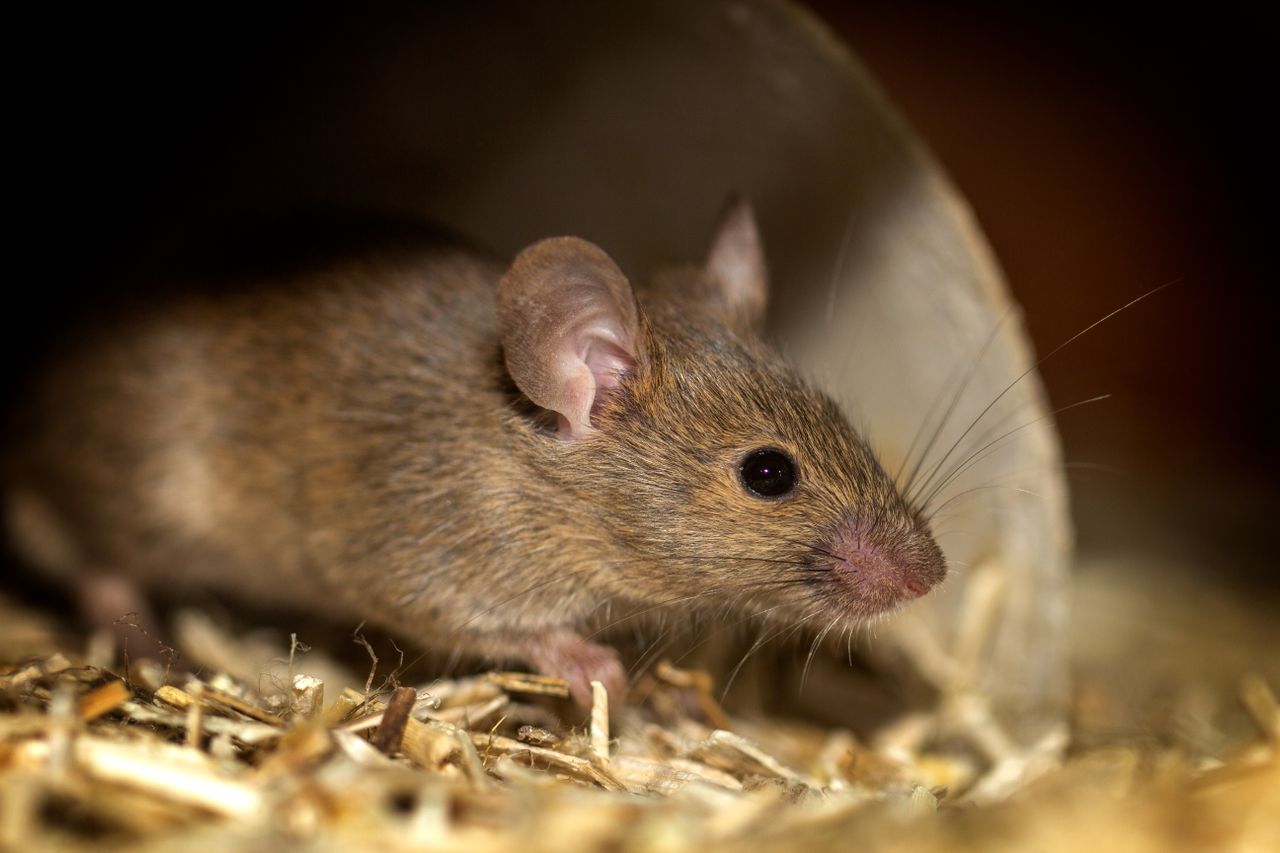
Finding a rat or mouse inside a Los Angeles home is usually a sign that the animal found a usable route into the structure. Removing the rodent can solve the immediate problem, but it does not automatically correct the gap, damaged vent, roof opening, utility penetration, or other access point that made the intrusion possible. For long term control, homeowners need to think about removal and prevention together.
Rodent proofing, also called rodent exclusion, is the process of inspecting a property for possible entry points, correcting appropriate openings, reducing attractants, and monitoring for signs of renewed activity. It is one of the most important steps after a rat or mouse problem because a building that remains accessible can be entered again by another animal.
What Is Rodent Proofing?
Rodent proofing is the process of making a building less accessible to rats and mice by identifying entry points, repairing or protecting appropriate openings, and reducing conditions that attract rodents. It often works alongside trapping or removal rather than replacing it.
The difference matters. Trapping focuses on animals already inside. Proofing focuses on the structure and the conditions that allowed them to enter. A complete rodent control plan often includes inspection, species identification, removal, exclusion, sanitation, and follow up.
According to the Centers for Disease Control and Prevention, mice can enter through very small openings, including holes about 1/4 inch wide. This helps explain why a property can appear secure while still allowing rodent access. Small construction gaps around utility lines, roof edges, vents, doors, and foundations may be significant.
Why Rats and Mice Enter Los Angeles Homes
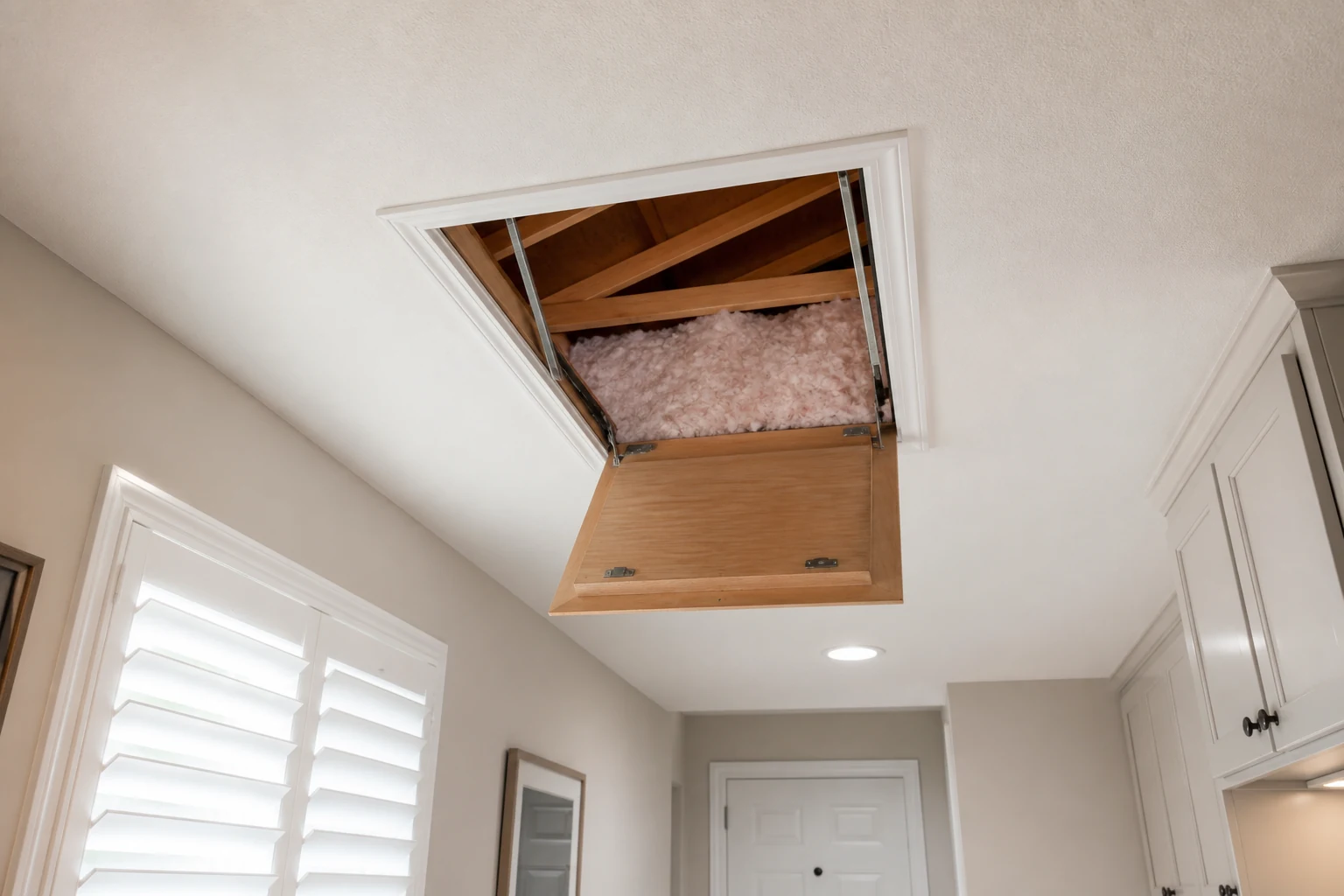
Rodents enter buildings because homes can provide food, water, warmth, nesting material, and protected shelter. In dense urban and suburban environments, these resources may be available year round.
Attics are especially attractive because they are quiet, elevated, and often insulated. Crawl spaces can provide similar shelter closer to the ground. Garages and storage areas may provide food or nesting material, while wall voids give rodents protected travel routes between different parts of a building.
Common signs of activity include droppings, scratching sounds, gnaw marks, urine odors, damaged food packaging, nesting material, disturbed insulation, and visible openings. Homeowners may also see rodents traveling along fences, rooflines, utility lines, or vegetation close to the house.
Rodent Removal vs. Rodent Proofing
Rodent removal and rodent proofing solve different parts of the same problem.
Rodent removal
Removal addresses rats or mice that are already present. Depending on the situation, this may involve traps and monitoring. The immediate goal is to stop current activity.
Rodent proofing
Proofing addresses the ways rodents enter. It may include sealing gaps, protecting openings, repairing damaged areas, and correcting conditions that make entry easier.
Why both matter
Removing rodents without addressing entry points can leave the home vulnerable to another infestation. Sealing every visible hole without first confirming where rodents are located can also create problems if animals are still inside. The sequence matters.
A practical process is inspect, identify, remove, exclude, clean, and monitor.
Where Should a Home Be Checked for Rodent Entry Points?
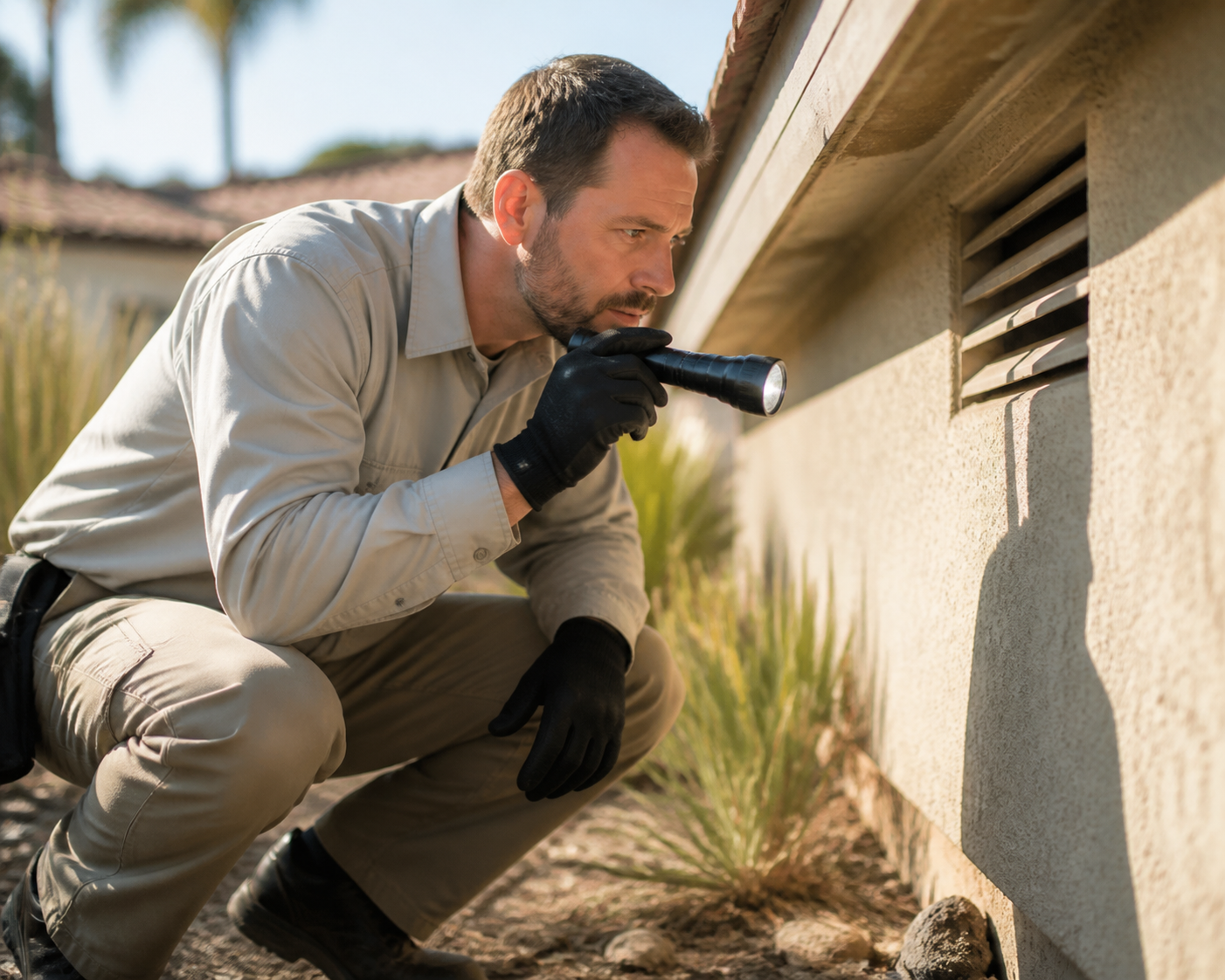
A detailed inspection should include both the interior and exterior. The place where you hear a rodent is not always the place where it entered.
Rooflines, eaves, and attic openings
Look for damaged soffits, gaps under roof edges, loose materials, vent openings, and transitions where two building surfaces meet. Roof level access is common for rats that climb vegetation, wires, walls, or nearby structures.
Vents
Attic and foundation vents need airflow, so they should not simply be blocked. They can, however, be inspected for missing screens, damage, or openings that allow rodent entry.
Utility penetrations
Pipes, cables, air conditioning lines, conduits, and other utilities often pass through exterior walls. Small gaps around these penetrations can become access points.
Doors and garage areas
Check the lower edges of exterior doors and garage doors. Worn weather stripping or uneven surfaces can leave usable gaps.
Foundations and crawl spaces
Damaged screens, openings around access doors, construction gaps, and penetrations near the foundation can allow rodents into crawl spaces.
Vegetation and stored materials
Trees, vines, and shrubs close to the roof can make access easier. Outdoor storage, clutter, pet food, bird seed, and poorly secured garbage can also support rodent activity.
How Professional Rodent Proofing Works
Step 1: Identify the animal and the evidence
The first step is confirming whether the problem involves rats, mice, or another animal. Droppings, tracks, gnawing, sound patterns, nesting material, and direct sightings can help with identification.
Step 2: Locate active entry points
An inspection should focus on where rodents are likely entering, not only where they are being heard. Multiple openings may be involved.
Step 3: Determine whether rodents remain inside
Before final exclusion repairs are completed, it is important to know whether animals are still using the structure. Sealing rodents inside walls, attics, or crawl spaces can cause additional damage and odor problems.
Step 4: Repair or protect appropriate openings
Materials should be selected based on the opening and the building component. The objective is to make access more difficult while preserving required ventilation, drainage, and building function.
Step 5: Address contamination and damage
Rodents may leave droppings, urine, nesting material, food debris, and damaged insulation. Cleanup should be performed using appropriate precautions.
The CDC advises against sweeping or vacuuming dry rodent droppings or nesting material before disinfection because this can cause contaminated particles to become airborne. Public health guidance recommends wetting contaminated material with an appropriate disinfectant before removal.
Step 6: Reduce attractants
Store food securely, manage trash, remove accessible pet food, reduce clutter, and address outdoor conditions that support rodent activity.
Step 7: Monitor
After removal and proofing, continue checking for fresh droppings, noises, gnaw marks, or other signs of activity. Early detection makes recurring problems easier to address.
Can You Rodent Proof a House Yourself?
Minor maintenance can often be handled by homeowners, especially when the problem is limited to obvious exterior gaps and there is no active infestation.
The situation becomes more complicated when rodents are already living inside, when roof access is required, when there are many possible openings, or when insulation is contaminated. DIY repairs can also fail if the wrong entry point is sealed while another remains open.
Professional inspection is useful when the infestation keeps returning or when homeowners cannot determine how rodents are getting in.
Why Attic Sanitation Can Be Part of Rodent Control
Rodents may contaminate attic insulation with feces and urine. They may also create nesting sites and damage stored materials.
Cleaning the attic does not replace removal and exclusion, but it can be an important step after the animals are gone. The scope of cleanup depends on the amount of contamination, whether insulation is affected, and whether odors or damaged materials remain.
If droppings are present, avoid dry sweeping or vacuuming untreated material. Follow current CDC guidance for rodent cleanup, especially in areas with heavy contamination.
How to Reduce the Risk of Another Infestation
Rodent prevention is strongest when several measures are combined.
Keep garbage containers closed. Store pet food and pantry items properly. Trim vegetation that provides easy access to the roof. Inspect screens and vents. Repair damaged exterior materials. Check garage doors and utility penetrations. Avoid leaving food sources outdoors overnight.
These measures do not guarantee that rodents will never approach a property, but they can reduce the opportunities that allow an outdoor rodent problem to become an indoor infestation.
When Should You Call a Professional Rodent Removal Company?
Consider professional help when you repeatedly hear scratching in the attic or walls, droppings keep returning after cleanup, you cannot locate the entry point, roof access is unsafe, insulation is heavily contaminated, or previous attempts have failed.
A professional inspection can help determine whether the property needs active removal, exclusion, attic cleaning, repair, or a combination of services.
For homeowners in Los Angeles and surrounding Southern California areas, All City Animal Trapping can inspect the property, identify signs of rodent activity, and recommend appropriate removal and exclusion steps.
Frequently Asked Questions About Rodent Proofing Los Angeles
What is the difference between rodent proofing and rodent control?
Rodent control is a broad term that can include trapping, removal, monitoring, sanitation, and prevention. Rodent proofing specifically focuses on reducing structural access by identifying and correcting entry points.
Does sealing holes get rid of rats?
Sealing can help prevent entry, but it does not automatically remove rats already inside. Active rodents should be addressed before final exclusion work is completed.
How small of a hole can a mouse enter?
CDC guidance notes that mice can enter through openings about 1/4 inch wide. Small gaps around building materials and utility penetrations should not be ignored.
Should I vacuum rat droppings in my attic?
Do not vacuum or sweep dry, untreated rodent droppings. CDC guidance recommends wetting contaminated material with disinfectant before removal to reduce the chance of particles becoming airborne.
Can rats come back after professional removal?
Yes, if the building still has accessible entry points or attractants. Removal and exclusion should work together to reduce recurrence.
What parts of a Los Angeles home should be inspected first?
Rooflines, vents, utility penetrations, crawl spaces, garages, door gaps, foundations, and attic access points are common inspection areas.
Conclusion
Rodent proofing is one of the most useful long term steps after a rat or mouse problem. It shifts the focus from simply removing an animal to understanding how the animal entered, what conditions supported the infestation, and what changes can reduce the risk of recurrence.
A strong plan combines removal, structural exclusion, sanitation, attractant reduction, and monitoring. If rats or mice are entering your Los Angeles home, All City Animal Trapping can help evaluate the infestation and determine whether removal, rodent proofing, attic cleanup, or repair is appropriate.