

If you need Los Angeles attic clean and repair after rodent or wildlife activity, the job usually involves more than removing a mess. Many attics also need contaminated insulation evaluated, odors addressed, damaged materials checked, and entry points sealed so the same problem does not come back.
Call a Los Angeles Attic Inspector: (877) 724-5314Los Angeles Attic Restoration
Direct answer: Los Angeles attic clean and repair usually includes inspection, removal of contaminated debris or insulation when needed, sanitizing affected areas, replacing damaged insulation, and sealing or repairing the openings that allowed animals into the attic. The goal is not only to make the space cleaner, but to restore it in a way that reduces repeat problems.
All City Animal Trapping helps Los Angeles homeowners, landlords, property managers, HOAs, and commercial properties understand what cleanup should include after animal damage.
This page works alongside ACAT's broader main attic clean and repair service and related resources like attic cleanup and decontamination. Cleanup-only pages often skip the repair decision, but homeowners usually need to know what can stay, what needs removal, and what should be sealed before the attic is considered finished.
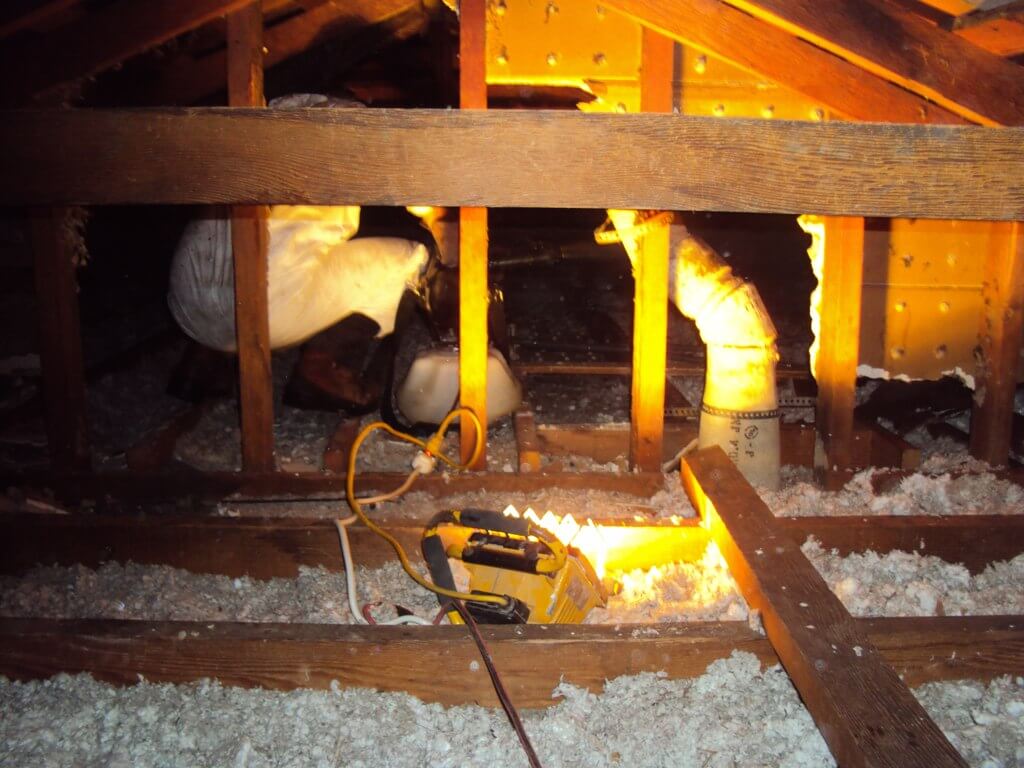
Service Process
Inspect the attic for contamination, insulation damage, odor sources, and access points.
Remove droppings, nesting debris, or insulation that cannot reasonably stay in place.
Treat impacted areas to address lingering contamination and odor.
Replace insulation and repair weak points where animal activity caused real attic damage.
Seal likely re-entry areas so cleanup work is not undone by the next intrusion.
| Service element | What it helps address | Why it matters |
|---|---|---|
| Inspection | Contamination, damaged insulation, odor sources, and entry points | Defines whether the attic needs light cleanup, targeted repair, or broader restoration |
| Cleanup and debris removal | Droppings, nesting material, and heavily affected sections | Removes the mess that keeps odor and sanitation concerns in place |
| Sanitizing and odor treatment | Urine contamination, lingering smell, and affected surfaces | Supports a cleaner attic environment after animal activity |
| Insulation removal and replacement | Soiled, compacted, or damaged insulation | Helps restore comfort and keeps contaminated material from remaining overhead |
| Repair and sealing | Vents, roofline gaps, soffits, ducts, and other access points | Turns a short-term cleanup into a longer-term solution |
For active animal activity, strong attic odor, visible droppings, or damaged insulation, call to discuss inspection availability.
Call an Emergency Attic Inspector: (877) 724-5314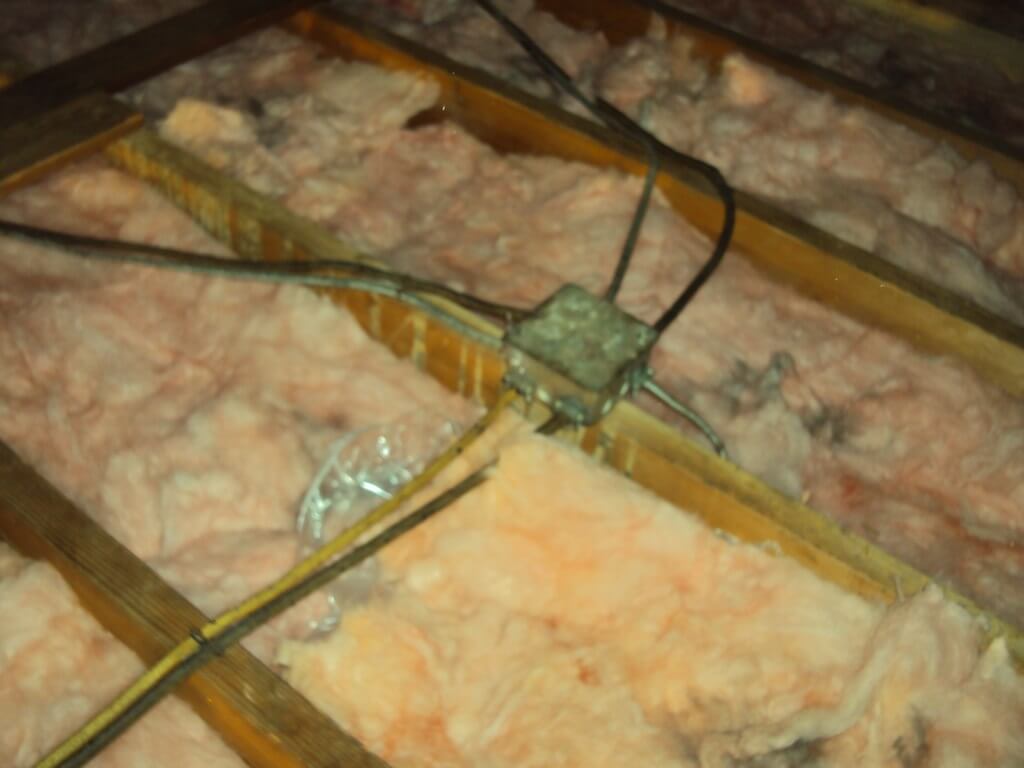
Repair decisions
One of the biggest homeowner questions is whether the attic only needs cleaning or whether the damage has crossed into repair. In Los Angeles, that shift usually happens when contamination spreads through insulation, odor remains trapped in enclosed areas, or the animals damaged vents, roofline gaps, ducting, or other materials while getting in and out.
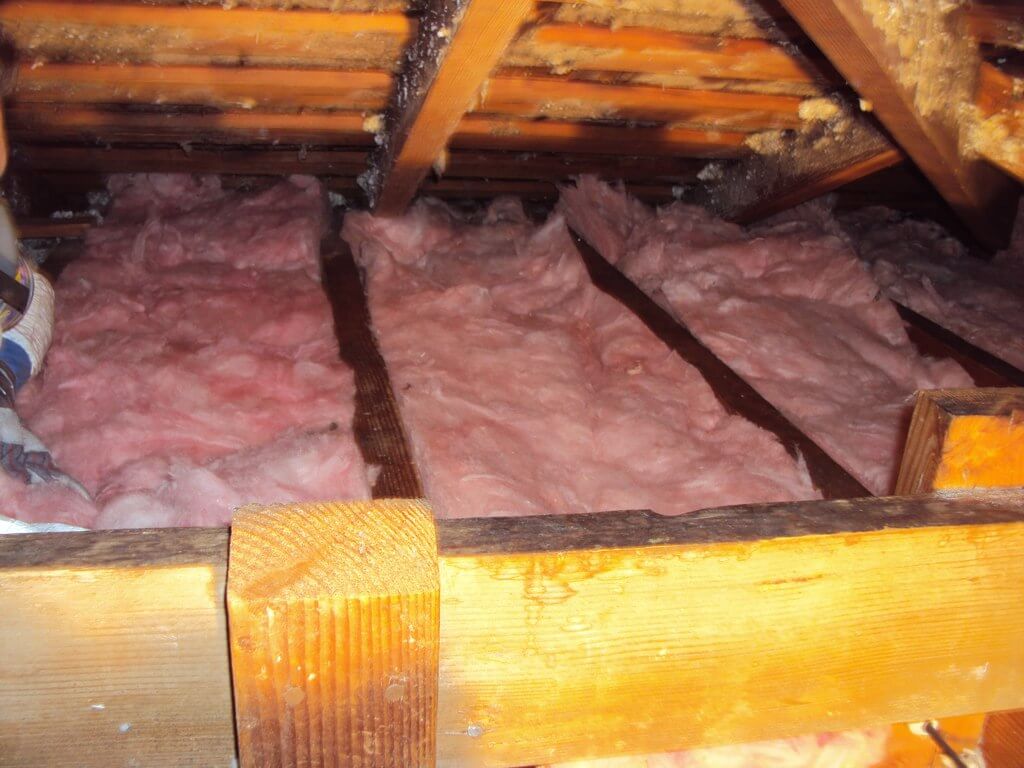
Insulation often needs closer review when it is heavily soiled, compressed by nesting, torn apart, or spread out across a larger section of the attic. The U.S. Department of Energy explains that insulation helps reduce unwanted heat flow in a home, which is one reason damaged attic insulation should not be ignored when planning cleanup and repair. If the insulation is holding contamination or no longer doing its job well, leaving it in place can weaken the overall result.
If odor lingers after the animals are gone, the problem may be deeper than visible debris. The CDC's rodent cleanup guidance warns against sweeping or vacuuming dry rodent droppings because that can spread contaminated particles into the air. That is one reason an inspection-led attic plan makes sense when droppings, urine staining, or nesting debris extend beyond one small area.
Some attics do not just need cleanup. They also need damaged access points addressed before the property can be considered protected. If the issue includes torn vent screens, chewed openings, damaged soffits, or visible wear around roofline entry points, the right next step may connect cleanup with repair rather than treating the attic like a simple housekeeping job.
Same-day scheduling depends on location, technician availability, and the condition of the attic.
Call for Same-Day Attic Inspector Availability: (877) 724-5314Restoration Workflow
A clearer process helps property owners compare service options and understand what happens after the first inspection.
Understand what happened inside the attic, where the activity occurred, and how animals got in.
Remove droppings, nesting debris, or insulation that cannot stay in place.
Treat odor-prone and affected surfaces tied to urine contamination or long-running activity.
Use targeted or broader insulation replacement when material is too soiled or damaged to leave in place.
Recommend repairs or sealing work so the attic is harder for animals to access again.
Need a clearer scope before comparing quotes? Start with the contact page and explain whether you are dealing with odor, visible droppings, damaged insulation, or a suspected entry-point problem.
If the animal problem may still be active, call before restoration so removal, cleanup, and repair can be handled in the right order.
Call an Emergency Animal Trapper: (877) 724-5314Service Levels
These terms often get blurred together, but they do not mean exactly the same thing. Understanding the difference helps Los Angeles property owners ask better questions during an inspection.
| Service level | Usually includes | Best fit when |
|---|---|---|
| Cleanup | Removal of droppings, nesting debris, and localized contaminated material | The issue is limited and there is little or no structural follow-up needed |
| Repair | Sealing access points, addressing damaged vents, roofline gaps, or other weak areas | The animals damaged the structure or created obvious re-entry points |
| Full restoration | Inspection, cleanup, sanitizing, insulation work, odor control, and repair coordination | The attic has overlapping contamination, insulation, and prevention needs |
For many Los Angeles properties, the strongest plan is full restoration because it solves the cleanup issue and the reason the attic became vulnerable in the first place.
Pricing Factors
No two attics are affected in exactly the same way, so the final scope depends on what the inspection finds. A light cleanup after limited activity is very different from a larger project involving widespread contamination, insulation removal, and repair work.
If you want a rough estimate range before booking, ACAT's published trapping price guidance offers general context. The actual attic scope, however, is best defined after inspection because no responsible provider should treat every contamination and repair project the same way.
| Cost factor | Why it changes the scope |
|---|---|
| Attic size and access difficulty | Larger attics and tighter access points usually require more labor time. |
| Contamination level | More droppings, odor, nesting, or staining usually means more removal and treatment work. |
| Insulation condition | Partial cleanup is different from broader insulation replacement. |
| Repair complexity | Damaged vents, roofline gaps, or problem areas around soffits and ducts can expand the job. |
| Active vs. post-infestation work | If animals are still active, removal and exclusion planning may need to happen before restoration is finished. |
Call to discuss contamination, insulation condition, odor, and possible entry-point repairs.
Call an Attic Damage Inspector: (877) 724-5314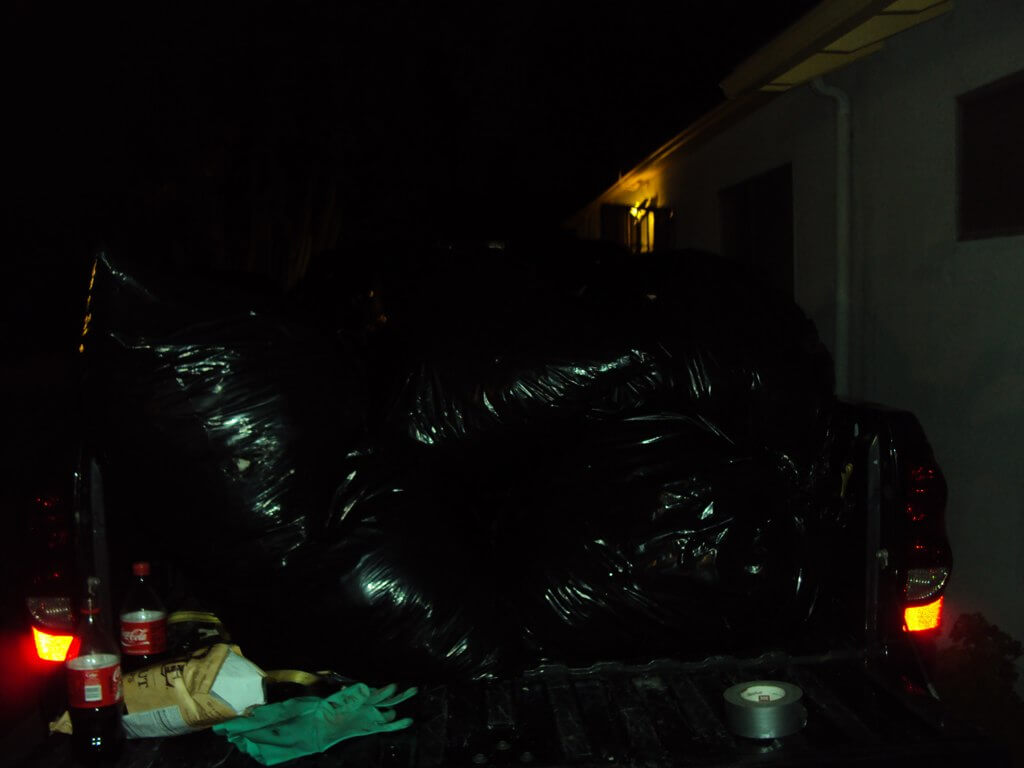
Common Attic Damage
Rodents are a common reason homeowners end up researching attic cleanup. Droppings, urine odor, chewed materials, and disturbed insulation can all point to a larger issue. If the source of the problem is still active, pages like Los Angeles rat removal, rat removal service, and mice removal service can help explain the removal side of the solution.
Wildlife issues can create heavier entry-point damage, torn insulation, stronger odor, and bigger cleanup zones than a small rodent issue. That is one reason inspection matters so much. The repair path may look different depending on the animal, the access route, and how long the problem has been active.
Even when the animals are gone, the attic can still hold odor and contamination that affects how the space feels and functions. That is why ACAT's decontamination and odor removal resource is an important supporting page for homeowners comparing service scope.
Why Professional Restoration
Direct answer: Professional attic restoration matters because cleanup without prevention can leave the property open to repeat animal activity, while prevention without cleanup can leave contamination, odor, and damaged insulation behind. The better result comes from handling both sides together.
This service topic is relevant for owner-occupied homes, rental properties, HOAs, and commercial spaces that need attic cleanup after animal activity. The company's locations page outlines the broader Southern California coverage, which is useful if the property sits elsewhere in the Greater Los Angeles service area but still needs attic restoration support.
Summary
FAQ
Not always. Some attics only need targeted cleanup, while others need partial or full replacement because the insulation is heavily soiled, compressed, or damaged by nesting. The right answer depends on how far contamination spread and whether the insulation is still in usable condition after inspection.
Yes. Odor problems often return when the underlying source stays in the attic, such as contaminated insulation, nesting debris, or dead-animal remains. Covering up the smell without removing the affected material usually leads to short-term relief instead of a more complete fix.
That depends on the policy, the cause of the damage, and how the carrier classifies the loss. It is better to review the claim details directly with the insurance provider instead of assuming attic cleanup or repair will be covered.
That is usually the most practical next step because attic conditions vary so much. Inspection helps define contamination level, insulation issues, odor sources, access difficulty, and whether the job needs cleanup only or broader repair. A site-specific recommendation is more useful than a generic one-price answer.
The timeline depends on attic size, contamination level, insulation scope, and how much repair work is needed after the cleanup stage. A smaller project may move more quickly, while a larger restoration can take longer because removal, sanitizing, insulation work, and sealing must happen in the right order.
Cleanup usually refers to removing droppings, nesting debris, and affected materials, while decontamination focuses more on treating the surfaces and odor-prone areas that remain after removal. Many attics need both, especially when the issue involved long-running rodent or wildlife activity.
If your attic has signs of rodent or wildlife activity, the safest next move is to understand the full scope before patching one symptom at a time.
Call a Los Angeles Attic Inspector: (877) 724-5314