

The #1 Rated
Animal Trapping Company
In the US!

Rat Trapping and Removal in Los Angeles

Since 1989, All City Animal Trapping has humanely trapped and removed rats and other rodents throughout LA County. Trust us for fast, effective solutions to keep your property rodent-free.

Do you have a rat problem? We can help.

Don’t let the rats wreak havoc. Call us today for rapid rat removal.

At All City Animal Trapping, we get the job done right the first time. Our experienced, licensed professionals use humane methods to trap and remove rats to ensure your home or business stays secure and free from infestation.

Poison won’t solve your rat problem.

Thinking about calling a rat exterminator?

Poison never solves a rat infestation. Trapping and removal is the most effective way to rid your property of rats.

If you notice evidence of rats at your home or business, don’t delay. Rats cause disease, contamination, and damage.

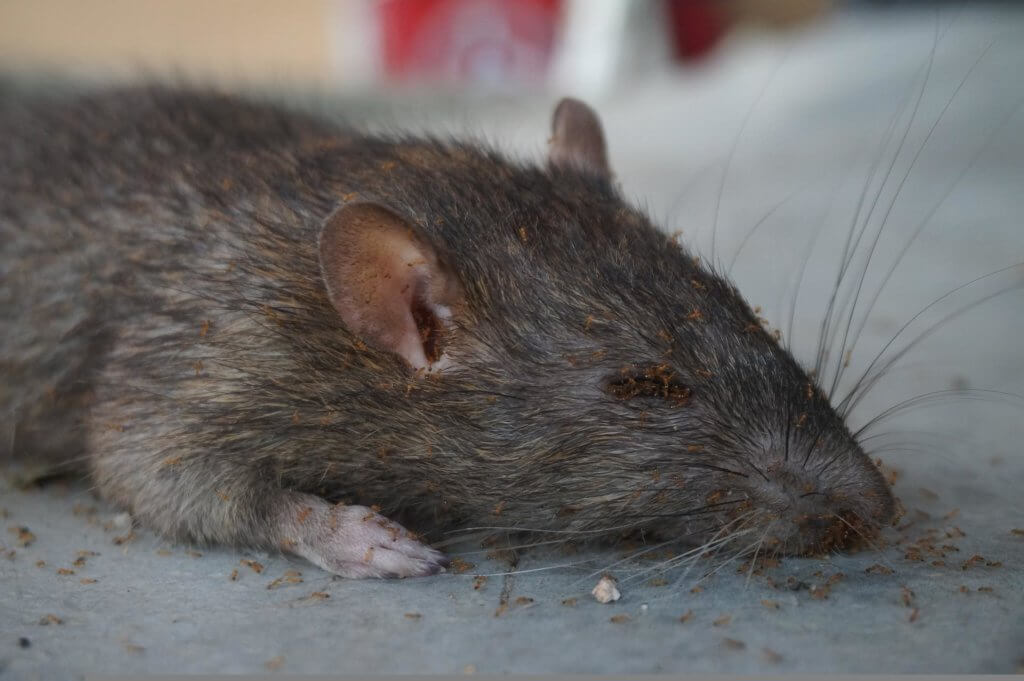
A dead mouse
Dead Rat Removal Near Me

We Get the Rats Outta There Fast—and for Good

Comprehensive Rat Removal Process

Our rat removal process covers everything from inspection to prevention to ensure your LA County property remains rat-free for the long term.

Inspection & Assessment

We begin with a complete inspection of your property to identify problem areas. We’ll pinpoint:

  • Rat nests
  • Droppings
  • Gnaw marks
  • Potential entry points
  • Food sources
  • Structural issues

Trapping the rats is only one piece of the puzzle. Our inspection ensures they won’t run right back. 

Humane Trapping & Removal

We use humane trapping techniques to remove rats from your property safely. Our approach avoids harmful poisons, ensuring the safety of your family and pets. We set traps, check them regularly, and remove rats promptly to minimize disruption.

Dead Rat Removal & Cleanup

If you have dead rats at your home or business, we safely remove them. We also clean and disinfect contaminated areas to avoid further issues. Our goal is to leave your property in better condition—free from any hazards associated with rat infestations.

Rat Prevention & Proofing

After the removal process, we rat-proof your property to prevent future infestations or contamination. 

  • Seal entry points like gaps, cracks, or holes
  • Install rat barriers to cover vulnerable areas
  • Remove attractants like food sources and clutter

Our goal for all our Los Angeles neighbors is to help you enjoy a rat-free environment for the long term. 

“My house is now free of rats!”

We’ve helped countless customers with rats, rodents, and other animals over our decades serving Greater Los Angeles. Instead of listening to us brag, just take it from the neighbors.

Common Signs of Rat Infestation in Los Angeles

According to KTLA, Los Angeles is America’s second “rattiest” city. That’s no surprise, considering the warm climate provides ideal conditions for these furry invaders to thrive year-round.

Rats are expert hiders, but here are common signs of rat infestations:

  • Droppings — If you find feces, it’s time to call. 
  • Gnaw marks — Brown smudges and chew marks mean the little buddies are running rampant. 
  • Noises in the attic or walls — A little pitter-patter could spell a big rat problem.
  • Unpleasant odors — Trust your nose. Give us a call.

Removing Rats Across LA Near You

We’re not about to let the City of Angels become a refuge for rats. That ain’t gonna happen—not on our watch. We provide comprehensive rat removal services across Greater Los Angeles.

  • Torrance
  • Sherman Oaks 
  • Hollywood
  • Long Beach
  • Redondo Beach
  • Pasadena
  • Beverly Hills
  • Palo Verdes
  • Manhattan Beach
  • Studio City

Los Angeles’s Professional Rat Trappers

Don’t let rats invade your home and jeopardize your family’s safety. All City Animal Trapping is here to provide LA with swift, effective, and humane rat removal services.

With decades of experience, we know how to get rid of rats—and fast. Our licensed trappers are available to take immediate action to solve your problems. Get ready for complete peace of mind in a rodent-free property.

Call us today for a free, no-obligation quote. Get tried and true rat removal experience on your side now.

Common Rat Removal Questions

Is rat removal humane?

At All City Animal Trapping, it is! We prioritize humane methods to remove rats safely and responsibly without unnecessary harm. 

How quickly can you remove rats?

Trust us—we understand the urgency of rat infestations. Our team works quickly to address your concerns. We can often offer same-day or next-day service for rapid rat relief. 

How much does rat removal cost?

We offer fair and transparent pricing for all our neighbors in Los Angeles and work hard to beat competitor prices. Contact us today to discuss your needs and receive a comprehensive rat trapping and removal quote. 

Call anytime for a FREE Quote! 877-724-5314 Let us beat any competitor’s price.

We provide rat trapping and removal service to all cities in Los Angeles county, including:

Rat Removal Torrance     Rat Removal Redondo Beach     Rat Removal Palos Verdes     Rat Removal Sherman Oaks

Rat Removal Hollywood     Rat Removal Pasadena     Rat Removal Manhattan Beach

Rat Removal Long Beach     Rat Removal Beverly Hills     Rat Removal Studio City

Animal Removal Service in Southern California

Animal Removal Service in Southern California

If you need an animal removal service in Southern California, the goal is not just getting one animal off the property. The right solution starts with a careful inspection, uses humane removal methods, addresses contamination or damage when needed, and helps reduce the chance of the problem coming back.

Call (877) 724-5314

Southern California Animal Removal

Animal removal service in Southern California: what ACAT does

Direct answer: A professional animal removal service identifies what is getting into the structure, removes the active animal problem humanely, helps with cleanup or odor issues when needed, and recommends exclusion work to help stop repeat entry. That is the difference between a short-term fix and a more complete wildlife-control plan.

All City Animal Trapping & Removal (ACAT) serves homeowners, landlords, HOAs, property managers, and businesses across Southern California. This page is built around what customers usually need most: a clear explanation of what the service includes, when to call, what affects pricing, and what to do next if you need help now.

For customers comparing options, ACAT's broader animal removal services page already shows a wide species range, but this page explains what the actual service process looks like when you need help on a home, rental, HOA property, or commercial building.

Call (877) 724-5314
Rodent activity representing wildlife and animal removal service in Southern California
Dead animal removal and contamination concern inside a Southern California property

When to call

When you need a professional animal removal service

Animals in attics, walls, crawlspaces, roofs, and yards

Many calls start with sounds, smells, or visible damage rather than a clear animal sighting. You may hear scratching above the ceiling, find droppings near stored items, notice disturbed insulation, or see signs of digging, nesting, or chewing around the structure. Animals often use attics, wall voids, crawlspaces, chimneys, garages, rooflines, and exterior gaps as shelter or travel routes.

Dead-animal odor, contamination, and damage warning signs

Sometimes the urgent problem is no longer the live animal. It may be the odor behind a wall, the contamination left in insulation, or the sanitation concerns caused by droppings and nesting material. According to the CDC's rodent cleanup guidance, contaminated areas should be handled carefully instead of dry-swept or vacuumed. That is why cleanup support is often just as important as active removal.

Service scope

What our animal removal service includes

Inspection and species/problem assessment

Every strong wildlife-control job starts with understanding the actual problem. That means identifying the likely species, where activity is happening, how long it may have been going on, and how the animal is entering or moving through the structure. A vague "we will set traps" answer often misses the bigger issue if the animal is nesting inside the property or if multiple access points are involved.

Humane trapping, eviction, or removal

The removal method should match the animal, the risk level, and the property type. Some situations call for trapping, while others may require eviction-style strategies, nest considerations, or a broader control plan for recurring activity. The goal is to solve the immediate problem without relying on generic one-size-fits-all tactics that ignore the layout of the structure.

Cleanup, deodorizing, and contamination support

When droppings, nesting material, odor, or dead-animal issues are part of the job, removal alone is not enough. ACAT also offers decontamination and odor removal, which makes this service more useful for customers dealing with the aftermath of an infestation or a hidden carcass.

Exclusion, repair, and prevention next steps

If likely entry points stay open, another animal can use the same gaps after the first problem is removed. Exclusion and repair recommendations help turn a short-term fix into a stronger long-term result. This is especially important for roofs, vents, eaves, chimneys, crawlspace openings, and utility penetrations that animals can reuse if they are not addressed.

How it works

Our 4-step animal removal process

  1. Inspect and locate the source

    The first step is confirming where the activity is happening, which animal is likely involved, and how it is getting in. A careful inspection reduces guesswork and helps the plan match the real conditions on the property.

  2. Remove the active animal issue

    Once the activity is mapped, the next step is targeted removal. Humane animal removal focuses on solving the immediate problem while keeping the service aligned to the species, the structure, and the urgency of the call.

  3. Address mess, odor, or damage

    Some jobs stop at removal, but many customers also need help with droppings, odor, damaged insulation, or a dead-animal cleanup situation. Addressing those issues can make the property safer, cleaner, and more usable again.

  4. Help prevent re-entry

    The final step is strengthening the property against repeat intrusion. That may include exclusion recommendations, repair next steps, and guidance on which vulnerable areas should be sealed or monitored more closely.

Speak With A Live Trapper Now!

If you are hearing noises in the attic, smelling an odor behind the wall, or seeing wildlife activity around the property, call to discuss the next step.

Call (877) 724-5314

What we handle

Animals and situations we handle most often

Common wildlife and nuisance-animal calls

Based on ACAT's service hierarchy, the company handles a wide range of animal issues across Southern California, including raccoons, skunks, opossums, squirrels, birds, snakes, bats, rodents, and dead-animal situations. The key is not just which animal is involved, but where it is active and what follow-up work the property needs after removal.

  • Attic intrusions that lead to scratching sounds, nesting, droppings, or damaged insulation
  • Wall or crawlspace activity where the source is hidden and odor or noise is the first clue
  • Roofline and chimney access where animals use structural openings to enter or return
  • Yard or exterior problems that affect foundations, landscaped areas, or outdoor living spaces
  • Dead-animal removal when odor, sanitation, or inaccessible carcass recovery becomes the urgent issue

Homes, rentals, HOAs, and businesses

Animal problems affect different types of properties in different ways. Homeowners may want fast relief and prevention. Landlords and property managers may need help reducing turnover delays. HOAs often need a clear plan that fits shared structures and communication needs. Businesses may be focused on sanitation, appearance, or after-hours coordination.

ACAT's Southern California service areas give the company regional reach across Los Angeles, Orange, Riverside, and San Bernardino Counties.

Pricing factors

What changes the cost of animal removal?

The price of animal removal depends on the scope of the job, not just the species name. A simple exterior issue may be very different from a complex attic intrusion with contamination, odor, and multiple access points. The most helpful pricing conversation usually explains what was found, what is urgent now, and what work is recommended to reduce repeat problems.

Factors that can change the scope of animal removal
Cost factorWhy it mattersWhat it can change
Animal type and behaviorDifferent animals create different risks, nesting patterns, and removal needs.Removal method, visit count, and urgency
Access difficultyAttics, walls, crawlspaces, roofs, and chimneys require different levels of time and effort.Inspection complexity and labor time
Property typeSingle-family homes, rentals, HOAs, and commercial sites all have different access and coordination needs.Scheduling, documentation, and project scope
Cleanup needsDroppings, odor, nesting debris, or dead-animal recovery can add sanitation work.Materials, safety procedures, and disposal
Exclusion and repair workPreventing repeat entry often requires sealing vulnerable openings after removal.Total project size and long-term value

Customers who want more quote context can review ACAT's pricing guidance, then use the inspection to get a more accurate service recommendation.

Why choose ACAT

Why property owners choose ACAT for animal removal

Humane service with practical next steps

One of the biggest gaps in many competitor pages is process clarity. People do not just want to know that a company removes animals. They want to know what happens after the call, whether cleanup is available, whether someone can help with repeat-entry problems, and whether the provider understands the realities of attics, roofs, crawlspaces, yards, rentals, and commercial properties.

Southern California coverage and service support

ACAT's live site positions the company across multiple Southern California counties and pairs animal removal with related support pages for contact, pricing, cleanup, and broader service categories. That makes the page easier to use for customers who want both immediate help and a clearer understanding of the service scope before they book.

Better than a trap-only mindset

The strongest long-term result usually comes from combining inspection, removal, cleanup support, and exclusion planning. If the service stops with the first visible animal, the underlying entry-point issue and sanitation concerns may still be waiting in the background.

Summary

Key Takeaways

  • Animal removal service should solve the full problem. Inspection, humane removal, cleanup support, and prevention matter more than a quick trap-only fix.
  • Signs of wildlife activity are often indirect. Noises, odors, droppings, insulation damage, and roofline access points can all signal a deeper issue.
  • Cleanup and odor support are important. In many jobs, the contamination left behind becomes just as urgent as the active animal issue.
  • Pricing depends on scope. The property layout, access difficulty, cleanup needs, and exclusion work all affect the final quote.
  • Regional coverage helps. ACAT serves customers across Southern California and offers related pages for pricing, contact, cleanup, and broader animal-removal support.

FAQ

Frequently Asked Questions

What animals does ACAT remove?

ACAT's live service structure shows help for a wide range of Southern California animal issues, including rodents, raccoons, skunks, squirrels, opossums, birds, snakes, bats, and dead-animal situations. The right service plan depends on where the animal is active and what kind of contamination, odor, or property access problem comes with it.

Do you use humane animal removal methods?

ACAT's site positions the company around humane trapping and removal. In practice, humane service means the method should match the species, the structure, and the problem instead of relying on vague, generic tactics. It should also include clear next steps for cleanup or exclusion when the property needs more than removal alone.

Do you help with droppings, odors, and contamination too?

Yes. That is one of the biggest reasons customers look for a full-service animal removal company instead of a narrow trap-only provider. ACAT's site includes cleanup and odor-removal support for situations where the bigger problem is what the animal left behind.

How quickly should I call for animal removal service?

If you hear repeated noises, notice fresh droppings, smell a dead-animal odor, or see signs of nesting or entry-point damage, it is smart to call sooner rather than later. Problems often get more expensive when animals stay active inside attics, walls, crawlspaces, or rooflines for longer periods.

Does animal removal service include repairs or exclusion?

It should at least include exclusion guidance or repair recommendations where the property is vulnerable. Not every job has the same repair scope, but preventing re-entry is one of the most important parts of solving the problem well. Without that step, another animal can reuse the same opening later.

How do I get a quote for animal removal in Southern California?

The best next step is to request an inspection or free quote through ACAT's contact page or by calling (877) 724-5314. A strong quote should explain the scope of the problem, the recommended removal plan, and whether cleanup or exclusion should be part of the same project.

Get animal removal help today

If you are dealing with noises in the attic, an odor in the wall, contamination in the crawlspace, or visible wildlife activity around the structure, now is the right time to get the problem assessed.

Call (877) 724-5314
Los Angeles Rat Removal | Humane Help That Lasts

Rat Removal in Los Angeles That Solves the Source

If you need rat removal in Los Angeles, the right service should do more than catch one rat and leave. A lasting solution usually includes a full inspection, humane trapping, cleanup when contamination is part of the problem, and proofing work that helps stop rats from getting back in.

Call (877) 724-5314

Los Angeles Rat Removal

Rat removal in Los Angeles: what the job should include

Direct answer: Professional Los Angeles rat removal should be inspection-led, not bait-led. The goal is to find where rats are active, remove them safely, address any contamination they leave behind, and close the openings that let the infestation keep restarting.

All City Animal Trapping positions its Los Angeles rat removal service around solving the source of the infestation, not just the symptom. For homeowners, landlords, property managers, HOAs, and businesses, that matters because repeat rat problems often happen when the entry points, contamination, and structural weak spots are never addressed.

This Los Angeles page works best when paired with All City Animal Trapping's broader rat removal service, its trapping prices guidance, and its decontamination and odor removal service for properties that need cleanup after the rats are gone.

Call (877) 724-5314

Rat removal inspection at a Los Angeles property

Service timing

Same-day vs. scheduled rat service

Some rat problems need urgent attention, especially when you hear nonstop attic activity, find fresh droppings near food or pet areas, or discover chewed wiring. Other situations are better handled through a scheduled inspection so the technician can evaluate trapping, cleanup, and proofing needs in one visit. Fast service matters, but clear scope matters too.

Who this service is for

Who this service is usually for

Los Angeles rat removal is not only for single-family homes. The same issues show up in rentals, multi-unit properties, shared HOA spaces, restaurants, retail buildings, storage areas, garages, crawlspaces, and attics. That is why the best service pages speak to both the immediate infestation and the property-specific work needed to keep it from coming back.
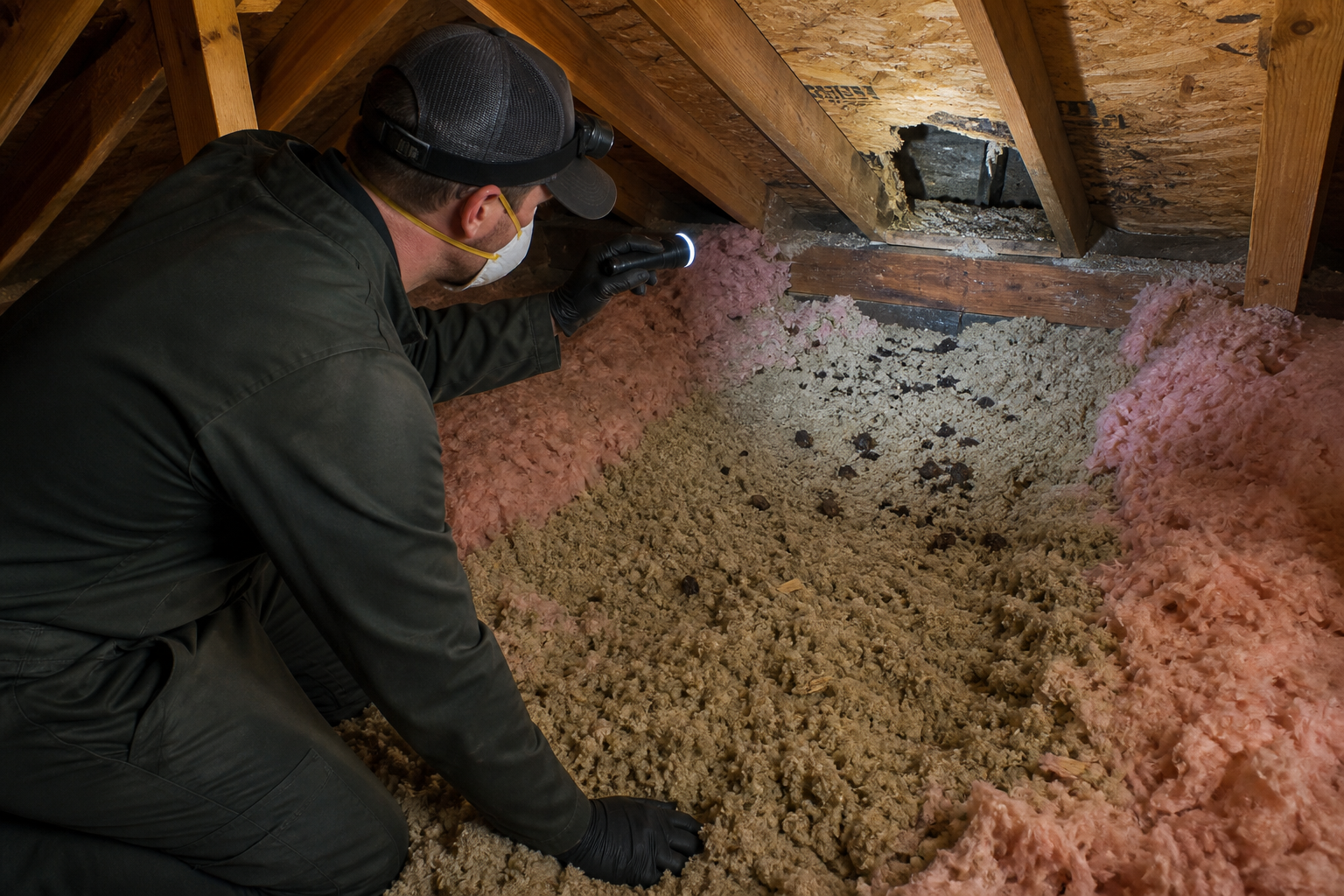
Attic inspection that helps identify rat travel paths, damage, and cleanup needs

Warning signs

What are the signs you need professional rat removal now?

Rats rarely stay a small problem for long. The earlier the issue is identified, the easier it usually is to limit property damage, contamination, and repeat activity.

What fresh droppings, scratching, and odor usually mean

Common warning signs include scratching in the attic or walls at night, fresh droppings under sinks or along baseboards, grease marks where rats follow the same route, gnawed food packaging, torn insulation, and a sharp urine-like odor. When those signs are recent or getting worse, the activity is usually ongoing rather than leftover from an old infestation.

When a rat problem becomes a safety issue

Professional help becomes more urgent when rats have contaminated insulation, entered food-storage areas, or chewed wiring. The CDC advises against sweeping or vacuuming dry rodent droppings because that can push contaminated particles into the air. If the issue involves droppings, dead-rat odor, or repeated sightings in living areas, it makes sense to move quickly instead of trying random short-term fixes.

Why bait alone falls short

Why poison alone usually fails

Poison may sound convenient, but it often replaces one problem with another. Rats can die inside walls, attics, crawlspaces, or other inaccessible spaces, which leaves homeowners dealing with odor, insects, and contamination after the fact. Poison also does nothing to explain how the rats got inside in the first place.

That is why humane trapping, inspection, cleanup, and proofing are a stronger long-term fit for Los Angeles rat removal. The objective is not only to lower activity for a few days. It is to reduce the chance of the same structure being used again.

Dead-rat odor and hidden nesting problems

When a rat dies in a hidden area, the cleanup problem can become worse than the original sighting. Odor can spread through living spaces, nesting material can stay behind in attics or garages, and contaminated insulation or surfaces may still need attention. That is where a related service like decontamination and odor removal becomes relevant.

Why proofing matters more than one-time baiting

Trapping removes the active rats. Proofing helps reduce what comes next. The CDC recommends sealing gaps and holes as part of rodent prevention because exclusion is what interrupts the access cycle. If the roofline gaps, vent openings, crawlspace entries, or utility penetrations stay open, the property remains vulnerable even after the current activity drops.
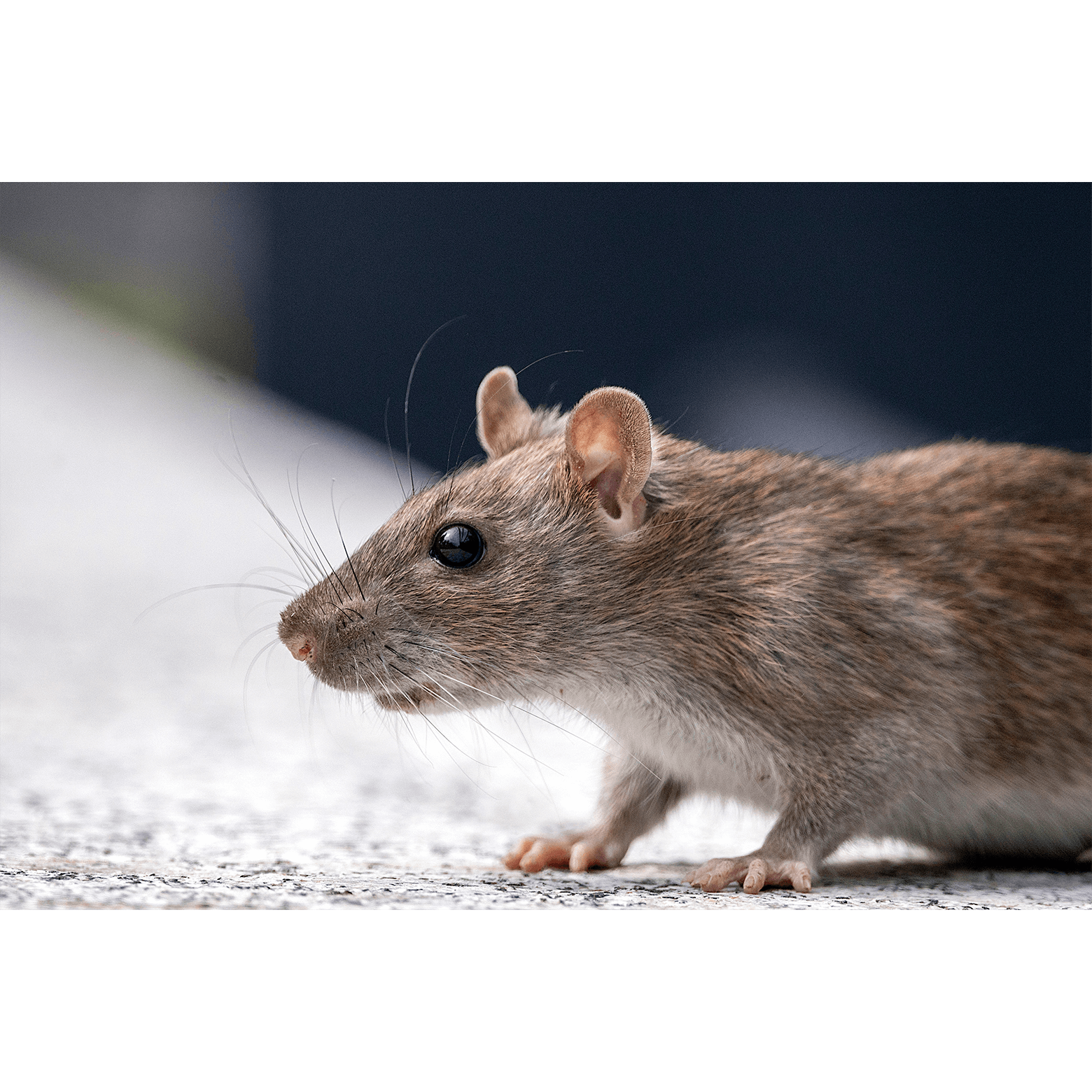
Dead rat removal and odor concern in a Los Angeles property

How ACAT handles the job

How does All City Animal Trapping handle rat removal in Los Angeles?

One of the biggest weaknesses in this market is that many service pages say they handle rats without making the process clear. A stronger page explains what the customer should actually expect from the visit and what can expand the job beyond basic trapping.

  1. Inspection and entry-point mapping

    The first step is finding where rats are active, how they are getting in, and how far the problem has spread. That can include attics, wall voids, garages, crawlspaces, rooflines, vents, utility penetrations, and storage-heavy areas where nesting material collects.

  2. Humane trapping and active removal

    Once the active areas are identified, targeted traps can be placed where they make the most sense. This is usually a better approach than broadly relying on poison because it gives the technician a more controlled way to remove active rats while keeping the process tied to inspection findings.

  3. Cleanup, sanitation, and dead-rat removal

    If droppings, urine odor, nesting debris, or a dead rat are part of the problem, cleanup may need to be included in the scope. That can be especially important in enclosed spaces like attics and crawlspaces where contamination lingers after the active animals are gone.

  4. Rat proofing and prevention

    After the active infestation is under control, sealing vulnerable openings helps reduce repeat entry. This is the part many frustrated property owners were missing from their last attempt. A job that includes both removal and exclusion is usually much closer to a real solution than one that only focuses on immediate kill methods.

Need help deciding what service you actually need? Start with the contact page or review the published trapping prices guidance before booking.

Speak With A Live Trapper Now!

If you are hearing scratching, finding droppings, or dealing with a rat problem that keeps coming back, call to discuss the property and next inspection step.

Call (877) 724-5314

Pricing factors

What changes the price of rat removal in Los Angeles?

There is no responsible one-price answer for every rat problem because the scope can change a lot from property to property. A small attic issue in one home is not the same as a widespread infestation with contamination, odor, and multiple access points in a larger building.

Factors that can change the scope of Los Angeles rat removal
Price factor Why it changes the scope What it can add to the project
Infestation size More activity usually means more inspection time, more trap placement, and more follow-up. A larger and longer project.
Access difficulty Steep rooflines, tight crawlspaces, wall voids, and hard-to-reach attics take more labor to inspect and service safely. Higher labor complexity.
Cleanup needs Droppings, nesting material, odor, or a dead rat can expand the job beyond trapping alone. Added sanitation and deodorization work.
Proofing and repairs Sealing entry points and reinforcing vulnerable areas can be the difference between a short-term and long-term result. Additional material and prevention labor.
Property type Homes, rentals, HOAs, and commercial spaces all have different access, scheduling, and documentation needs. A more customized service plan.

For the clearest next step, use All City Animal Trapping's pricing page to understand scope drivers, then book an inspection for a property-specific recommendation.
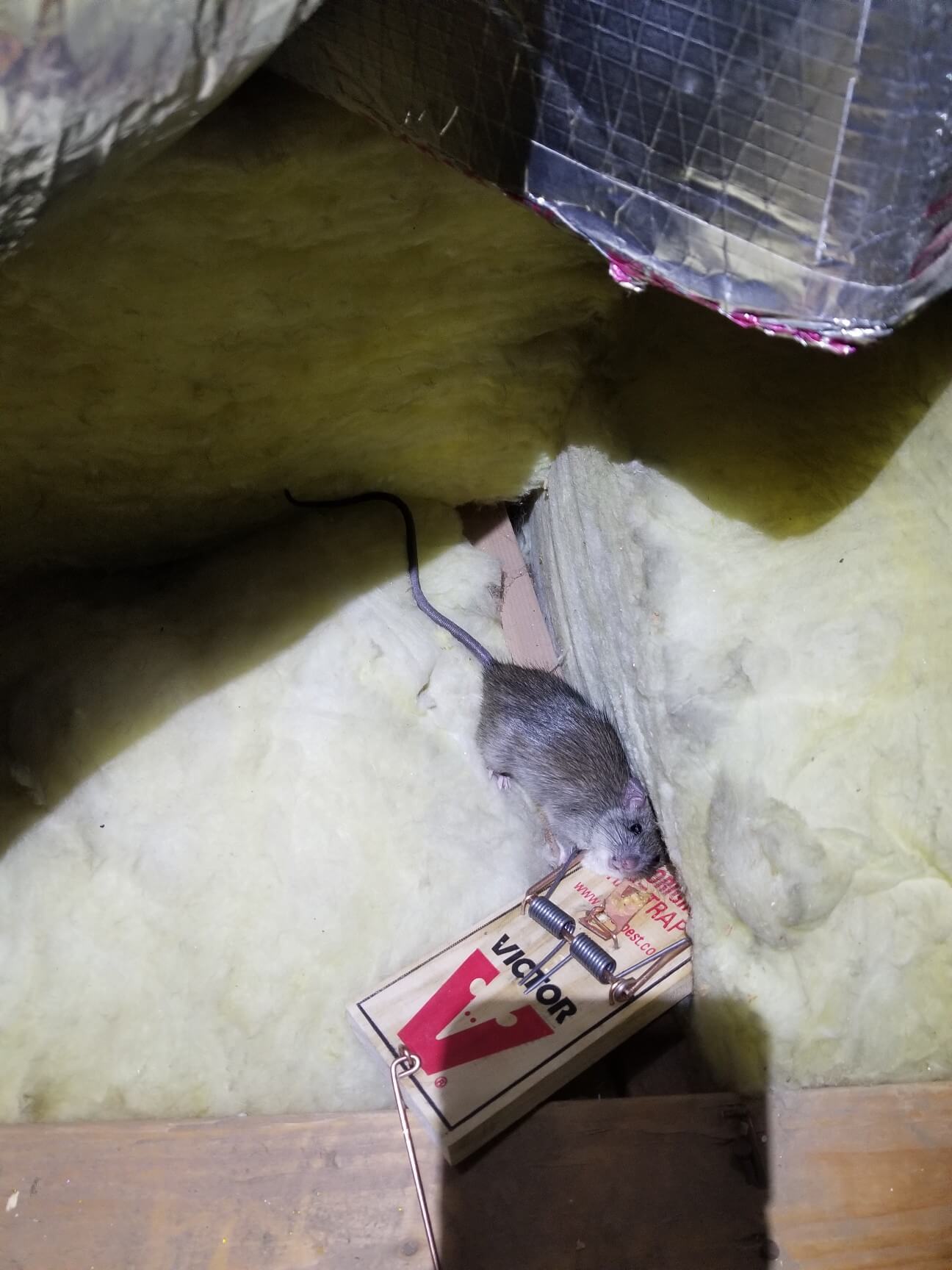
Inspection of a Los Angeles attic for rat activity and damage

Why choose ACAT

Why do Los Angeles property owners choose All City Animal Trapping?

Most people are not looking for someone to set a trap and disappear. They are looking for a company that can explain the problem clearly, remove the active rats, and make practical recommendations that protect the property going forward.

Humane removal with long-term prevention

For many customers, the decision is not just about speed. It is about avoiding unnecessary poison, reducing the chance of odor problems, and getting a plan that includes inspection, trapping, cleanup support, and exclusion. That combination matches what the Los Angeles market is often missing from weaker service pages.

Licensed, insured, and built around service

Across its live website, All City Animal Trapping presents itself as a licensed and insured wildlife removal company serving Southern California. The company's service positioning emphasizes practical help for properties dealing with rats, wildlife access, cleanup concerns, and structural re-entry issues rather than generic exterminator language.

Support for homes, rentals, HOAs, and businesses

Rat problems do not look the same across property types. A homeowner dealing with attic noise may need a different plan than a landlord managing repeat activity between units or a business worried about sanitation and access around storage areas. A better service page reflects that reality and explains why the scope can vary.

What we solve

What rat problems does this service solve most often?

Los Angeles rat removal usually involves one or more of the following situations:

  • Attic infestations with scratching, droppings, damaged insulation, or chewed wiring.
  • Wall and ceiling activity where rats move between hidden cavities and living spaces.
  • Garage and crawlspace infestations tied to storage, clutter, or visible gaps.
  • Dead-rat odor problems after a rodent dies in a hard-to-reach area.
  • Repeat-entry problems where the animals keep coming back because the structure was never properly sealed.
  • Commercial and multi-unit issues where sanitation, follow-up, and documentation matter even more.

If you are not sure whether your location is covered, you can review the company's service areas before reaching out.
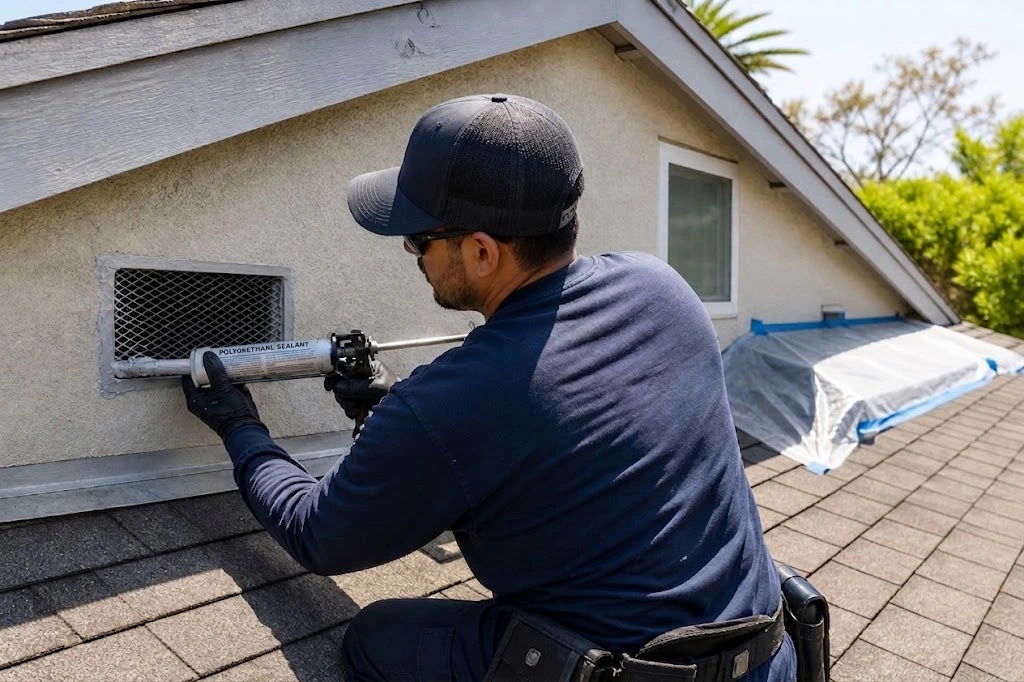
Exterior proofing work that helps reduce repeat rat entry at a Los Angeles property

Summary

Key takeaways

  • Effective Los Angeles rat removal should include inspection, active removal, cleanup when needed, and proofing.
  • Poison alone often leaves behind odor, contamination, and unresolved entry points.
  • The final price depends on infestation size, access, cleanup needs, and how much exclusion work is required.
  • Humane trapping plus proofing is usually a stronger long-term solution than a bait-first approach.
  • Fast help matters, but solving the source is what makes the service worth paying for.

FAQ

Frequently asked questions about Los Angeles rat removal

How long does rat removal take?

The timeline depends on how active the infestation is, how easy the affected areas are to access, and whether cleanup or proofing are part of the project. Some properties move quickly from inspection to trapping and follow-up. Larger or more complex situations can take longer because the lasting result depends on both removal and exclusion, not just one visit.

Do you use poison?

The service positioning on the ACAT site emphasizes humane trapping and removal rather than treating poison as the main answer. That matters because poison can leave rats to die in hidden spaces, which creates odor and cleanup problems without addressing why the infestation started. Inspection, trapping, and proofing are usually a better long-term fit.

Can you seal entry points too?

Proofing and exclusion are a major part of a lasting solution. Removing the active rats is only half the job if the same roof gaps, vents, crawlspace openings, or utility penetrations remain open. Sealing those vulnerable areas helps reduce repeat infestations and aligns with the prevention guidance recommended by the CDC.

Do you clean droppings and contaminated areas?

Cleanup may be part of the project when rats have left droppings, urine contamination, nesting debris, or odor behind. That is especially relevant in enclosed areas like attics and crawlspaces. Properties that need deeper sanitation support can also be guided toward the company's decontamination and odor removal service.

How much does rat removal cost in Los Angeles?

There is no single price that fits every property because the scope can change based on activity level, access difficulty, contamination, and proofing needs. The most useful way to think about price is by what has to be done, not by a flat number without inspection. Reviewing the pricing page is a good first step before booking.

Do you help landlords, HOAs, and businesses?

Yes. Rat issues can affect rental homes, shared buildings, office space, restaurants, storage areas, and other commercial environments as well as owner-occupied homes. Those jobs often need clearer scheduling, stronger prevention planning, and more coordination because multiple occupants or business concerns may be involved.

Book a rat inspection today

If you are hearing scratching in the attic, finding droppings, dealing with a dead-rat odor, or tired of the same problem coming back, now is the right time to move past temporary fixes.

Call (877) 724-5314

Reviews

Based on over 2000 reviews

Cecily L.
We had such a great experience with All City Animal Trapping. We got the Platinum package, and it was well worth the investment! The team was easy to reach and very responsive. Blake handled everything on site. He was very nice and communicative, showed up on time, and took care of our attic from patching to trapping and everything else. You'd never even know he was here! We're critter free which has given us peace of mind. 100% recommend All City!
Jackie Poles Ran
We really wanted a service that provided live trapping since we didn’t want to kill any animals but we didn’t want them living in our attic either! Pete was great! He was a great communicator and always kept us appraised of what he did and what he recommended. This was at our rental property and he always accommodated our tenants schedule. They are not the cheapest service but they did a great job and I’d definitely use them again.
Eileen C.
Great experience. Kevin was very thorough, patient and professional. He looked through our attic and roof area, fixed the hole in the attic and provided other recommendations.
Angela M.
Unwelcome guests in the attic! Rats! Called All City Animal Trapping, Cole was our technician. He walked around the house and went up into the crawlspace in the attic to assess the entry point. He found an opening in the attic and sealed it off, and set multiple traps. Then he followed up in a week. We caught one! He did a great job, and good attitude. Thank you!
Dead Animal Removal Torrance

To Get A Free Estimate Visit