The #1 Rated
Animal Trapping Company
In the US!

Los Angeles Raccoon Removal for Attics, Roofs, and Re-Entry Problems

The real job is finding how raccoons got in, removing the active problem safely, and reducing the chance that the same entry point gets used again.

If you hear heavy thumping in the attic, notice torn vents near the roofline, or keep seeing the same nighttime mess around your home, professional Los Angeles raccoon removal is usually about more than trapping one animal and leaving. The real job is finding how raccoons got in, removing the active problem safely, and reducing the chance that the same entry point gets used again.
 
All City Animal Trapping (ACAT) positions its service around humane wildlife removal, attic cleanup support, and practical prevention for homeowners across Southern California. If you need broader wildlife help beyond raccoons, ACAT’s animal removal services page is a useful starting point. If you already know you need help, you can contact ACAT for a quote or call (877) 724-5314.

Best Los Angeles raccoon removal

Los Angeles raccoon removal: what happens when you call

For most homeowners, Los Angeles raccoon removal starts with an inspection of the attic, roofline, vents, crawlspace access points, and other areas where raccoons commonly enter.

From there, the work usually moves through humane removal, nest or baby checks when needed, and exclusion planning so the property is less likely to have the same problem again.
Inspect the property to identify noise sources, tracks, droppings, and likely entry points.

Build a removal plan based on where the raccoon is active and whether nesting or babies may be involved.

Address immediate attic or roofline concerns after the animal issue is under control.

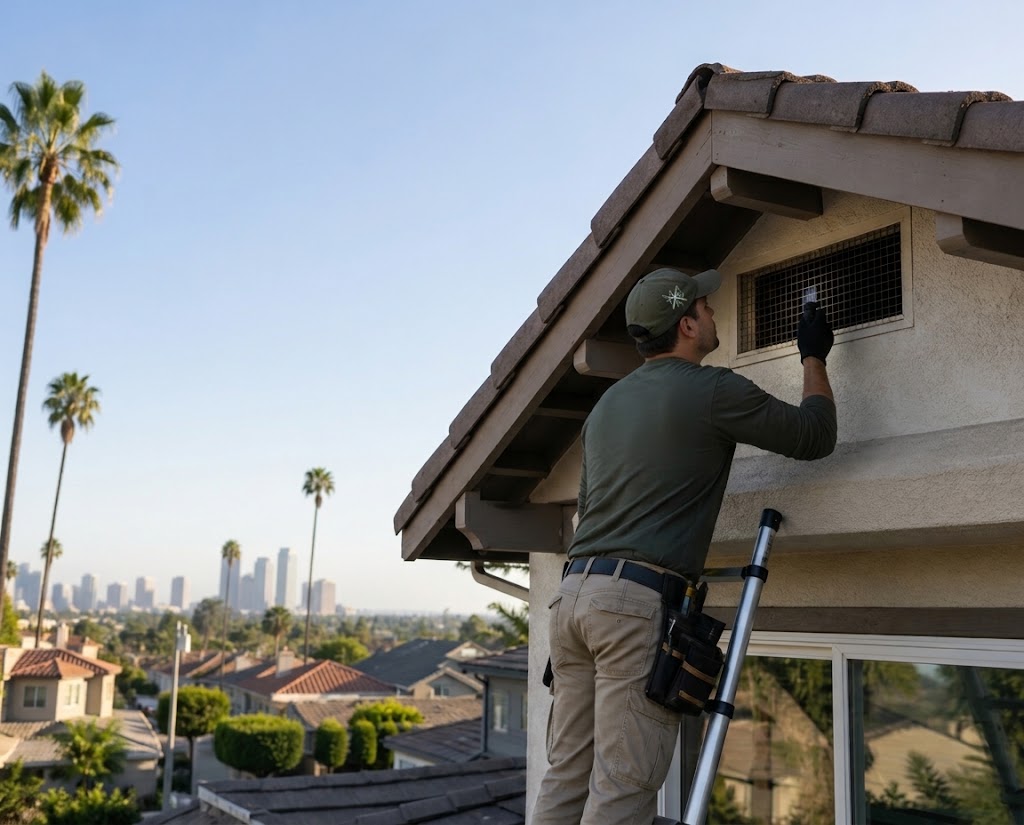
Seal or reinforce access points so the same route is harder to use again.

When fast help makes sense

Prompt service is worth pursuing when raccoons are inside the attic, when a vent or soffit has been torn open, or when droppings and odors are building up indoors. The longer raccoons stay inside a structure, the more likely the job expands from animal removal into cleanup, insulation concerns, and repair planning.

What ACAT checks first on a raccoon call​

A solid first inspection should answer a few practical questions:

  • Where is the raccoon getting in?
  • Is the activity limited to one area or spread through the attic or crawlspace?
  • Are there signs of nesting, babies, or repeat entry?
  • Is there contamination or visible damage that should be handled after removal?

That clarity matters because raccoon jobs can look similar from the driveway but differ a lot once the attic, roofline, and vents are checked closely.

What ACAT checks first on a raccoon call

Raccoons are strong, adaptable animals, so the warning signs tend to be louder and more destructive than lighter wildlife issues. Homeowners often notice the problem first at night, then discover physical evidence during the day.

What Attracts Opossums to a Property?

Noises, droppings, torn vents, and roofline damage

Common signs include heavy movement in the attic, scratching or thumping overhead, damaged vents, displaced shingles, disturbed insulation, droppings, and strong odors near access points.

You may also notice overturned trash outside, which can point to food sources that keep drawing raccoons back toward the property.

When the problem becomes a safety or property-damage issue

The risk is not just nuisance noise. Raccoon activity can damage entry points, contaminate attic areas, and create sanitation concerns when droppings collect in one spot. The Centers for Disease Control and Prevention notes that raccoon feces can spread Baylisascaris procyonis, also called raccoon roundworm, which is one reason attic contamination should be taken seriously instead of treated like a minor mess.

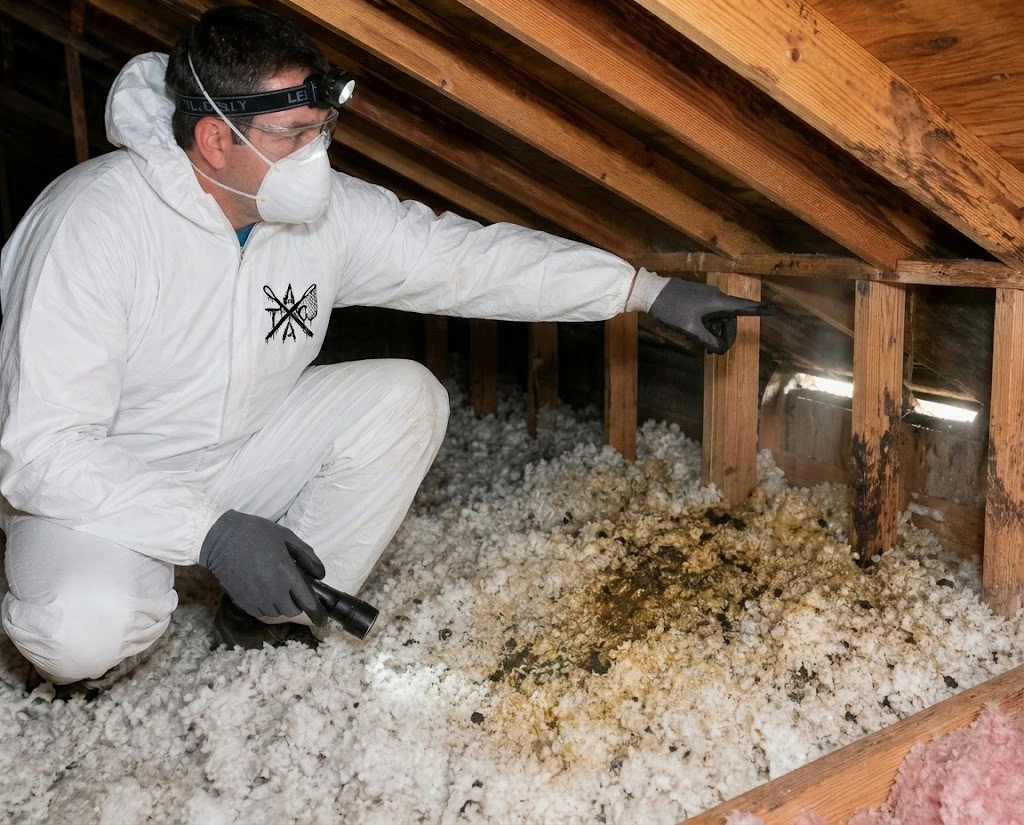
Attic inspections help confirm whether the issue involves a single intrusion, repeat entry, or a larger cleanup problem.
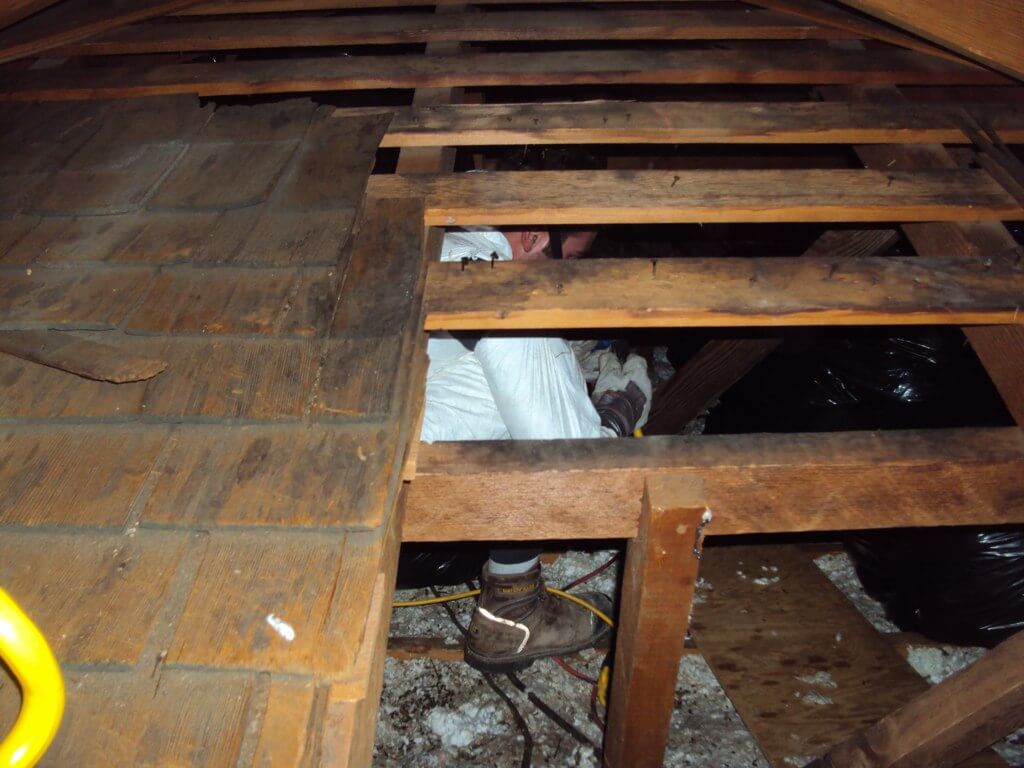
inspecting contaminated insulation and entry points

Why raccoons keep coming back to Los Angeles homes

Los Angeles homes offer exactly what urban raccoons want: shelter, water, and easy food sources. According to the California Department of Fish and Wildlife, raccoons are highly adaptable in urban environments and often return to places where food and shelter stay available. That is why removing one animal without addressing the attraction or access point often turns into a repeat call later.

Common entry points around attics, vents, and crawlspaces

Roof vents, loose fascia, soffit gaps, uncapped openings, and weak spots around the roofline are common trouble areas. Once raccoons identify a workable route, they can keep testing that same part of the house. Homes with overhanging branches, easy trash access, or nearby shelter have an even better chance of becoming repeat targets.

Why trapping without exclusion usually fails

If the property still offers food, shelter, or a familiar opening, another raccoon can move in even after the first one is gone. That is why exclusion matters. ACAT’s wildlife service page and related attic services support a more complete path: remove the active issue, inspect the structure, and follow through on prevention work.

Our 4-step raccoon removal and exclusion process

A strong service page should make the work easy to understand. Here is the process homeowners generally want to see before they commit.

1. Inspection and entry-point mapping2. Humane trapping or removal planning
The first step is confirming where the raccoon is active and how it is using the structure. That means checking the attic or crawlspace, looking at vents and roofline transitions, and identifying signs of repeat entry or nesting. A clear inspection also helps set expectations for what the job may involve after the animals are out.Once the activity is confirmed, the removal plan should match the situation rather than rely on a generic one-size-fits-all approach. Humane wildlife work is especially important when raccoons are using a home as a den site, because the goal is to solve the problem without creating a second one inside the structure.
3. Baby-raccoon check and attic follow-up4. Exclusion and prevention work
When a mother raccoon is involved, the job may require additional care and follow-up. Nesting and young animals can change both timing and next steps, which is one reason attic raccoon removal is different from a simpler outdoor nuisance issue. This is also where insulation damage, contamination, or odor problems become easier to assess.After the active animal problem is handled, the long-term value comes from closing the loop. That can mean sealing or reinforcing vulnerable access points and planning follow-up repairs or cleanup where needed. If the attic has been affected, ACAT’s attic clean and repair service is the logical next step.
Raccoon Removal Los Angeles

How much raccoon removal in Los Angeles can cost

Most homeowners want a realistic sense of what changes the size of the job, even if the page does not publish flat pricing. A scope-based explanation builds trust without overpromising.

Cost factor
Why it changes the job
Entry-point difficulty
 
Hard-to-reach rooflines, vents, or structural access points usually require more labor and planning.
Nesting or baby raccoons
 
 
Den activity can change timing, handling, and follow-up requirements.
Attic contamination
 
 
Droppings, odor, and damaged insulation may require cleanup guidance after removal.
Exclusion needs
 
 
Sealing and reinforcing openings adds preventative value but also adds scope.
Repair requirements
 
 
Torn vents, damaged soffits, or related structural issues may need repair after the animal issue is resolved.

What changes the scope of the job

A straightforward raccoon issue outside the living space is very different from a raccoon that has been denning above the ceiling for days or weeks. The bigger the access problem and the larger the cleanup issue, the more the work shifts from simple removal toward restoration and prevention.

When attic cleanup or repair adds to the work

If insulation has been disturbed, odors are lingering, or droppings are concentrated in one area, the project may continue beyond removal alone. In those cases, it makes sense to review ACAT’s attic cleanup and repair options so the property is not left halfway fixed.

Attic damage, contamination, and cleanup options

For many homeowners, this is the section competitors rush past too quickly. Getting the raccoon out matters, but so does dealing with what was left behind.

Droppings, nesting, and odor concerns

Raccoons often create repeated droppings areas, sometimes called latrines. The CDC explains that raccoon roundworm eggs can become infectious in the environment over time, which is one reason heavily contaminated spaces deserve careful handling and not just a quick sweep-up. If your attic smells strongly, insulation looks compressed or soiled, or debris is concentrated near an entry point, cleanup should be part of the conversation.

Humane raccoon trapping and removal in Van Nuys

When to move from removal to attic clean and repair

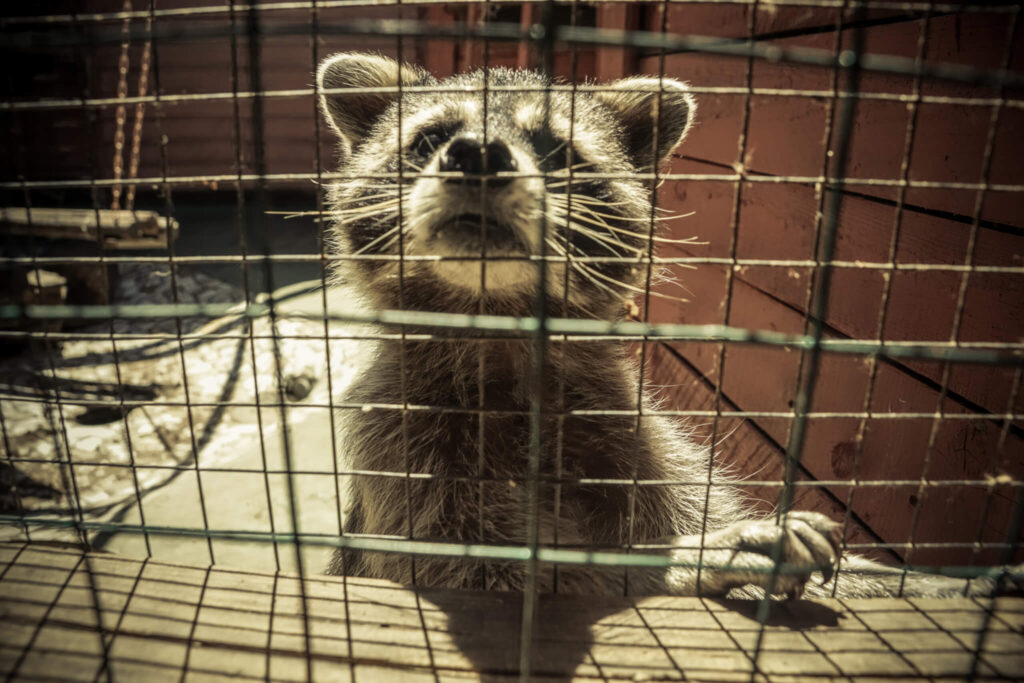
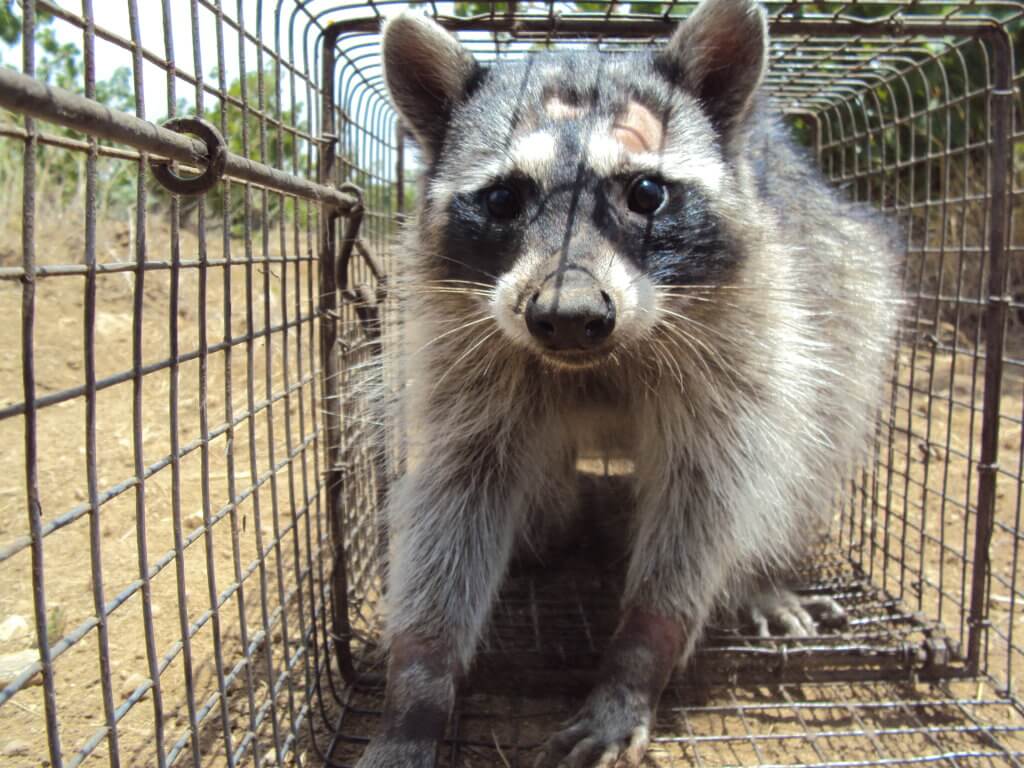
Los Angeles Raccoon trapped in a cage
If the problem has gone on long enough to affect insulation, air quality, or visible materials in the attic, it is worth addressing the site condition once removal is complete. ACAT’s attic clean and repair page is the most relevant internal next step for that stage of the project.

Why homeowners choose ACAT instead of a generic wildlife or pest company

Orange County Attic Clean and Repair
CAT is a family-owned company that presents itself as licensed and insured and states that it has more than 20 years of wildlife-removal experience across Los Angeles, Orange, Riverside, and San Bernardino Counties. Those details matter because raccoon problems are rarely just about the animal itself. Homeowners usually need a company that can connect removal, access-point diagnosis, and attic-related follow-up without making the situation more confusing.

Humane raccoon removal with prevention planning

The strongest angle for ACAT is not simply “we remove raccoons.” It is that humane removal should be paired with a real prevention conversation. That makes the page more useful for homeowners dealing with repeat attic access, roofline damage, or contamination after the animal activity stops.
 

Local experience, clear contact options, and broader attic support

ACAT already offers a visible path to service through its contact page, free-quote language, and broader wildlife and attic service pages. If you are not fully sure the noise overhead is a raccoon, it can also help to compare related animal issues such as rat removal service so the inspection starts from the right problem set.
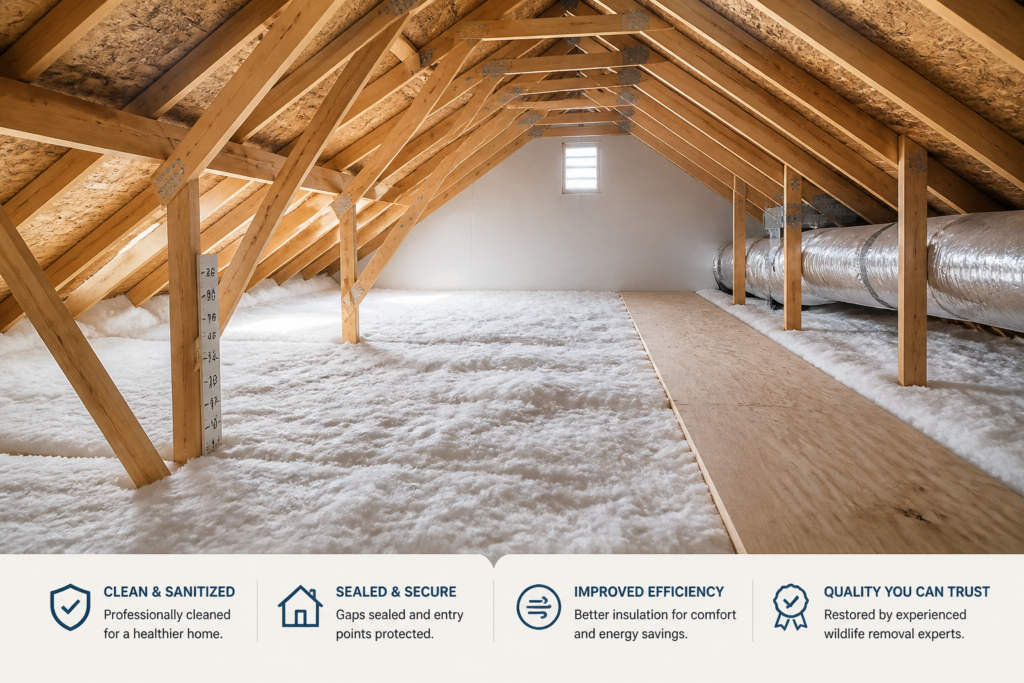
restored attic clean and repair

Key Takeaways

  • Los Angeles raccoon removal works best when inspection, humane removal, and exclusion are treated as one process.
  • Attic noise, torn vents, droppings, and odor are strong signs the job may be larger than a simple outdoor nuisance issue.
  • Cleanup and repair planning matter because raccoons can contaminate insulation and keep returning through the same access points.
  • ACAT’s related wildlife, attic-cleanup, and contact pages give homeowners a clearer next step after diagnosis.

Los Angeles Raccoon Removal FAQ

Are raccoons dangerous?

They can be. Raccoons may damage rooflines, vents, and attic materials, and their droppings can create sanitation concerns. They are also wild animals that should not be approached or handled by homeowners, especially in confined spaces such as attics or crawlspaces.

Can you remove baby raccoons too?

Jobs involving baby raccoons usually require extra inspection and a more careful removal plan than a simple single-animal call. That is one reason raccoon attic work should be evaluated on-site instead of treated like a routine exterior nuisance problem.

Do you seal entry points after removal?

Exclusion is one of the most important parts of the job because trapping alone does not solve the reason raccoons chose the house in the first place. Final recommendations depend on what the inspection finds, but sealing or reinforcing likely re-entry points is a core part of long-term prevention.

How long does raccoon removal take?

The timeline depends on where the raccoon is active, whether nesting is involved, and how much follow-up work the structure needs. A basic job moves faster than an attic-den situation with contamination or damaged vents, which is why a clear inspection matters up front.

Do you clean up raccoon mess in the attic?

Removal and cleanup are related but not always identical scopes of work. If the attic has droppings, odor, or insulation damage, the next step may involve dedicated cleanup or repair planning through ACAT’s attic service offerings after the animal issue is resolved.

What attracts raccoons to Los Angeles homes?

Food sources, water, shelter, and easy access are the main drivers. Open trash, pet food, overhanging branches, and weak roofline or vent areas all make a property more attractive to urban raccoons looking for a dependable den or feeding spot.

How do I know if I need raccoon removal or another attic animal service?

Heavier nighttime movement, torn vents, and larger entry damage often point toward raccoons rather than smaller attic pests. If the source is unclear, a professional inspection is still the fastest way to separate raccoon activity from rats, squirrels, or another wildlife issue.

Get help with Los Angeles raccoon removal

If you are dealing with attic noise, roofline damage, or repeat wildlife entry, the next step is to get the structure checked before the problem expands. ACAT offers humane wildlife removal, broader attic support, and service across Southern California.

To ask about raccoon removal in Los Angeles, visit the contact page, request a quote, or call (877) 724-5314. You can also explore the company’s service locations or review a related local page such as Riverside raccoon removal for additional context.

Reviews

Based on over 2000 reviews

Cecily L.
We had such a great experience with All City Animal Trapping. We got the Platinum package, and it was well worth the investment! The team was easy to reach and very responsive. Blake handled everything on site. He was very nice and communicative, showed up on time, and took care of our attic from patching to trapping and everything else. You'd never even know he was here! We're critter free which has given us peace of mind. 100% recommend All City!
Jackie Poles Ran
We really wanted a service that provided live trapping since we didn’t want to kill any animals but we didn’t want them living in our attic either! Pete was great! He was a great communicator and always kept us appraised of what he did and what he recommended. This was at our rental property and he always accommodated our tenants schedule. They are not the cheapest service but they did a great job and I’d definitely use them again.
Eileen C.
Great experience. Kevin was very thorough, patient and professional. He looked through our attic and roof area, fixed the hole in the attic and provided other recommendations.
Angela M.
Unwelcome guests in the attic! Rats! Called All City Animal Trapping, Cole was our technician. He walked around the house and went up into the crawlspace in the attic to assess the entry point. He found an opening in the attic and sealed it off, and set multiple traps. Then he followed up in a week. We caught one! He did a great job, and good attitude. Thank you!
Dead Animal Removal Torrance

To Get A Free Estimate Visit