

If animals or rodents have been in your attic, cleaning up the mess is only part of the job. Orange County attic clean and repair usually means inspecting the damage, removing contaminated materials, sanitizing the space, deciding whether insulation needs to be replaced, and sealing the openings that allowed the problem to happen in the first place.
Call an Orange County Attic Inspector: (877) 724-5314Orange County Attic Service
Direct answer: Orange County attic clean and repair after animal damage typically includes an inspection, removal of droppings and nesting debris, sanitizing affected surfaces, insulation evaluation or replacement, odor control, and repair or sealing of entry points so the problem is less likely to return.
All City Animal Trapping helps homeowners move from "something got into the attic" to a safer, cleaner, better-protected space. If you need help now, you can schedule a free Orange County attic inspection or explore ACAT's broader Orange County animal removal services for related wildlife and rodent issues.
A complete attic restoration job should address both contamination and the conditions that caused it. That is why cleanup-only work is not always enough. When rodents or wildlife have been active overhead, homeowners often need a combination of removal support, cleanup, deodorizing, insulation work, and minor repairs.
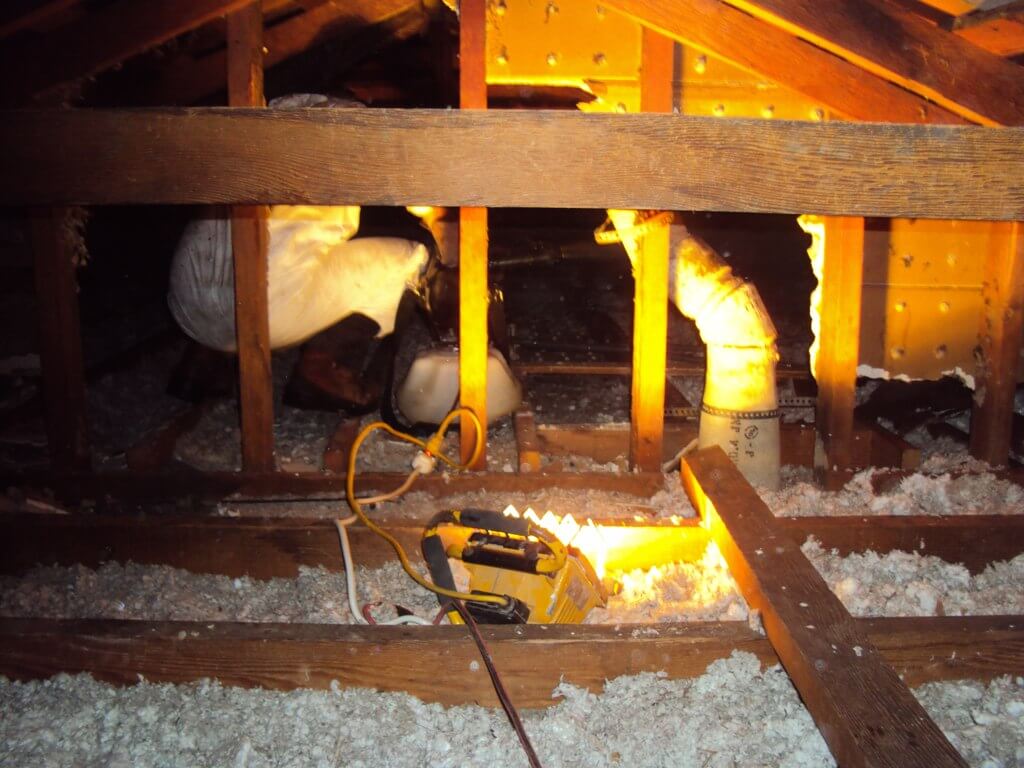
If the attic shows strong odor, visible contamination, damaged insulation, or signs that animal activity may still be active, call to discuss the next inspection step.
Call an Emergency Attic Inspector: (877) 724-5314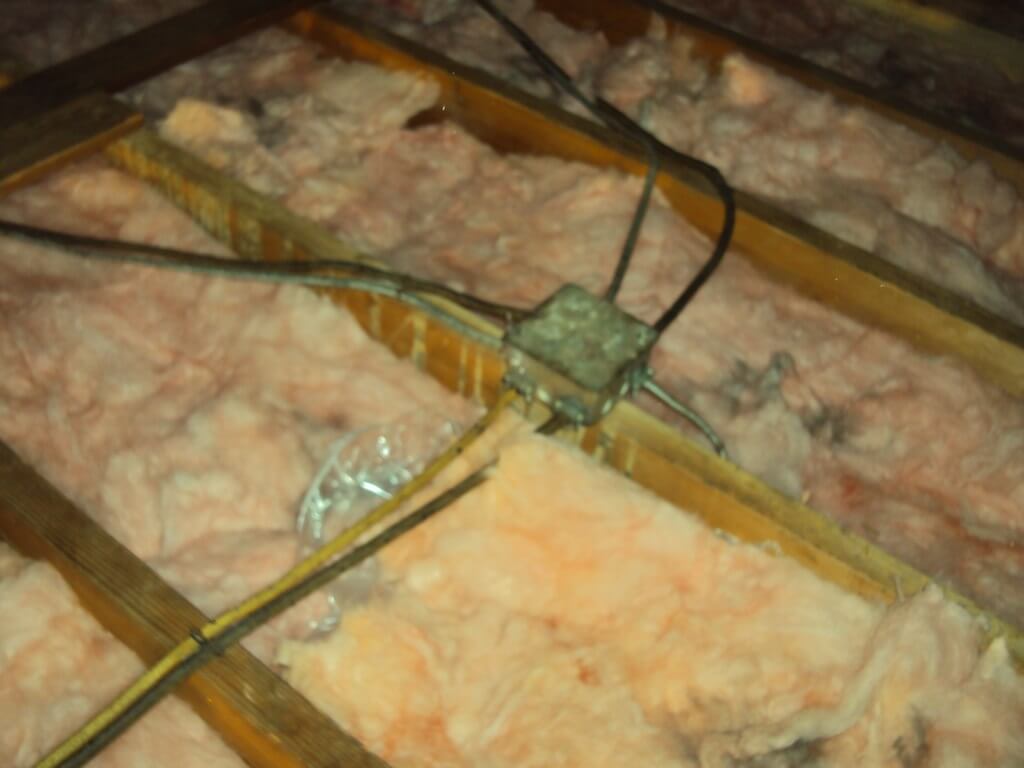
Inspection First
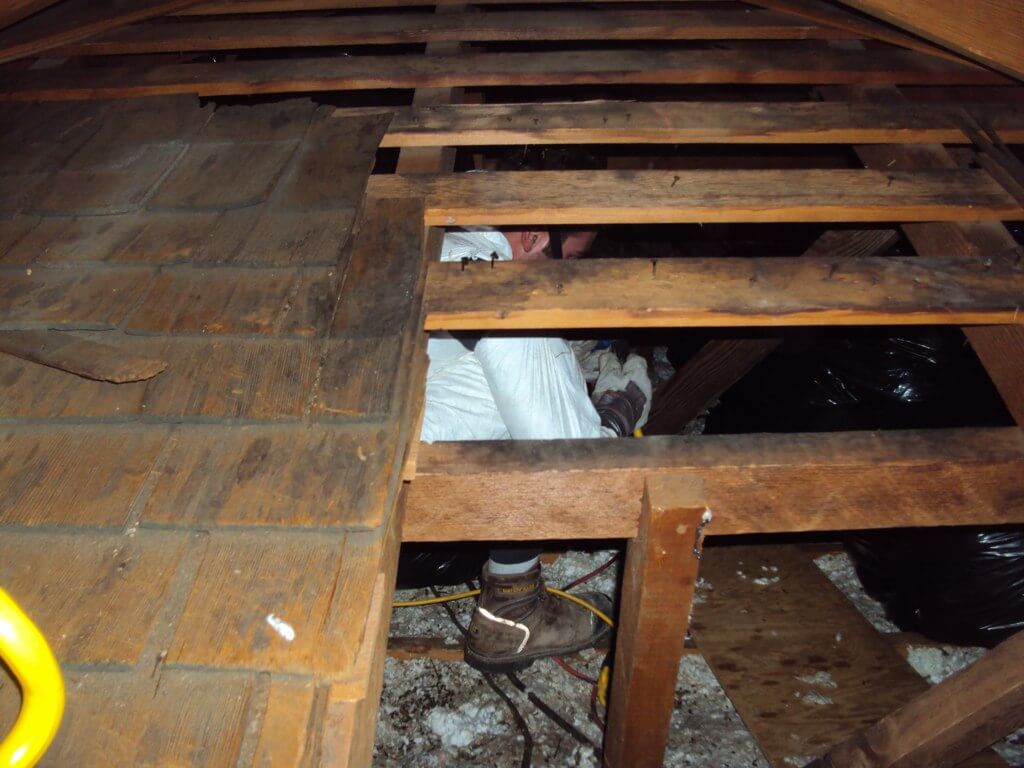
The first step is understanding scope. A proper inspection looks for droppings, urine staining, nesting materials, compacted insulation, odor concentration, and possible access points near vents, rooflines, or utility penetrations.
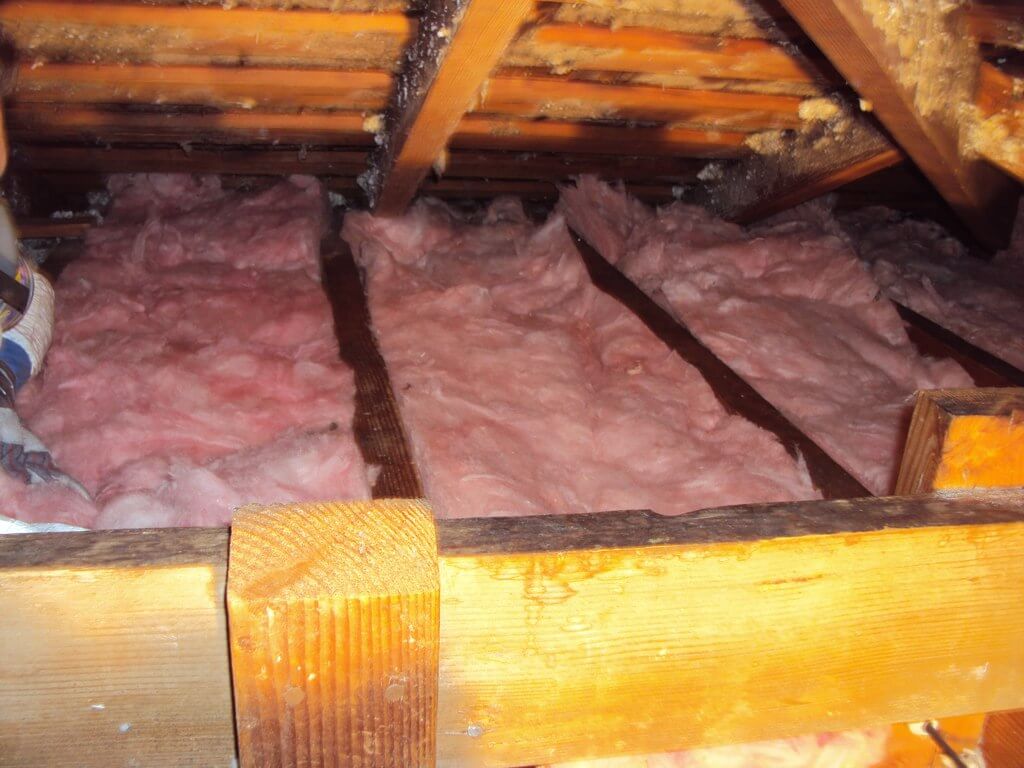
Not every attic needs a full tear-out, but contaminated insulation often loses both cleanliness and performance. Material that is soaked, compacted, stained, or filled with nesting debris may need to be removed so the attic can be properly restored. In heavier cases, ACAT's attic cleanup and decontamination service can support the sanitation side of the job.
Once the obvious waste is removed, the next priority is reducing contamination and lingering odor. The CDC rodent cleanup guidance warns against sweeping or vacuuming dry rodent waste because doing so can stir contaminated particles into the air. ACAT also offers related decontamination and odor removal support when smell and sanitation are major concerns.
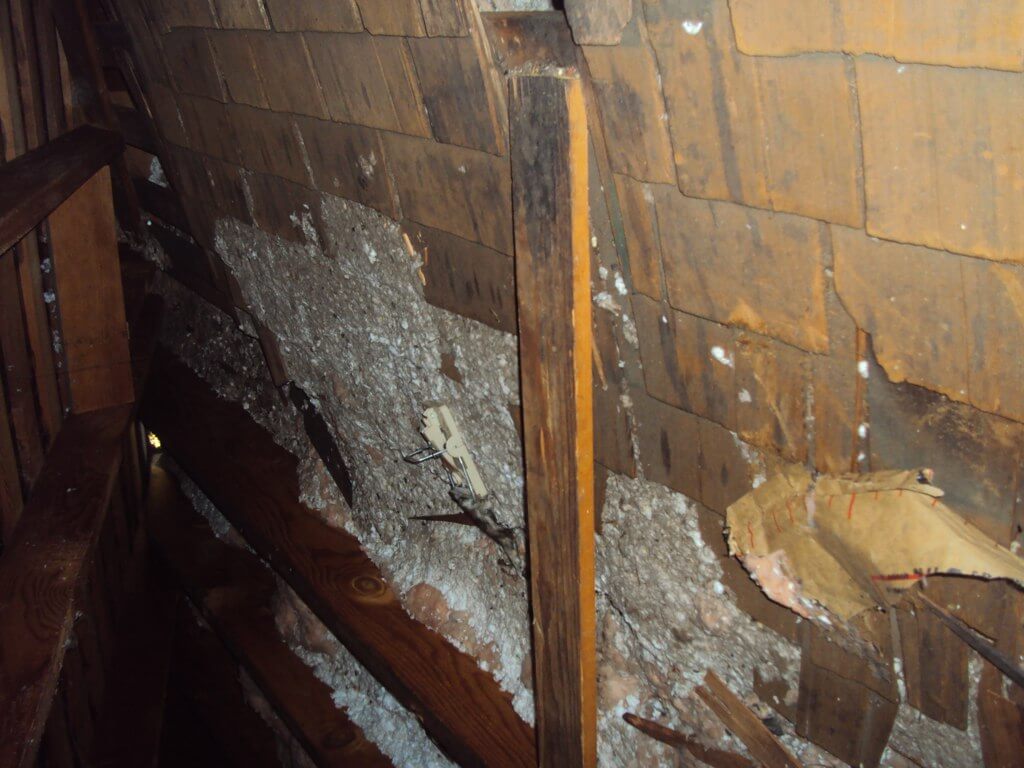
An attic can look clean and still be vulnerable. If gaps remain around vents, roof transitions, or other openings, new activity can undo the cleanup. A better outcome comes from pairing restoration with exclusion-minded repair recommendations so the attic is not left in the same condition that allowed the infestation.
For strong odor, heavy attic waste, soiled insulation, or a space that needs more than spot cleanup, call to discuss restoration scope.
Call an Attic Cleanup Inspector: (877) 724-5314Warning Signs
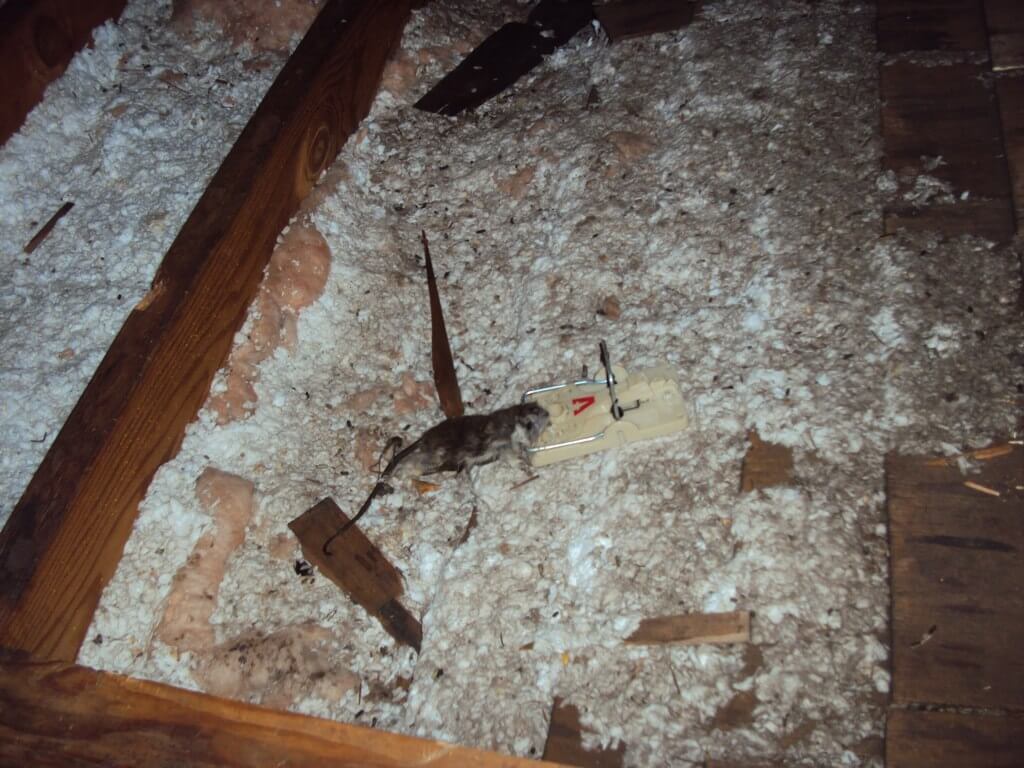
Some jobs are straightforward. Others are signs of a deeper restoration problem. If any of the issues below are present, it is smart to treat the project as more than surface-level cleanup.
Scope Comparison
Homeowners often hear these terms used interchangeably, but they are not the same. Understanding the difference can help you choose the right scope of work.
| Situation | What it usually means | Recommended response |
|---|---|---|
| Light debris, limited contamination, no damaged insulation | The attic may only need targeted cleanup and sanitation. | Inspection, removal of debris, and localized disinfecting. |
| Contaminated, stained, or compacted insulation | Cleanup alone may leave odor, poor insulation performance, or hidden contamination behind. | Evaluate insulation removal and replacement as part of the project. |
| Open gaps, chewed access points, or repeated animal entry | The problem is structural as well as sanitary. | Add sealing or repair recommendations so the attic is not recontaminated. |
| Heavy contamination plus multiple damage points | The attic may need a broader restoration approach rather than isolated cleanup tasks. | Combine inspection, removal, sanitation, insulation work, and exclusion-focused repairs. |
The goal is not to oversell the job. It is to match the solution to the actual condition of the attic. Sometimes cleanup is enough. Sometimes it is only the first step.
How It Works
A clear process helps homeowners understand what happens next and why. It also makes the estimate conversation easier because you can see what drives labor, materials, and timeline.
The inspection looks at contamination levels, access difficulty, active or historic animal evidence, insulation condition, and likely entry points.
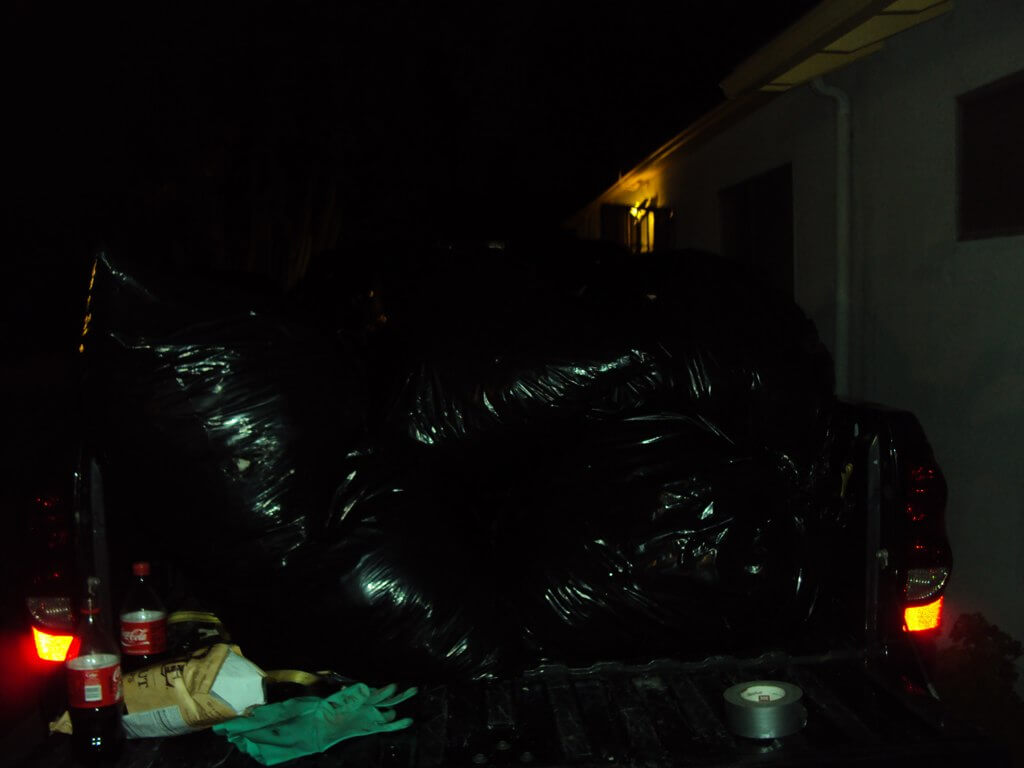
Damaged insulation, droppings, nesting material, and affected debris are removed so the team can work from a cleaner baseline.
After removal, surfaces can be treated for sanitation and odor reduction where appropriate.
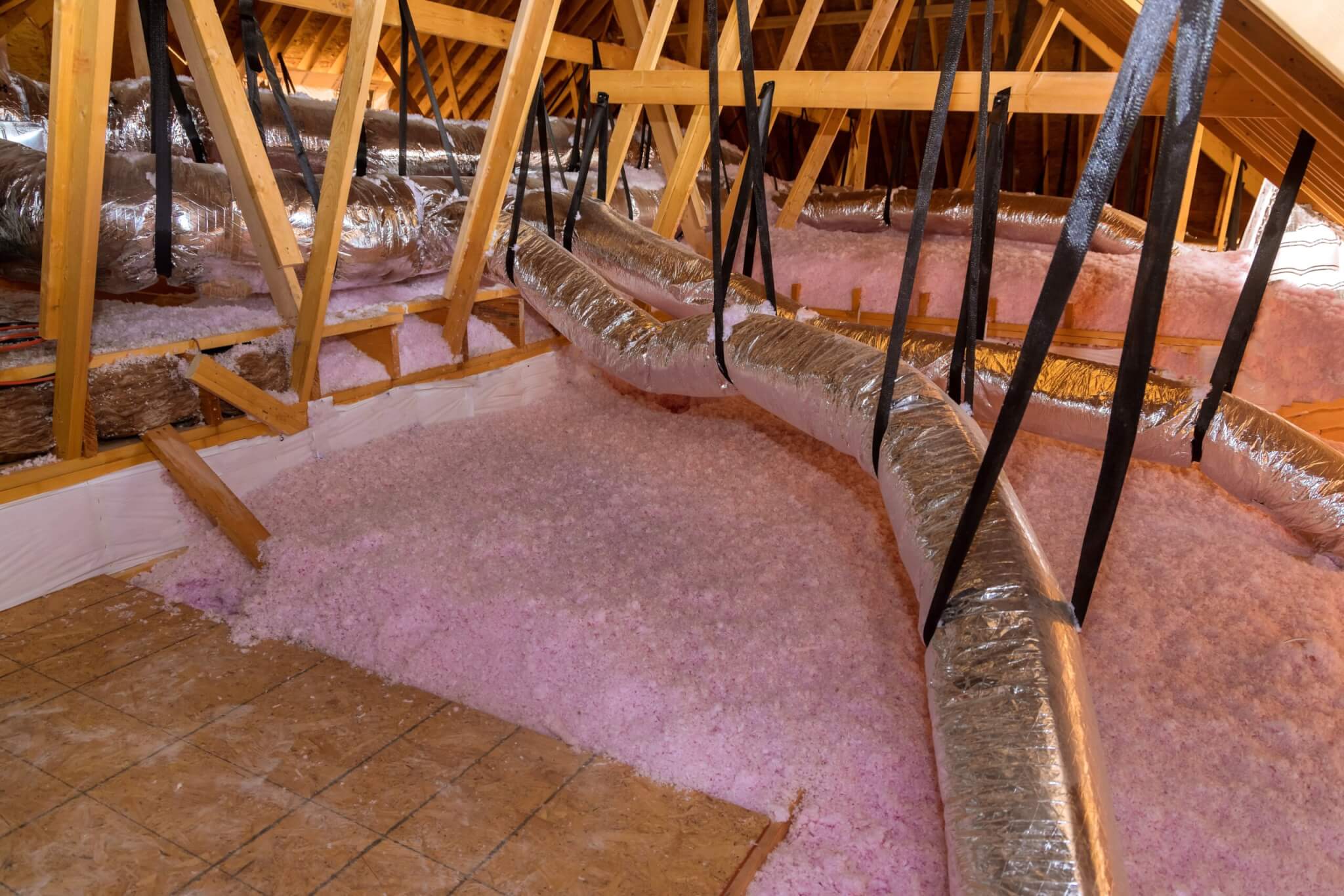
If insulation is no longer clean, effective, or worth preserving, replacement may be the smarter long-term choice.
The final stage is preventing the same problem from starting again by addressing accessible gaps and vulnerable points.
Same-day scheduling depends on location, technician availability, attic access, and whether the problem still appears active.
Call for Same-Day Attic Inspector Availability: (877) 724-5314Pricing Factors
Every attic is different, so cost depends on scope rather than a single flat number. The main variables are size, contamination level, insulation condition, accessibility, and how much repair or sealing is necessary after cleanup.
| Cost driver | Why it matters |
|---|---|
| Attic size | Larger attics usually require more labor, more disposal volume, and more replacement material if insulation is affected. |
| Contamination severity | Light debris is faster to handle than widespread droppings, urine impact, and odor-heavy nesting areas. |
| Insulation replacement needs | Partial spot removal is different from broad removal and full insulation replacement. |
| Access difficulty | Tight access, low clearance, or complicated layouts can increase labor time. |
| Repair and sealing scope | Minor gap sealing is different from multiple vulnerable areas that need repair attention. |
| Whether animal activity is still active | If the source problem is still live, removal and exclusion work may need to happen before restoration is complete. |
The best way to get a useful answer is to schedule an inspection first. That lets the project be quoted from real conditions rather than assumptions.
Timeline Expectations
Timeline depends on scope. A smaller cleanup may move faster than a full restoration project with insulation replacement and repair work. In general, the biggest schedule factors are how widespread the contamination is, how much insulation must come out, and whether the attic also needs exclusion or repair follow-up.
If speed matters, it helps to book the inspection early and clarify whether the problem is active, historic, or recurring. That makes it easier to plan the right scope from day one.
For contaminated insulation, visible droppings, repeat odor, or suspected re-entry points, call to get the attic evaluated and the next step clarified.
Call an Animal Damage Attic Inspector: (877) 724-5314Why ACAT
Homeowners are not just looking for someone to vacuum out an attic. They want clarity on what was damaged, what must be removed, what can stay, and how to reduce the chance of the problem returning. ACAT's advantage is the ability to connect animal-related attic damage with cleanup, sanitizing, insulation decisions, and next-step repair guidance in one service path.
Attic problems are often tied to a larger rodent or wildlife issue, so it helps to connect the page to the right supporting services. If the infestation is still active, start with rat removal in Orange County. If contamination is the main concern, explore attic cleanup and decontamination or odor removal support. If damaged insulation is driving the project, ACAT also offers insulation removal and replacement. For homeowners who want to understand broader local coverage before booking, the Orange County service area page is a helpful starting point.
Summary
FAQ
Not always. If insulation is lightly affected and still in good condition, targeted cleanup may be enough. But insulation that is stained, compressed, odor-heavy, or contaminated by droppings and urine often needs to be removed and replaced so the attic can be properly restored.
Yes. Many attic restoration projects happen after the animal activity has already ended. The important question is whether contamination, odor, damaged insulation, or open access points were left behind. Those issues can still require cleanup and repair even when the animals are no longer present.
Cleanup focuses on removing contaminated material, nesting debris, odor sources, and affected insulation. Repair focuses on sealing entry points or addressing damage that allowed the problem to happen. Full attic restoration may involve both when the attic needs sanitation and prevention at the same time.
Coverage depends on the policy, the source of damage, and the insurer's terms. It is best to confirm details directly with the carrier. A clear inspection report can make it easier to understand what was found and what parts of the work may or may not be covered.
That is often part of the recommendation when the inspection finds accessible gaps or weak spots. Sealing or repair work can be important because a freshly cleaned attic is still vulnerable if the original access issue is left in place.
Yes. An inspection is the best starting point because it clarifies whether you are dealing with light cleanup, insulation replacement, odor treatment, active rodent issues, or a broader restoration project. You can request a free consultation here.
If your attic shows signs of contamination, damaged insulation, or repeat animal activity, the next step is to get eyes on the space and clarify whether your home needs cleanup, repair, or full attic restoration.
Call an Orange County Attic Inspector: (877) 724-5314