Humane removal approach
The removal plan is matched to the structure and actual infestation conditions instead of relying on one generic approach for every property.


If you need Orange County rat removal, the real solution is not just catching one rat and leaving. The right service starts with a full inspection, removes active rats safely, identifies how they got inside, addresses contamination when needed, and seals the property to help reduce repeat infestations.
Call (877) 724-5314Orange County Rat Removal
Direct answer: Orange County rat removal should include inspection, humane trapping, contamination review, and entry-point sealing. If a company only addresses the visible rat activity without identifying nesting areas, damage, and access points, the problem can return. A better approach is to solve the active infestation and the conditions that allowed it to happen.
All City Animal Trapping serves homes and businesses across Southern California and presents its service around humane wildlife control, inspection, removal, cleanup, and property protection. Orange County rat problems often involve attics, garages, crawlspaces, contaminated insulation, and recurring entry points that need more than quick trap placement.
For broader information, review ACAT's rat removal service and animal removal services.
Call (877) 724-5314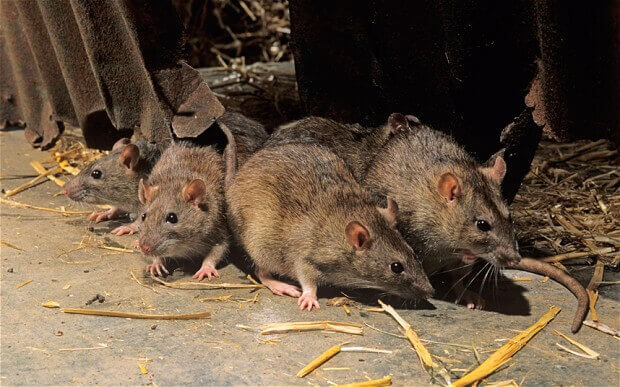
What to expect
A strong service plan focuses on both the rats currently inside the property and the conditions allowing them to stay or return.
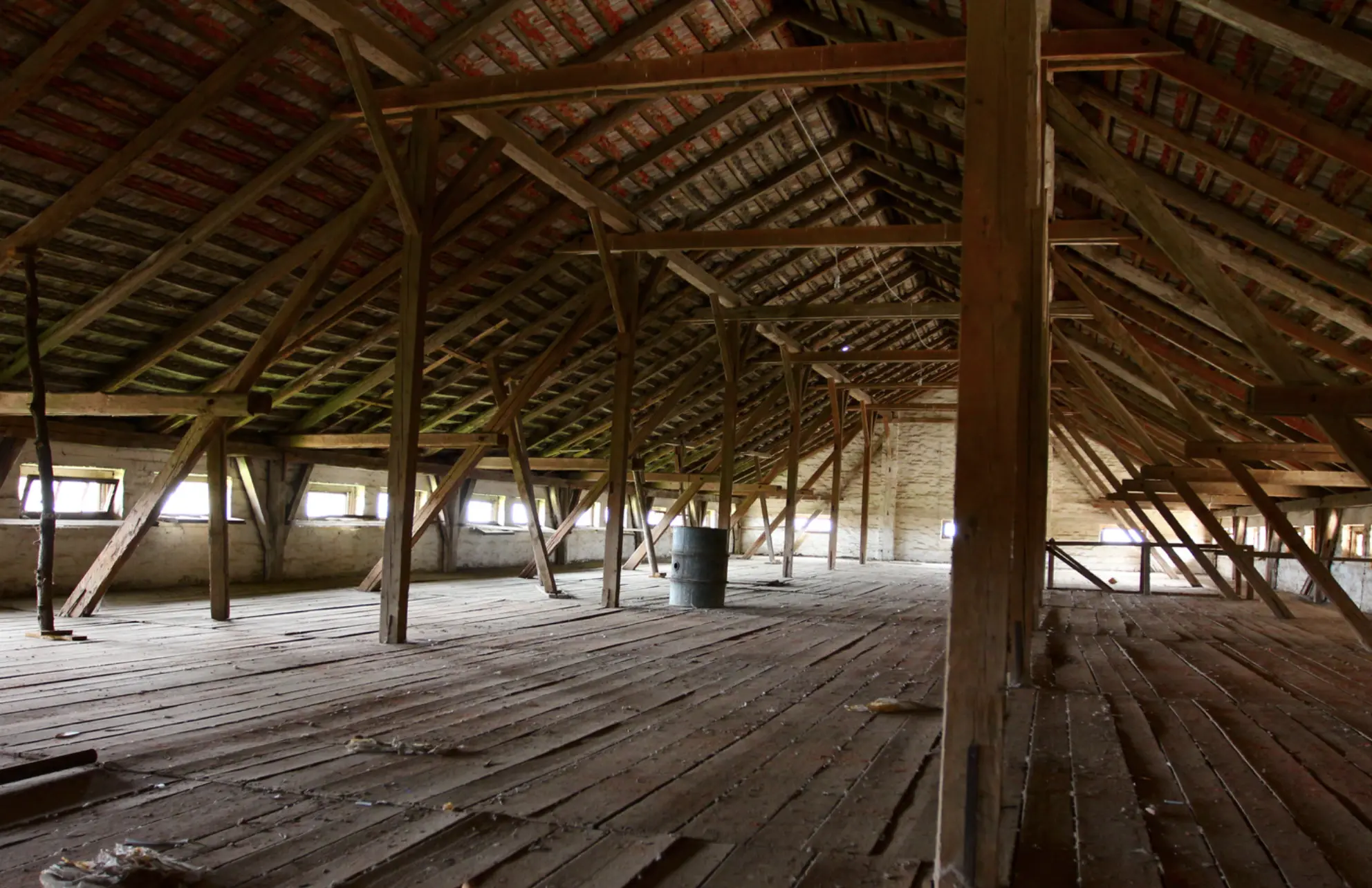
Inspect the property for signs of rat activity, nesting, and likely access points. This may include attics, garages, crawlspaces, wall areas, rooflines, storage spaces, and utility penetrations.
Remove active rats with a controlled plan matched to the structure, infestation level, and actual activity pattern instead of treating every property the same way.
Address droppings, odor, nesting debris, and contaminated areas when cleanup is needed. If insulation or enclosed spaces have been affected, the scope may extend beyond removal alone.
Seal vulnerable gaps and recommend practical prevention steps that help make the structure harder for rats to re-enter after the active infestation has been addressed.
Warning signs
Some rat problems are obvious. Others start quietly and get worse over time. Repeated activity is a strong reason to schedule an inspection before the infestation spreads into more of the structure.
Roof rats are common in Southern California and often show up first around attics, rooflines, fruit trees, garages, and storage areas. In many homes, the first clue is not seeing a rat in the open. It is hearing movement in the attic, spotting droppings in the garage, or noticing an odor.
Rats can damage insulation, contaminate enclosed spaces, leave behind odor, and chew on materials. When activity reaches wall voids, attic insulation, duct areas, or stored goods, the job may involve more than removal alone.
If you are unsure whether the problem is rats or mice, ACAT also provides a mice removal service.
Stop repeat entry
Trapping is important, but trapping alone does not always fix the source of the infestation. Many repeat rat problems happen because the original entry points were never found or sealed. If rats can still get into the structure, new activity can start again even after the first round of removal.
The long-term result usually improves when removal is paired with exclusion and follow-up recommendations. The goal is not just fewer rats today. The goal is a structure that is harder for rats to re-enter tomorrow.
How it works
Every property is different, but a strong Orange County rat removal plan usually follows the same practical sequence.
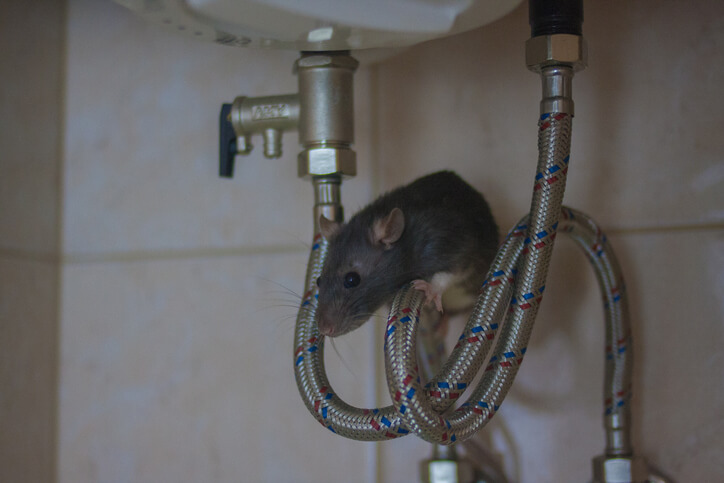
Confirm where rats are active, how severe the problem appears to be, and where they are likely entering or nesting.
Match the removal plan to the property using an intentional, controlled approach suited to the site conditions.
Handle droppings, urine contamination, odors, nesting debris, and damaged insulation when those conditions are present.
Identify vulnerable gaps, improve exclusion, and recommend the next practical fixes based on what the inspection finds.
If you are hearing activity, finding droppings, or dealing with a rat problem that keeps coming back, call to discuss the property and the next inspection step.
Call (877) 724-5314Estimates
Direct answer: There is no single flat price that fits every infestation. The final scope depends on property size, infestation severity, how easy the structure is to access, how many entry points are involved, and whether cleanup or recovery work is needed.
For broader pricing context, review ACAT's trapping prices. The best quote still comes after an inspection because no two structures present the same conditions.
| Cost factor | Why it matters |
|---|---|
| Property size | Larger homes and commercial spaces often take more inspection time and may have more potential access points. |
| Infestation severity | More active areas, repeated sightings, or deeper nesting can increase the amount of work required. |
| Access difficulty | Attics, wall voids, roofs, and crawlspaces can require more labor than open, easy-to-reach areas. |
| Cleanup needs | Droppings, odors, nesting debris, and contaminated insulation can expand the scope beyond removal alone. |
| Proofing and exclusion | Sealing gaps and improving prevention helps address the source of the infestation, not just the visible activity. |
After the rats are removed
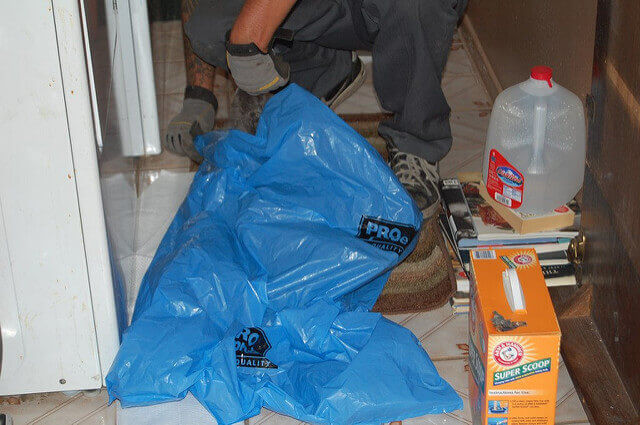
For many property owners, the rats are only half the problem. Droppings, urine odor, nesting debris, and damaged insulation can affect comfort, sanitation, and the way a property smells long after visible activity slows down.
According to the CDC's rodent cleanup guidance, rodent droppings and nesting materials should be disinfected before removal, and dry sweeping or vacuuming should be avoided.
If rats have been active in attic insulation or other enclosed materials for a while, the project may shift from simple removal into sanitation and recovery work. ACAT's decontamination and odor removal service is a useful related resource when contamination or odor is part of the job.
Why ACAT
ACAT positions its service around humane wildlife removal, inspection-first service, prevention, and property protection. For Orange County customers, that matters because rat removal is rarely a one-step problem. The provider needs to understand how rats move through structures, how contamination changes the scope, and why proofing should be part of the plan whenever the inspection supports it.
The removal plan is matched to the structure and actual infestation conditions instead of relying on one generic approach for every property.
Rat problems can affect homes, rentals, garages, storage areas, commercial properties, and other spaces where sanitation, access, and prevention all matter.
The service approach connects active removal with proofing and property protection. For more company background, visit ACAT's About Us page.
Service coverage
Orange County rat problems can look very different from one property to another. Some begin in attics and rooflines, while others involve garages, storage areas, crawlspaces, landscaping, or commercial spaces.
Useful related pages include ACAT's Locations, Rat Removal Service, Trapping Prices, and About Us.
Call (877) 724-5314
Summary
FAQ
The timeline depends on the size of the property, how active the infestation is, and whether the job also includes cleanup or proofing. Some properties only need a straightforward inspection and removal plan, while others require a broader approach because rats have reached attics, crawlspaces, or multiple access points.
A strong rat-removal plan should include exclusion recommendations or sealing work when entry points are found. Without that prevention step, the property may stay vulnerable even after the initial activity has been reduced. The exact proofing scope depends on what the inspection uncovers.
Cleanup needs vary from one property to another. If droppings, urine odor, nesting debris, or damaged insulation are present, the project may extend beyond removal into sanitation or decontamination work. It helps to evaluate the structure and the aftermath together.
The biggest variables are property size, infestation severity, access difficulty, the number of likely entry points, and whether cleanup or recovery work is needed. An inspection-based quote is more useful than a generic flat number because it reflects the actual structure and activity.
Yes, they can if the original access points stay open or if other conditions continue to attract them. That is why exclusion and prevention matter. A complete service plan should focus on how the rats entered, where they nested, and what needs to change to make the structure less vulnerable.
Small, light activity may be manageable for some property owners, but larger or older contamination should be approached carefully. The CDC recommends disinfecting droppings and nesting materials first and avoiding dry sweeping or vacuuming. If the area is heavily contaminated, enclosed, or difficult to access, professional help may be appropriate.
Coverage
Next step
If you are hearing movement in the attic, noticing droppings in the garage, or dealing with repeat rat activity around the property, the next step is to identify the source and match the right removal, cleanup, and proofing plan to the job.
If you are still comparing options, review ACAT's pricing information, company background, or service areas.