

Attic Cleanup • Wildlife Damage Repair • Exclusion
Attic Cleaning And Repair After Animal Damage
When an animal leaves an attic, the noise may stop before the problem is over. Droppings, urine, nesting material, damaged insulation, odors, chewed components and the opening the animal used can remain behind. A complete attic restoration plan should address that full chain, not just the most visible mess.
Attic Inspection
Cleanup & Sanitation
Repair & Exclusion
Insulation Decisions
What Does Attic Cleaning And Insulation Replacement Include After Animal Damage?
Attic cleaning and insulation replacement after animal damage typically starts with an inspection, then addresses contaminated debris or insulation, sanitation and odor concerns, damaged materials and the entry points that allowed wildlife inside.
The final scope depends on the animal, the condition of the attic, the extent of contamination and whether the problem is still active.
A useful service plan connects cleanup to the reason the contamination happened. Removing waste without checking the roofline can leave the opening in place. Installing new insulation before cleaning or sealing can cover the problem and make a repeat intrusion harder to diagnose.
A written scope should explain what is necessary, what is optional and what requires another trade.
| Project Stage | What It May Address | Why It Matters |
|---|---|---|
| Inspection | Species clues, contamination, insulation condition, wiring or duct concerns and entry points. | Defines the real problem before work begins. |
| Cleanup | Droppings, nesting material, carcasses and affected debris or insulation. | Removes materials that can hold odor and contamination. |
| Sanitation | Exposed framing, decking, joists and other accessible hard surfaces. | Addresses residue after contaminated material is removed. |
| Repair And Exclusion | Damaged vents, soffits, roofline gaps, utility penetrations and other access points. | Helps reduce the chance of repeat entry. |
| Restoration | Insulation decisions, odor follow-up and final documentation. | Returns the attic to a cleaner, more usable condition. |
Inspection Comes Before A Cleanup Quote
Attic contamination is often hidden below or around insulation. An inspection should look at the attic floor, roofline, vents, eaves, ductwork, visible wiring, access hatch and connected areas such as a crawlspace when relevant.
Photos and a written explanation can help distinguish between light, localized cleanup and a larger restoration project.
Cleanup May Include More Than Loose Debris
Animal damage can involve droppings, urine-soaked material, nesting, feathers, fur, carcasses or insulation that has been compressed or tunnelled through.
Not every attic needs a complete tear-out. Targeted removal may be appropriate when contamination is limited and the remaining material is sound.
Repair And Sealing Are Part Of The Solution
Open vents, worn screens, roofline gaps, damaged soffits and utility penetrations can all become access routes.
Repair materials and methods should fit the location and animal involved. Specialized wiring, ductwork, roofing or structural work may require another trade.
What Signs Mean Your Attic Needs Professional Cleanup?
Homeowners often notice a symptom before they see the animal. An attic inspection is worth considering when one or more of these warning signs appears.
- Persistent scratching, thumping, fluttering or gnawing above the ceiling, especially at night.
- Musty, ammonia-like or decomposition odors that drift into rooms below or become stronger in warm weather.
- Droppings, urine stains, shredded nesting material or tracks on joists, decking or insulation.
- Insulation that is flattened, disturbed, stained, missing or tunnelled through.
- Chewed wiring, torn ducting, damaged vent screens, lifted roof materials or gaps along the eaves.
- Flies, fleas or other insects around an attic access point or a concentrated odor in one area.
- Repeat wildlife activity after a previous removal because the access point was never fully addressed.
Important: Do not treat a contaminated attic like an ordinary storage room. Rodent droppings, urine and nesting material should not simply be swept or vacuumed while dry because disturbing contaminated material can put particles into the air.
Why Should Cleanup Follow Animal Removal And Inspection?
Cleaning while animals are still active can create only a short-lived improvement.
New droppings can appear, insulation can be disturbed again and sealing the wrong opening may trap an animal inside a wall or attic void.
A practical sequence is to confirm the animal situation, inspect the structure, remove affected material, sanitize, repair access points and then make insulation decisions.
Removal
Addresses the active animal issue and determines whether species-specific removal or referral is required.
Cleanup And Sanitation
Addresses waste, nesting material, affected surfaces and odor sources after the animal problem has been evaluated.
Repair And Exclusion
Addresses the opening, damage or weak point that allowed wildlife to access the attic.
Insulation Restoration
Addresses material that is no longer clean, intact or performing as intended.
What Are The Safety Risks Of DIY Attic Cleanup?
DIY attic cleanup can expose a homeowner to contaminated dust, sharp fasteners, unstable flooring, insulation fibers, hidden wiring, poor ventilation and live or dead wildlife.
Rodent contamination requires special care, and heavy or inaccessible contamination is better evaluated by a qualified professional with appropriate protective equipment and disposal procedures.
Before entering an attic, keep children and pets away, avoid disturbing suspected nesting areas and do not reach into an unseen void.
If you find a live animal, do not corner it. If you find a dead animal or extensive rodent waste, follow appropriate public-health cleanup guidance rather than sweeping or vacuuming first.
An inspection can also identify damage that is easy to miss from the attic hatch, including chewed electrical insulation, damaged ducts, moisture and roofline openings.
Disturbed insulation and nesting debris can show where wildlife travelled and where contamination may be concentrated.
How Should A Professional Attic Restoration Project Be Sequenced?
A clear sequence helps prevent paying to restore the same space twice. The exact work varies by property, but a practical attic cleanup framework usually follows these six steps.
1
Confirm The Active Wildlife Issue
Determine whether an animal remains inside and whether species-specific removal or referral is needed.
2
Inspect And Document The Structure
Check contamination, insulation, roofline access, vents, crawlspaces, ductwork, wiring and related damage.
3
Remove Contaminated Materials
Remove affected debris and insulation using a method suited to the material and contamination level.
4
Clean And Sanitize Surfaces
Address residue and odor sources after contaminated material is removed, following applicable safety practices.
5
Repair And Seal Entry Points
Close or reinforce the routes wildlife used before new insulation covers them.
6
Restore Insulation And Review
Decide between targeted work and broader replacement, then document the completed scope and any follow-up needs.
What Affects The Cost And Timeline Of Attic Cleaning And Insulation Replacement?
There is no responsible flat price for every attic because the work can range from a localized cleanup to a multi-stage restoration.
A property-specific inspection is more useful than a generic online number. Ask for a written estimate that separates removal, cleanup, sanitation, repair, sealing, insulation, disposal and any work that requires another contractor.
| Scope Factor | How It Can Change The Project |
|---|---|
| Contamination Level | More waste, urine saturation, nesting or odor generally means more protection, removal, sanitation and disposal work. |
| Attic Size And Access | Tight openings, low clearance, steep rooflines and limited walkways can increase labor and staging needs. |
| Insulation Condition | Lightly affected material may allow targeted work. Heavily soiled, compressed or damaged insulation may need removal and replacement. |
| Repair And Exclusion Scope | Several entry points, damaged vents, soffits, roof materials or utility penetrations add materials and labor. |
| Active Versus Completed Infestation | Cleanup may need to wait for removal or be staged with trapping and exclusion so the restored attic is not immediately re-contaminated. |
Timeline also depends on these variables. A smaller project with limited contamination can be simpler than a large attic with multiple access points, damaged insulation or a connected crawlspace.
Ask what must happen first, what could require a return visit and whether a roofer, electrician, HVAC professional or insulation contractor needs to be involved.
How Can All City Animal Trapping Help With Wildlife-Related Attic Damage?
All City Animal Trapping's service model connects humane animal trapping and removal with damage repair, decontamination, odor control and preventive measures.
Service coverage includes residential and commercial properties across Los Angeles, Orange, Riverside and San Bernardino counties.
For a more useful conversation about your property, be prepared to share where you hear or smell activity, how long the signs have been present, whether you have seen droppings or an animal and whether a previous provider performed removal without cleanup or sealing.
You can also review our animal removal services and service areas before requesting an inspection.

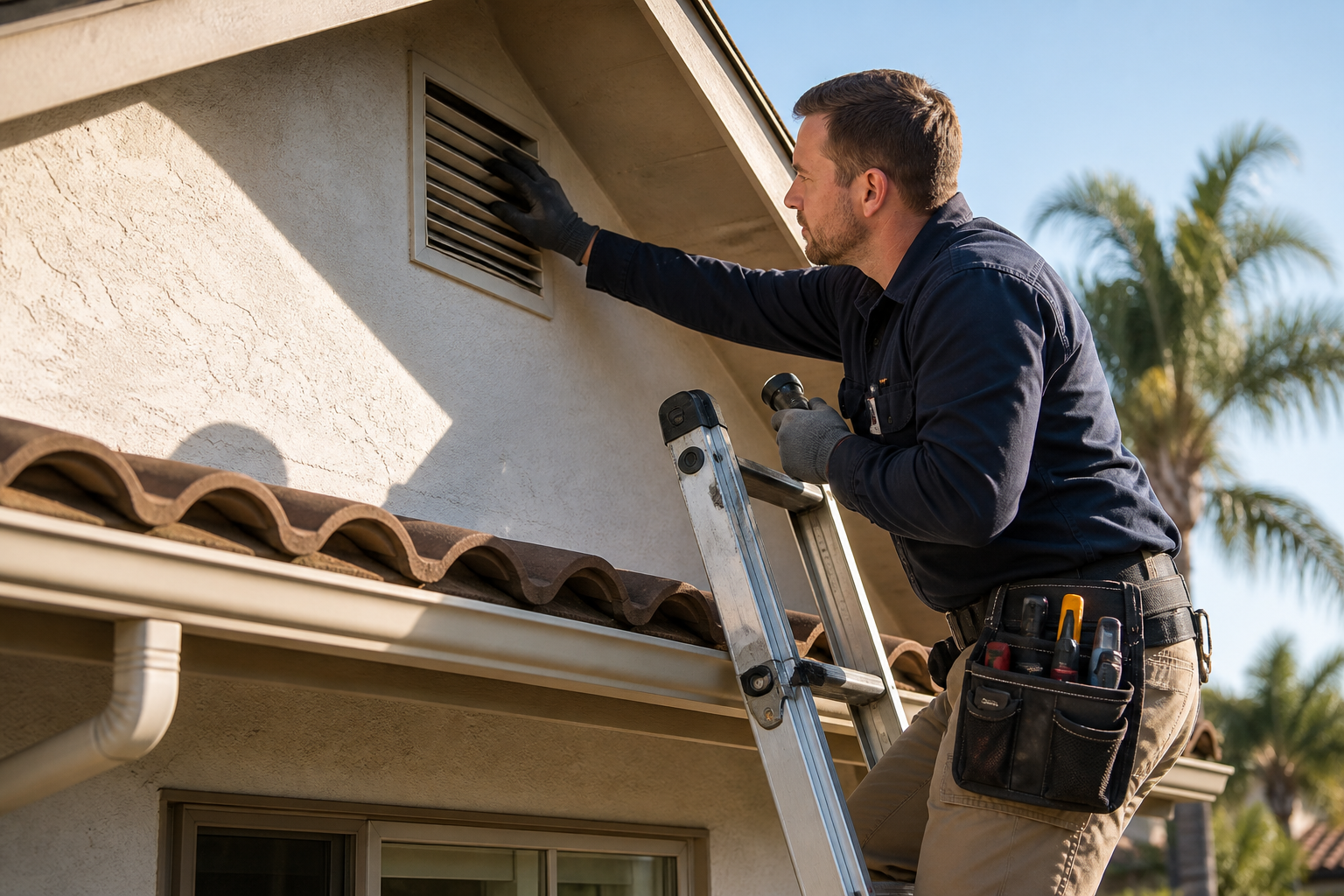
Sealing the access point before final insulation work helps connect cleanup with prevention.
Cleanup Should Connect Directly To Prevention
Removing contaminated material solves only part of the problem if the wildlife access point remains open.
Damaged vents, roofline gaps, worn screens, soffits and utility penetrations should be evaluated before final insulation work covers the attic floor or makes the original route more difficult to diagnose.
The goal is to connect wildlife removal, cleanup, sanitation, repair, exclusion and insulation decisions into one property-specific plan.
Key Takeaways
Address The Full Chain
Attic cleaning and insulation replacement after animal damage should address the visible mess, hidden contamination, damaged materials and the access point that allowed wildlife inside.
Inspection Comes First
Inspection and animal removal should come before major cleanup, sealing or insulation replacement when wildlife activity may still be present.
Full Replacement Is Not Always Necessary
The correct insulation decision depends on contamination, material condition, access and whether the attic floor must be exposed to find and seal hidden entry points.
Frequently Asked Questions About Attic Cleaning And Repair
Do I Need To Replace All Of My Attic Insulation After Animal Damage?
Not always. Targeted removal and sanitation may be appropriate when contamination is limited and the remaining insulation is dry, intact and otherwise usable. Broader replacement may make more sense when urine or droppings are widespread, material is compressed or matted, odors persist or the attic floor must be exposed to find and seal hidden entry points.
Can An Attic Be Cleaned While Animals Are Still Inside?
Major cleanup should not be treated as a substitute for removing an active animal. New contamination can appear while work is underway, and sealing an opening too early can create another problem if an animal is trapped inside. The provider should first determine whether wildlife remains and explain the correct removal, exclusion and cleanup order.
How Do You Remove Attic Odors After Wildlife Activity?
Odor control usually starts with finding and removing the source, such as contaminated insulation, nesting debris, droppings, urine or a carcass. Exposed surfaces may then need cleaning and sanitation, while damaged porous materials may require removal.
Is Attic Cleanup After Animal Damage Covered By Homeowners Insurance?
Coverage depends on the policy, cause of loss, exclusions and whether the damage is considered sudden or the result of a long-term infestation. Do not assume trapping, cleanup, insulation or repairs are covered. Ask your insurer what documentation it needs and request photos, an itemized scope and written estimates if you plan to submit a claim.
How Long Does Attic Cleaning And Repair Take?
Timing depends on attic size, access, contamination, insulation work, repair needs and whether animal removal must happen first. A localized cleanup can be simpler than a full restoration with removal, sanitation, exclusion and re-insulation.
Should I Seal The Hole Before The Animal Is Removed?
Do not close an opening simply because it is visible. First determine whether an animal, babies or nesting activity is still inside and whether other access points exist. Premature sealing can trap an animal in an inaccessible space or push it into another part of the structure.
Does All City Animal Trapping Serve My Property?
Current service-area information includes Los Angeles, Orange, Riverside and San Bernardino counties for residential and commercial properties. Availability can still depend on the exact city, property type, species and scope. Contact the team to confirm your property and appropriate next step.
Schedule An Attic Inspection
If your attic smells different, shows disturbed insulation, contains droppings or nesting material or has signs of repeat animal access, the next step is to identify the source before more contamination or damage accumulates. All City Animal Trapping can discuss the removal, cleanup, repair and exclusion questions that apply to your property.