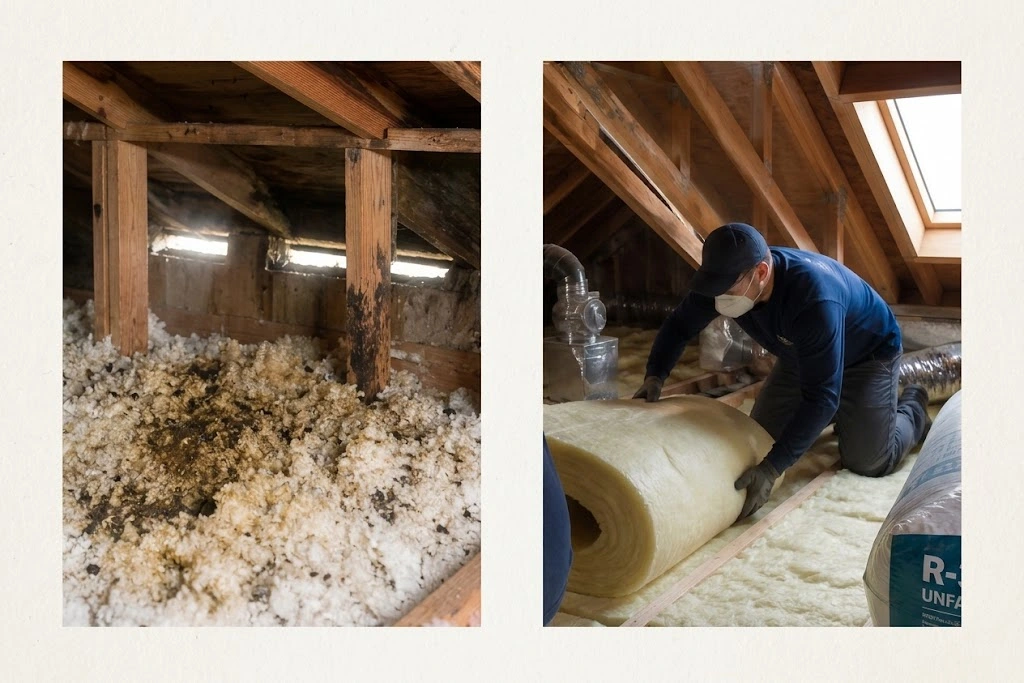
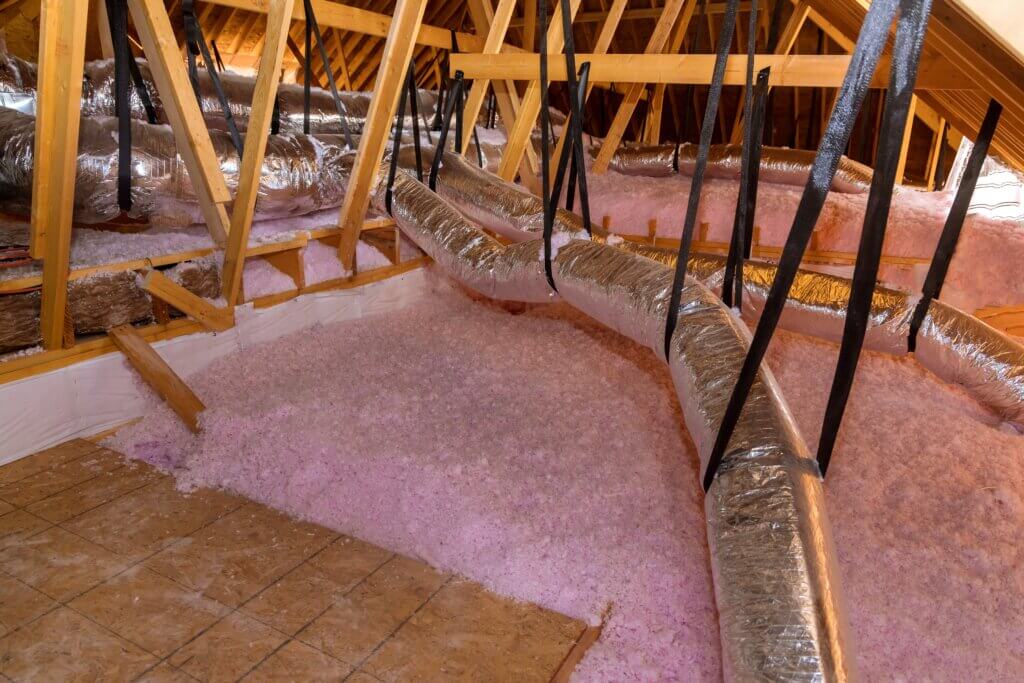
Prevention starts with the access point and the attractant, not with stronger air freshener. After the removal scope is complete:
- Ask whether roofline gaps, damaged vents, crawlspace openings, or deck edges need exclusion work.
- Keep trash containers closed and reduce accessible food or water sources around the property.
- Maintain screens, vents, and access doors so animals cannot enter easily.
- Pay attention to new scratching, droppings, nesting material, or repeated activity.
- If live wildlife or rodents are present, address that issue before another animal becomes trapped or dies inside the structure.
For a broader local service path, All City Animal Trapper’s lists Irvine among the Orange County cities on its
service areas page. Keep the dead-animal page focused on carcass location, removal, odor, and cleanup while using the broader wildlife page for active-animal and exclusion intent.
Dead animal removal FAQs
Who picks up a dead animal in Irvine?
It depends on where the animal is located. For a street, sidewalk, park, or other public location, start with the
City of Irvine Animal Services page and confirm current instructions. For a private yard, home, attic, wall, crawlspace, or under-deck area, a private wildlife-removal provider can assess the location, removal, odor, and cleanup scope.
Can a dead animal be removed from inside a wall or ceiling?
A professional can inspect the area and explain whether the carcass is accessible through an existing opening or whether a limited access opening may be needed. Not every hidden location can be reached safely without repair work. Ask who handles drywall, insulation, framing, or finish repairs and make sure those items are clear in the estimate before work starts.
Can you remove a dead animal from under a house or deck?
Under-house, crawlspace, deck, patio, and shed locations are common inspection scenarios for wildlife-removal providers. Access may be limited by low clearance, barriers, stored items, or damaged materials. A provider should assess the space, explain the safest practical access route, remove the carcass if reachable, and identify whether an active wildlife entry point needs separate attention.
Does dead animal removal include cleanup and odor control?
It can, but the included work varies by provider and property. All City Animal Trapper’s published service pages describe removal, decontamination, odor work, and related repair or prevention services. Ask whether the quoted scope includes spot cleaning, disinfecting reachable surfaces, odor treatment, contaminated insulation or debris, and any material replacement. Heavy contamination or structural repair may require a separate scope.
How much does dead animal removal cost in Irvine?
The cost depends on the animal’s size and condition, whether it is visible, how difficult the location is to reach, and whether access, cleanup, odor treatment, or prevention work is needed.
How quickly should I call after finding a dead animal?
Contact the responsible agency or provider once you find the carcass or notice a persistent suspected-decomposition odor. Early assessment can reduce the time people and pets spend near the area and can clarify whether the problem is a carcass, waste, plumbing, or another source. Do not promise a fixed response time; instead, describe the location, urgency, and access conditions when you call.
Is it safe to touch a dead animal?
The safest choice is to avoid handling it and keep children and pets away. A carcass can be contaminated with bodily fluids, parasites, or surrounding waste, and a confined location can add risks from wiring, ducts, insulation, or unstable materials. If a bite, scratch, or possible rabies exposure occurred, wash the wound and contact medical or public-health guidance promptly.
What if the dead animal was a pet?
Pet aftercare is different from nuisance-wildlife or carcass removal. If a pet dies at home, contact your veterinarian, a pet aftercare provider, or local animal-services office for options that fit your situation and current rules. Do not place a pet or wild animal in a public area or assume household disposal is allowed. Ask about respectful transportation, cremation, or other approved arrangements.